
 Save
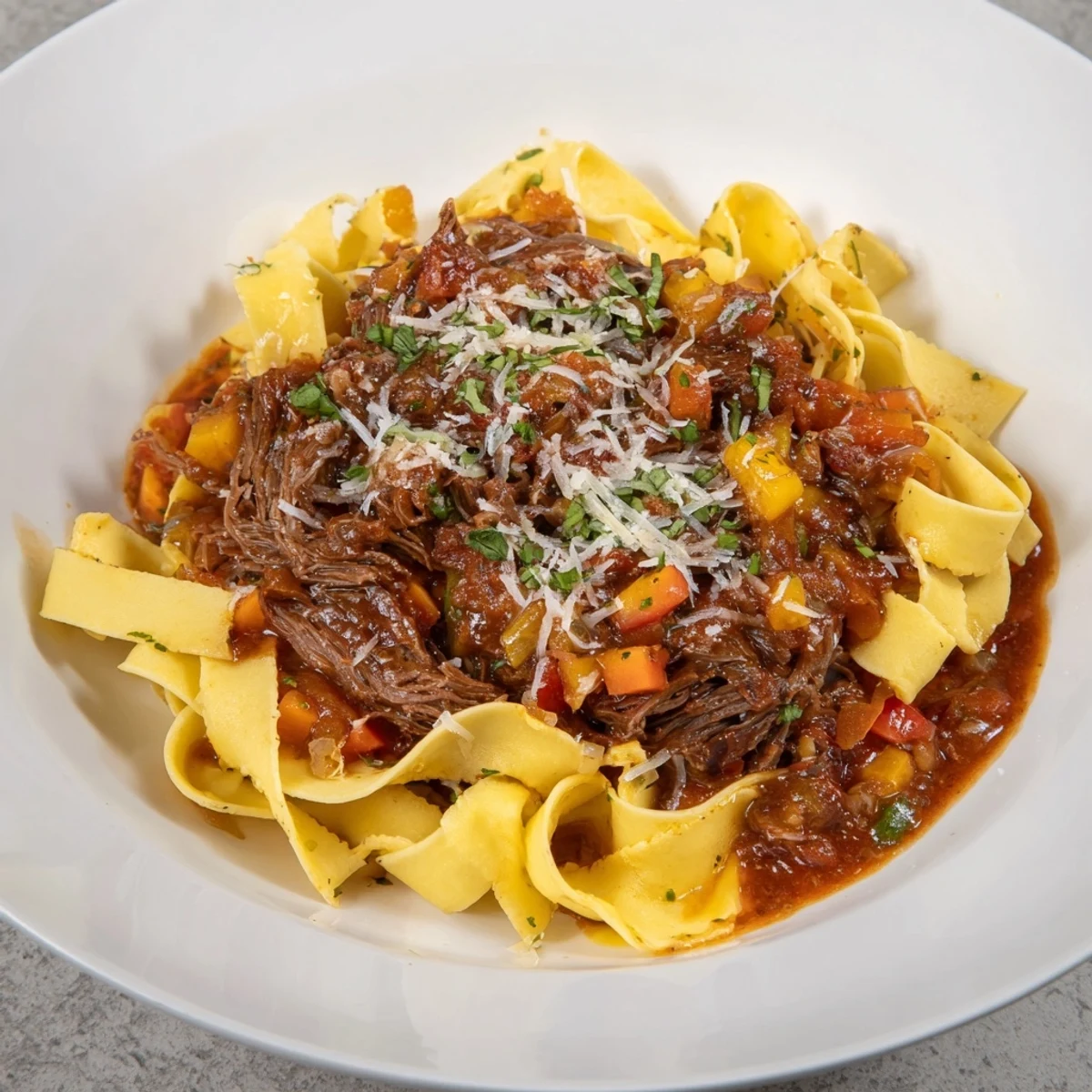
Save This dish features tender beef chuck that is seared and then gently simmered for hours in a savory tomato and herb sauce, allowing the flavors to meld and the meat to become fork-tender. Paired with silky pappardelle pasta, this hearty Italian-inspired combination offers a rich and satisfying meal. Aromatics like onion, celery, and carrots build depth, while red wine enhances complexity. Finish with freshly grated Parmigiano-Reggiano and fresh herbs for a comforting and flavorful plate perfect for gatherings.
I still remember the first time I made beef ragu, watching the pot bubble away on a lazy Sunday afternoon, the aroma building from something sharp and winey into something deep and utterly comforting. My kitchen smelled like an Italian grandmother's kitchen, and I knew I'd found something I'd be making again and again.
There was this moment about halfway through cooking when I lifted the lid and the steam hit my face, carrying that incredible blend of wine, tomato, and beef. I knew right then it was going to be something special. That's when I understood why this ragu had captured hearts for centuries.
Ingredients
- Beef chuck (2 lbs, cut into 2-inch pieces): This cut is perfect because the marbling renders into the sauce, making everything richer. I always look for pieces that aren't too lean.
- Olive oil (2 tbsp): Just enough to get a good sear without drowning the beef. Good quality makes a difference here.
- Yellow onion, carrots, and celery (1 large onion, 2 carrots, 2 stalks): This is your flavor foundation, what Italians call soffritto. Finely chopped means they dissolve into the sauce rather than remaining chunky.
- Garlic cloves (4, minced): Added after the soffritto softens, so it doesn't burn and turn bitter.
- Dry red wine (1 cup): The acidity and depth transform the sauce. I use something I'd actually drink, not cooking wine.
- Crushed tomatoes (28 oz can): The backbone of your ragu. Crushed, not sauce, gives you control over consistency.
- Tomato paste (2 tbsp): Concentrated tomato flavor that adds a subtle sweetness and body to the sauce.
- Beef stock (1 cup): Adds umami and helps braise the beef gently. Homemade is wonderful if you have it.
- Dried oregano and thyme (2 tsp and 1 tsp): Herbs that marry beef and tomato beautifully. Fresh is lovely but dried works just fine here.
- Bay leaves (2): They add a subtle earthiness. Don't skip them, but do remove them before serving.
- Salt and black pepper: The unsung heroes that make everything taste like itself, only better.
- Red pepper flakes (pinch, optional): A whisper of heat that doesn't announce itself.
- Pappardelle pasta (1 lb): Those wide ribbons are meant to cradle this sauce. They're worth seeking out.
- Parmigiano-Reggiano cheese: Sharp and salty, it's the final note that says this dish is finished.
- Fresh basil or parsley: A bright finish that cuts through the richness beautifully.
Instructions
- Get Everything Ready:
- Pat your beef chunks dry with paper towels and season them generously with salt and pepper. This is your first step toward flavor, and it matters. Dry meat sears better, and a good sear is where this whole thing starts.
- Build That Golden Crust:
- Heat your olive oil in that Dutch oven over medium-high heat until it shimmers. Working in batches so you don't crowd the pan, sear each piece of beef until it's deeply browned on all sides. This takes patience but it's where the magic starts. You're not cooking the beef through yet, just giving it color and character. Transfer each batch to a plate as it finishes.
- Soften Your Foundation:
- In the same pot with all those beautiful browned bits stuck to the bottom, add your finely chopped onion, carrots, and celery. Let them sizzle and soften for about 6 to 8 minutes, stirring occasionally. You're looking for them to turn tender and slightly golden at the edges. Then add your minced garlic and cook for just one more minute. If garlic cooks too long it becomes acrid and bitter, so don't walk away here.
- The Part Where Magic Happens:
- Stir in that tomato paste and let it cook for about 2 minutes, deepening in color and smell. You're concentrating its flavor. Then pour in your red wine, scraping up all those browned bits from the bottom of the pot. Let it bubble for a few minutes until it reduces slightly and mellows. The raw wine smell softens into something rich.
- Bring Everything Together:
- Return your seared beef to the pot. Add the crushed tomatoes, beef stock, oregano, thyme, bay leaves, and red pepper flakes if you're using them. Stir until everything is combined and bring it to a gentle simmer. This shouldn't be a rolling boil, just a steady, quiet bubble.
- The Long Braise:
- Cover your pot and transfer it to a 325°F oven, or keep it on the stovetop on low heat. Either way, let it cook for 3 hours. Stir it occasionally, maybe every 45 minutes. You'll watch the sauce thicken, the beef soften, the colors deepen. Around the 2.5-hour mark, start checking if the beef is fork-tender. When it is, you're almost there. Skim off any excess fat that has gathered on top if you like, though a little fat carries flavor.
- Finish and Taste:
- Remove those bay leaves. Using two forks, gently shred the beef right into the sauce. It should fall apart with barely any pressure. Taste your ragu and adjust salt and pepper. This is your moment to make it exactly right.
- The Pasta Moment:
- While your ragu is in its final moments, bring a large pot of well-salted water to a rolling boil. Cook your pappardelle until it's al dente, with just a slight resistance when you bite it. Before draining, reserve about half a cup of that starchy pasta water. This liquid is liquid gold for adjusting the consistency of your final dish.
- Toss and Serve:
- Combine your drained pasta with the ragu in that Dutch oven or a large serving bowl, adding a splash of reserved pasta water if needed. You want it to coat every ribbon without being swimming in sauce. Top generously with Parmigiano-Reggiano and a handful of fresh herbs, and serve immediately.
 Save
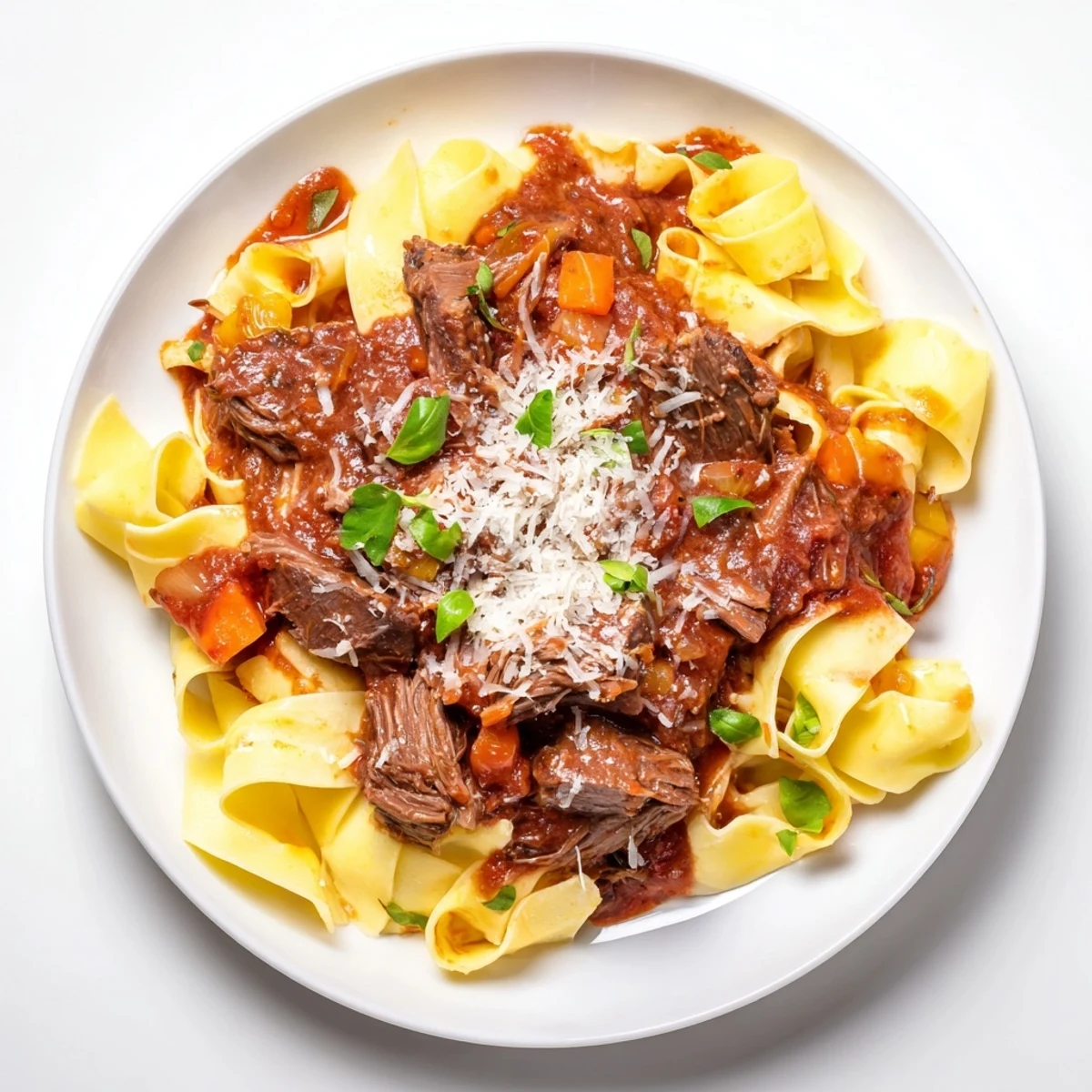
Save Years later, I made this ragu for new friends who'd just moved in next door. As they sat at my table twirling pasta, they went quiet for a moment, and I saw what my Sunday afternoon kitchen had given me: a dish that transcends calories and ingredients and becomes something that connects people. That's when I knew this recipe would be in my life forever.
Keeping It Fresh
This ragu is actually better the next day. The flavors settle and deepen overnight in the refrigerator, so if you can make it ahead, you absolutely should. It keeps beautifully for up to three days in the fridge, and freezes wonderfully for up to two months. When you freeze it, don't cook the pasta yet. Thaw the ragu in the refrigerator overnight, warm it gently on the stove, and cook fresh pasta to serve with it.
Swaps and Substitutions
While pappardelle is traditional, this ragu plays well with other wide ribbons. Tagliatelle and fettuccine are both gorgeous vehicles for this sauce. If you're avoiding fresh pasta, dried works too, though fresh has a silkier texture. Some people add a splash of cream at the very end, stirring it in just before serving. It's not traditional but it's not wrong either if that's what speaks to you. Ground beef works if that's what you have, though it won't have quite the same texture. A combination of beef and ground pork, a trick from Bologna, adds even more complexity.
Serving Ideas That Clicked
Beyond the obvious bowl of pasta, this ragu has other lives. Spoon it over soft polenta for a cozy dinner. Use it as a filling for lasagna. Serve it alongside creamy mashed potatoes, which sounds wrong until you try it and discover it's completely right. It's even stunning on a simple bruschetta topped with cheese if you want to get creative. The point is, once you have this sauce in your kitchen, you'll find yourself reaching for it in unexpected ways.
- A chilled dollop mixed into ricotta makes a stunning dip for vegetables and bread
- Leftover ragu stirred into scrambled eggs the morning after tastes more luxurious than it has any right to
- If it thickens too much when reheating, a splash of water or stock brings it back to life
 Save
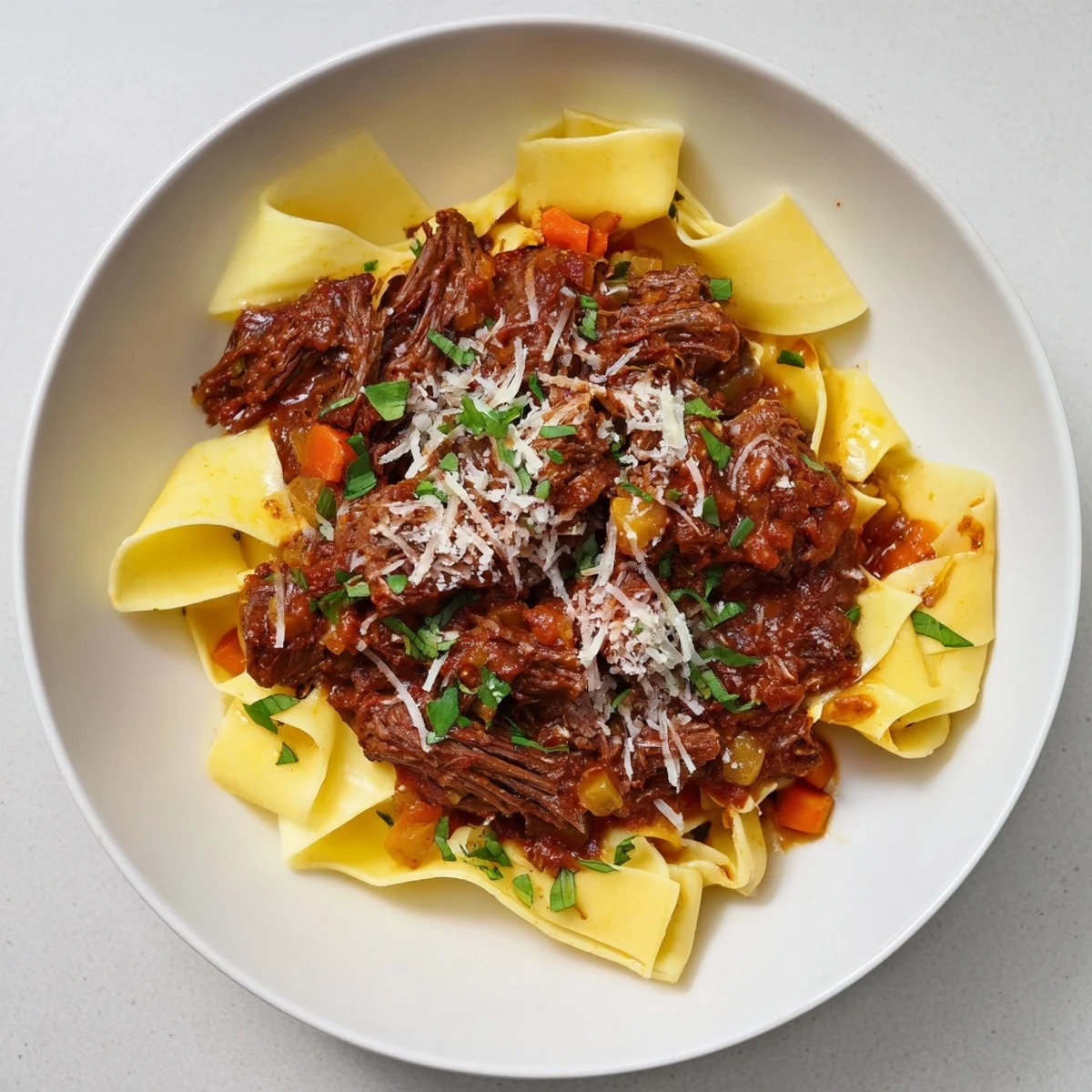
Save Make this ragu and you'll understand why it's endured for generations. It's patient, forgiving, and tastes like someone spent hours thinking about you while cooking.
Recipe FAQ
- → How do I make the beef tender?
-
Slow simmering the beef chunks over low heat for several hours breaks down connective tissues, resulting in tender, flavorful meat.
- → Can I substitute pappardelle with other pasta types?
-
Yes, wide pasta such as tagliatelle or fettuccine work well, as they hold the rich sauce effectively.
- → What can I do if the sauce is too thick?
-
Add reserved pasta cooking water gradually until you reach the desired consistency for a smooth, silky sauce.
- → Is red wine essential in the sauce?
-
Red wine adds depth and richness, but you can substitute with extra beef stock if preferred.
- → How should leftovers be stored?
-
Refrigerate leftovers in an airtight container for up to three days or freeze for up to two months while maintaining flavor and texture.