
 Save
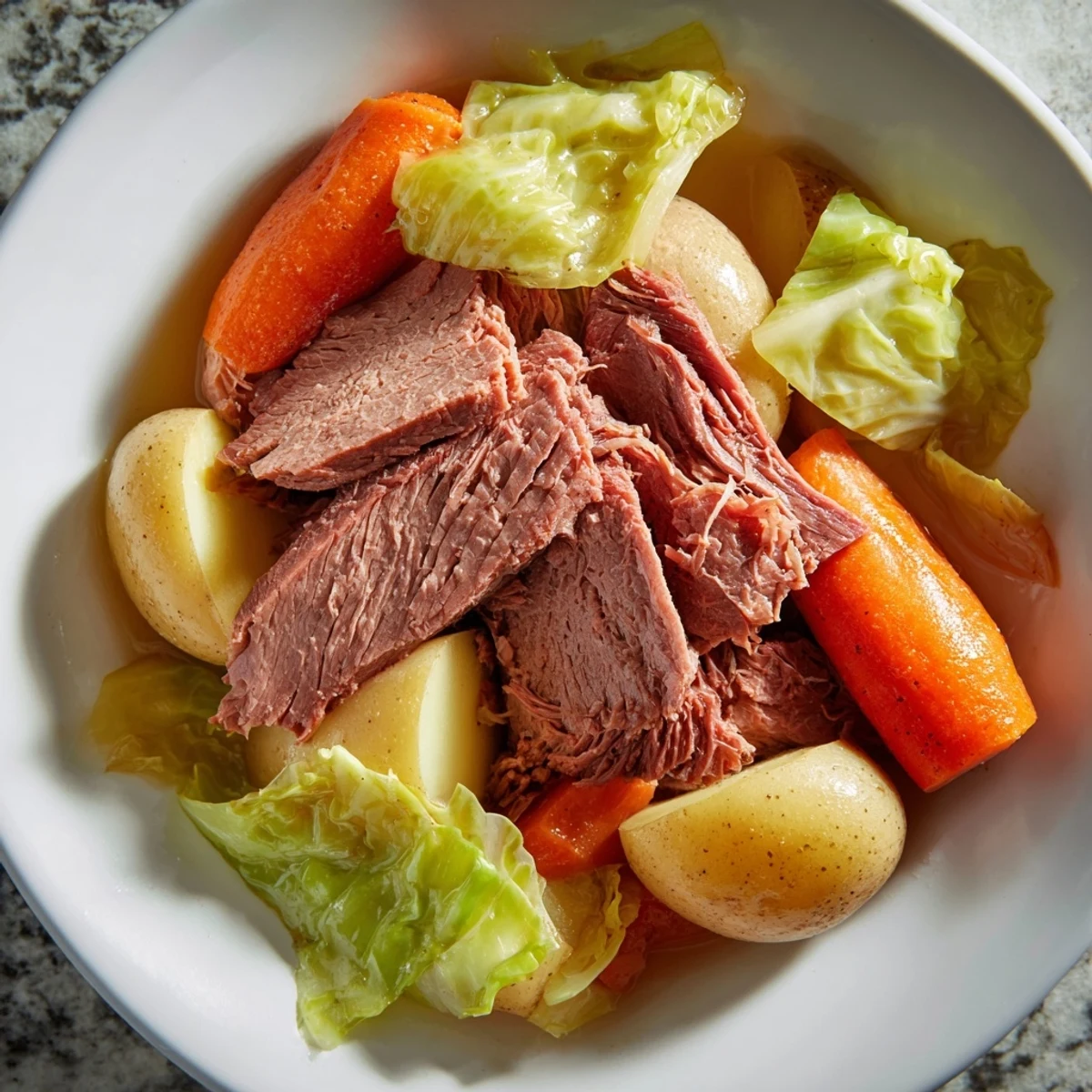
Save This comforting dish features tender brisket slowly simmered alongside hearty potatoes, sweet carrots, and fresh cabbage. The slow cooking process allows the meat to become flavorful and juicy, while the vegetables soften and absorb the rich cooking liquid. Perfect for family meals, this dish balances savory meat and garden-fresh vegetables, served with a touch of seasoning like bay leaves and peppercorns to enhance depth. Leftover slices can be repurposed for sandwiches or hashes, offering versatile and satisfying options.
The first time I smelled corned beef simmering for three hours, I was convinced my neighbor had started a restaurant in her kitchen. She had not. She had simply committed to the kind of slow cooking that fills an entire apartment building with envy. That afternoon, I knocked on her door with a bottle of wine and left with a folded paper towel of brisket samples and a handwritten recipe that changed my St. Patrick's Day forever.
I made this for my brother after he moved into his first apartment with a stove that only half worked. The pot barely fit on his tiny burner, and we had to rotate it every twenty minutes like we were tending a campfire. He still talks about that dinner more than any restaurant meal we've shared since.
Ingredients
- Corned beef brisket with spice packet: The brine does the heavy lifting of flavor development over days. Rinse it well or your broth will taste like seawater.
- Green cabbage cut into wedges: Keep the core intact so the leaves stay together during simmering. Nothing sadder than cabbage confetti at the bottom of a pot.
- Yukon Gold potatoes peeled and halved: Their waxy texture holds shape better than russets. I learned this after serving mashed potato soup one unfortunate year.
- Large carrots in chunks: Cut them thick or they dissolve into orange ghosts before the cabbage is ready.
- Yellow onion quartered and garlic smashed: These melt into the broth and create the aromatic foundation. Smashing garlic releases more oils than chopping.
- Water and optional beef broth: Broth adds depth but plain water lets the beef speak for itself. I split the difference when feeling extravagant.
- Bay leaves and peppercorns: The quiet background notes that separate home cooking from something memorable. Do not skip the bay leaves.
- Whole mustard seeds: Optional but they pop with gentle heat and add visual interest. Your guests will ask what the tiny yellow spheres are.
Instructions
- Rinse and submerge:
- Run cold water over the brisket until it no longer feels slick with brine. Place it in your largest pot and add water to cover by two inches. The beef should look relaxed, not crowded.
- Build the broth:
- Add the spice packet contents, bay leaves, peppercorns, mustard seeds, garlic, and onion. Bring to a vigorous boil then immediately drop to the lowest simmer. Skim the gray foam that surfaces during the first ten minutes. This is not optional.
- The long wait:
- Cover and simmer for two and a half hours. Check tenderness by piercing with a fork. It should slide in with gentle resistance. If the meat fights back, give it twenty more minutes.
- Root vegetables first:
- Add potatoes and carrots around the beef. They need a head start on the cabbage. Push them into the liquid without submerging the meat completely.
- Cabbage finale:
- Nestle cabbage wedges into whatever liquid space remains. Cover and simmer until a knife passes through the thickest part of a potato without effort. The cabbage will be silky and pale green.
- Rest and slice:
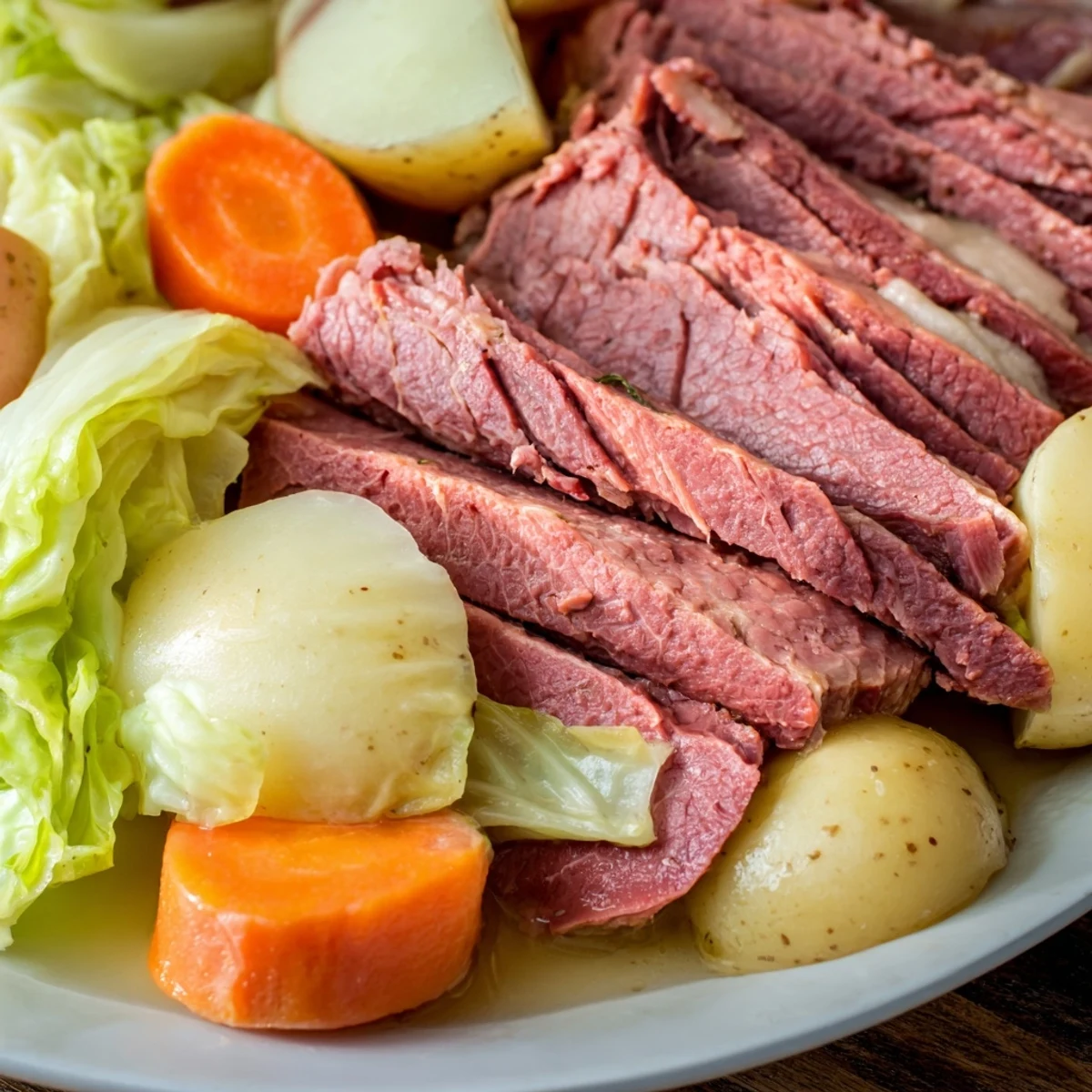
- Transfer the brisket to a cutting board and wait ten minutes. Slice across the grain in thin ribbons. Cutting with the grain produces chewy ropes instead of tender bites.
- Serve with pride:
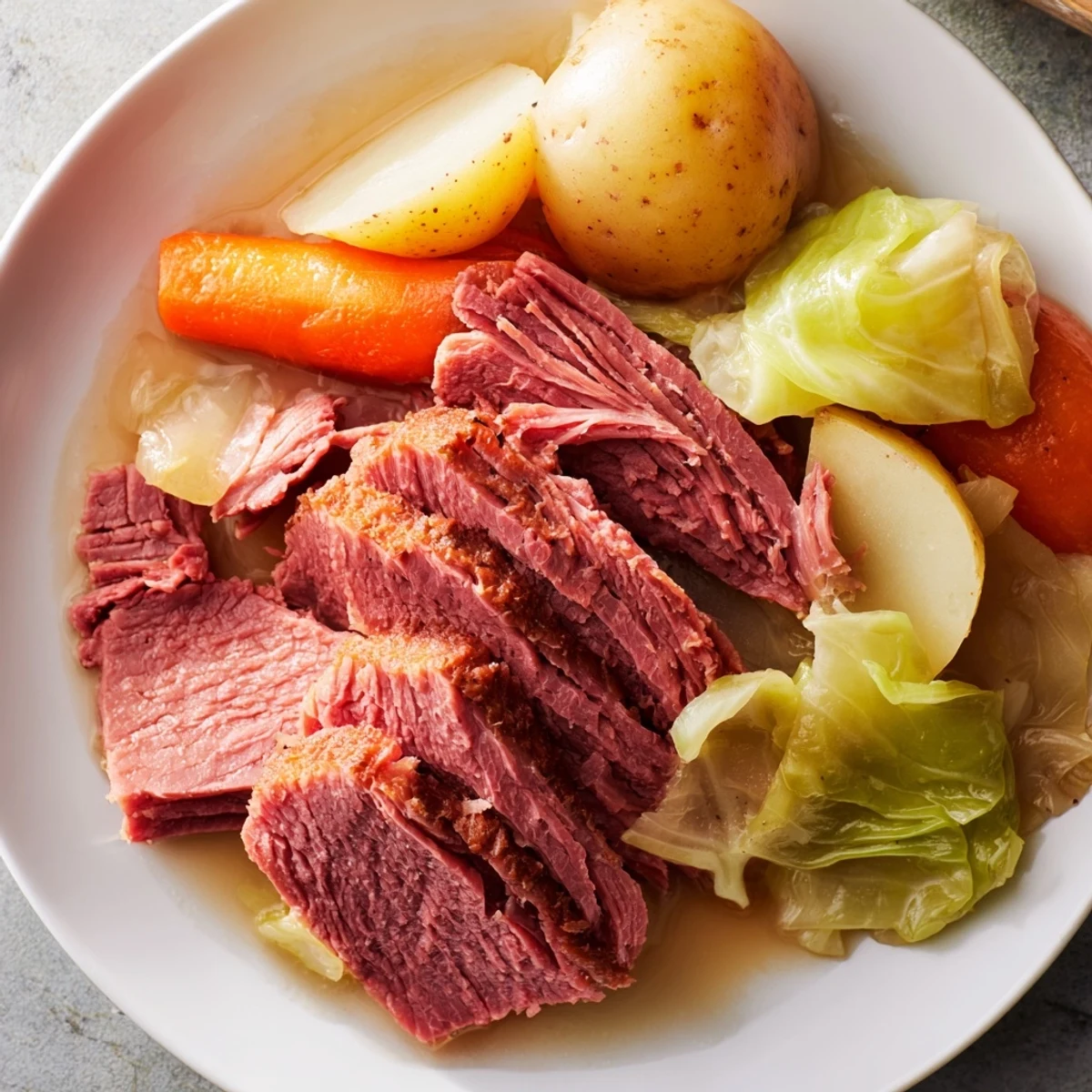
- Arrange meat and vegetables on a warmed platter. Ladle a small amount of cooking liquid over everything. The broth carries concentrated flavor that plain meat lacks.
 Save
Save My father never liked corned beef until I made this for his seventieth birthday. He had only known the dried-out version from his childhood cafeteria. Watching him go back for thirds, then ask for the recipe in his engineering notebook, remains one of my favorite cooking victories.
What to Do With Tomorrow
The leftovers improve overnight as the flavors continue their slow negotiation in the refrigerator. I chop everything into rough cubes the next morning and fry it in butter until the edges crisp. A fried egg on top converts dinner into breakfast that feels intentional rather than desperate.
The Condiment Question
Grainy mustard is traditional for a reason. The sharpness cuts through the fat and the whole seeds provide textural contrast. Horseradish sauce works for those who enjoy sinus-clearing heat. I keep both on the table and let guests choose their own adventure.
When Things Go Sideways
If your cabbage disintegrates, you simmered too long or cut the wedges too small. If the beef is tough, it needed more time despite what the clock said. If the broth tastes flat, a splash of vinegar at the table wakes everything up.
- Save the cooking liquid for soup base. It freezes beautifully in measured portions.
- Slice leftover brisket thin against the grain for sandwiches that rival any deli.
- The vegetables rarely survive as leftovers. Plan your portions accordingly.
 Save
Save Some recipes demand precision and hovering attention. This one rewards patience and a good book to read nearby. The result tastes like tradition because it is.
Recipe FAQ
- → How long should brisket simmer for tenderness?
-
Simmer the brisket gently for around 2.5 hours until it becomes fork-tender and easy to slice.
- → What vegetables pair well with corned beef brisket?
-
Cabbage, Yukon Gold potatoes, and carrots complement the meat by adding texture and sweetness during cooking.
- → Can broth enhance the flavor of this dish?
-
Adding a cup of beef broth to the cooking liquid enriches the depth and richness of the final flavors.
- → What is the best way to slice brisket after cooking?
-
Let the brisket rest for 10 minutes then slice across the grain for tender, easy-to-chew pieces.
- → How to handle excess saltiness in corned beef?
-
Rinse the brisket under cold water before cooking to reduce excess salt from the curing process.
- → What serving suggestions suit this dish?
-
Serve with grainy mustard or horseradish sauce to add a spicy contrast to the rich meat and vegetables.