
 Save
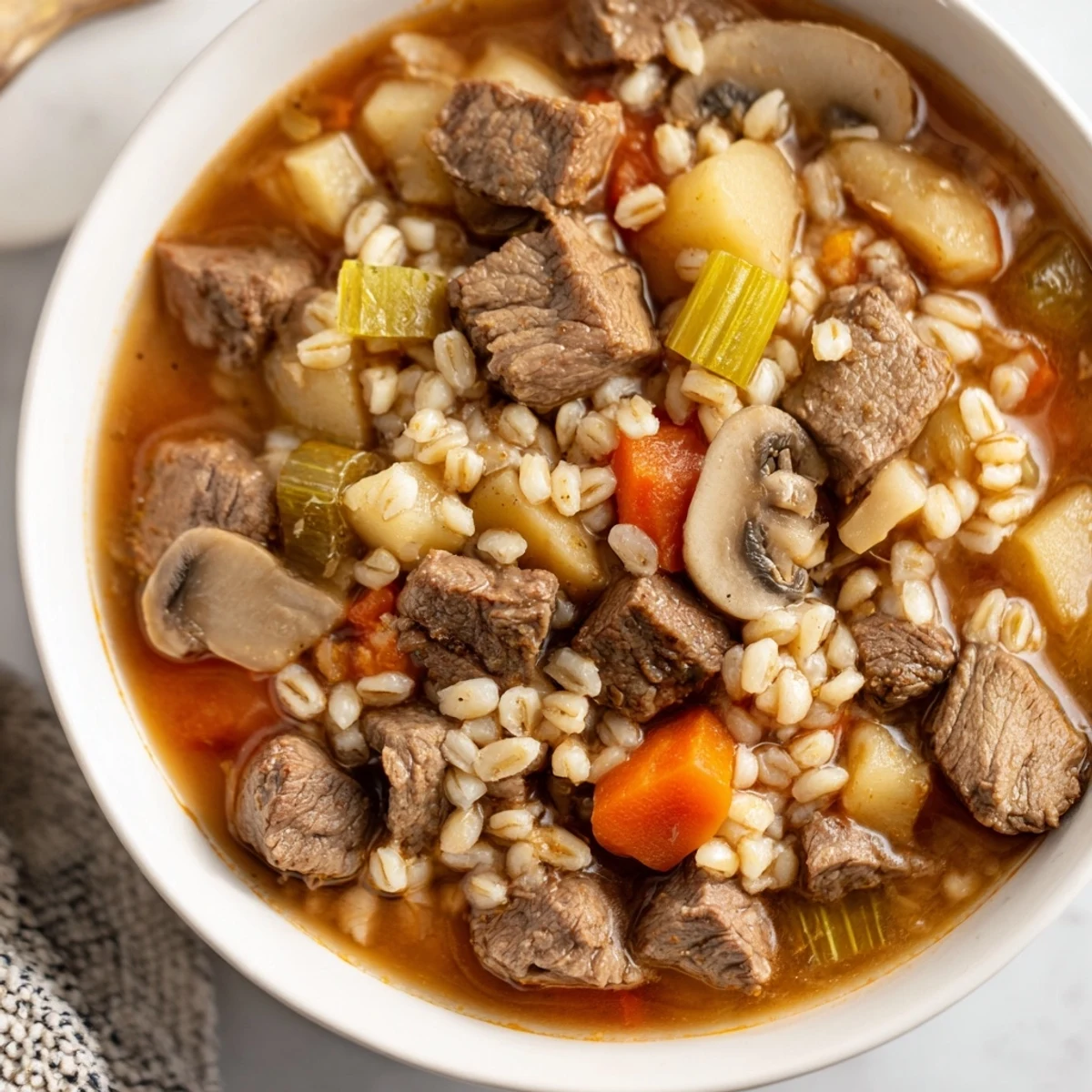
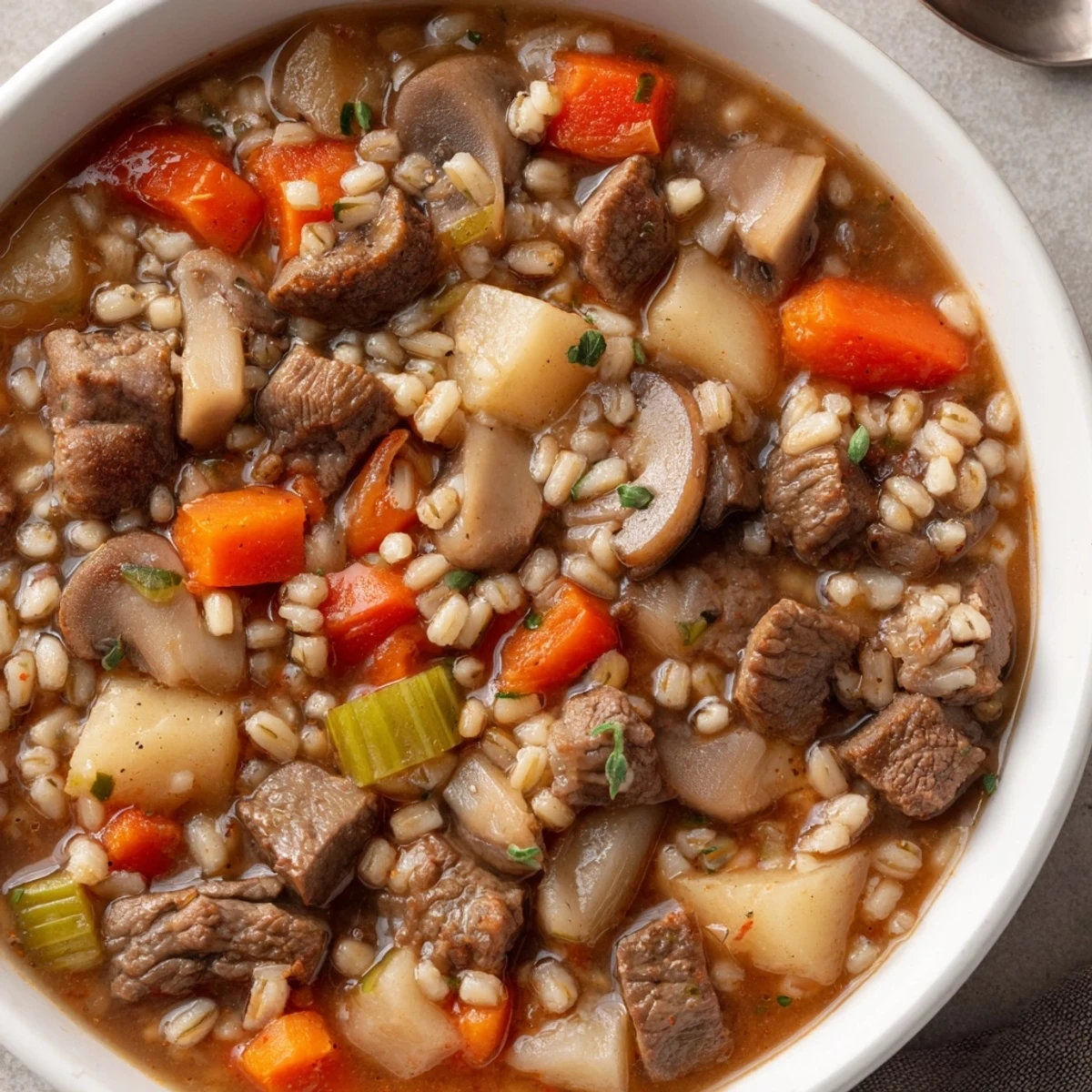
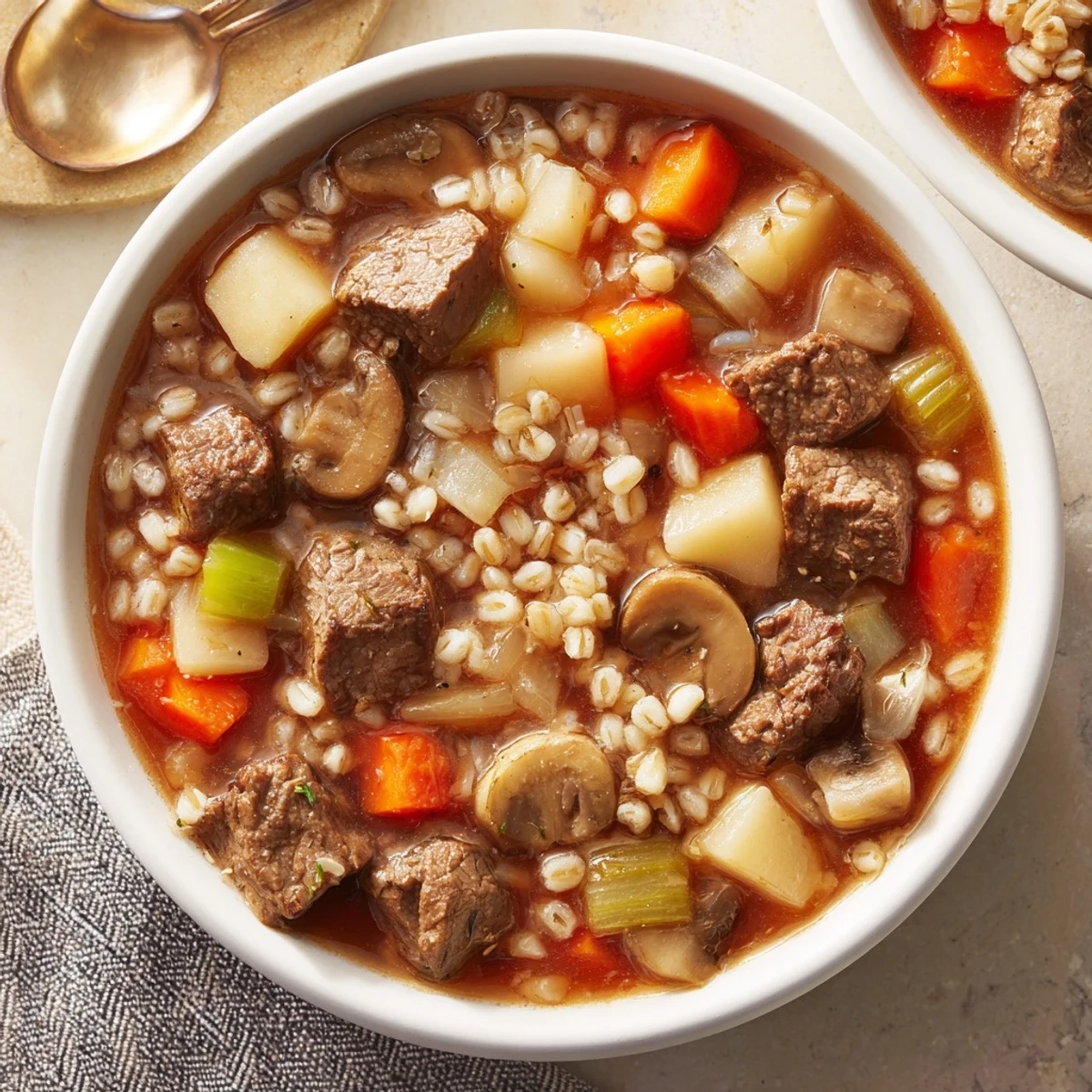
Save This savory beef and barley dish offers a warming combination of tender beef cubes, pearl barley, and a variety of vegetables simmered in a rich beef broth. Aromatic herbs like thyme and parsley enhance the depth of flavor while the slow simmering tenderizes the ingredients and blends the flavors perfectly. Ideal for chilly days, this comforting main uses simple techniques such as browning the beef and sautéing aromatic vegetables to develop richness. It’s a satisfying meal that balances protein, grains, and vegetables in every spoonful.
There's something about a bowl of beef and barley soup that transports me back to my grandmother's kitchen on cold October afternoons. She'd have this simmering on the stove for hours, filling the entire house with the most incredible aroma of beef, herbs, and earth. I never understood why she insisted on browning the meat first until I made this soup myself and realized that golden crust was where all the magic lived.
I remember the first time I tried making this without browning the beef properly. The soup was fine, sure, but it was missing that deep, savory richness that made it sing. The moment I learned to take those extra minutes for proper browning, everything changed. Now that caramelized beef is non-negotiable in my kitchen.
Ingredients
- Beef stew meat (1 lb), cut into 1/2-inch cubes: The smaller pieces cook faster and get tender throughout. Look for meat with some marbling—it keeps everything juicy during that long simmer.
- Pearl barley (3/4 cup), rinsed: This is the unsung hero. Rinsing removes the starch that would make your broth cloudy, and the barley absorbs all the broth flavors while staying perfectly chewy.
- Olive oil (2 tablespoons): Just enough for browning the meat without turning your soup greasy.
- Onion, carrots, celery (1 large, 2 medium, 2 stalks): This is the holy trinity that forms the flavor foundation. Don't skip the dicing step—pieces around 1/2-inch work best so they soften at the same rate as everything else.
- Garlic (2 cloves), minced: Added after the softer vegetables so it won't burn and turn bitter. You want that sweet, mellowed garlic flavor.
- Potato (1 russet), peeled and diced: Adds body to the broth and becomes creamy as it breaks down slightly during cooking.
- Mushrooms (1 cup), sliced: These add umami depth that makes people ask for the recipe. The longer they cook, the more they contribute to the broth's richness.
- Diced tomatoes (1 can, 14.5 oz), undrained: The acid brightens everything and balances the richness of the beef. Always use the juice.
- Beef broth (8 cups): Low-sodium is essential so you control the salt. Homemade is wonderful if you have it, but quality store-bought works beautifully.
- Water (2 cups): Keeps the broth from becoming one-dimensional by allowing you to season it yourself.
- Bay leaves (2), dried thyme (1 teaspoon), dried parsley (1 teaspoon): Classic aromatics that have been making soups taste this way for generations.
- Black pepper and salt, to taste: Always adjust at the end when everything has melded together.
Instructions
- Get Everything Ready:
- Pat your beef cubes dry with a paper towel. This matters more than you'd think—moisture prevents browning, and we want that beautiful golden crust. Have your vegetables prepped and within arm's reach because once you start, things move quickly.
- The Part Where Magic Happens (Browning the Beef):
- Heat your Dutch oven over medium-high heat until it's genuinely hot. You should hear a sizzle the moment the beef hits the oil. Work in batches if needed so pieces aren't crowded—crowding means steam instead of browning. Don't move them around constantly. Let them sit and develop that gorgeous crust for a good minute or two on each side. You're building flavor here. The whole process takes about 5-7 minutes. When the beef is browned all over, transfer it to a plate.
- Building the Base Flavors:
- In that same pot with all those wonderful browned bits stuck to the bottom, add your onions, carrots, celery, and mushrooms. Stir them around in the remaining oil and let them soften for about 5 minutes. You're listening for them to start becoming tender and the kitchen to smell like comfort. Then add that minced garlic and give it a full minute—just until you can smell its sweet, pungent aroma.
- Bringing It All Together:
- Return your browned beef to the pot. Now add everything else—the tomatoes with their juice, the broth, water, barley, potato, and all your herbs and spices. Give it a good stir so the barley doesn't clump and everything is evenly distributed. You're about to coax all these individual ingredients into becoming one cohesive, delicious whole.
- The Long Simmer:
- Bring the soup to a rolling boil, then reduce the heat to low and cover it. This is where patience becomes your best ingredient. For the first hour, let it bubble gently beneath the lid. The barley will start to absorb the broth and soften, the beef will become fork-tender, and all the vegetables will mellow into the background while somehow still tasting like themselves. Stir it once or twice so nothing sticks to the bottom.
- The Final Stretch:
- After an hour, remove the lid and let it simmer uncovered for another 20-30 minutes. This is when the soup thickens slightly as starches release and the liquid reduces. The barley should be tender now—no more hard center. The beef should pull apart with barely any pressure from your spoon. Taste it. Add more salt or pepper if it needs it. Remove those bay leaves—they've given everything they have.
- Serving This Love in a Bowl:
- Ladle it into bowls and if you have fresh parsley, scatter some on top. The heat will freshen its flavor and add a bright green moment to your deep, earthy soup.
 Save
Save This soup became my go-to when I was learning to cook. It taught me that good food doesn't require complexity—just respect for ingredients, patience, and the willingness to brown your meat properly. Every time I make it, I'm reminded that some of the most comforting dishes in the world are also some of the simplest.
Keeping It Fresh
This soup is a gift because it improves with time. Make it on Sunday and you'll be tasting something even better by Wednesday. Store it in an airtight container in the refrigerator for up to four days, and the flavors will deepen as everything continues to meld. The barley will absorb more broth each day, making it heartier and even more substantial. If you want to freeze portions for those nights when cooking feels impossible, cool the soup completely first, then transfer to freezer containers or bags, leaving a bit of headspace since soup expands slightly when frozen. It'll keep for up to three months.
Building Your Own Variations
The beauty of this soup is that it welcomes your input and your pantry. If red wine is something you enjoy cooking with, deglaze the pot with 1/4 cup after browning the beef and let it simmer down before adding the broth—it adds a wine-dark richness that feels elegant without being fussy. Not a beef person? Substitute chicken or vegetable broth for something lighter and brighter. In the last 10 minutes of cooking, you can stir in chopped kale or spinach if you want to add greens and iron without changing the essential character of the soup. Some versions add a splash of apple cider vinegar at the very end for brightness. Your kitchen isn't trying to replicate someone else's kitchen—make it taste like home to you.
A Note on Preparation
The prep work here is genuinely quick despite the ingredient list. Everything you need is a sharp chef's knife, a cutting board, and about 15 minutes to get vegetables into pieces. The actual cooking is mostly passive—you're just letting time and heat do the work. This is the kind of meal you start in the afternoon and have ready by evening, with minimal fuss. It's also the kind of meal that transforms a weeknight into something worth remembering.
- If you're short on time, pre-cut your vegetables the morning before and store them in the refrigerator. The soup will still be extraordinary.
- A Dutch oven distributes heat evenly and handles both the browning and the long simmer beautifully, but any heavy-bottomed pot works fine.
- Check the broth label for sodium if you're watching your intake—some commercial broths are quite salty, and it's easier to add salt than to remove it.
 Save
Save This soup is what I make when I want to feel grounded, when I want to feed people something that says I care, or when I simply need a bowl of warmth. It never fails.
Recipe FAQ
- → What type of beef is best for this dish?
-
Beef stew meat cut into small cubes works best, as it becomes tender during slow simmering and releases rich flavor into the broth.
- → How should the barley be prepared before cooking?
-
Rinse pearl barley thoroughly under cold water to remove any impurities before adding it to the soup for even cooking and better texture.
- → Can I substitute the vegetables without affecting the flavor?
-
Yes, vegetables like kale or spinach can be added in the last 10 minutes to introduce fresh greens, while keeping the original flavor profile intact.
- → What’s the purpose of browning the beef first?
-
Browning beef cubes caramelizes their surface, enhancing the soup’s depth of flavor and contributing to a richer broth.
- → How can I adjust the seasoning to suit my taste?
-
Season with salt, pepper, and herbs like thyme and parsley gradually during cooking, tasting frequently to achieve the perfect balance.