
 Save
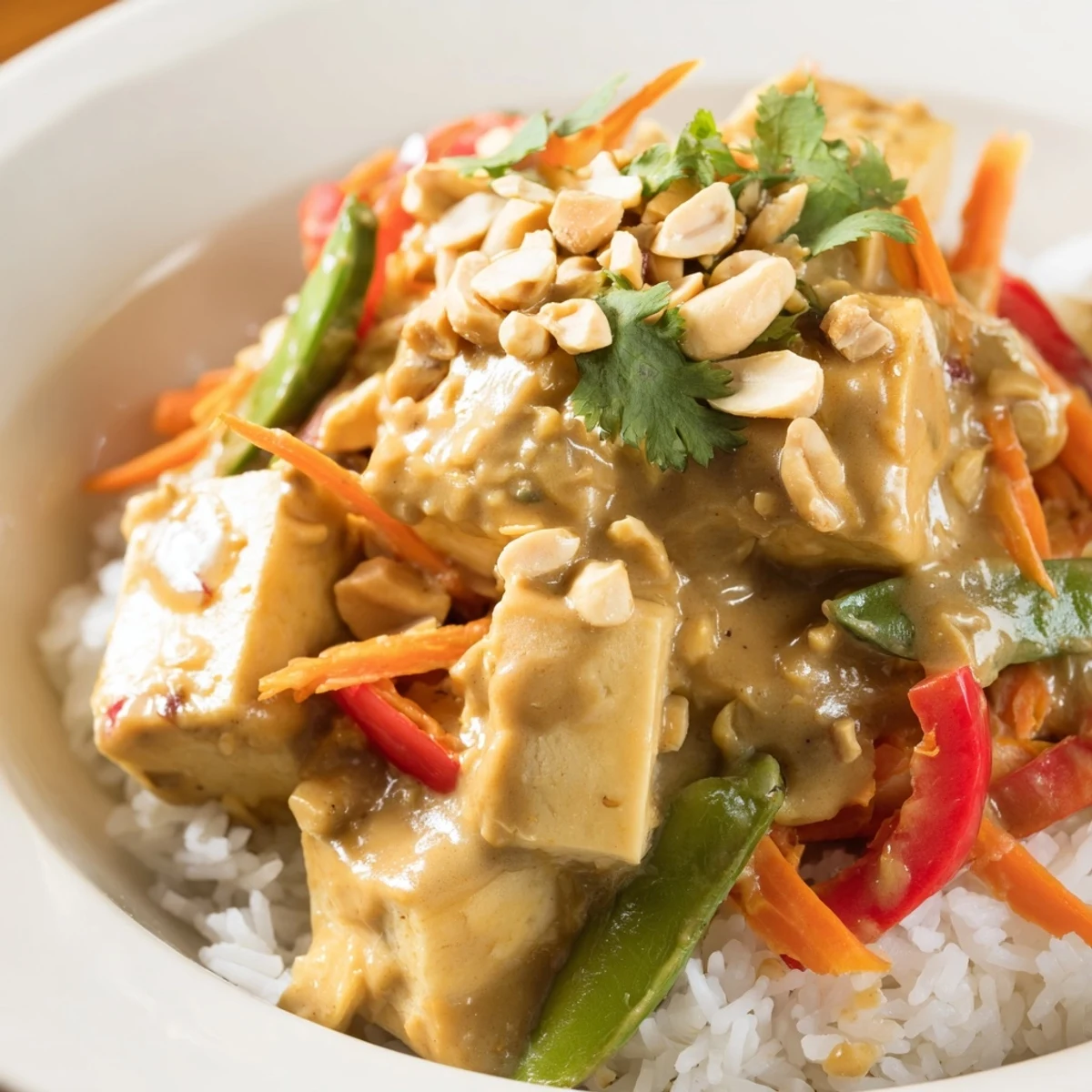
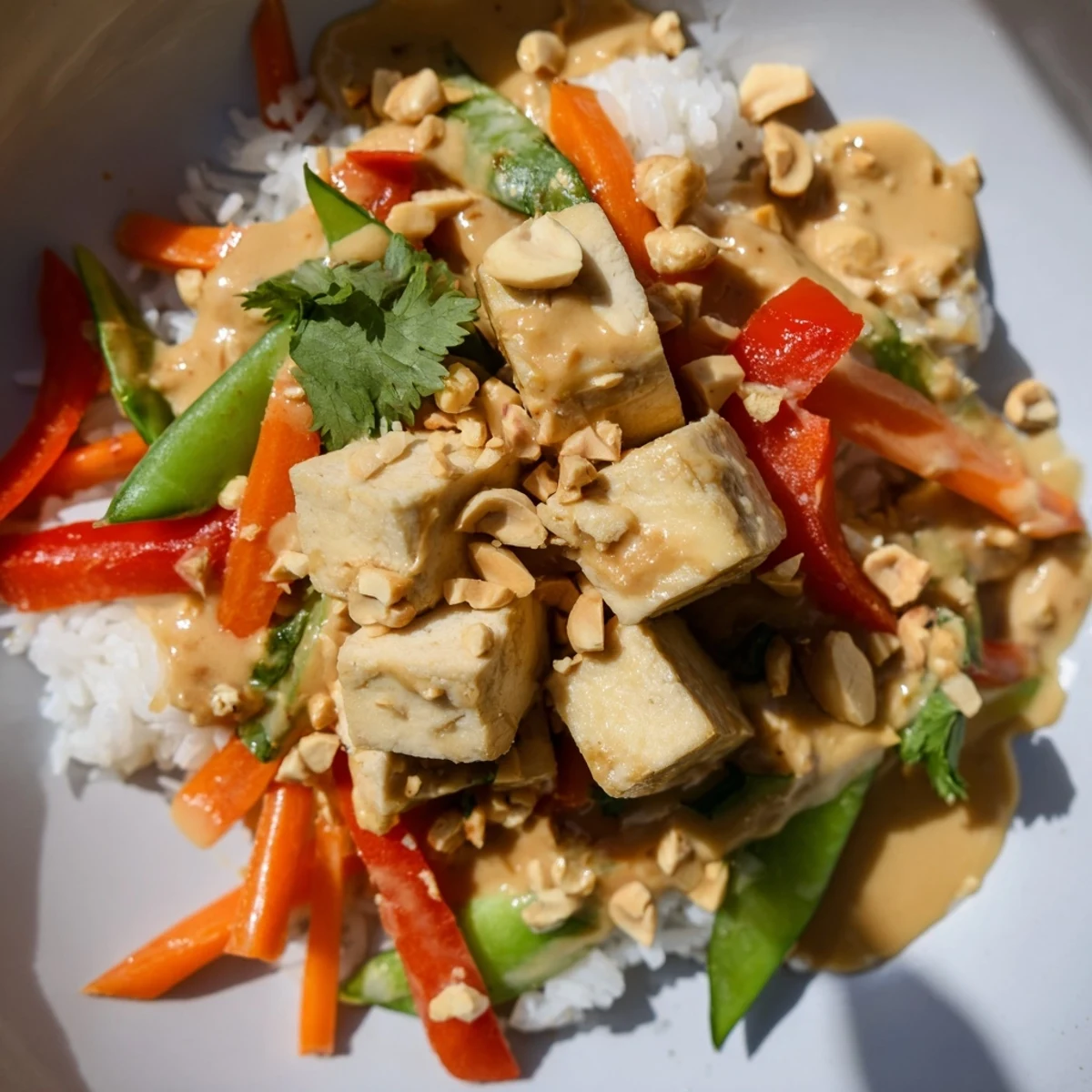
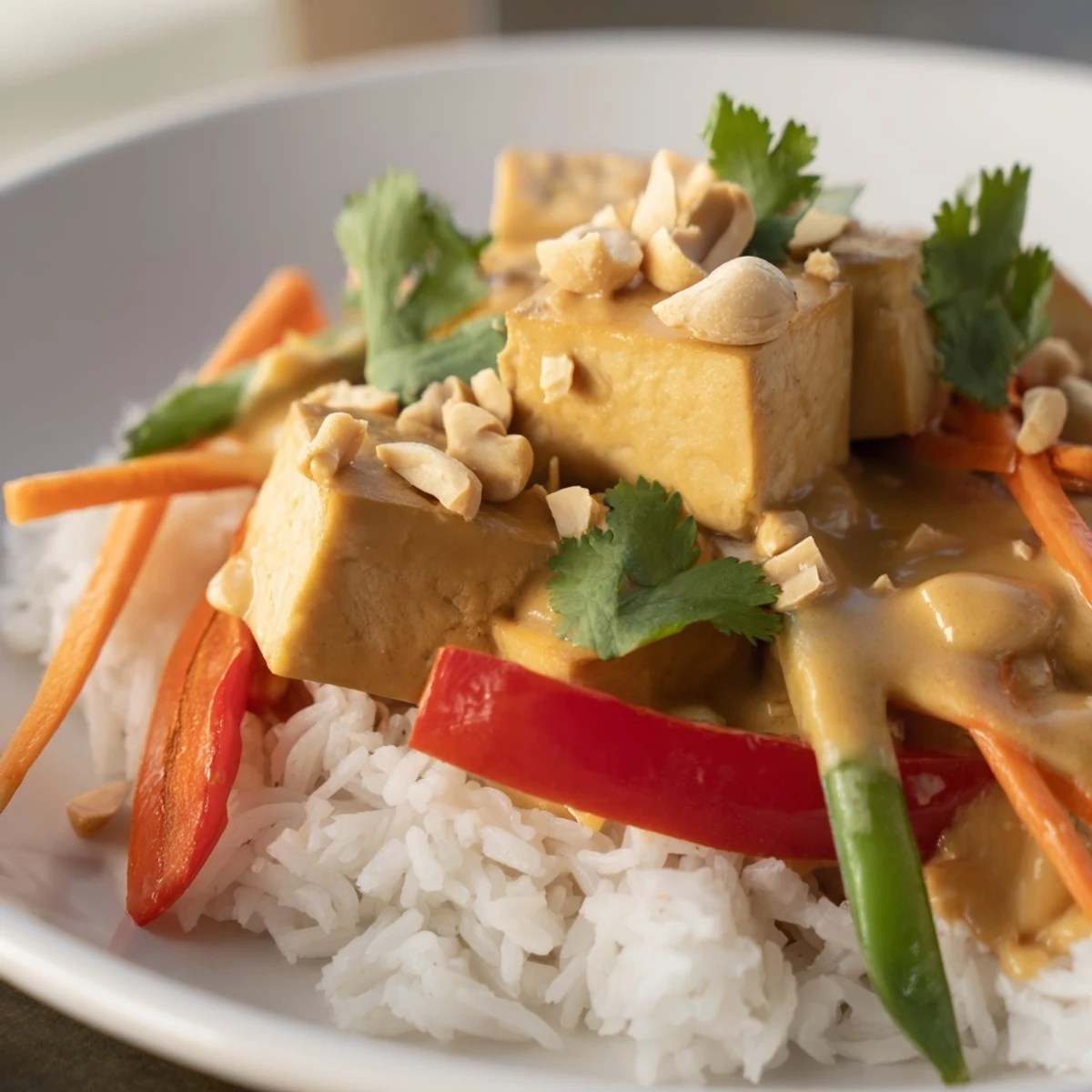
Save This plant-based dish features extra-firm tofu coated in cornstarch and pan-fried till golden and crispy. It's combined with a medley of vibrant bell peppers, snap peas, carrots, and broccoli, then tossed in a creamy peanut sauce blending peanut butter, soy sauce, maple syrup, and fresh ginger. Served over steamed jasmine or brown rice and garnished with roasted peanuts, cilantro, and lime wedges, it delivers a satisfying balance of textures and bold flavors. Ideal for quick weeknight meals.
I discovered this stir fry on a Tuesday night when I had tofu in the fridge and absolutely nothing else appealing to eat. The trick of coating it in cornstarch came from watching someone cook in a tiny apartment kitchen, and suddenly my tofu turned golden instead of sad and rubbery. That one detail changed everything about how I cook with tofu now.
I made this for my roommate who claimed to hate tofu, and watching her ask for seconds was deeply satisfying. The peanut sauce did all the heavy lifting, but honestly, the crispy exterior of the tofu was what actually convinced her.
Ingredients
- Extra-firm tofu, pressed and cubed: Pressing matters more than you'd think—it's the difference between crispy and watery.
- Cornstarch: This is the secret. It creates that golden, slightly crispy coating that makes people ask what you did differently.
- Vegetable oil: Use enough so the tofu can actually crisp up, not just warm through.
- Red and yellow bell peppers: They add sweetness and color, but honestly, use whatever vegetables you have.
- Carrot, snap peas, broccoli: The vegetables should have some texture—don't overcook them into mush.
- Spring onions: A last-minute brightness that ties everything together.
- Creamy peanut butter: The foundation of a sauce that tastes rich without being heavy.
- Soy sauce or tamari: Tamari if you're cooking for someone avoiding gluten.
- Maple syrup: Just enough sweetness to balance the savory and salty notes.
- Rice vinegar: Adds tang without overpowering.
- Toasted sesame oil: A small amount goes a long way—don't skip this.
- Garlic and fresh ginger: Minced small so they dissolve into the sauce rather than bite.
- Jasmine or brown rice: A soft base for everything to sit on.
- Roasted peanuts and cilantro: Finish with these for texture and freshness.
Instructions
- Press your tofu like you mean it:
- Wrap the block in clean towels and set something heavy on top for at least 10 minutes. The drier it is, the crispier it gets.
- Coat and let it sit:
- Toss the cubed tofu with cornstarch in a bowl, making sure every piece gets a light, even coating. This is worth doing slowly.
- Crisp it up:
- Heat the oil until it shimmers, then add tofu cubes in a single layer. Let them sit for a minute or two before turning—patience here creates golden edges. Turn occasionally until all sides are golden and crispy, about 8–10 minutes total.
- Build flavor with vegetables:
- In the same pan, add peppers, carrots, snap peas, and broccoli. Stir fry quickly over high heat so they stay firm and bright, about 4–5 minutes. Add spring onions at the very end.
- Make the sauce smooth:
- Whisk peanut butter, soy sauce, maple syrup, rice vinegar, sesame oil, garlic, and ginger together. Add warm water a little at a time until it's pourable but still thick enough to coat.
- Bring it all together:
- Return the crispy tofu to the pan, pour the sauce over everything, and toss gently so every piece gets coated but your beautiful crispy tofu doesn't fall apart.
- Plate and finish:
- Spoon it over warm rice, then scatter peanuts and cilantro on top. Serve with lime wedges so people can brighten their own bowl.
 Save
Save The moment that made this dish stick with me happened when someone poured extra sauce over their rice and said it was better than the restaurant version. That's when I realized a homemade meal doesn't have to be complicated to feel special.
The Crispy Tofu Question
For years I thought tofu was a lost cause, that it was one of those foods people pretended to enjoy. Then I learned that tofu isn't the problem—the way it's cooked is. Cornstarch creates a barrier that traps moisture and lets the outside get genuinely crispy, almost like a tiny version of a good roasted vegetable. Medium-high heat is your friend here, and patience while it sits in the pan makes the difference between silky and sad.
Peanut Sauce Wisdom
The best peanut sauce I've ever made came from stop thinking of it as a condiment and start thinking of it as a bridge between the tofu and vegetables. Everything should taste like it belongs together. I learned that adding warm water instead of cold helps the ingredients blend smoothly, and doing it gradually prevents that thick, clumpy mess that happens when you rush it. Sesame oil is the secret that makes people ask what you did—use it even though it seems like a small detail.
Vegetables and Flexibility
This recipe works because the technique matters more than the exact vegetables. I've made it with zucchini in summer, mushrooms in fall, baby corn when I found it on sale, and it's been good every time. The goal is to keep some texture, so don't overcook them into submission—they should still have a slight firmness when they hit the pan with the sauce.
- Use seasonal vegetables so they're actually good and affordable.
- Cut everything roughly the same size so it cooks evenly.
- Stop cooking when things are tender but still bright, not soft and faded.
 Save
Save This is the kind of meal that feels fancy enough to cook for people but simple enough that you'll actually make it on a random Tuesday. Once you nail the tofu, you've basically got a technique that works for life.
Recipe FAQ
- → How do I get the tofu crispy?
-
Press the tofu to remove excess moisture and coat cubes evenly in cornstarch before frying in hot oil until golden on all sides.
- → Can I use other vegetables?
-
Yes, substitute seasonally available veggies like zucchini, mushrooms, or baby corn to suit your preference.
- → How can I adjust the peanut sauce consistency?
-
Add warm water gradually while whisking to achieve a smooth, pourable sauce texture.
- → Is this dish gluten-free?
-
Use tamari instead of regular soy sauce to keep it gluten-free and double-check all ingredient labels.
- → What can I add for extra heat?
-
Incorporate chili flakes or a dash of sriracha into the peanut sauce for a spicy kick.