
 Save
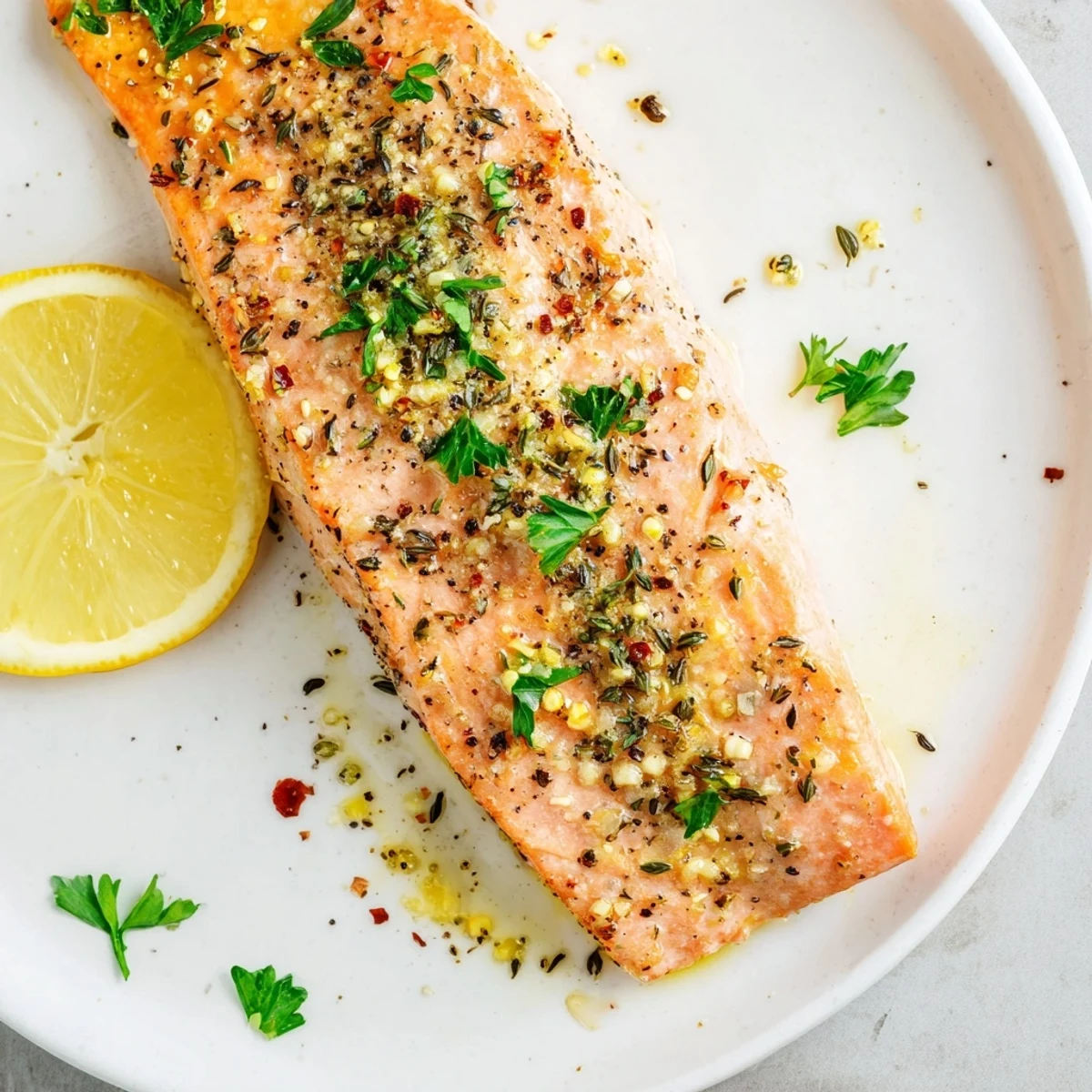
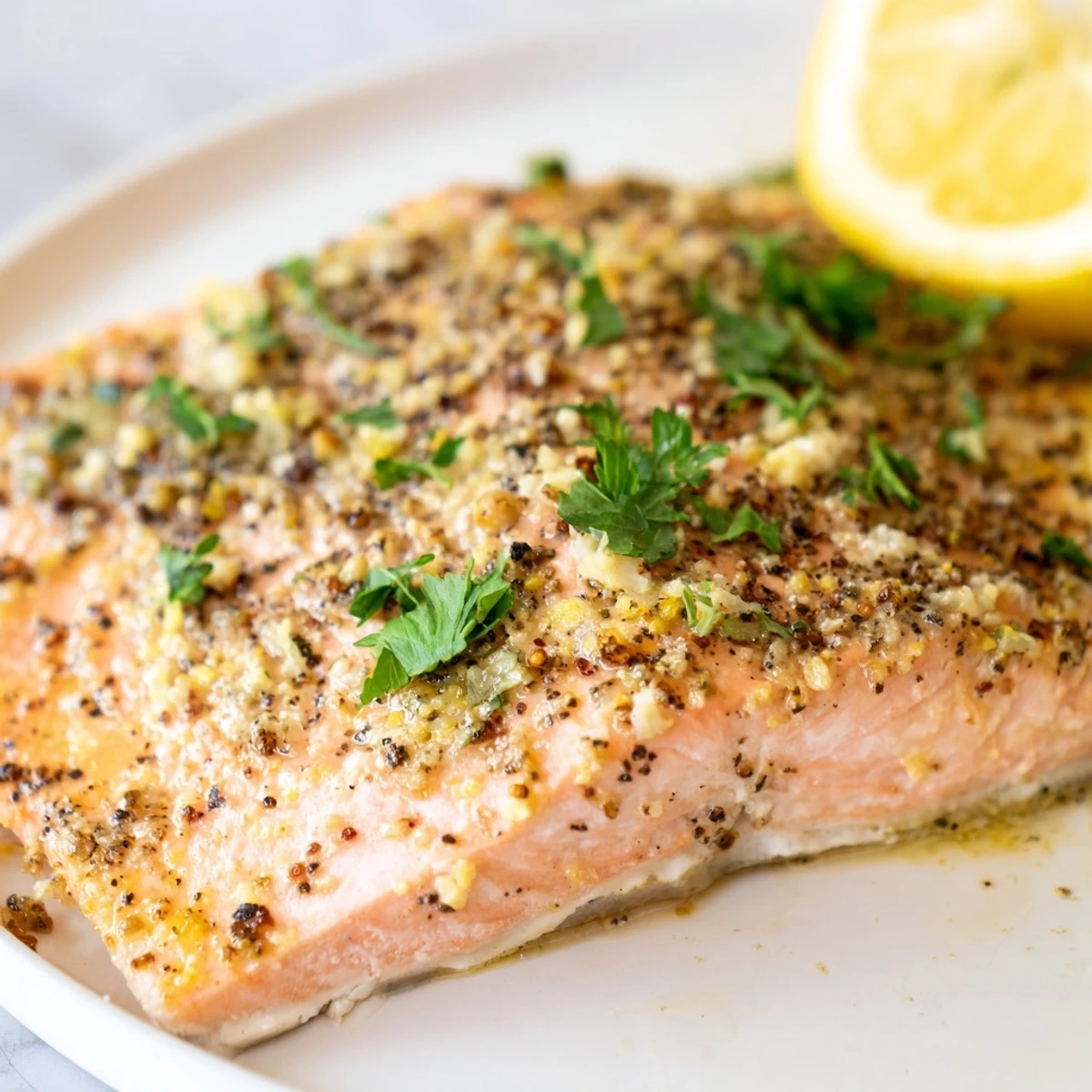
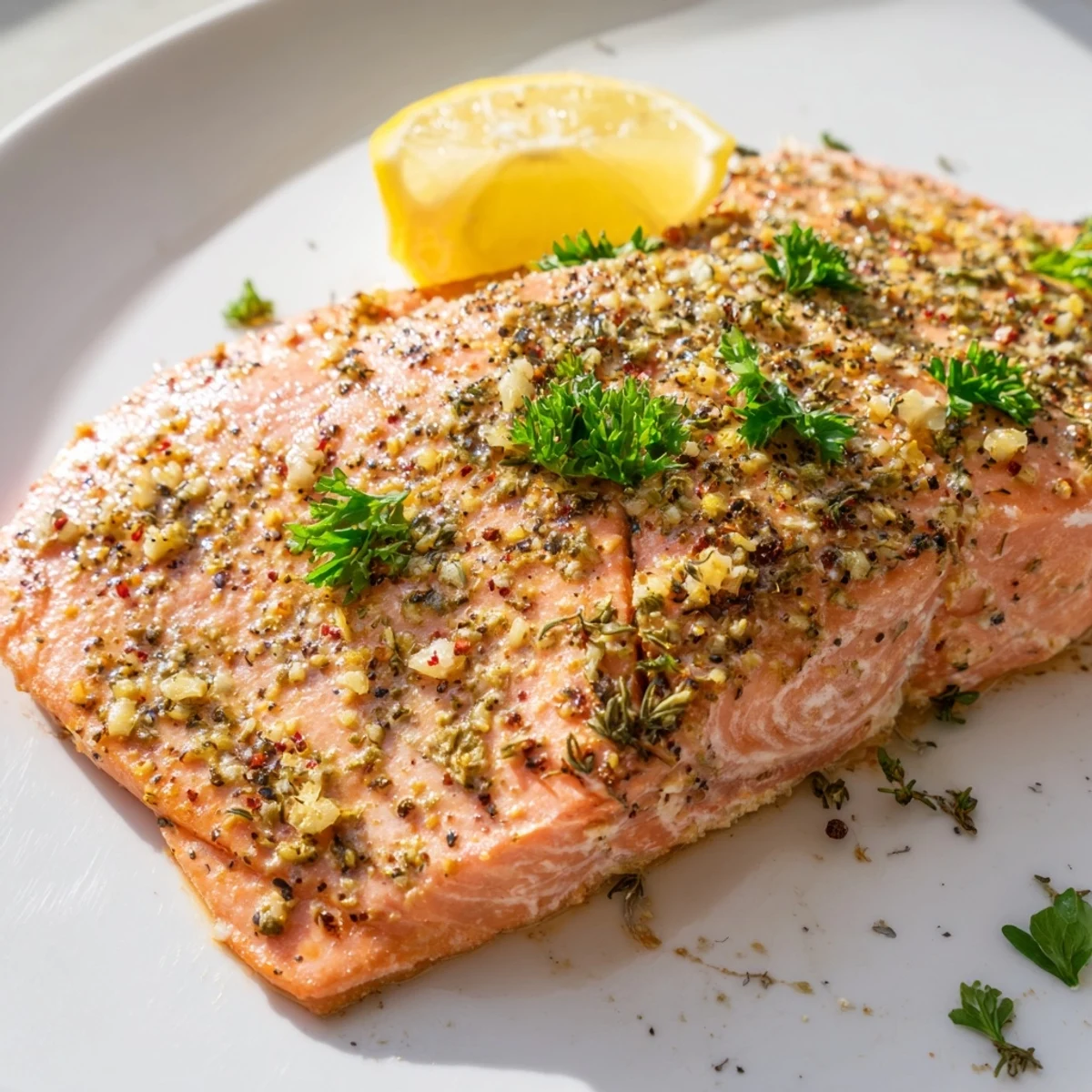
Save This dish features salmon fillets brushed with a vibrant lemon and black pepper mixture, then baked until tender and flaky. Fresh garlic and optional thyme add aromatic depth, while lemon wedges and parsley provide bright garnish notes. Ideal for a quick, wholesome meal, it pairs well with steamed vegetables or a fresh salad.
My mom called on a Tuesday evening asking if I could suggest something quick for dinner—she was tired, the kitchen felt chaotic, and she needed something that wouldn't keep her standing at the stove. I told her about this baked salmon, and three days later she texted that it had become her go-to when everything feels overwhelming. There's something quietly powerful about a dish that takes 25 minutes and somehow tastes like you've put in real effort.
I made this for my sister's birthday dinner last spring, and I remember her surprise when she realized I'd actually cooked something that tasted restaurant-quality without stressing myself into a panic. She kept asking what I'd done differently, and the honest answer was just good salmon, good lemon, and trusting the oven to do its job.
Ingredients
- Salmon fillets (4, about 6 oz each): Look for ones with even thickness so they cook uniformly; skin-on helps keep the flesh moist and gives you a crispy edge if you like that.
- Olive oil (2 tablespoons): Use something decent but not your fanciest bottle—it just needs to carry the lemon and garlic to the fish.
- Fresh lemon (zest and juice): This is non-negotiable; bottled juice tastes flat by comparison and changes the whole character of the dish.
- Freshly ground black pepper (1 teaspoon): Grind it yourself if you can; pre-ground loses its punch and this recipe lives on that peppery bite.
- Sea salt (1 teaspoon): Fleur de sel is lovely if you have it, but any good sea salt works just fine.
- Garlic (2 cloves, minced): Mince it small so it distributes evenly and gets slightly caramelized in the heat.
- Dried thyme (1 teaspoon, optional): I skip this sometimes and use fresh dill instead; thyme adds earthiness, dill adds brightness.
- Lemon wedges and fresh parsley (for serving): These aren't just garnish—they're there to squeeze and taste and remind you how simple good food can be.
Instructions
- Set your oven and pan:
- Preheat to 200°C (400°F) and line a baking sheet with parchment paper. This prevents sticking and makes cleanup feel like a gift to your future self.
- Build your marinade:
- Whisk together the olive oil, lemon zest, lemon juice, black pepper, salt, minced garlic, and thyme in a small bowl. The mixture should smell bright and alive—that's how you know it's right.
- Prepare the salmon:
- Pat the fillets dry with paper towels and lay them skin-side down on your prepared sheet. Dry salmon is the secret to them cooking evenly instead of steaming themselves.
- Coat generously:
- Brush the lemon-pepper mixture over the tops and sides of each fillet, making sure the garlic bits distribute themselves. Don't be shy—this is your flavor.
- Bake until just cooked:
- Slide into the oven for 12–15 minutes; the salmon should flake easily with a fork and reach an internal temperature of 63°C (145°F). The magic window is narrow, so start checking around minute 12.
- Plate and serve:
- Transfer to plates, add lemon wedges and a sprinkle of fresh parsley, and eat while it's still warm enough to feel like something just happened in your kitchen.
 Save
Save There was an evening last summer when I made this for my partner after a long week, and they looked at the plate and actually smiled—not a polite smile, but the kind where you can tell someone's entire nervous system just relaxed. That's when I realized this recipe isn't just about salmon; it's about giving yourself permission to make something good without making it complicated.
Why Salmon Bakes Better Than It Fries
Baking gives you control in a way frying doesn't. There's no splashing oil, no timing a pan, no guessing when the inside is cooked. You brush, you slide it in, you set a timer, and the oven does the work evenly all over. I used to pan-sear salmon constantly until I realized how much easier my life became when I just let the dry heat do its thing.
The Lemon Factor
Fresh lemon zest is where this dish whispers instead of shouts. It sits on top and gets slightly concentrated by the heat, giving you bursts of bright citrus in every bite without the acidity that bottled juice brings. The juice itself marinates the fish and keeps it from tasting dry, even if you accidentally overbake it by a minute.
Serving Suggestions and Last-Minute Thoughts
I serve this with steamed green beans and a simple salad on weeknights, and with roasted asparagus and rice when I want people to think I've spent all day cooking. The salmon's mild enough that it pairs with almost anything, but it shines brightest when you let it be the star.
- If you're nervous about overcooking, pull the salmon out at 12 minutes and let carryover heat finish the job.
- Leftover salmon is wonderful flaked into a grain bowl the next day with avocado and a squeeze of lime.
- Double the lemon-pepper mixture if you're feeding more than four; you can never have too much of it on the plate.
 Save
Save This recipe has become my answer to the question I hear all the time: how do you cook weeknight dinner without it feeling like a chore? The answer is choosing ingredients that are already good and just getting out of their way. Twenty-five minutes from now, you'll have something that tastes like you know what you're doing.
Recipe FAQ
- → What is the best cooking temperature for baking salmon?
-
Bake salmon at 200°C (400°F) to ensure even cooking and a tender, flaky texture.
- → Can I prepare the lemon pepper mixture ahead of time?
-
Yes, marinating the salmon in the lemon pepper blend for up to 30 minutes enhances the flavors.
- → Is it better to bake salmon skin-on or skinless?
-
Both work well, but baking skin-on helps retain moisture and adds a crispy texture if desired.
- → What alternatives can I use for thyme in this dish?
-
Fresh dill or basil make great substitutes, imparting different but complementary herbaceous notes.
- → How can I tell when the salmon is fully cooked?
-
The salmon should flake easily with a fork and reach an internal temperature of 63°C (145°F).