
 Save
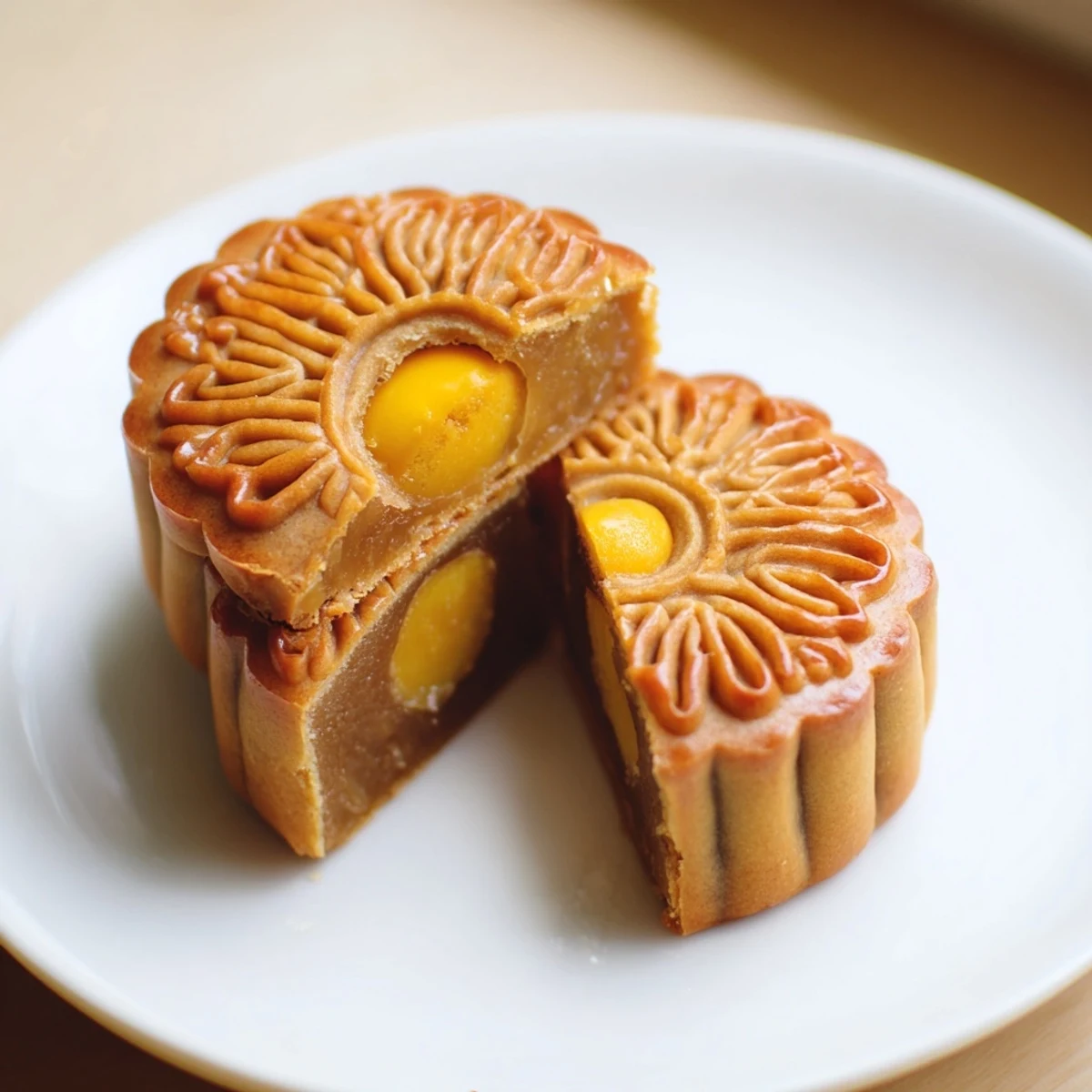
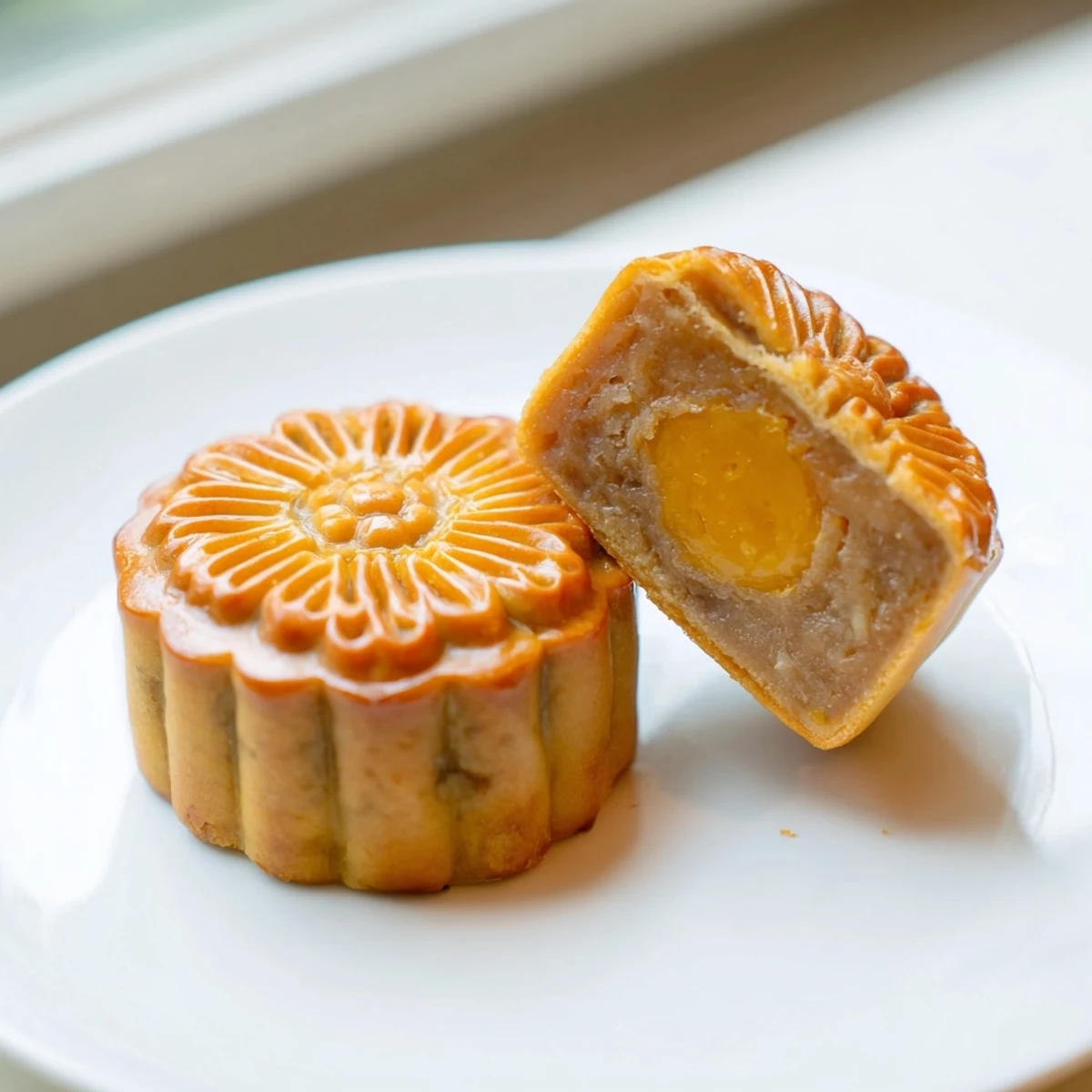
Save These handcrafted Chinese delicacies feature a tender, golden-skinned pastry enveloping rich lotus seed paste with optional salted egg yolk centers. The unique dough combines golden syrup with alkaline water for that characteristic mooncake texture and appearance. After shaping in traditional molds, a brief initial bake sets the structure before an egg wash glaze creates the signature glossy finish.
The process requires patience during dough resting periods and careful handling when wrapping the generous filling portions. While freshly baked mooncakes have a crisp exterior, allowing them to rest in an airtight container for 1-2 days transforms the texture, creating the prized soft, yielding skin that traditional connoisseurs expect.
The first time I attempted mooncakes, my kitchen smelled like golden syrup and anxiety. I had watched my grandmother press them into intricate molds year after year, making it look effortless. My first batch came out lopsided and the designs blurred, but my family ate them anyway, smiling through the dense, imperfect pastry. That evening taught me that mooncakes are less about perfection and more about the patience of wrapping something precious inside something small.
Last autumn, I made mooncakes with my neighbor who had never celebrated the Mid-Autumn Festival. We worked side by side, her hands tentative around the filling, mine more confident but still careful. When she bit into her first mooncake two days later, after the skin had softened, she understood why people wait all year for these dense, sweet rounds. Now she asks me about the moon phase every September.
Ingredients
- 200 g all-purpose flour: Forms the tender skin that will soften over time, dont be tempted to use bread flour or the texture becomes tough
- 120 g golden syrup: This inverted sugar syrup keeps the dough pliable and gives the mooncake its characteristic amber hue, invert sugar works in a pinch
- 50 g vegetable oil: Neutral oils like canola or grapeseed work best here, anything with strong flavor will compete with the delicate filling
- 1 tsp alkaline water: Also called lye water, this gives the dough its spring and helps achieve that golden color during baking
- 500 g lotus seed paste: The traditional filling that balances sweetness with an earthy depth, red bean paste works beautifully if you prefer something slightly more rustic
- 12 salted egg yolks: Optional but traditional, these create that rich, savory contrast that makes mooncakes so compelling
- 1 egg yolk: Mixed with water for the glaze that gives the finished mooncakes their irresistible sheen
Instructions
- Prepare your space and heat:
- Preheat oven to 180°C (350°F) and line a baking tray with parchment paper, having everything ready before you start helps because the dough can get sticky once rested
- Mix the wet foundation:
- Combine golden syrup, vegetable oil, and alkaline water in a bowl, stirring until the mixture is completely smooth and emulsified, this takes about a minute of steady stirring
- Form the resting dough:
- Add flour to the wet ingredients and mix into a soft dough that should feel like playdough, then cover and let it rest for 30 minutes, this resting period is non negotiable for workable dough
- Prepare the treasure centers:
- Divide lotus seed paste into 12 equal portions (about 40 g each), and if using salted egg yolks, nestle one inside each paste ball and reshape until completely hidden
- Portion the wrapper dough:
- Divide the rested dough into 12 equal pieces (about 25 g each), keeping them covered with a damp towel while you work so they dont dry out
- Wrap with intention:
- Flatten a piece of dough into a disc, place a filling ball in the center, and gently wrap the dough around it, sealing completely by working from bottom to top until no filling shows through
- Create the signature design:
 Save
Save My mother always said mooncakes taste best when shared under a full moon, something about the combination of sweet paste and company making the experience complete. Last year I brought a batch to a potluck where no one had tried them before, and watching people take that first curious bite, then reach for a second, reminded me why I keep making these year after year.
The Art of Patience
Mooncakes have taught me that some things cannot be rushed into their final form. That day or two of resting in an airtight container isnt optional convenience, its when the skin transforms from slightly crisp to meltingly tender. I used to cut into them immediately, wondering what all the fuss was about, until I finally learned to wait and discovered what everyone else already knew.
Mold Wisdom
Invest in a good quality mold if you plan to make these regularly. The cheap plastic ones I started with stuck constantly, leaving half the design behind in the press. A properly seasoned wooden mold or high quality silicone mold releases cleanly every time, making the difference between frustration and joy in the kitchen.
Tea and Tradition
The richness of mooncakes calls for something to cut through the sweetness. Chinese tea, whether its pu erh, oolong, or jasmine, provides the perfect counterpoint. I learned this the hard way after eating three mooncakes in one sitting and feeling like I had consumed dessert for a week. Now I always brew a pot before the first bite.
- Pu erh tea with its earthy depth pairs exceptionally well with lotus paste
- Oolong brings floral notes that complement red bean fillings beautifully
- Serve mooncakes thinly sliced, theyre meant to be shared not devoured whole
 Save
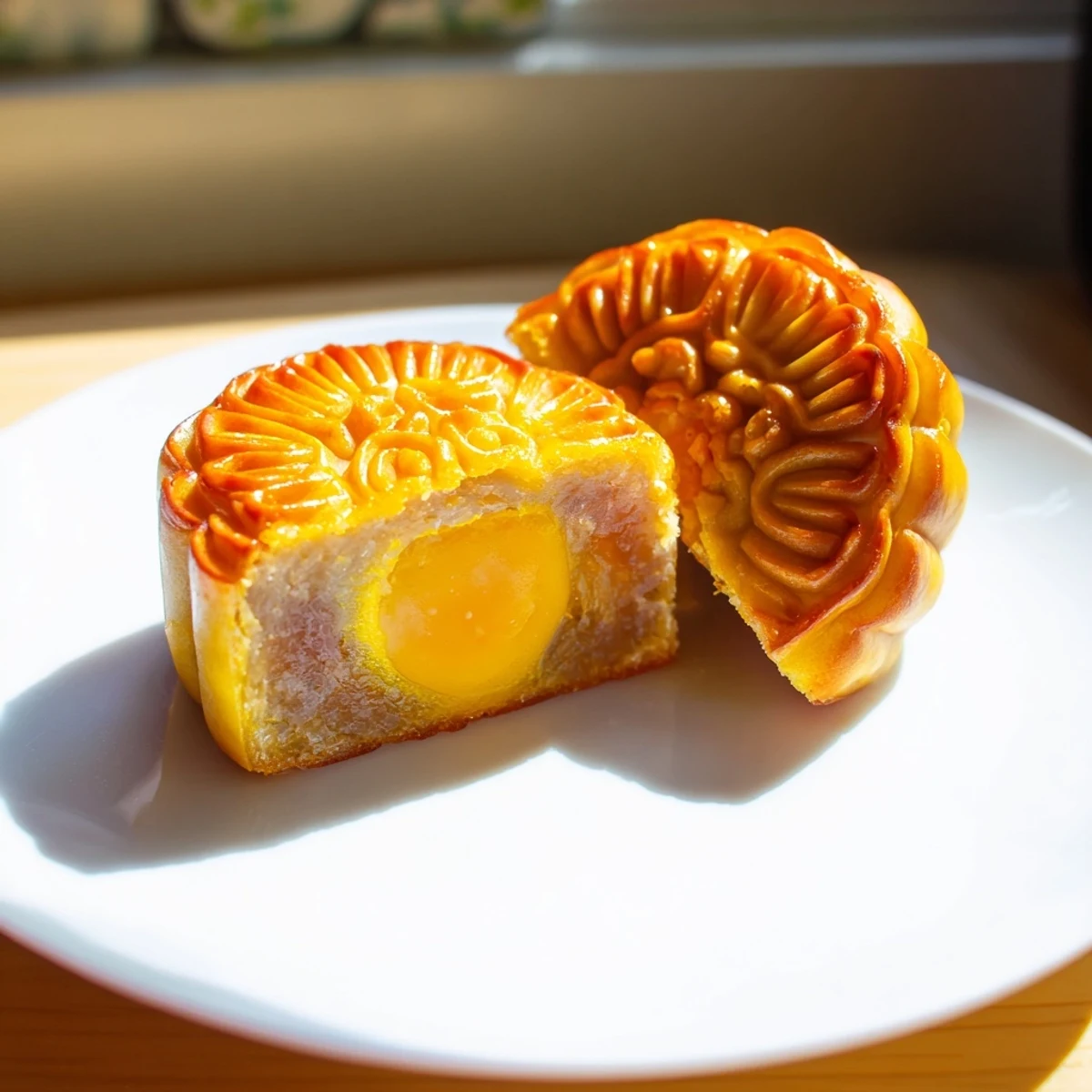
Save May your Mid-Autumn Festival be filled with good company, full moons, and mooncakes that release from their molds on the first try.
Recipe FAQ
- → Why do mooncakes need to rest after baking?
-
The resting period allows the pastry skin to soften and develop the characteristic tender texture. Freshly baked mooncakes have a crisper exterior, but traditional preparation always includes this curing step for optimal eating quality.
- → Can I make mooncakes without a mold?
-
While traditional molds create the iconic decorative patterns, you can shape them by hand or use small tart pans. The final appearance will differ, but the taste and texture remain authentic.
- → What is alkaline water and why is it essential?
-
Alkaline water, also called lye water, provides the characteristic golden color and tender texture of mooncake pastry. It's a crucial ingredient that cannot be substituted with regular water.
- → How long do homemade mooncakes stay fresh?
-
Stored in an airtight container at room temperature, they remain fresh for up to 2 weeks. For longer storage, refrigerate for up to a month or freeze for 3 months, though texture may change slightly.
- → Can I prepare the filling in advance?
-
Absolutely. Lotus seed paste can be made ahead and refrigerated for up to a week or frozen for months. Bring to room temperature before shaping for easier handling.
- → Why is golden syrup instead of regular syrup?
-
Golden syrup's unique invert sugar composition creates the desired texture and helps preserve freshness. Regular corn syrup or honey will produce different results in both texture and flavor.