
 Save
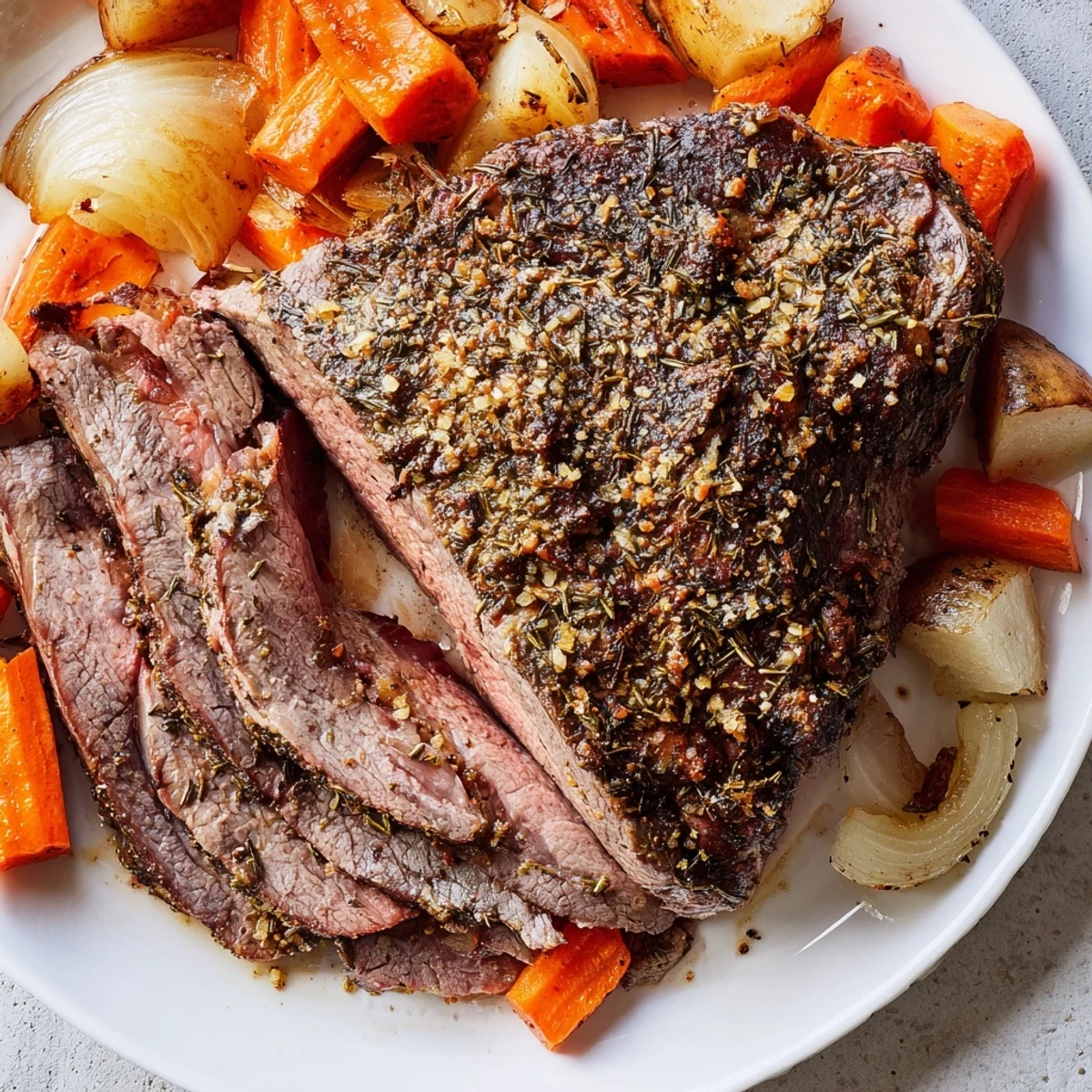
Save This dish features a juicy beef roast seasoned with olive oil, garlic, rosemary, thyme, salt, and pepper. The meat is cooked in the oven, allowing the flavors to meld while achieving a tender, medium-rare finish. Roasting alongside carrots, potatoes, and onions adds a complementary depth, making it perfect for communal dinners or special gatherings. Resting the meat after cooking ensures juiciness and easy carving.
For variations, try substituting beef with lamb or pork and consider enhancing flavor with a splash of red wine. Serve with pan juices or sauces such as horseradish or mustard for added zest.
Discovering this roasted meat recipe was like finding a hidden gem in my family cookbook. The first time I made it, the aroma filled the house and brought everyone to the table before dinner was even ready.
I remember when unexpected guests rang the doorbell and I pulled this roast from the oven, perfect and inviting. It turned an impromptu evening into a celebration.
Ingredients
- Beef roast: I always choose ribeye or sirloin at room temperature to ensure even cooking and a tender bite
- Olive oil: The base for the rub that helps herbs and garlic adhere beautifully
- Kosher salt: Coarse salt that seasons deeply without overpowering
- Freshly ground black pepper: Adds sharp warmth and depth
- Rosemary and thyme: Dried or fresh, they offer an earthy fragrance that complements beef perfectly
- Garlic cloves: Minced for a punch of savory goodness
- Vegetables: Carrots, potatoes, and onions that roast alongside add sweetness and color
Instructions
- Get Everything Ready:
- Preheat your oven to 220°C (425°F) and pat the beef dry. The scents start to build as you rub olive oil on every surface.
- The Flavor Infusion:
- Mix salt, pepper, herbs, and garlic to form a rustic rub. Spread it lovingly over the meat. Feel the textures and the promise of flavor.
- Into the Oven:
- Place the roast on a rack with root vegetables nestled around it. The sizzling sounds and rising aroma will tell you the magic is happening.
- Lower and Slow:
- After the initial high heat, reduce to 160°C (325°F) and roast until the thermometer reads 57°C (135°F) for perfect medium-rare. Watch that crust deepen and the juices sear inside.
- Rest and Revel:
- Take the roast out and tent with foil, letting it relax and redistribute juices for 15 minutes before slicing.
- Slicing Service:
- Slice against the grain and serve with the caramelized vegetables and drippings. Each bite a conversation of taste and texture.
 Save
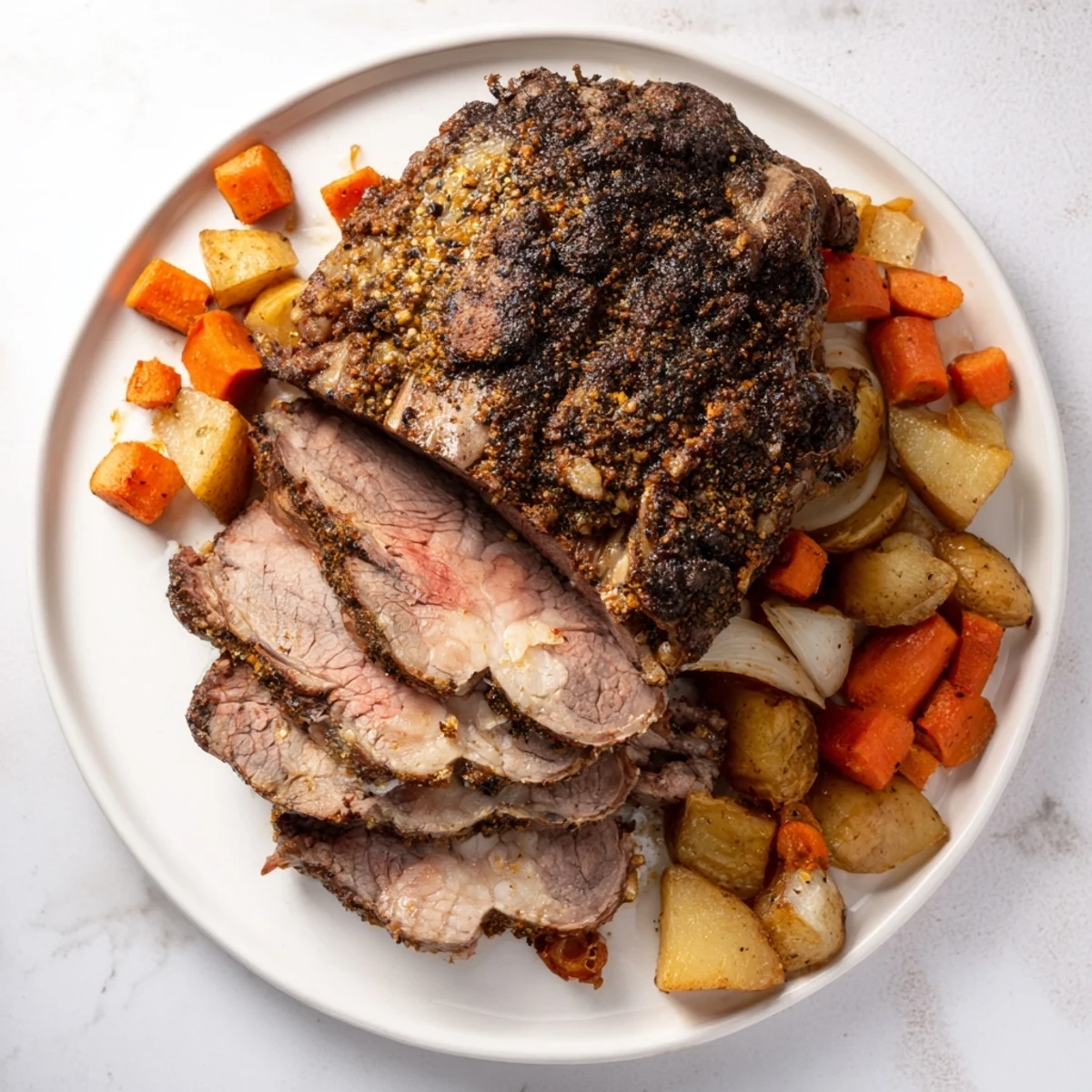
Save This dish became more than dinner the moment I served it at a holiday gathering, watching faces light up with every tender bite and shared story.
Keeping It Fresh
Leftovers reheat beautifully, and when sliced thinly, the roast works wonders in sandwiches or atop fresh salads for a quick meal.
Adapting Through the Seasons
Swap the root vegetables for seasonal picks like Brussels sprouts in winter or a medley of peppers and zucchini in summer to keep this recipe vibrant year-round.
Serving Ideas That Clicked
Pair with horseradish sauce or a tangy mustard for that extra kick. A side of crusty bread never hurts either.
- Don&t forget to save those pan juices—they make a simple, savory gravy
- Try experimenting with fresh herbs if you&ve got them on hand for more fragrance
- Use a meat thermometer—it&s your best friend for perfect results every time
 Save
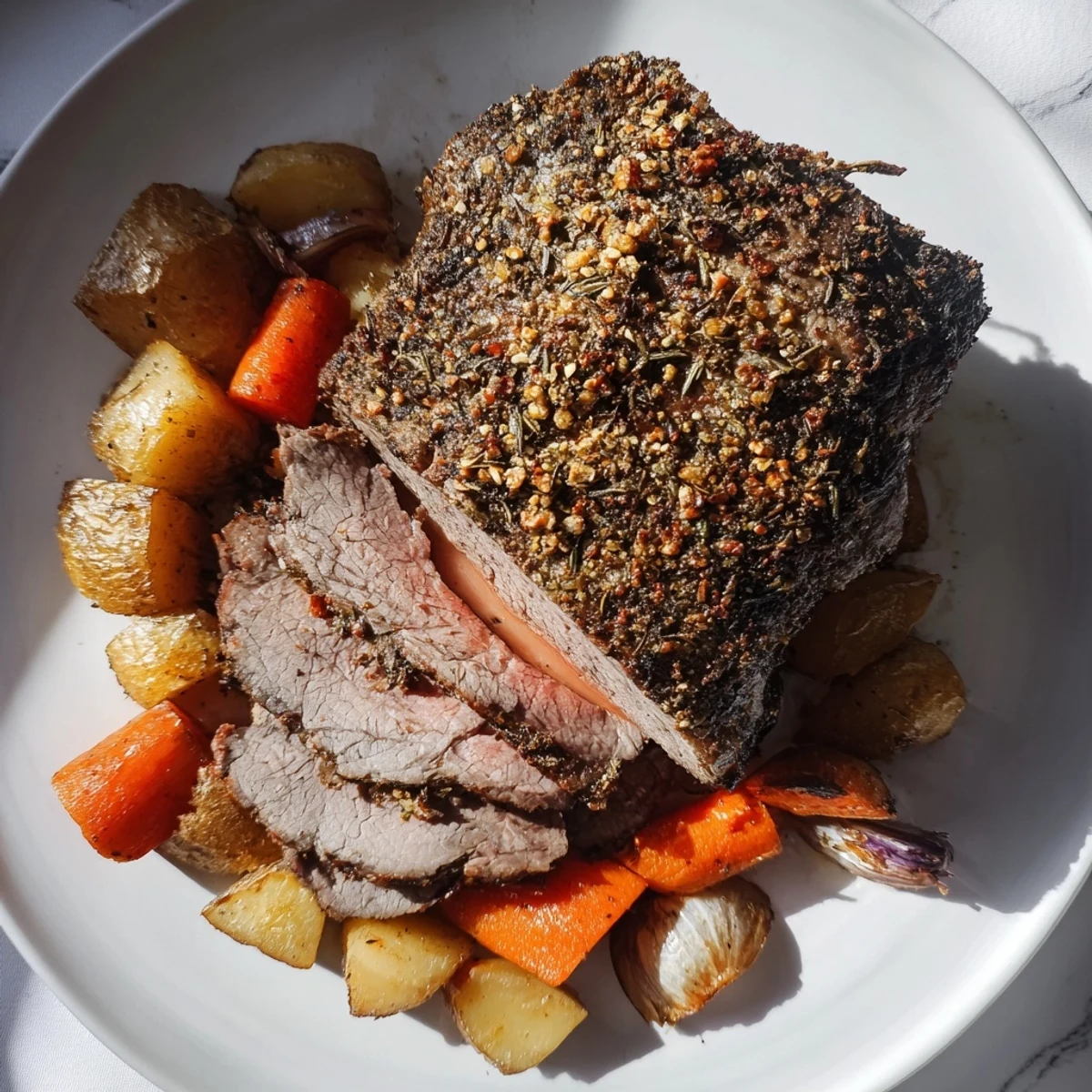
Save Thanks for hanging out in my kitchen! I hope this roast becomes as special to you as it has been to me.
Recipe FAQ
- → What cut of meat is best for roasting?
-
Beef cuts like ribeye, sirloin, or top round offer a balance of tenderness and flavor ideal for roasting.
- → How do I ensure the meat stays juicy?
-
Applying olive oil and a herb rub before roasting, then resting the meat covered with foil after cooking, helps retain moisture and juiciness.
- → Can I roast vegetables alongside the meat?
-
Yes, carrots, potatoes, and onions can be roasted together, absorbing savory flavors while providing a hearty side.
- → How do I adjust cooking for different doneness levels?
-
Use a meat thermometer and cook until it reaches the desired internal temperature; longer cooking results in more well-done meat.
- → Are there ways to vary the flavor profile?
-
Adding a splash of red wine to the roasting pan or serving with horseradish or mustard sauces introduces complementary flavor notes.