
 Save
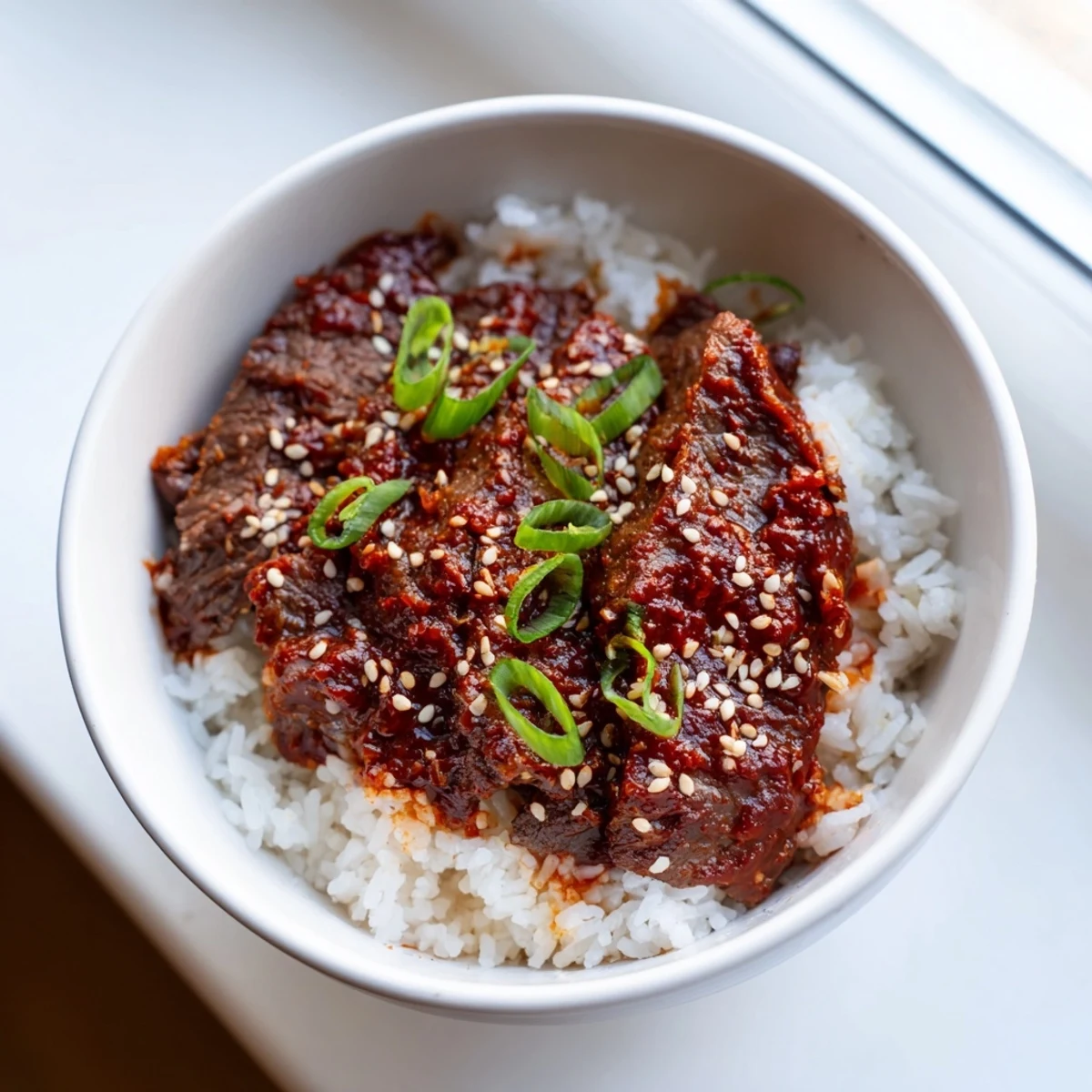
Save This vibrant Korean-inspired dish features tender beef strips tossed in a spicy-sweet marinade and stir-fried to perfection. Served over steamed jasmine rice, it's accompanied by crisp carrot, cucumber, and tangy kimchi, garnished with scallions, toasted sesame seeds, and optional nori strips. Quick to prepare, it's a flavorful balance of heat, sweetness, and freshness, perfect for an easy and satisfying meal.
The first time I made this bowl, I was standing in my kitchen on a Tuesday night with leftover beef and a jar of gochujang that had been sitting in my fridge for weeks. I'd watched someone make something similar at a pop-up restaurant, and the combination of that spicy-sweet glaze over rice felt like the opposite of complicated. Twenty minutes later, my kitchen smelled incredible, and I understood why this dish has become one of those meals you crave without warning.
I made this for my sister when she came home exhausted from a long shift, and she ate it so quietly I thought something was wrong until she looked up and asked for seconds. That's when I realized this wasn't just a weeknight dinner anymore—it was the meal I'd make when someone needed comforting food that also felt exciting.
Ingredients
- Beef sirloin or flank steak, thinly sliced: The thinness matters because it means the beef cooks through in minutes and soaks up that glaze. I've learned to slice against the grain for maximum tenderness.
- Cornstarch: This isn't filler—it helps the beef brown faster and gives the sauce a subtle thickening that feels intentional.
- Soy sauce: The foundation of the whole thing. Use regular soy sauce, not the low-sodium kind, because you want that umami punch.
- Gochujang: Non-negotiable. This Korean chili paste is where all the personality comes from, balancing heat with a deep savory sweetness.
- Sesame oil: A little goes a long way here. The toasted kind is what you want, and it's the difference between good and unforgettable.
- Rice vinegar: Just enough to brighten everything and keep the sauce from feeling one-dimensional.
- Garlic and ginger: Both fresh and raw when you mix them in—this keeps them sharp instead of mellowed.
- Honey: The secret that makes people ask what's in this. It rounds out the heat and adds a gentle sweetness.
- Fresh jasmine or short-grain rice: This bowl needs rice that's slightly sticky so it holds the glaze. Jasmine is my go-to because it's fragrant and stays tender.
- Carrot and cucumber: The cool crunch against warm beef is essential. Julienning the carrot means it picks up the heat better than chunks would.
- Kimchi: The funky, spicy fermented element that ties everything together. Don't skip it.
- Scallions and sesame seeds: These finish the bowl with texture and a little visual pop.
- Nori strips: Optional but worth it if you have them. They add a subtle ocean flavor that rounds everything out.
Instructions
- Rinse and cook the rice first:
- Cold water over the rice, swirling until it runs clear—this step removes the starch and prevents gluey rice. Get your water to a boil, then drop the heat to low, cover it, and let it steam undisturbed for 15 minutes. When you take the lid off, you'll smell that toasted grain smell that means it's done right.
- Mix the glaze that changes everything:
- Combine soy sauce, gochujang, brown sugar, sesame oil, rice vinegar, minced garlic, ginger, honey, and red pepper flakes in a bowl. Stir until smooth. This is your base—half goes into the beef, half gets reserved to finish the sauce.
- Coat the beef with cornstarch and marinate:
- Toss your beef slices with cornstarch, then add half the glaze. Let it sit for 10 minutes. The cornstarch will turn slightly wet and pasty-looking—that's exactly what you want because it helps everything brown faster in the pan.
- Sear the beef until it's golden and barely through:
- Get your skillet or wok smoking hot over high heat, then add the beef in a single layer. Don't move it for the first minute—let it brown hard on one side. Stir-fry for about 3 more minutes until it's cooked through but still tender. The edges should look caramelized and the meat should smell intensely savory.
- Finish the sauce and pull it together:
- Pour in the reserved half of the glaze and cook for another minute or two, stirring constantly. The sauce will thicken slightly and coat the beef beautifully. If it looks too thick, a splash of water fixes it instantly.
- Build the bowl:
- Fluff the rice and divide it between bowls, then arrange the beef on top, surrounded by carrot, cucumber, and kimchi. Scatter scallions, sesame seeds, and nori over everything and serve immediately while the rice is still warm and the beef is still slightly steaming.
 Save
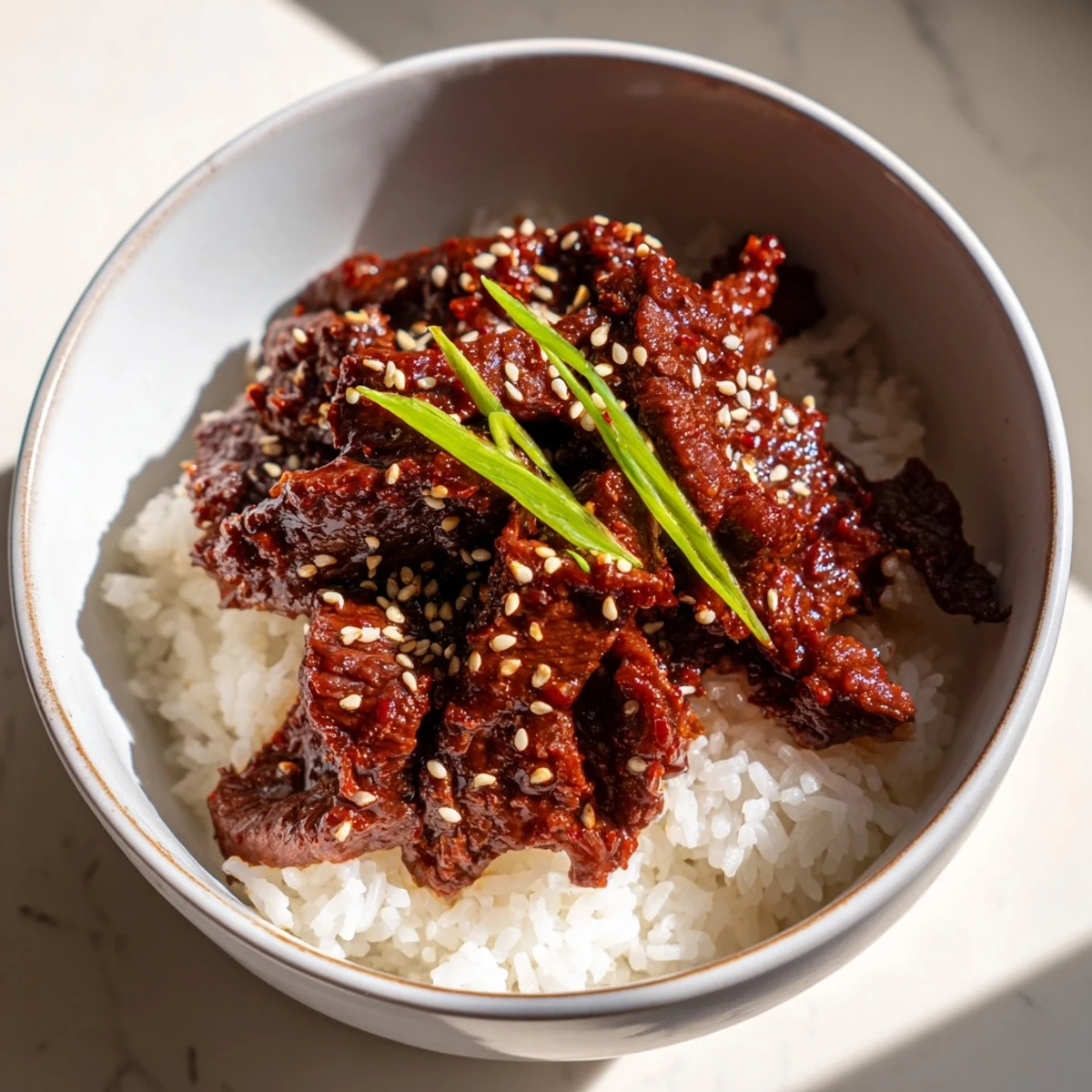
Save My favorite version of this happened on a rainy Saturday when I added extra kimchi out of stubbornness—I had an open jar and didn't want to waste it. That salty, funky heat against the sweet beef and warm rice changed the whole equation for me. Now I always buy an extra jar.
Why the Glaze Works
The magic in this bowl is that the glaze isn't trying to be one thing. Gochujang brings heat and depth, sesame oil adds richness, honey cuts through with sweetness, and the rice vinegar keeps everything from feeling heavy. It's a balance that shouldn't work but does—each component exists to balance the others out. The beef absorbs all this in the marinade and then gets coated again at the end, so by the time it hits the rice, it's layers of flavor instead of just surface coating.
Building Your Bowl
The order of assembly matters more than precision. Warm rice goes down first as your foundation, then the beef while it's still hot, then you arrange the vegetables around it like you're plating something intentional. The cool vegetables against the warm elements create temperature contrast that makes each bite more interesting. I always pile the kimchi a little higher than the rest because I want every spoonful to have some of that funky kick.
Making It Your Own
This recipe is flexible enough to bend to whatever you're working with. Chicken thighs work beautifully if you marinate them slightly longer and cook them a couple minutes extra. Mushrooms become meaty and absorb the glaze like they were born for this. Even tofu gets transformed when you press it first and let it sit in the marinade. The rice bowl format is so forgiving that you can swap vegetables based on what's in your fridge—sautéed spinach, blanched bean sprouts, shredded daikon, thinly sliced red onion.
- If you can't find gochujang, mix equal parts sriracha and miso paste as a rough substitute.
- Make the glaze the night before to let the flavors deepen, and cook everything fresh when you're ready to eat.
- Leftover beef and glaze actually improve on day two when the flavors have time to marry together.
 Save
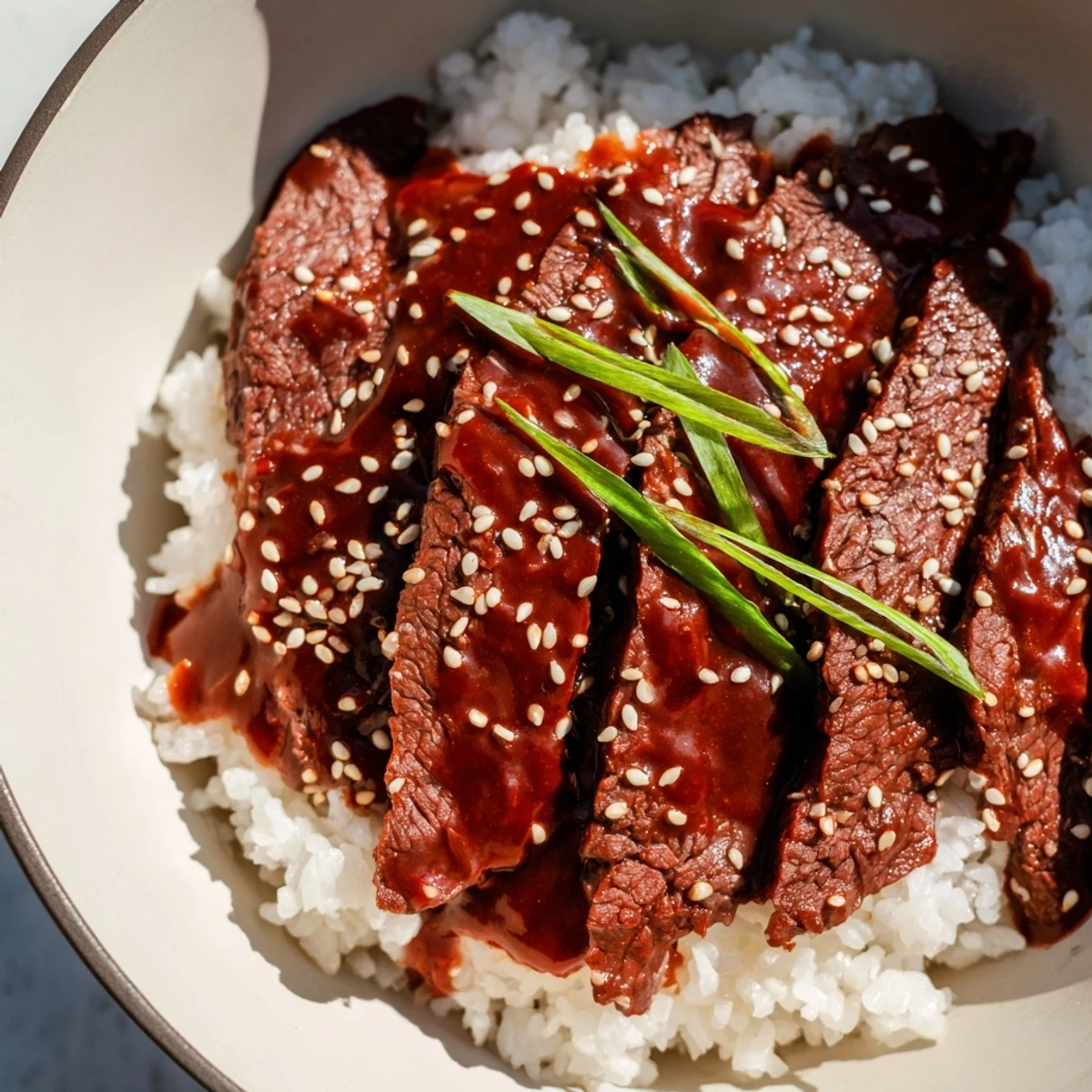
Save This bowl has become my answer to what's for dinner when I want something that tastes special but doesn't require special effort. It's the kind of meal that feels like you're taking care of yourself without the fuss of pretending to be a better cook than you are.
Recipe FAQ
- → What cut of beef works best for this dish?
-
Thinly sliced sirloin or flank steak is ideal due to its tenderness and quick cooking time, ensuring juicy results.
- → Can I adjust the spiciness level?
-
Yes, reduce or omit the crushed red pepper flakes and gochujang for a milder flavor or increase for more heat.
- → What type of rice is recommended?
-
Jasmine or short-grain white rice provides a soft, fluffy base that complements the savory beef and vegetables well.
- → How long should the beef marinate?
-
Marinate the beef for about 10 minutes to absorb the spicy-sweet flavors without losing tenderness.
- → Are there suggested substitutions for the protein?
-
You can swap beef for chicken, tofu, or mushrooms to create variations while maintaining a satisfying texture.
- → Which garnishes enhance the dish's flavor and texture?
-
Scallions add freshness, toasted sesame seeds provide nuttiness, and nori strips offer a subtle oceanic note.