
 Save
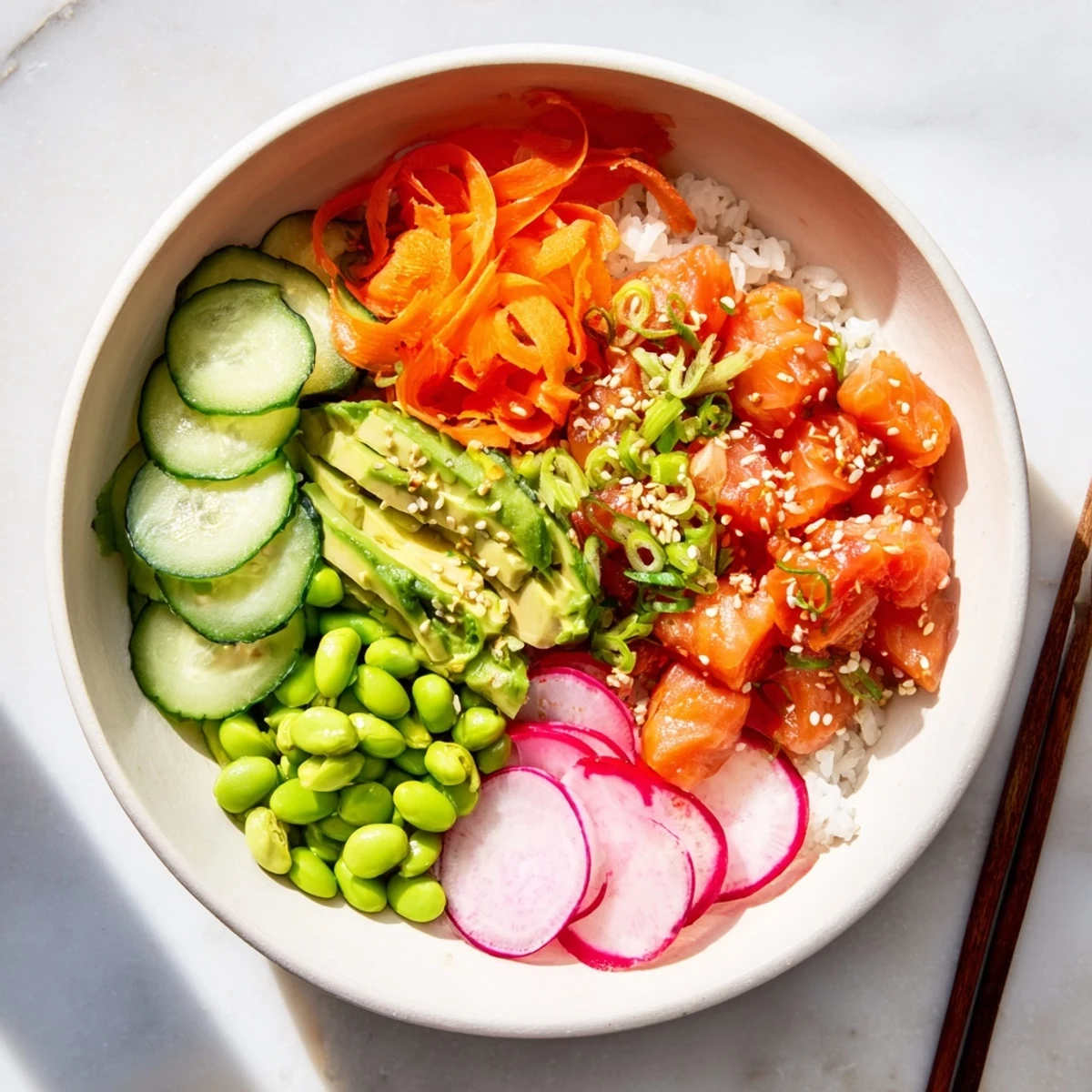
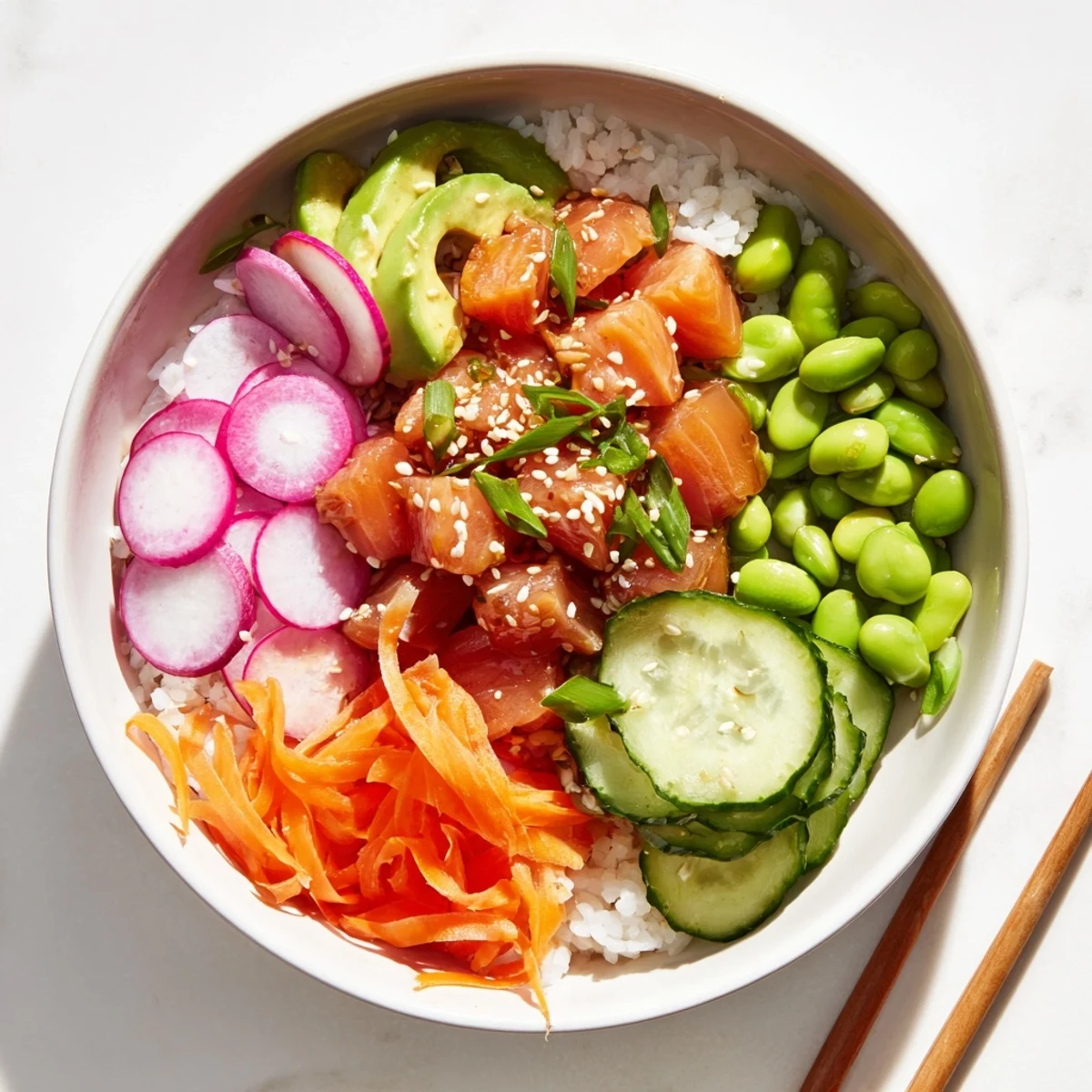
Save This vibrant Hawaiian-inspired bowl combines sushi-grade salmon marinated in a savory sesame-soy sauce with creamy avocado slices and a rainbow of fresh vegetables. The foundation is perfectly seasoned sushi rice, providing a neutral base that lets the toppings shine. Crisp cucumbers, radishes, and carrots add refreshing crunch, while edamame contributes protein and texture. A drizzle of homemade poke sauce ties everything together with its balance of salty, sweet, and slightly spicy notes.
The entire dish comes together in just 30 minutes, making it perfect for quick weekday lunches or impressive dinners. Plus, it's naturally pescatarian, dairy-free, and easily made gluten-free with tamari.
The first time I had poke was at a tiny hole-in-the-wall in Honolulu, where the chef didn't speak much English but handed me a sample that changed my entire relationship with raw fish. Now I make this bowl at least twice a week during summer, standing at my counter assembling vegetables while the salmon marinates in that perfect sweet-savory sauce.
Last summer my roommate walked in while I was julienning carrots and asked if I was running a restaurant. We ended up eating these bowls on the balcony every Friday night, watching the sunset and debating whether sriracha actually makes everything better. Something about the vibrant colors makes even a Tuesday dinner feel like a celebration.
Ingredients
- Sushi-grade salmon: This is non-negotiable since we're eating it raw. I've learned to ask my fishmonger when it arrived and never buy anything that's been sitting out
- Sushi rice: The short grains become sticky when cooked, which helps everything cling together. Regular rice just doesn't give you that satisfying bowl cohesion
- Rice vinegar mixture: The seasoning transforms plain rice into something tangy and slightly sweet. Don't skip this step or you'll wonder why your poke bowl tastes unfinished
- Avocados: Look for ones that yield slightly to pressure but aren't mushy. They need to hold their shape when sliced or you'll end up with guacamole bowl instead of poke
- Cucumber and radishes: These provide crunch that balances the soft fish and rice. Thin slices are better than chunks here
- Edamame: Pop them out of their pods ahead of time. Nothing worse than reaching for a spoonful and getting an empty shell
- Poke sauce ingredients: The honey cuts through the salty soy sauce while sriracha adds this gentle heat that builds as you eat
Instructions
- Cook the rice:
- Rinse until water runs clear, then simmer with water for 10 minutes. Let it steam covered for another 10 minutes before fluffing
- Season the rice:
- Mix vinegar, sugar, and salt until dissolved, then gently fold into warm rice. Spread it out to help it cool faster
- Marinate the salmon:
- Whisk sauce ingredients together in a bowl, add diced fish, and let it hang out in the fridge for 10 minutes. This short wait makes all the difference
- Prep your vegetables:
- Slice everything while the salmon marinates. Having everything ready makes assembly feel effortless
- Build your bowls:
- Start with rice as your base, then arrange salmon and vegetables in sections so each spoonful gets a bit of everything
- Finish with toppings:
- Drizzle any extra sauce over everything and scatter sesame seeds on top. They add this nutty crunch that pulls the whole bowl together
 Save
Save My mom was skeptical about raw fish until she tried this at my place. Now she texts me photos of her poke bowl experiments, usually with way too many vegetables but always with that same delighted expression. Food has this way of bringing people around to new experiences.
Making It Your Own
Sometimes I swap in tuna when salmon looks tired at the market, or use tofu for a completely plant-based version that still satisfies that craving for something fresh and assembled. The beauty of this bowl is its flexibility.
Wine Pairing Magic
A crisp Sauvignon Blanc cuts through the rich avocado while complementing the salmon without overpowering those delicate vegetables. I've also found that a dry rosé works beautifully when I'm feeling particularly fancy on a Wednesday.
Sauce Adjustments
Start with less sriracha than you think you need. You can always add more, but I learned this lesson the hard way when a too-spicy bowl had me chugging milk at midnight.
- Extra honey balances too much heat if you get carried away with sriracha
- A splash of lime juice brightens everything if your sauce tastes flat
- Double the sauce recipe if you love things heavily dressed
 Save
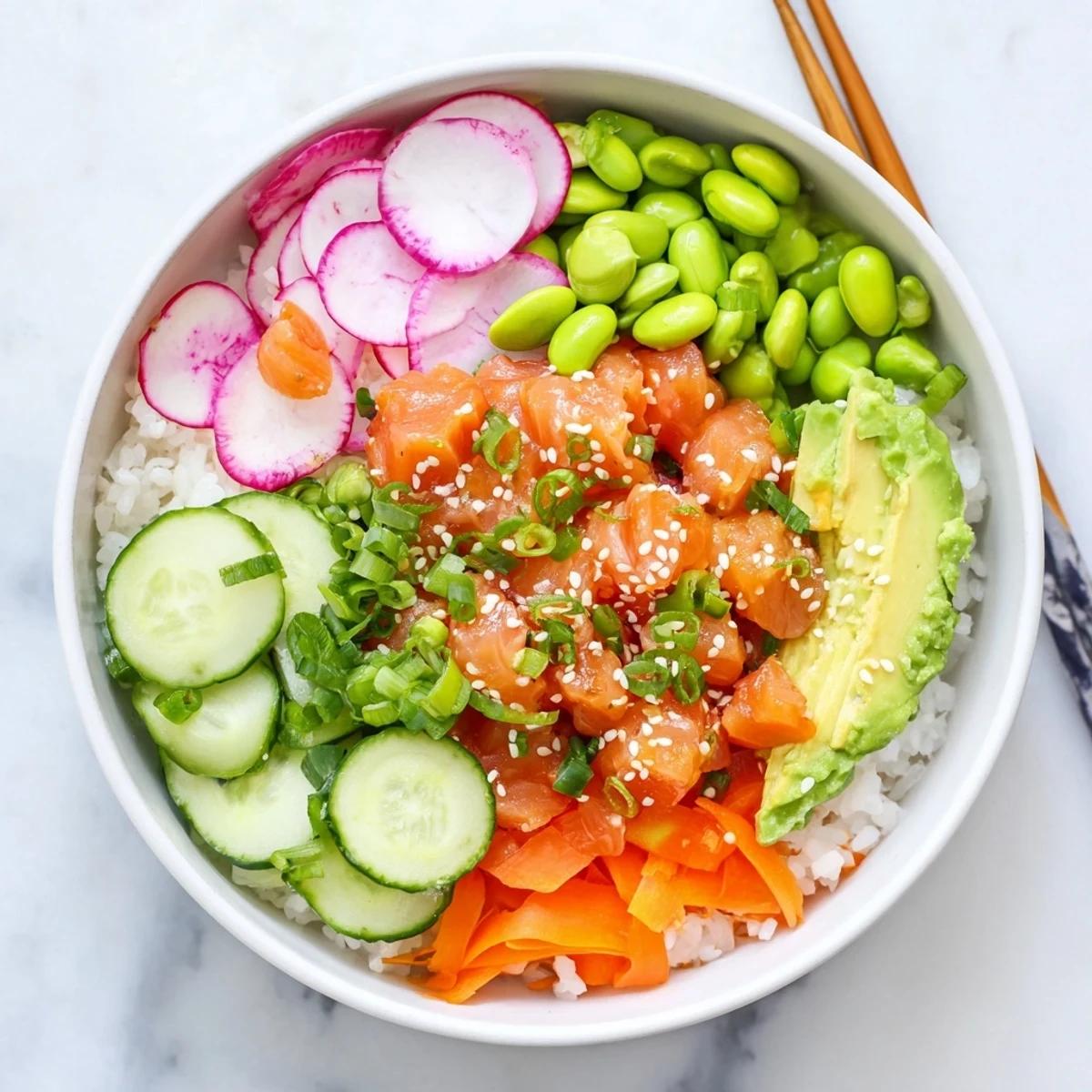
Save There's something deeply satisfying about eating from a bowl packed with this many colors and textures. Hope this becomes your summer staple too.
Recipe FAQ
- → Can I use frozen salmon for poke bowls?
-
For the best texture and food safety, use sushi-grade fresh salmon. If using frozen salmon, ensure it's labeled sushi-grade and properly thawed in the refrigerator before using.
- → How long can I store leftover poke bowls?
-
It's best to enjoy poke bowls immediately after assembling. However, you can store marinated salmon separately in the refrigerator for up to 24 hours. Keep the rice and vegetables in separate containers and combine when ready to serve.
- → What vegetables work best in poke bowls?
-
Traditional toppings include cucumber, avocado, edamame, radishes, and carrots. You can also add mango, pineapple, shredded cabbage, seaweed salad, or pickled ginger for extra flavor and texture.
- → Is this poke bowl gluten-free?
-
This bowl can be made gluten-free by substituting regular soy sauce with tamari. Always check that your other ingredients, particularly the rice vinegar and any condiments, are certified gluten-free.
- → Can I make a vegetarian version of this bowl?
-
Absolutely. Replace the salmon with extra-firm tofu cubes marinated in the same poke sauce. You can also add hearts of palm, mushrooms, or additional vegetables to maintain a satisfying and protein-rich bowl.