
 Save
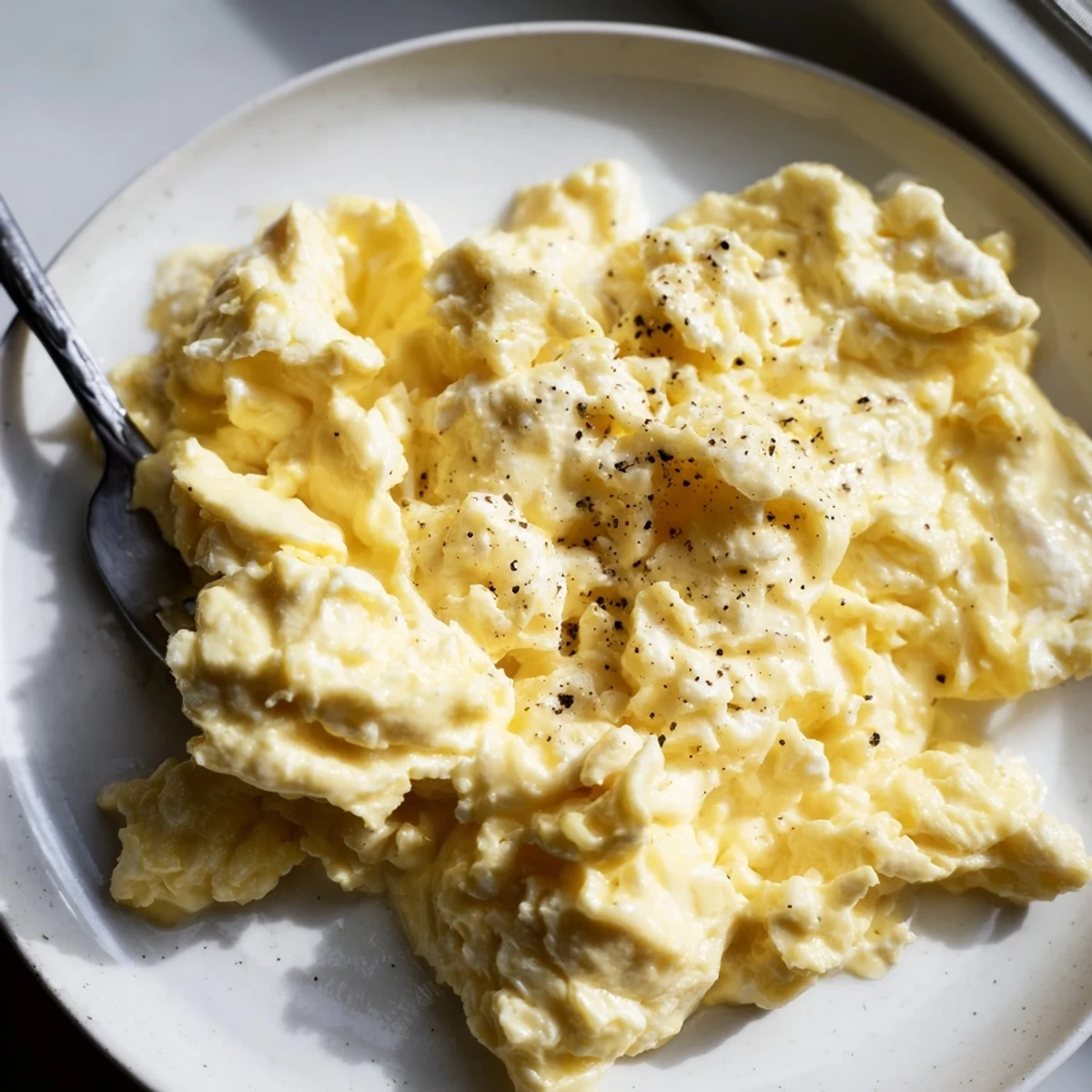
Save Create restaurant-quality scrambled eggs at home with this foolproof technique. The secret lies in low heat and gentle stirring, which produces soft, creamy curds every time. Whisking dairy into the eggs adds richness, while cooking over medium-low heat ensures a delicate texture. The entire process takes just 10 minutes, making it perfect for busy mornings or leisurely weekend breakfasts alike.
My roommate in college used to make scrambled eggs every single morning, standing in our tiny kitchen in her pajamas, humming to herself while she whisked. I watched her technique for months before I tried it myself, and that first batch came out so creamy I felt like I had discovered something revolutionary. Now it is my go-to comfort breakfast, whether I am celebrating a good morning or nursing a bad one.
Last winter my sister came over after a rough breakup, and I made her these eggs with extra cream and some chives from my window box. She took one bite and started crying, then laughing, because something so simple tasted so good. That is the magic of really good scrambled eggs, they feel like a hug on a plate.
Ingredients
- 4 large eggs: Fresh eggs make the fluffiest curds, so check the date if they have been sitting in your fridge for a while
- 2 tbsp whole milk or cream: Cream transforms the texture into something incredibly luxurious, but milk works perfectly fine for everyday
- 1 tbsp unsalted butter: Butter adds flavor and helps prevent sticking, though ghee works if you want a higher smoke point
- 1/4 tsp salt: Season the eggs before cooking rather than after, so the salt has time to dissolve evenly
- 1/8 tsp freshly ground black pepper: Freshly cracked pepper makes a surprising difference in the final flavor profile
Instructions
- Whisk everything together:
- Crack the eggs into a bowl and add the milk or cream, salt, and pepper, then whisk until the mixture looks uniform and slightly frothy on top
- Melt your butter:
- Heat the butter in a nonstick skillet over medium-low heat until it melts completely and starts to gently bubble around the edges
- Let them set briefly:
- Pour in the egg mixture and wait just a few seconds until you see the edges starting to turn opaque and set
- Form soft curds:
- Gently push the eggs from the edges toward the center with your spatula, letting the uncooked egg flow underneath to create those fluffy curds everyone loves
- Finish while creamy:
- Continue cooking and gently folding until the eggs look just set but still glisten with moisture, then immediately remove from heat
 Save
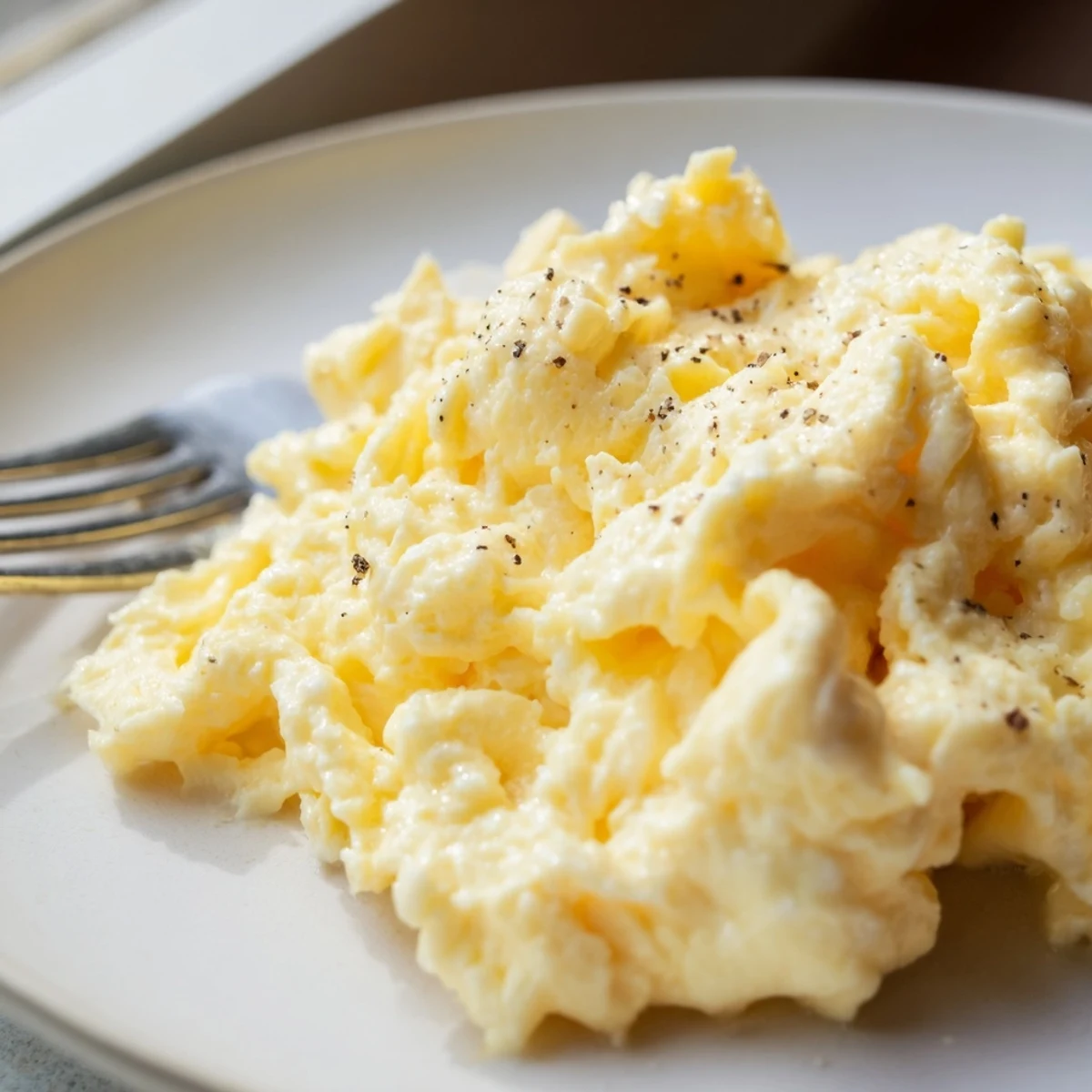
Save These eggs became my thing during lockdown when I was cooking breakfast for my partner every morning. He still talks about those quiet mornings at the kitchen table, just the two of us and perfect scrambled eggs.
Making It Your Own
I have found that adding a tablespoon of cream cheese right at the end makes the texture even more velvety, though it is definitely not traditional. Fresh herbs like chives, parsley, or dill stirred in after cooking add brightness that cuts through the richness.
Timing Is Everything
The difference between incredible eggs and okay eggs is literally thirty seconds of cooking time. I set a timer for five minutes total when I start cooking, and that has never failed me, though your stove might run slightly hotter or cooler than mine.
Serving Suggestions
Toast is nonnegotiable in my house, ideally something hearty like sourdough that can stand up to the creamy eggs. Avocado adds creaminess, smoked salmon makes it feel fancy, and hot sauce is always welcome on the table.
- Warm your plates in the oven for a few minutes so the eggs stay hot longer
- Finish with a tiny extra pinch of flaky salt if you want to feel fancy
- These eggs reheat surprisingly well if you make too much, though they are best fresh
 Save
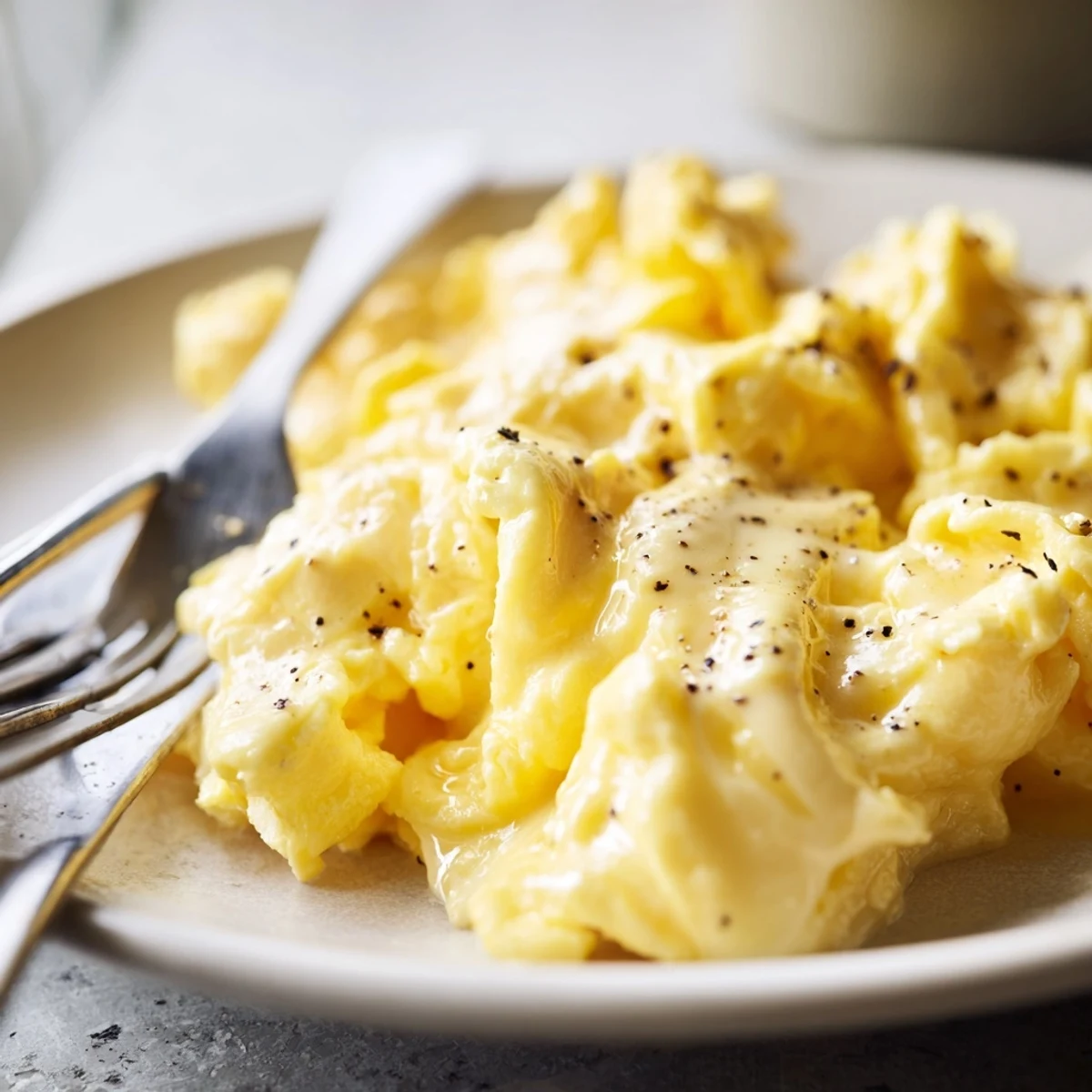
Save Perfect scrambled eggs are simple but never boring, and that is exactly why they are worth getting right.
Recipe FAQ
- → Why do my scrambled eggs turn out dry?
-
Dry eggs usually result from cooking over high heat or leaving them on the heat too long. Use medium-low heat and remove the pan while the eggs still appear slightly moist—they'll continue cooking from residual heat.
- → Should I use milk or cream in scrambled eggs?
-
Cream produces richer, more indulgent eggs with a velvety texture. Milk creates a lighter result. Both work well—choose based on your preference and dietary goals.
- → What's the best pan for making scrambled eggs?
-
A nonstick skillet is ideal because it requires less butter and prevents sticking. If using stainless steel or cast iron, use more butter and monitor heat carefully to avoid hot spots.
- → Can I make scrambled eggs ahead of time?
-
Scrambled eggs taste best when freshly made. If you must prepare ahead, slightly undercook them and gently reheat with a splash of milk or cream to restore moisture.
- → How do I get fluffy scrambled eggs?
-
Whisk eggs thoroughly until slightly frothy to incorporate air, then cook with gentle stirring motions. The low-and-slow technique creates larger, softer curds for maximum fluffiness.