
 Save
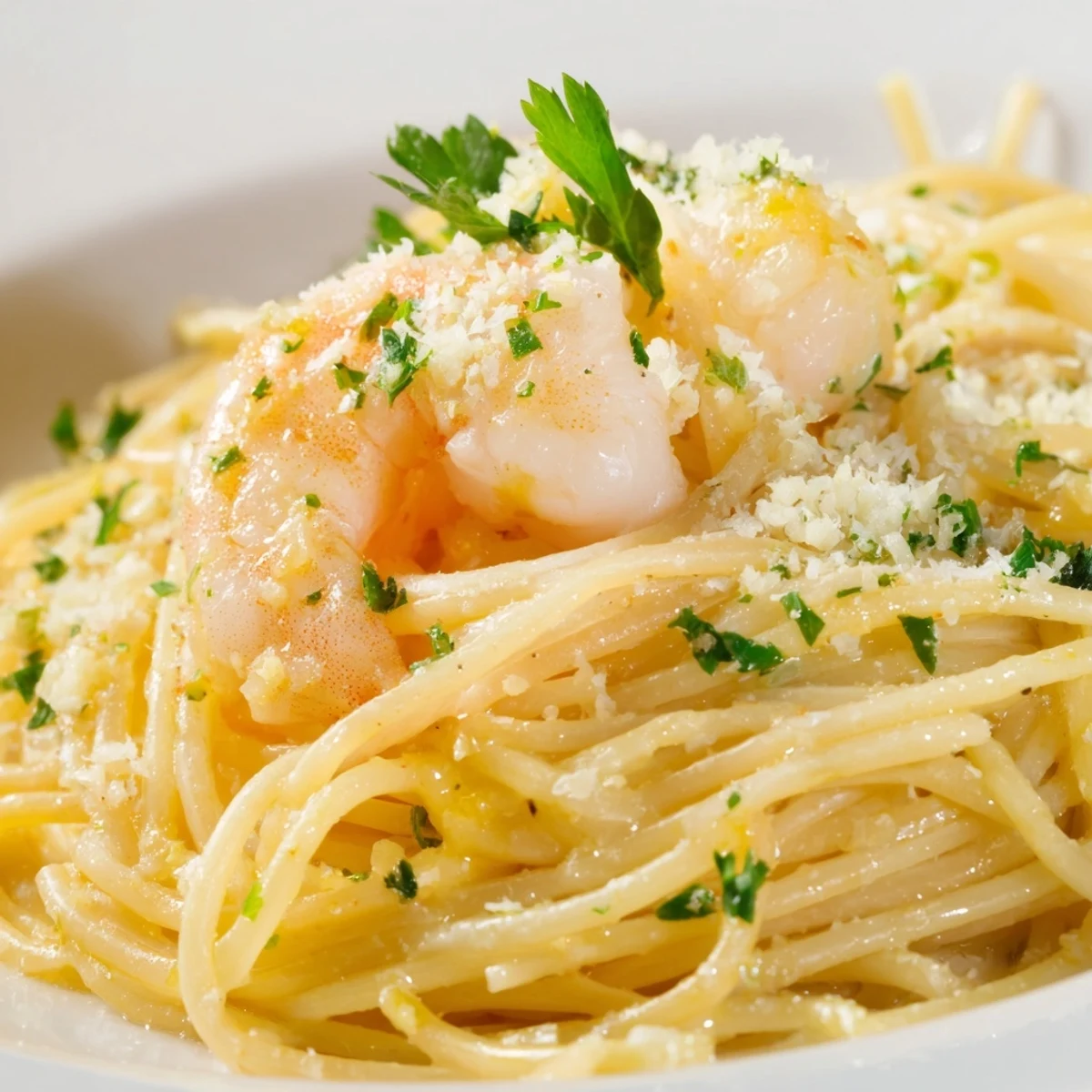
Save This dish combines al dente spaghetti with succulent shrimp, all enveloped in a bright lemon-garlic sauce. Cook shrimp until just opaque, sauté garlic with butter and olive oil, then blend in lemon zest, juice, and optional white wine or broth for depth. Toss pasta with this vibrant sauce, finishing with fresh parsley and Parmesan for an elegant touch. Ready in 30 minutes, it's ideal for a flavorful and quick weeknight dinner.
There's something about the sizzle of shrimp hitting a hot pan that makes you feel like you're actually cooking something restaurant-worthy, even if you're standing in your kitchen in old jeans. The first time I made lemon shrimp pasta was on a Tuesday when I had twenty minutes and a craving for something bright and alive, and somehow it turned out to be one of those dishes that feels fancy but asks almost nothing of you. The lemony sauce coats the pasta in this silky, elegant way that makes you look like you know what you're doing, and honestly, the shrimp does most of the heavy lifting.
I remember making this for my partner one night when they'd had a rough day, and by the time they walked in the door, the whole kitchen smelled like garlic and fresh lemon. That five-minute transformation from raw ingredients to something that made them smile is exactly why I keep coming back to this recipe. It's become my go-to when I want to feel like I'm giving someone something special without the stress of actual dinner party cooking.
Ingredients
- Spaghetti or linguine: Use 340g (12 oz) of good pasta you actually like eating—the shape matters more than the brand, and al dente is your only move here.
- Large shrimp: Buy 450g (1 lb) peeled and deveined if your budget allows it, because it saves you messy work and keeps the energy light.
- Olive oil: Go for 3 tbsp of something you'd actually drizzle on bread—the flavor shows up in this simple sauce.
- Unsalted butter: 3 tbsp is your secret to silkiness; it mellows the acidity and makes everything taste finished.
- Garlic: Mince 4 cloves fresh and keep your nose ready for that moment it becomes fragrant—that's when you know you're doing it right.
- Lemon: Use 1 whole lemon for both zest and juice; fresh is the only answer here, no bottled shortcuts.
- Dry white wine or broth: 60 ml (1/4 cup) adds depth, but if you don't have wine, good chicken or vegetable broth works just as well.
- Crushed red pepper flakes: Optional but worth keeping on hand—just 1/4 tsp gives you a whisper of heat.
- Salt and black pepper: Season at each step, not just at the end.
- Fresh parsley: 2 tbsp chopped fresh feels like a small luxury that ties everything together.
- Parmesan cheese: 40g (1/3 cup) grated, optional but it adds a savory finishing touch.
- Lemon wedges: For serving, because the brightness matters right up until the last bite.
Instructions
- Get your water ready:
- Fill a large pot with water, salt it generously (it should taste like the sea), and bring it to a rolling boil while you prep everything else. This is your pace-setter.
- Cook the pasta:
- Add your pasta and cook according to package directions until it's al dente—tender but with a slight firmness when you bite it. Before you drain it, scoop out about 120 ml (1/2 cup) of that starchy water and set it aside in a small bowl; you'll need it later.
- Prep your shrimp:
- Pat the shrimp dry with paper towels (this matters for browning), then season them lightly with salt and pepper. Wet shrimp won't brown properly, so don't skip the drying step.
- Sear the shrimp:
- Heat 1 tbsp olive oil and 1 tbsp butter in a large skillet over medium-high heat until it's shimmering and smells nutty. Lay the shrimp in a single layer and let them sit for 1–2 minutes per side until they turn from gray to opaque—this is not the moment to fidget with them.
- Build the sauce base:
- Remove the shrimp to a plate and turn the heat down to medium. Add the remaining oil and butter to the same skillet, then add your minced garlic and stir for about 1 minute until it becomes fragrant and golden (watch it closely so it doesn't burn). Add the lemon zest, lemon juice, wine or broth, and red pepper flakes if using, and let it simmer gently for 2–3 minutes so the flavors meld.
- Bring it together:
- Return the shrimp to the pan, add your drained pasta, and toss everything together gently. If the sauce seems too thick, add a splash of that reserved pasta water and keep tossing until you get a silky, glossy consistency that clings to the noodles.
- Finish and serve:
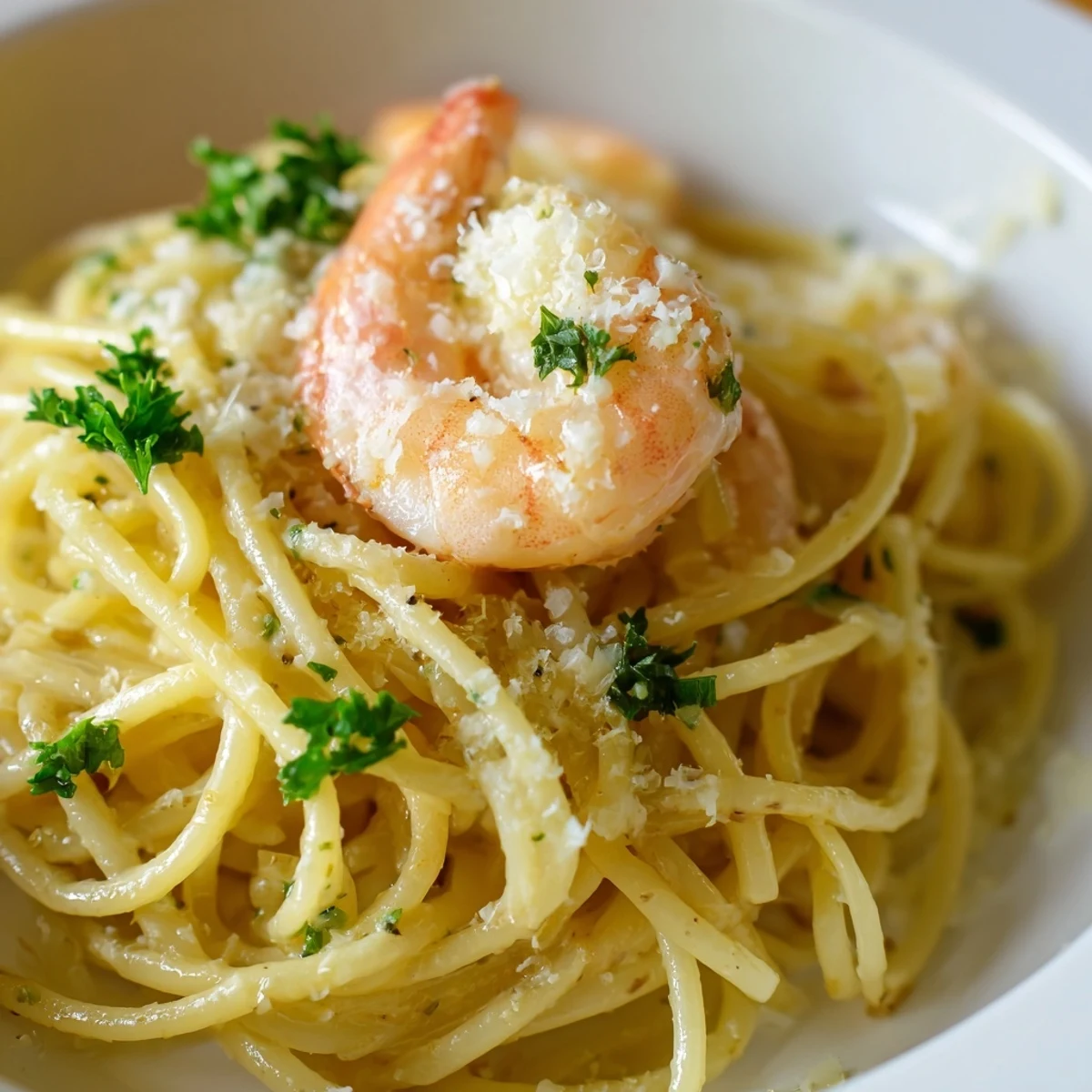
- Remove from heat, scatter the fresh parsley over everything, add Parmesan if you're using it, and taste for salt and pepper. Serve immediately with lemon wedges on the side so everyone can adjust the brightness to their liking.
 Save
Save There was an evening when my mom came over and tasted this for the first time, and she kept asking me questions about what was in it because she couldn't believe something this elegant had taken me less than thirty minutes. That's when I realized this dish isn't just convenient—it's the kind of thing that makes you feel capable and proud, which is maybe the best thing a quick dinner can do.
The Lemon Question
Lemon is the backbone of this entire dish, and I've learned the hard way that it needs to be fresh—never bottled. Fresh lemon juice has a brightness that bottled can't replicate, and since you're not hiding it under cream or tomato, every squeeze matters. I always keep a microplane zester in my drawer specifically for this moment, because the zest adds a floral note that you can't get any other way.
Shrimp Timing and Temperature
The secret to perfect shrimp is understanding that they keep cooking for a few seconds after you remove them from heat. I learned this by overcooking them twice, so now I pull them off when they're just barely opaque in the center, knowing they'll finish while I'm building the sauce. Size matters too—large shrimp give you a window to work with, whereas tiny ones cook so fast you're done before you realize you've started.
Variations and Flexibility
What I love most about this recipe is how willing it is to adapt to what you have on hand. If white wine feels too indulgent for a Tuesday, broth does the job just fine. If you're cooking for someone who loves cream, a splash of heavy cream stirred in at the end transforms this into something richer without losing the brightness. This is the kind of base recipe that becomes yours as soon as you make it the first time.
- For a creamier version, stir in 60 ml (1/4 cup) heavy cream after the lemon juice simmers.
- Red pepper flakes can be adjusted or omitted entirely depending on your heat tolerance.
- Fresh herbs like mint or basil can replace parsley if that's what's living in your garden.
 Save
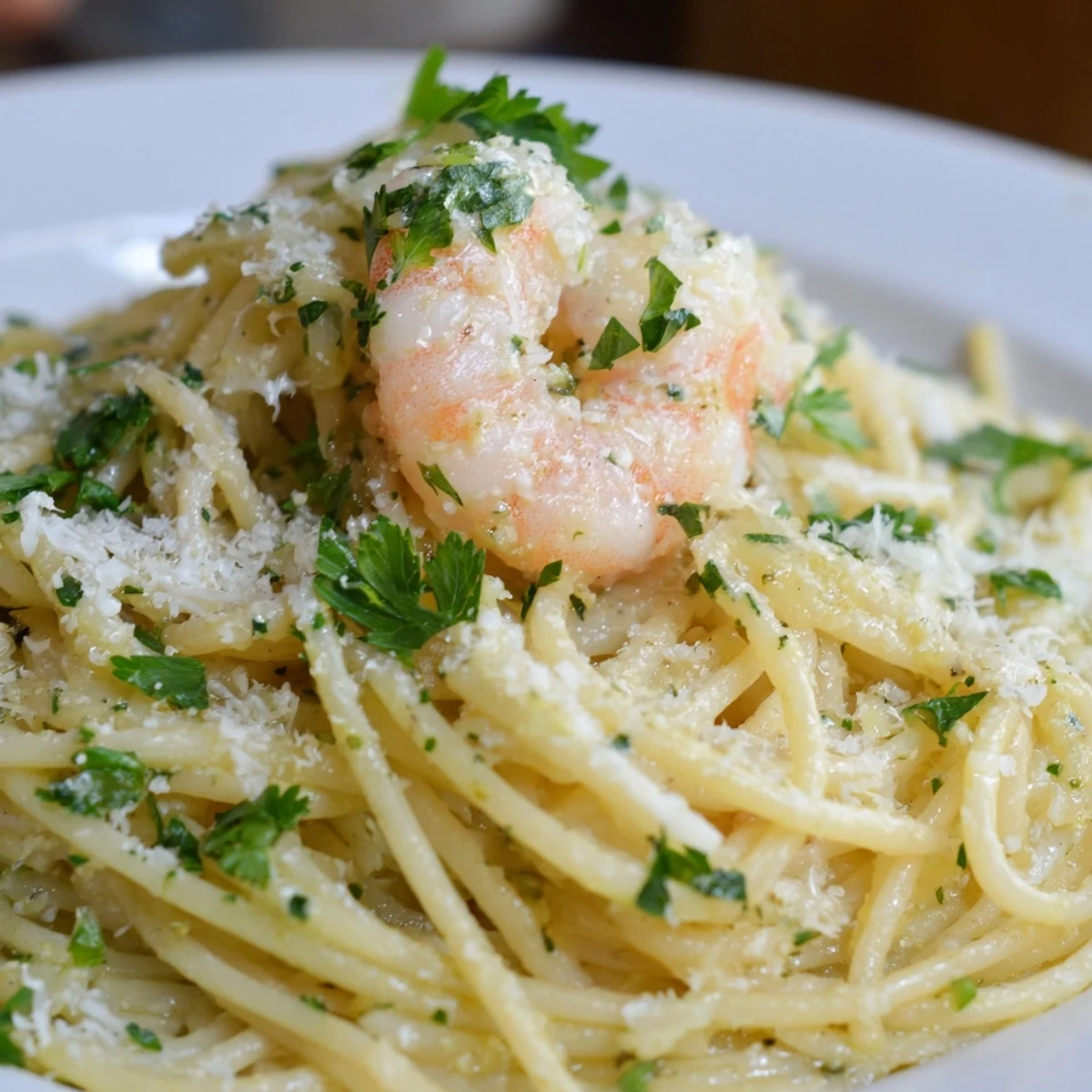
Save This dish has become my answer to the question, what's for dinner, because it reminds me every time that the best meals are often the simplest ones. There's something almost meditative about the quick prep and the few minutes of quiet sizzling that lead to something beautiful on the plate.
Recipe FAQ
- → How do I keep shrimp tender?
-
Cook shrimp just until they turn opaque, about 1-2 minutes per side, to ensure they stay tender and juicy.
- → Can I substitute the pasta type?
-
Yes, linguine or gluten-free pasta work well as alternatives without compromising texture.
- → Is white wine necessary in the sauce?
-
White wine adds depth but can be replaced with chicken or vegetable broth for a non-alcoholic option.
- → How to achieve a creamy sauce variation?
-
Stir in heavy cream after adding lemon juice for a richer, creamier sauce.
- → What herbs complement this dish?
-
Fresh parsley brightens flavors, while a sprinkle of crushed red pepper adds a gentle heat.