
 Save
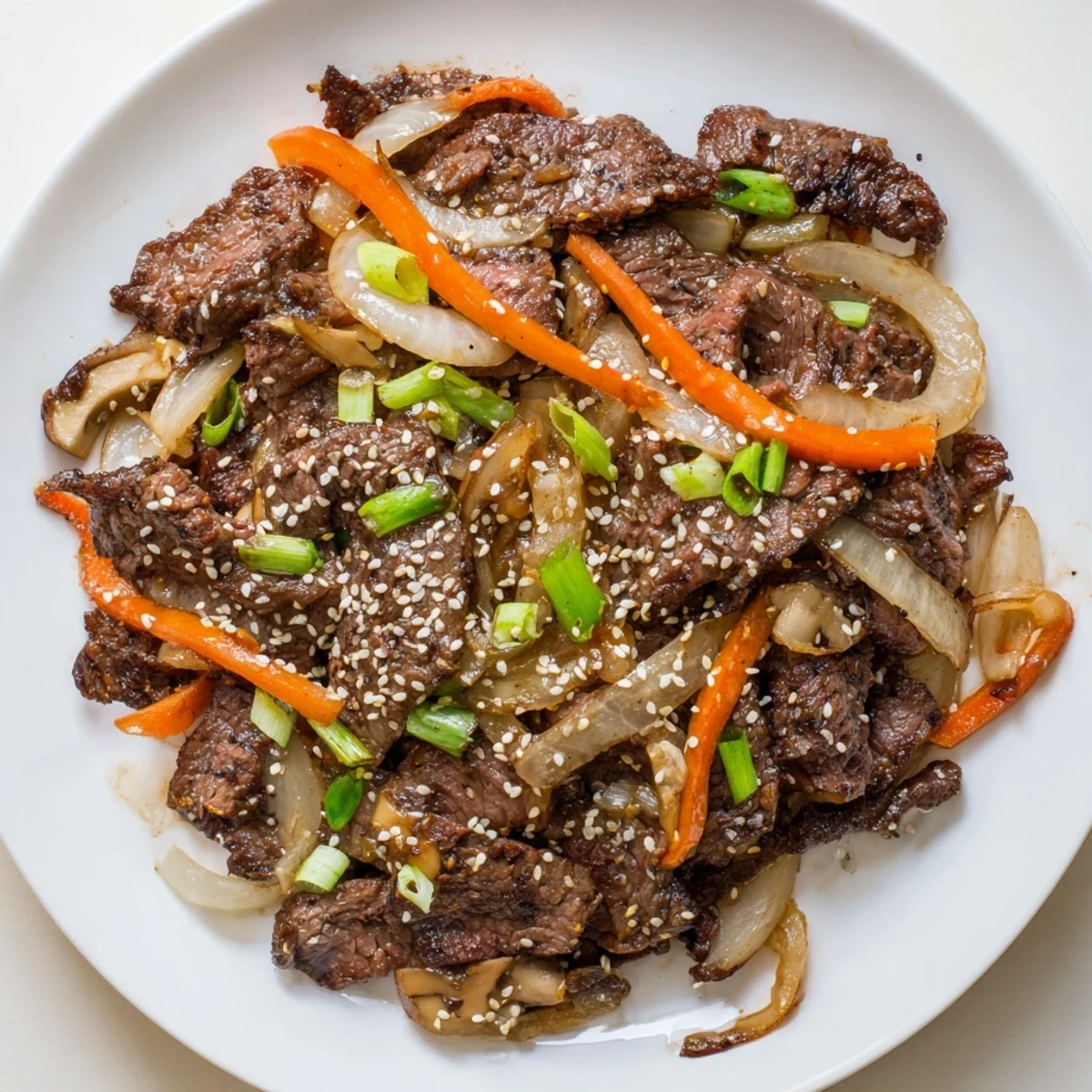
Save This dish features tender beef strips soaked in a classic bulgogi marinade combining soy sauce, brown sugar, garlic, and spices. After marinating, the beef is quickly stir-fried with fresh onion, carrot, and mushrooms to create a flavorful and balanced meal. Toasted sesame seeds and green onions finish the dish, ideal served over steamed rice or wrapped in lettuce leaves. The marinade’s blend of sweet and savory elements delivers a rich taste while maintaining a light, satisfying texture.
There was a Tuesday night when my coworker brought leftover Korean beef to the office, and the smell that escaped when she opened that container made everyone stop what they were doing. I asked for the recipe that same day, and after my first attempt, I realized this wasn't just food—it was a flavor I wanted to recreate every week. The balance of sweet and savory, the tender beef melting on your tongue, and the way it transforms simple rice into something extraordinary kept me coming back to this dish again and again.
I made this for a dinner party once, thinking I'd impress my Korean friend with my attempt at her cuisine, and she actually asked for the recipe—which felt like winning an invisible award. The moment when everyone's quiet because they're too busy enjoying their food is when you know you've got something special.
Ingredients
- Flank steak or sirloin, thinly sliced: Slicing against the grain is the secret that changes everything; it breaks down the muscle fibers so the beef stays tender even with the high heat cooking.
- Soy sauce: This is your umami base and the backbone of authentic bulgogi flavor.
- Brown sugar: It caramelizes slightly during cooking and creates those savory-sweet notes that make people ask what's in it.
- Sesame oil: Just a little bit brings that nutty warmth that makes this distinctly Korean.
- Ginger and garlic: Freshly minced versions give you bite and complexity that jarred versions can't quite capture.
- Grated pear or apple: This isn't just for show—it naturally tenderizes the beef and adds subtle sweetness.
- Mirin or rice wine: Adds depth and helps the marinade cling to the beef.
- Vegetables for cooking: The onion, carrot, and mushrooms soak up all that flavorful sauce and become just as interesting as the beef itself.
Instructions
- Mix your marinade:
- Whisk together soy sauce, brown sugar, sesame oil, mirin, minced garlic, grated ginger, grated pear or apple, green onions, black pepper, and gochujang in a large bowl. You'll notice the sugar won't fully dissolve at first, and that's fine—it'll sweeten as it sits.
- Get the beef ready:
- Add your thinly sliced beef to the marinade and make sure every piece gets coated, then cover and let it sit for at least 15 minutes. If you have time and planning ahead, even four hours in the fridge will deepen the flavors beautifully.
- Heat your pan properly:
- Get your skillet or wok really hot over high heat and add the vegetable oil until it shimmers slightly. You want it hot enough that the beef sizzles immediately when it hits the pan.
- Cook the beef fast:
- Working quickly, add the marinated beef in a single layer and let it sit for about a minute before stirring, so it gets a slight caramelized edge. Stir frequently for another 1-2 minutes until it's mostly cooked through, then remove it to a plate.
- Add the vegetables:
- In the same pan with all those browned bits and marinade left behind, add your sliced onion, julienned carrot, and mushrooms. Stir-fry for 4-5 minutes until they're tender and slightly caramelized.
- Bring it all together:
- Return the beef to the pan and toss everything together for another minute. Taste and adjust the seasoning—sometimes I add a splash more sesame oil right at the end for extra richness.
 Save
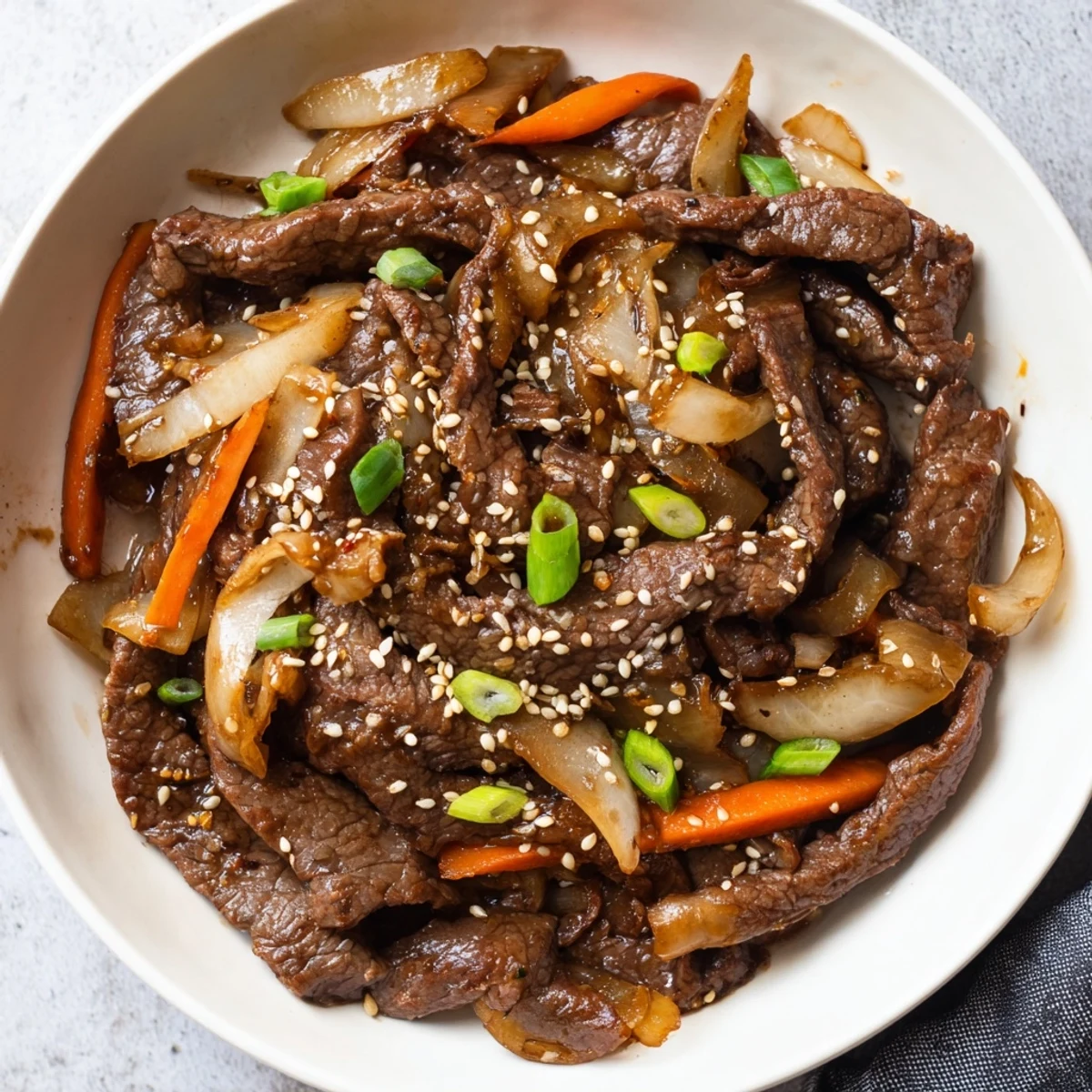
Save This dish became my go-to when I needed comfort food but also wanted something that felt a little special, like I was taking care of myself. There's something about the way the warm beef and caramelized vegetables hit that sweet and savory spot that just makes everything feel right.
The Marinating Secret
The real magic happens in the marinade bowl, not the pan. That pear or apple isn't just a nice addition—it's an active ingredient that breaks down the beef's muscle structure and makes even tougher cuts melt on your tongue. I learned this the hard way after trying without it and wondering why my beef wasn't as tender as the restaurant version. The longer you marinate, within reason, the better the flavor penetrates, which is why I always make this when I have even 20 minutes of notice.
Making It Your Own
Korean beef is incredibly forgiving once you understand the core technique. I've made it with chicken breast when beef seemed too heavy, and it works beautifully—just reduce the cooking time slightly since chicken cooks faster. Tofu is another great substitute for a lighter version, and honestly, sometimes the vegetables shine just as much as the protein. The marinade is really where your creativity can play—some people add a touch of coffee for deeper notes, others include a splash of pineapple juice for extra sweetness.
Serving and Pairing Ideas
This dish is a chameleon that works in so many contexts, which is probably why I make it so often. Serve it over steamed white rice for a simple, satisfying meal, wrap it in fresh lettuce leaves for a lighter interactive dinner, or toss it with quick-cooked noodles for something a bit different. The sauce is rich and flavorful enough that it barely needs accompaniments, but having kimchi on the side adds a sharp contrast that feels perfectly balanced.
- Cold leftovers work surprisingly well in a bowl the next day with fresh vegetables and an extra drizzle of sesame oil.
- If you're meal prepping, the beef and vegetables actually taste better after a day or two as the flavors meld.
- Leftovers also make an incredible filling for rice balls or Korean kimbap if you're feeling adventurous.
 Save
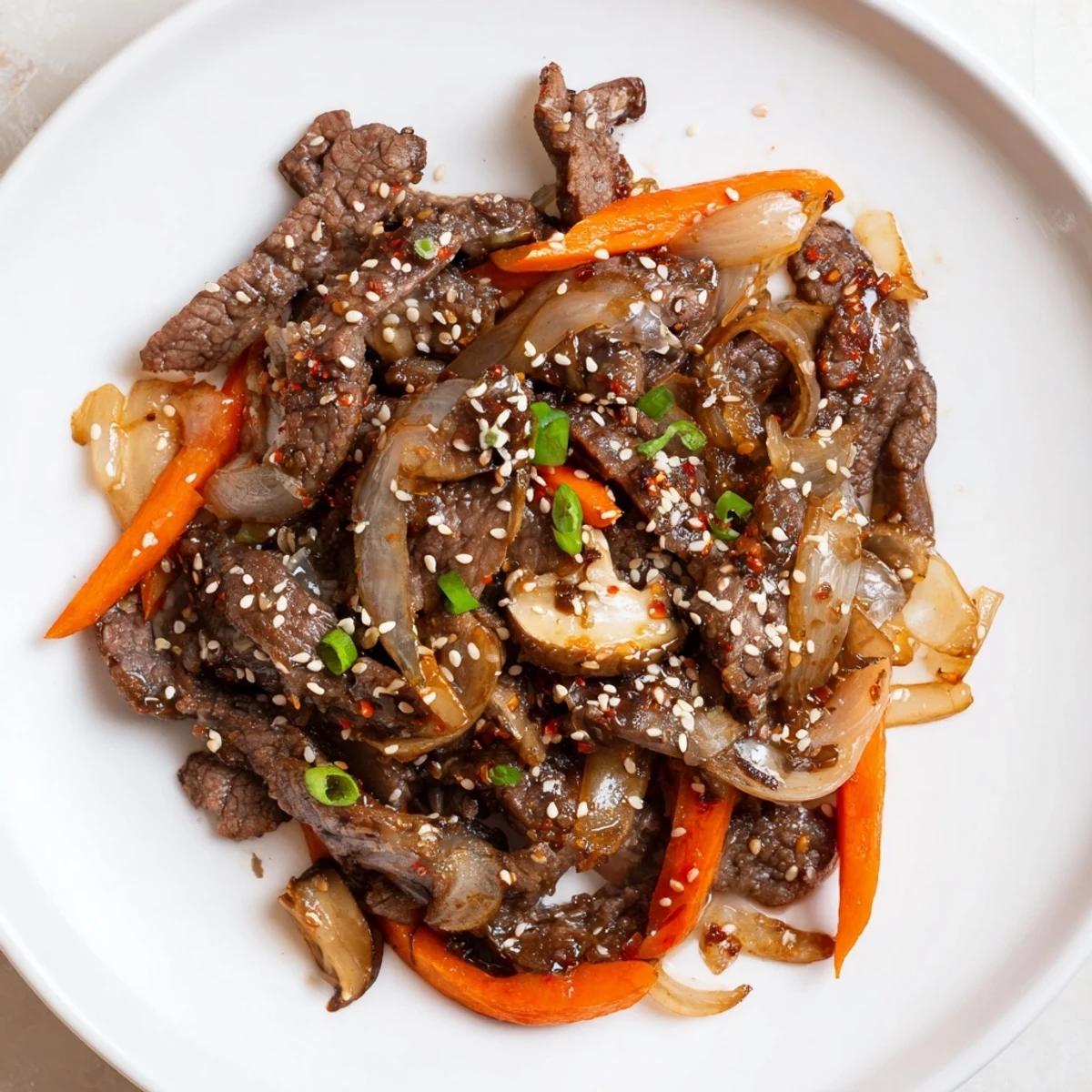
Save This recipe reminds me why I love cooking: it's simple enough to make on a weeknight but feels luxurious enough for people you want to impress. Once you make it once, it becomes the kind of dish you return to whenever you need something that tastes like care.
Recipe FAQ
- → What cut of beef works best?
-
Flank steak or sirloin thinly sliced against the grain is preferred to ensure tenderness and proper texture.
- → How long should the beef marinate?
-
Marinate for at least 15 minutes; longer (up to 4 hours) deepens the flavor and tenderizes the meat.
- → Can I substitute the pear or apple in the marinade?
-
Yes, grated pear or apple helps tenderize; if unavailable, you can skip or replace with a splash of mirin for mild sweetness.
- → What vegetables complement this dish?
-
Onion, carrot, and mushrooms add texture and flavor, balancing the savory marinade with freshness.
- → How to add spice to this stir-fry?
-
Incorporate gochujang or chili flakes in the marinade for a mild to moderate heat level according to taste.