
 Save
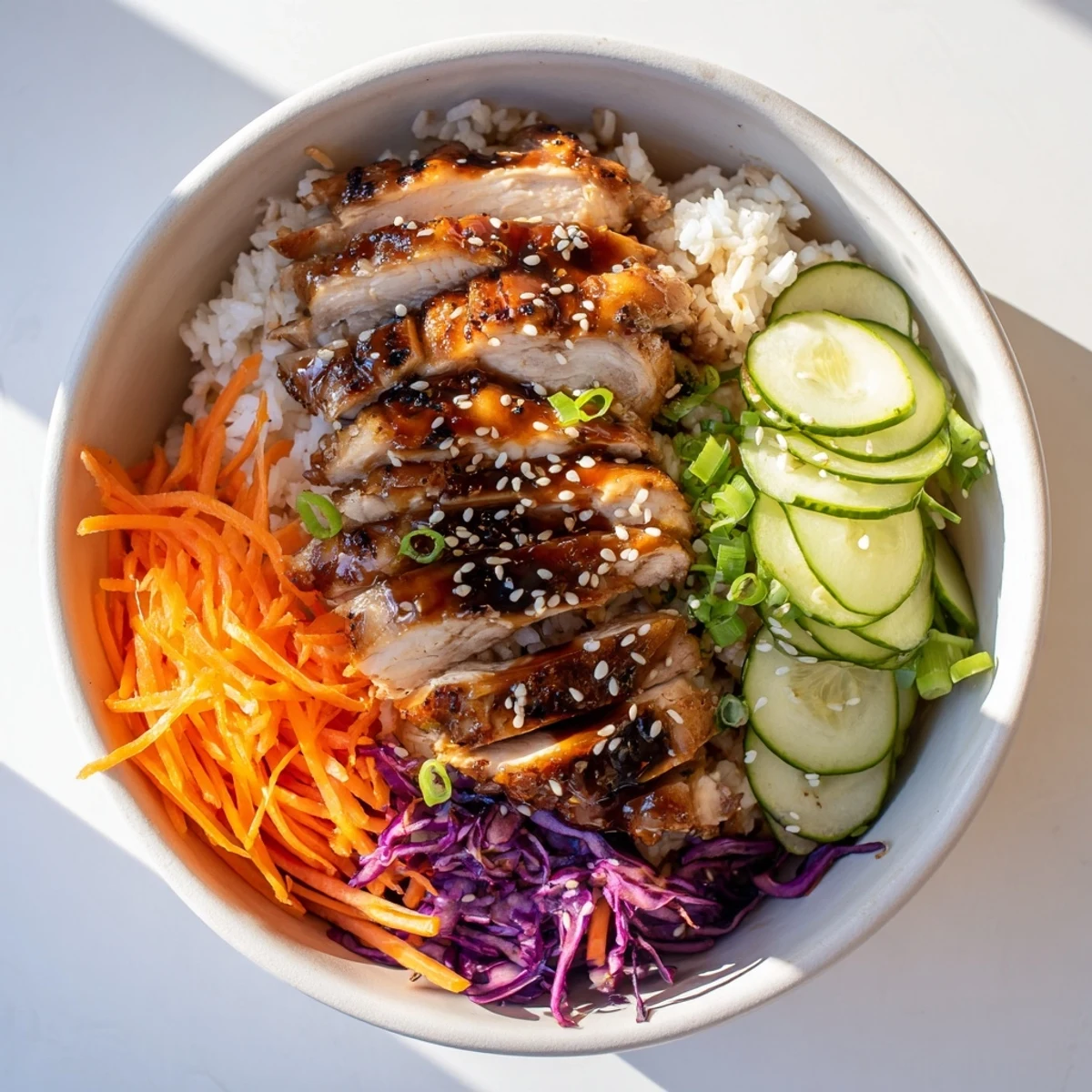
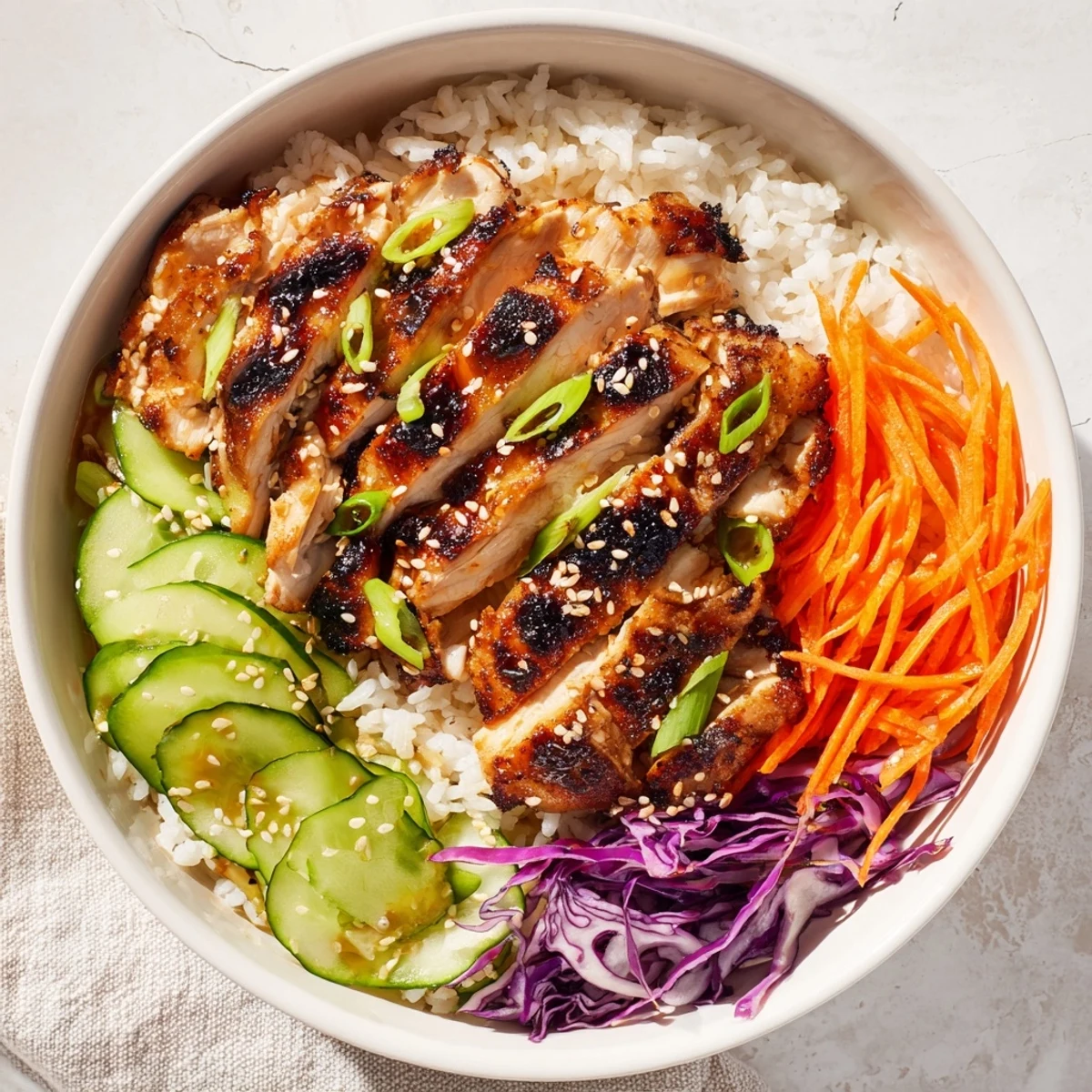
Save These Korean BBQ chicken bowls feature tender grilled chicken thighs marinated in a homemade sweet and savory sauce made with soy sauce, brown sugar, sesame oil, and gochujang. The chicken gets beautifully charred and juicy, then served over fluffy jasmine rice alongside crisp shredded carrots, refreshing cucumber, purple cabbage, and crunchy sesame seeds. The entire dish comes together in just 45 minutes, making it perfect for busy weeknights when you want something flavorful and satisfying. Customize with kimchi, extra gochujang, or fresh herbs to make it your own.
The first time I made these Korean BBQ chicken bowls, my tiny apartment kitchen smelled like my favorite neighborhood spot in Koreatown. I'd been craving those sticky-sweet-umami flavors for weeks, and honestly, what came out of my skillet that night surprised me. Now it's the dinner my friends actually text me about days later.
Last Tuesday, my roommate walked in mid-marinate and literally asked if we were having takeout. I laughed while slicing cucumbers, watching her face when I told her I'd thrown it together after work. We ate standing up at the counter because neither of us wanted to wait to set the table.
Ingredients
- 1 ½ lbs boneless skinless chicken thighs: thighs stay juicier than breasts and handle the high-heat searing beautifully
- 1/4 cup soy sauce: the salty backbone that makes everything else pop
- 2 tbsp brown sugar: caramelizes into those gorgeous charred bits everyone fights over
- 1 tbsp sesame oil: don't skip this—it's what gives you that authentic Korean restaurant aroma
- 2 tbsp rice vinegar: cuts through the richness and balances the sugar
- 1 tbsp gochujang: this Korean chili paste brings subtle heat and incredible depth
- 3 garlic cloves minced: fresh garlic makes a difference you can taste
- 1-inch piece ginger grated: use a microplane if you have one—gets it perfectly fine
- 1 tsp black pepper: freshly cracked adds better dimension
- 2 cups cooked jasmine rice: short-grain works too if you want it stickier
- 1 cup shredded carrots: bring a sweet crunch that balances the savory chicken
- 1 large cucumber thinly sliced: use a vegetable peeler for ribbons instead of plain rounds
- 1 cup purple cabbage shredded: adds this gorgeous color and satisfying crunch
- 2 green onions sliced: save some green tops for the prettiest garnish
- 2 tsp sesame seeds: toast them in a dry pan for 30 seconds first
- 1 tbsp vegetable oil: for getting that restaurant-quality sear on the chicken
Instructions
- Whisk up your marinade:
- Combine soy sauce, brown sugar, sesame oil, rice vinegar, gochujang, garlic, ginger, and black pepper in a large bowl until the sugar dissolves completely.
- Coat the chicken:
- Add chicken thighs to the marinade and toss until every piece is thoroughly coated.
- Let it hang out:
- Marinate for at least 15 minutes at room temperature or up to overnight in the refrigerator for deeper flavor penetration.
- Get your pan hot:
- Heat vegetable oil in a large grill pan or skillet over medium-high heat until it shimmers slightly.
- Sear it like you mean it:
- Remove chicken from marinade, let excess drip off, and cook for 4 to 5 minutes per side until you get those beautiful charred marks and the internal temperature hits 165°F.
- Rest and slice:
- Let the chicken rest on a cutting board for 5 minutes before slicing into strips—it keeps all those juices inside where they belong.
- Build your bowls:
- Divide warm rice among four bowls, then arrange sliced chicken, carrots, cucumber, cabbage, and green onions on top.
- Finish it off:
- Sprinkle with toasted sesame seeds and add whatever toppings make you happy—kimchi, extra gochujang, lime wedges, or fresh cilantro all work beautifully.
 Save
Save My sister called me last month asking for this recipe after she had it at my place. She said her family had it three times that week and now her daughter requests it by name.
Meal Prep Magic
I love making a double batch of the chicken on Sunday and keeping the veggies prepped in separate containers. The flavors actually get better after a day in the fridge, and suddenly Tuesday's dinner feels like something special.
Rice Perfection
After years of mushy rice, I finally learned to rinse my grains until the water runs clear and use slightly less water than the package suggests. It makes such a difference in texture, especially for bowl recipes where the rice really stars.
Make It Yours
Sometimes I swap in cauliflower rice when I want something lighter, or add sliced avocado when it feels like a treat. The beauty of these bowls is how forgiving they are—whatever you have on hand probably works.
- Leftover marinade can be boiled down for an extra sauce drizzle
- Sliced radishes add this lovely peppery bite
- A fried egg on top makes breakfast-for-dinner feel fancy
 Save
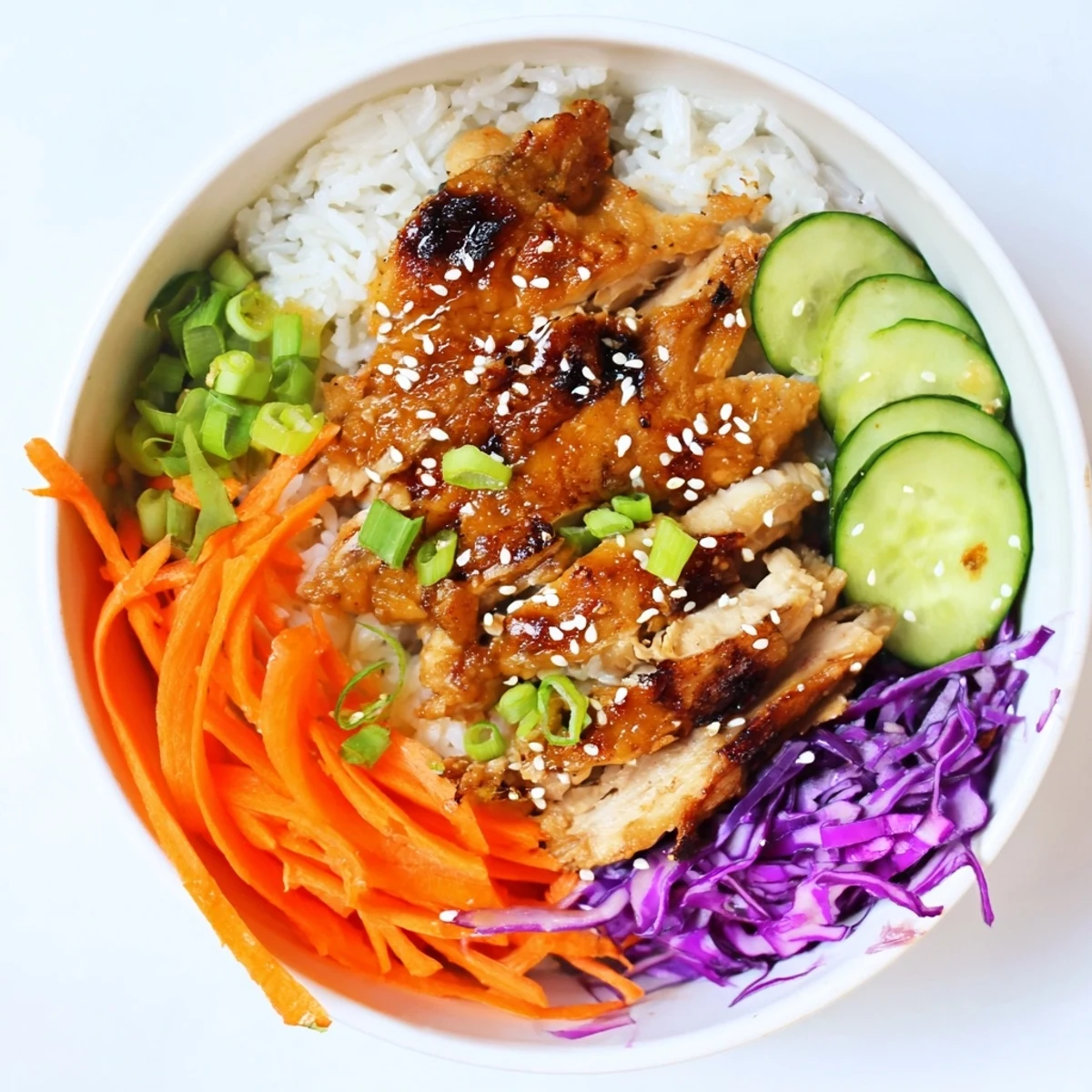
Save There's something about the combination of hot charred chicken, cool crisp vegetables, and that sticky-sweet sauce that just works. Hope these bowls become as regular in your rotation as they are in mine.
Recipe FAQ
- → How long should I marinate the chicken?
-
Marinate the chicken for at least 15 minutes, but for the best flavor, let it sit in the refrigerator for up to overnight. The longer marinating time allows the Korean BBQ flavors to penetrate deeply into the meat.
- → Can I use chicken breasts instead of thighs?
-
Yes, you can substitute chicken breasts for thighs. Just keep in mind that breasts may cook faster and could become slightly less juicy. Adjust cooking time accordingly and remove from heat when the internal temperature reaches 165°F.
- → What can I serve with Korean BBQ chicken bowls?
-
These bowls are complete meals on their own with rice and vegetables. You can add kimchi for extra probiotics and flavor, or serve with a side of steamed bok choy, roasted broccoli, or Asian cucumber salad for more vegetables.
- → Is this dish spicy?
-
The spice level is mild to medium, depending on how much gochujang you use. Gochujang adds a gentle heat that's balanced by the brown sugar and soy sauce. You can increase or decrease the amount based on your preference, or add sriracha for extra kick.
- → Can I make this dairy-free?
-
This dish is naturally dairy-free as written, making it suitable for those avoiding dairy. However, it does contain soy and gluten from the soy sauce and gochujang, so use tamari and gluten-free gochujang if needed.