
 Save
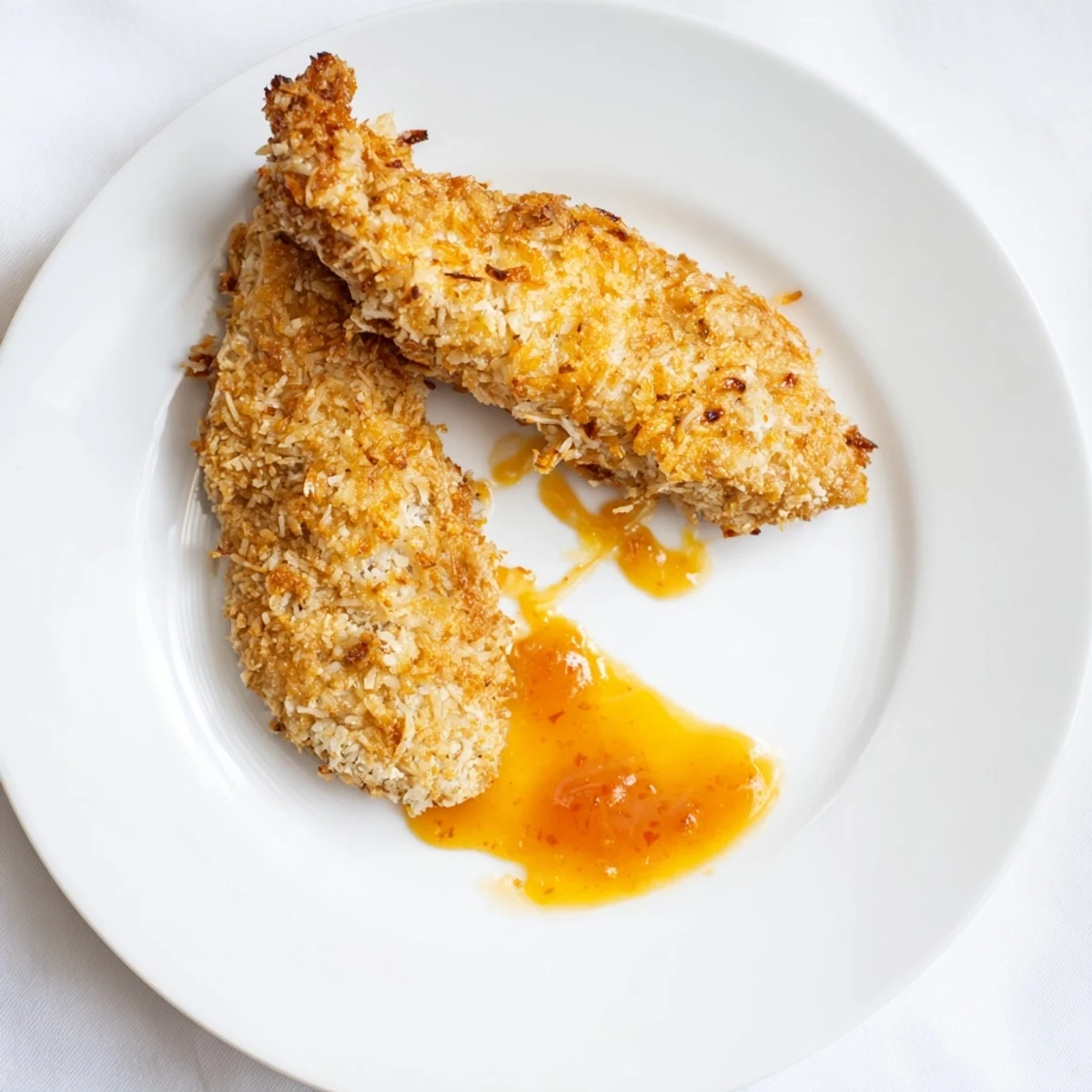
Save Coconut-coated chicken breasts are seasoned, dredged in flour and egg, then pressed into a crunchy coconut-panko mix, pan-fried until golden and finished in the oven. A quick apricot sauce of preserves, soy, rice vinegar, grated ginger and minced garlic is simmered until glossy and slightly thickened. Serve with jasmine rice or a green salad; swap gluten-free flour/panko or use shrimp for a seafood variation.
The smell of toasted coconut hitting hot oil is one of those scenses that instantly lifts your mood, like sunshine trapped in a skillet. I threw this together one rainy Tuesday when the pantry was bare and the only things staring back at me were a bag of shredded coconut and half a jar of apricot preserves. That humble combination turned into something unexpectedly magical, and now my family requests it more than any fancy dinner I have ever attempted. It is the kind of dish that makes you look like you tried much harder than you actually did.
My neighbor walked in unannounced one evening right as I was pulling the baking sheet from the oven, and she stood in the doorway just breathing in the sweet, toasty aroma. She ended up staying for dinner, declared it the best chicken she had ever eaten, and texted me the next morning asking for the recipe. Moments like that are exactly why this dish has a permanent spot in my rotation.
Ingredients
- 4 boneless, skinless chicken breasts: Pound them to even thickness so they cook uniformly and nothing dries out while you wait for the thickest part to finish.
- 1/2 teaspoon salt and 1/4 teaspoon black pepper: A simple seasoning that lets the coconut and sauce be the stars without competing flavors.
- 1 cup all-purpose flour: This is your foundation layer, creating a dry surface for the egg to cling to.
- 2 large eggs and 2 tablespoons water: The water loosens the egg just enough for a light, even coating that does not slide right off.
- 1 cup shredded unsweetened coconut: Unsweetened is key here because sweetened coconut would burn before the chicken cooks through and throw off the balance.
- 1/2 cup panko breadcrumbs: Mixed with the coconut, panko adds an airy crunch that shredded coconut alone cannot achieve.
- 1 cup apricot preserves: The backbone of the sauce, delivering a fruity sweetness that pairs beautifully with the savory, crispy chicken.
- 2 tablespoons soy sauce: Adds a hit of umami and saltiness that keeps the apricot sauce from tasting like dessert.
- 2 tablespoons rice vinegar: A gentle tang that brightens the whole sauce and cuts through the richness of the fried coating.
- 1 tablespoon fresh ginger, grated: Fresh ginger brings a warmth and slight spiciness that makes the sauce feel complex and layered.
- 1 teaspoon garlic, minced: Just enough to give the sauce a savory depth without overpowering the delicate apricot flavor.
- 1/2 teaspoon crushed red pepper flakes (optional): A pinch of heat that balances the sweetness and keeps each bite interesting.
- Oil for frying: Coconut oil enhances the tropical vibe, but vegetable oil works perfectly well too.
Instructions
- Get your oven ready:
- Preheat to 200 degrees Celsius (400 degrees Fahrenheit) and line a baking sheet with parchment paper so nothing sticks during the finishing bake.
- Season the chicken:
- Sprinkle both sides of each chicken breast with salt and pepper, pressing gently so the seasoning adheres to the surface.
- Set up your breading station:
- Arrange three shallow bowls in a row: flour in the first, whisked eggs and water in the second, and the combined coconut and panko in the third.
- Bread each piece:
- Dredge a chicken breast in flour, shaking off the excess, then dip it fully into the egg wash, and finally press it firmly into the coconut panko mixture until every side is generously coated.
- Fry until golden:
- Heat about one centimeter of oil in a large skillet over medium heat and fry the chicken two to three minutes per side until the coconut turns a deep, beautiful gold, then transfer to your prepared baking sheet.
- Finish in the oven:
- Bake the fried chicken for fifteen to eighteen minutes until the internal temperature reaches 74 degrees Celsius (165 degrees Fahrenheit) and the juices run completely clear.
- Make the apricot sauce:
- While the chicken bakes, combine the apricot preserves, soy sauce, rice vinegar, ginger, garlic, and red pepper flakes in a saucepan and let it simmer gently over low heat for five minutes until it thickens slightly and glosses up.
- Serve and enjoy:
- Drizzle the warm sauce generously over the hot coconut chicken or serve it on the side for dipping, and watch everyone at the table go quiet after the first bite.
 Save
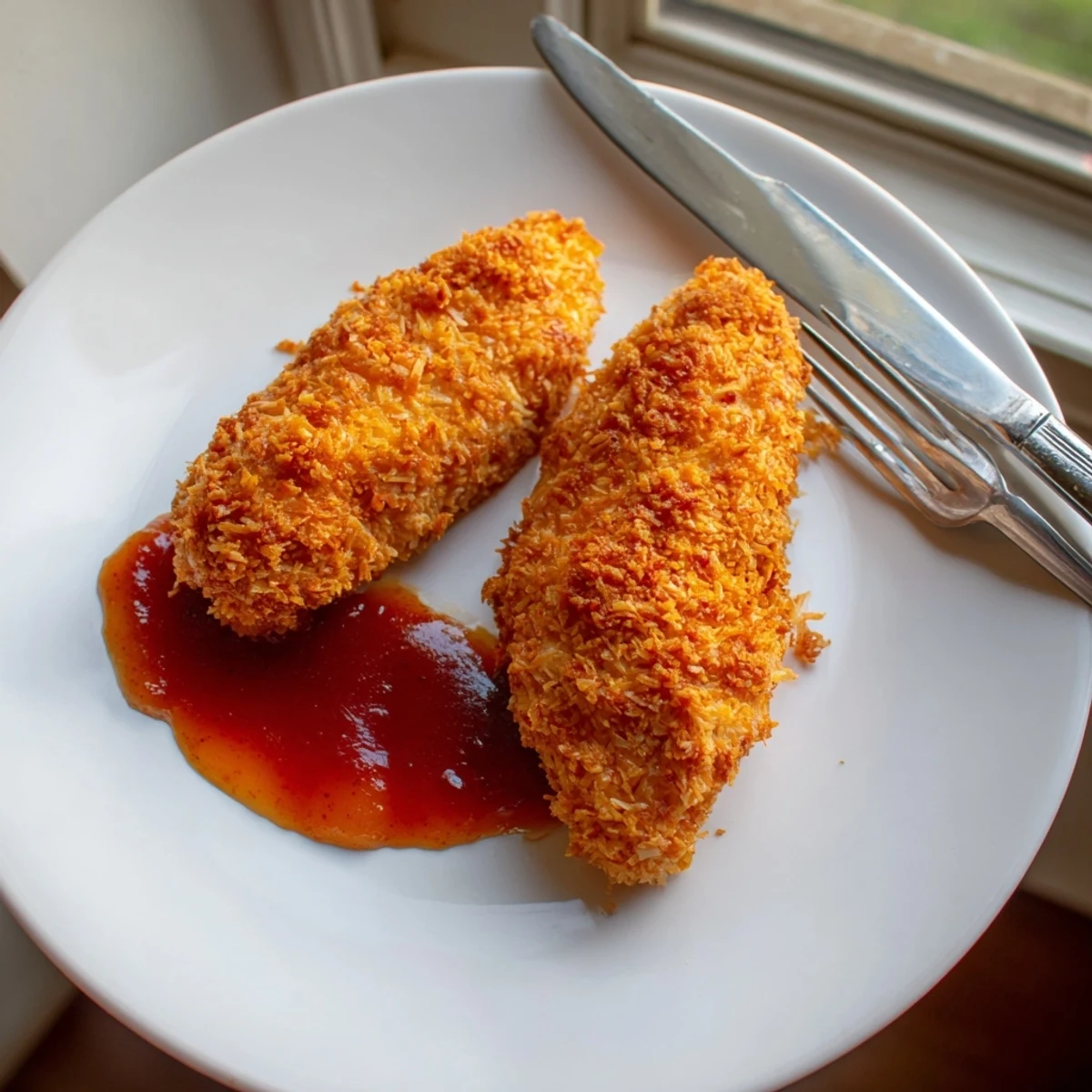
Save I will never forget the evening my daughter dipped her finger straight into the saucepan of warm apricot sauce, licked it clean, and looked at me with wide, conspiratorial eyes before whispering that it tasted like candy. She now volunteers to stir the sauce every single time I make this, standing on her little step stool with a wooden spoon, taking her job very seriously.
What to Serve Alongside This
Steamed jasmine rice is the obvious and perfect companion here because it soaks up every drop of that sticky apricot sauce like a sponge. A crisp green salad with a light vinaigrette also works wonders, giving your palate something fresh and tangy between bites of rich, crunchy chicken.
Swaps and Substitutions
If you need a gluten-free version, simply swap the all-purpose flour for a one-to-one gluten-free blend and use gluten-free panko, which is now available in most grocery stores. Large shrimp work beautifully in place of chicken if you want a faster cooking tropical seafood variation, just reduce the oven time to about eight minutes.
Storing and Reheating Leftovers
Leftover coconut chicken keeps well in an airtight container in the refrigerator for up to three days, though the crust will soften over time. To bring back some of that original crunch, reheat the pieces on a wire rack set over a baking sheet in a 190 degree Celsius (375 degree Fahrenheit) oven for about ten minutes. The apricot sauce can be stored separately and gently reheated on the stove or in the microwave with a splash of water to loosen it.
- Freeze unbreaded chicken with the sauce in separate containers for up to two months for a quick meal prep option.
- Never microwave the breaded chicken directly unless you enjoy soggy coconut disappointment.
- Always check that reheated chicken reaches an internal temperature of 74 degrees Celsius (165 degrees Fahrenheit) before serving.
 Save
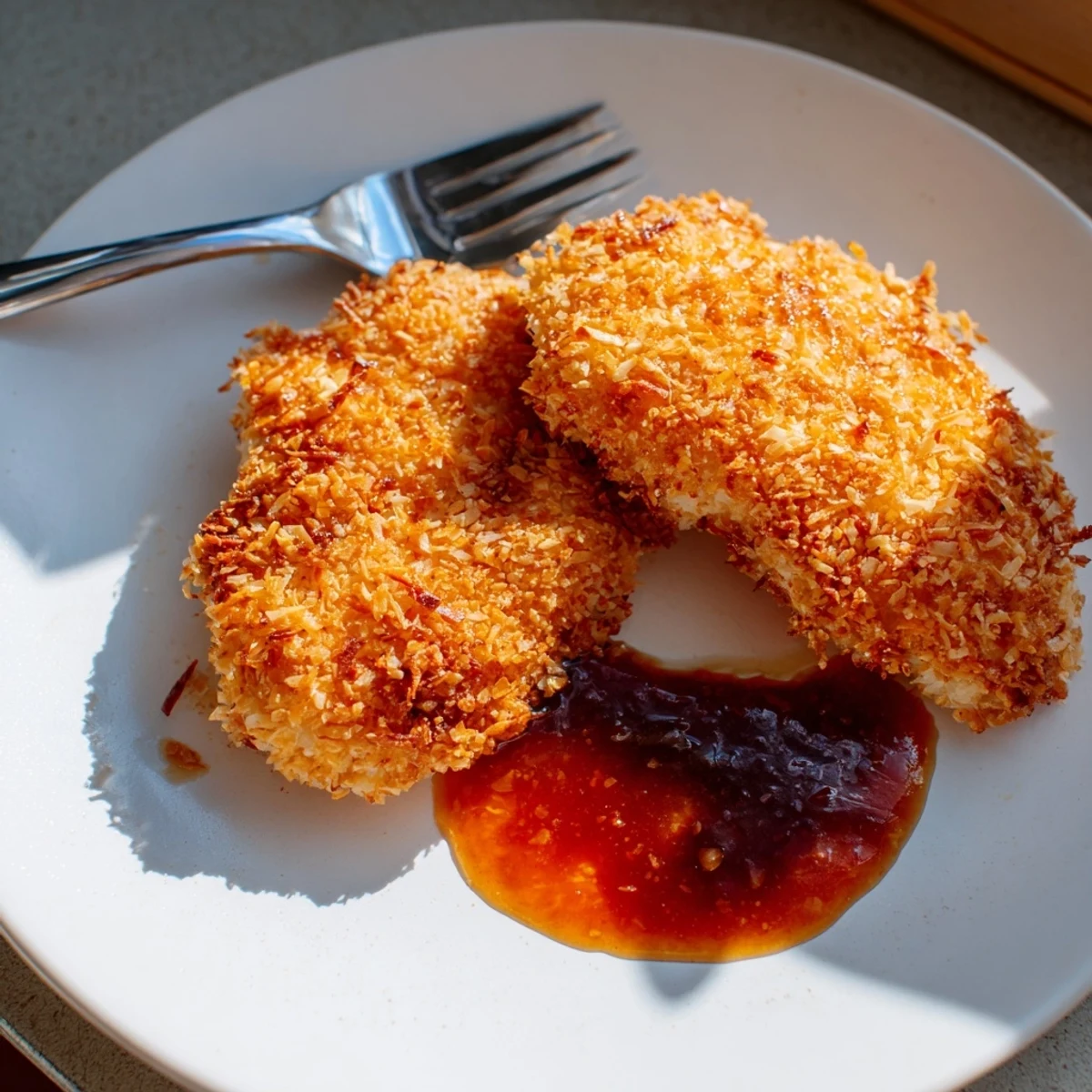
Save This is the recipe I reach for when I want dinner to feel a little special without spending my whole evening in the kitchen. It is crunchy, sweet, savory, and just tropical enough to make an ordinary weeknight feel like a small vacation.
Recipe FAQ
- → How do I keep the coconut coating crisp?
-
Pat chicken dry before dredging, press the coconut-panko firmly onto the surface, and avoid overcrowding the pan when frying. Finish briefly in a hot oven to cook through without sogginess.
- → What oil is best for frying?
-
Use a neutral oil with a high smoke point such as vegetable or light olive oil. Coconut oil adds complementary flavor but watch temperature closely to prevent burning.
- → How can I tell when the chicken is done?
-
Cook until the exterior is golden and an instant-read thermometer reads 74°C (165°F) at the thickest part. Rest briefly before slicing to retain juices.
- → How can I adjust the apricot sauce consistency?
-
Simmer the sauce longer to thicken, or thin it with a splash of water or rice vinegar if too thick. For more tang, add a little extra rice vinegar or a squeeze of fresh lime.
- → What gluten-free swaps work well?
-
Use a gluten-free all-purpose flour for dredging and certified gluten-free panko or crushed rice crackers in place of breadcrumbs. Ensure labels confirm no cross-contamination.
- → Can this be made ahead and reheated?
-
Prepare the chicken and sauce separately. Reheat the chicken briefly in a hot oven to restore crispness and warm the sauce gently on the stove. Assemble just before serving.