
 Save
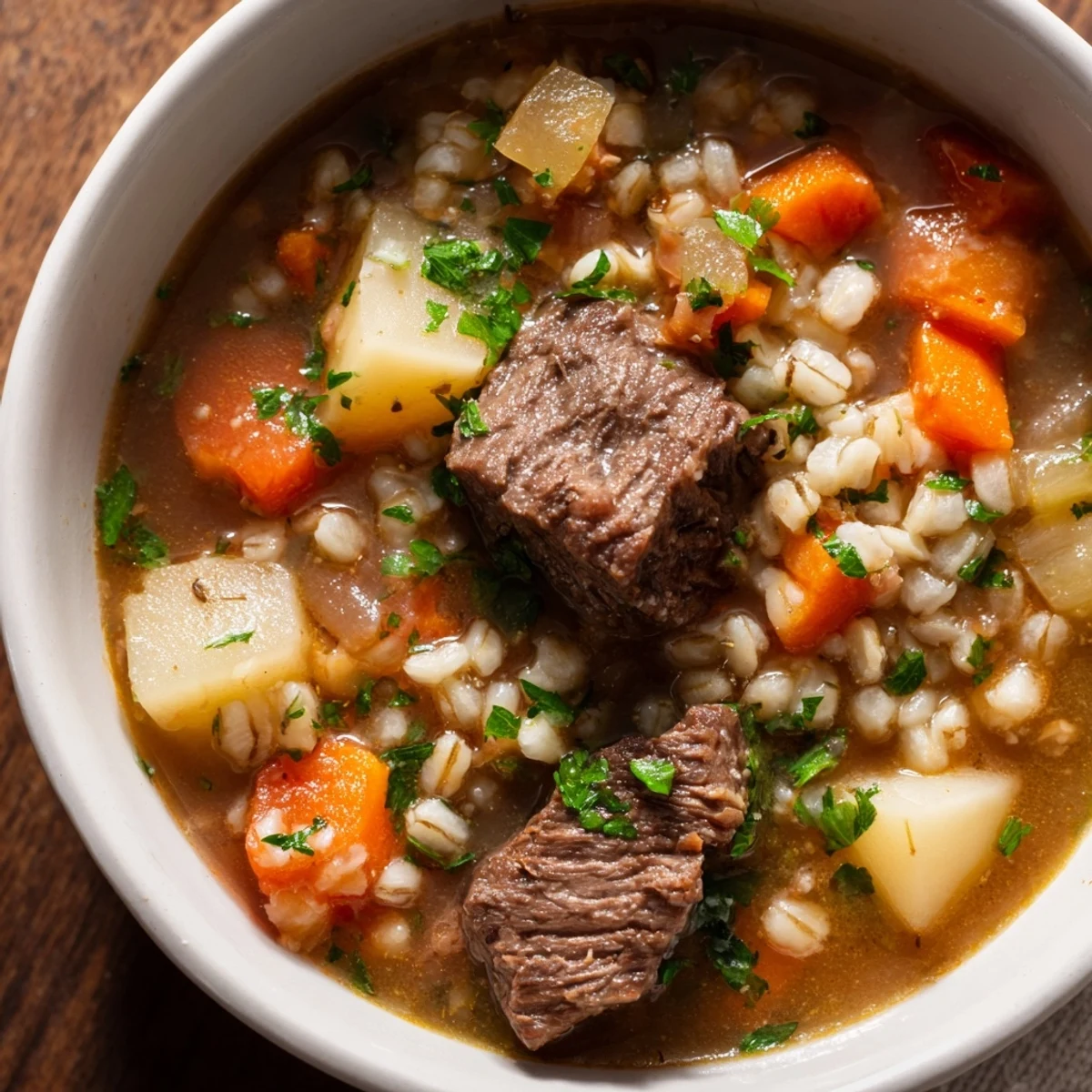
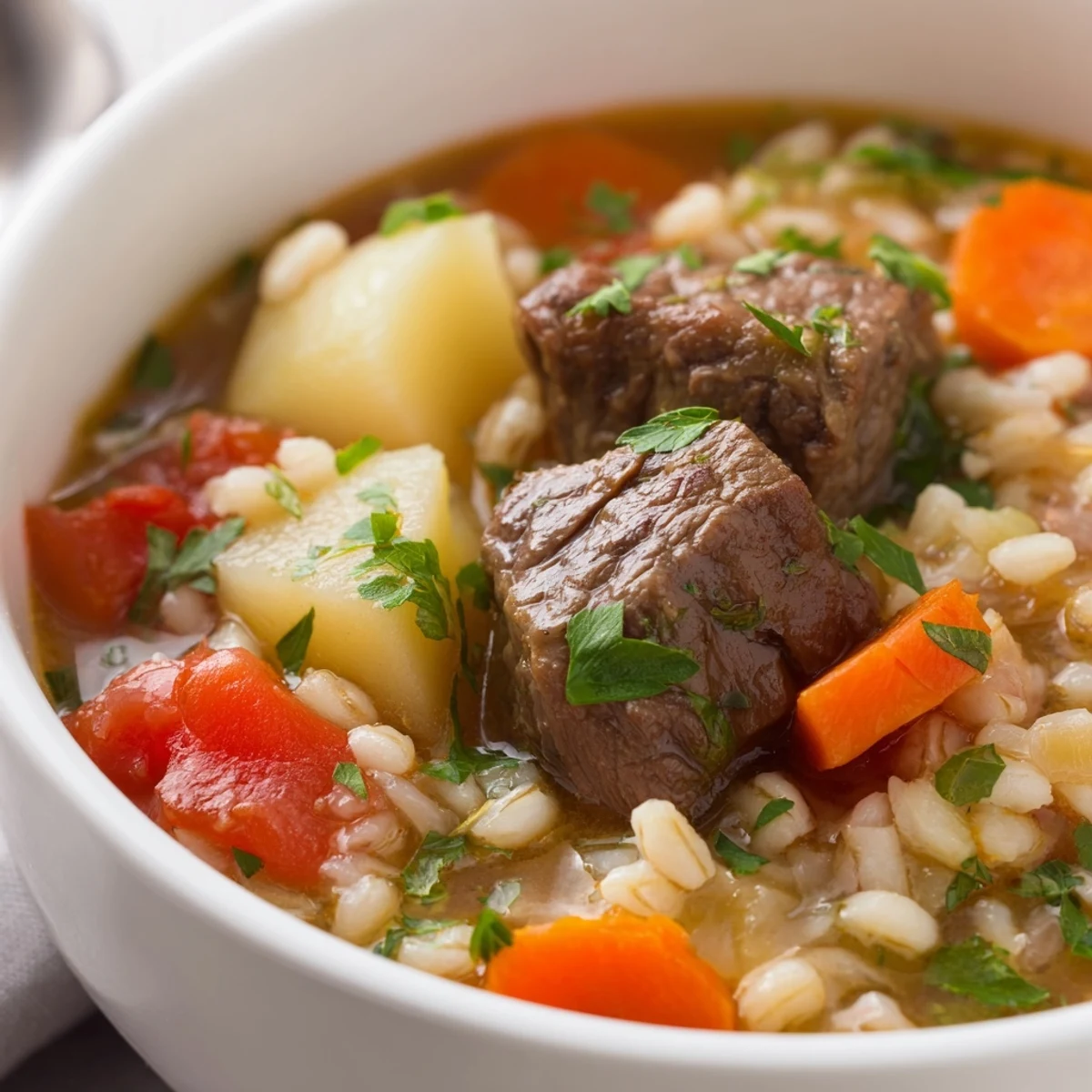
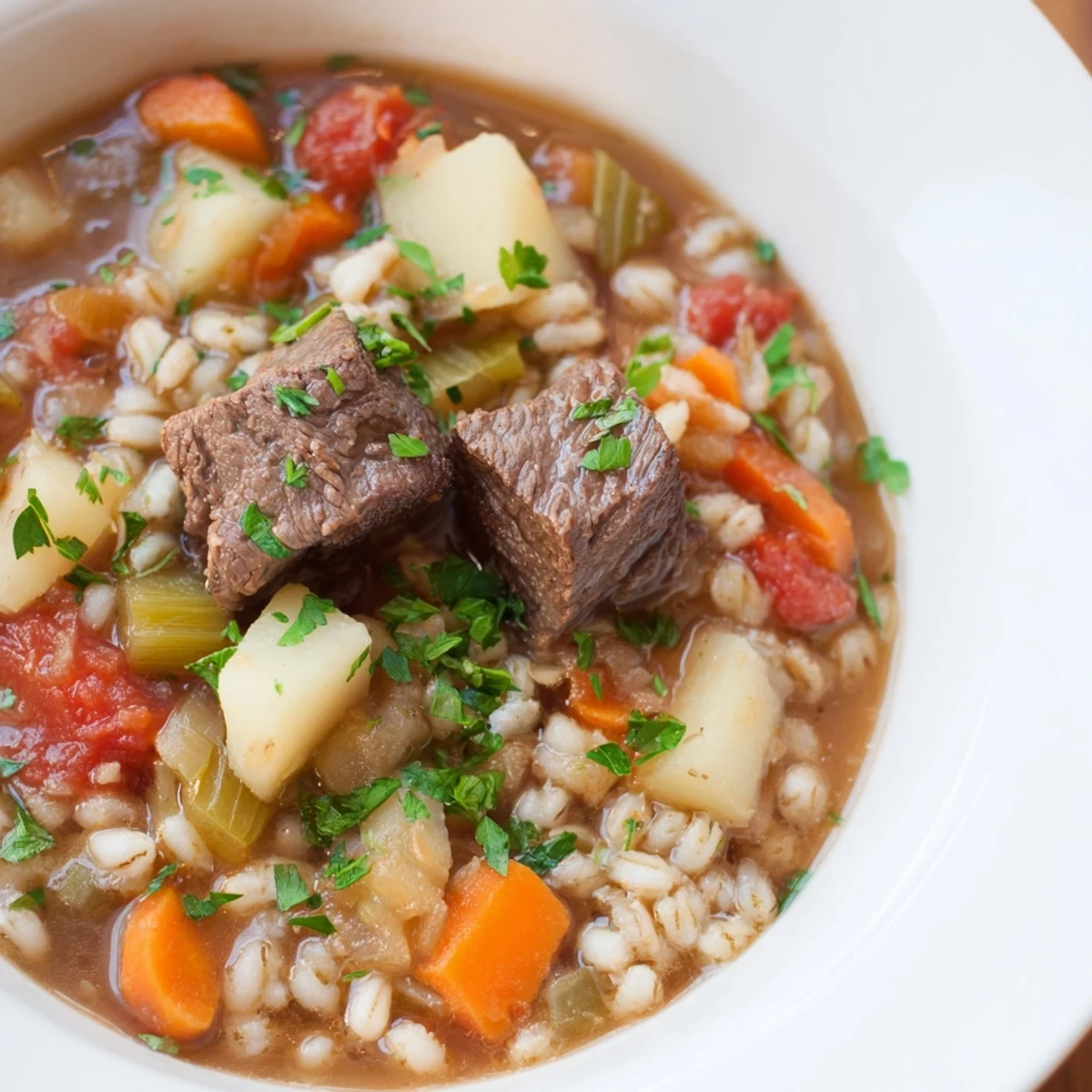
Save This hearty stew features tender cubes of beef slowly simmered with pearl barley and a medley of fresh vegetables including carrots, celery, onion, and green beans. Aromatic herbs like thyme and rosemary infuse each bite, while tomato paste and broth build a rich, comforting base. The barley adds wholesome texture, making this dish ideal for chilly evenings. Garnished with fresh parsley, it brings warmth and nourishment to the table with every serving.
There's something about the first real cold snap of the season that makes me crave a pot of something slow-simmered and deeply satisfying. Years ago, I found myself with leftover barley in the pantry and a chunk of beef chuck that needed rescuing, so I threw together what would become my go-to stew for those evenings when the kitchen needs to do the heavy lifting. The house fills with this warm, savory aroma that somehow makes everything feel manageable again.
I remember serving this to my neighbor on a particularly rough Monday when she'd just started a new job and was exhausted. She came over skeptical about stew and left with a container for the next day, text message and all. That's when I knew this recipe had moved from my kitchen notes into something worth passing along.
Ingredients
- Beef chuck, 1.5 lbs cut into 1-inch cubes: This cut has enough marbling to become impossibly tender during the long braise; avoid leaner cuts that turn stringy.
- Olive oil, 1 tbsp: Just enough to get a proper sear on the beef without making the stew greasy.
- Carrots, 2 medium peeled and sliced: They soften into sweet little coins and help balance the savory depth.
- Celery, 2 stalks diced: The backbone of flavor here; don't skip it even if you're tempted.
- Onion, 1 large chopped: It dissolves almost completely, creating the stew's sweet foundation.
- Garlic, 2 cloves minced: Added after the softer vegetables to keep its bright note from disappearing.
- Potato, 1 large peeled and diced: Adds heartiness and a subtle creamy texture as it breaks down slightly.
- Green beans, 1 cup cut into 1-inch pieces: Their slight bitterness cuts through the richness; add them late so they stay just tender.
- Diced tomatoes with juices, 1 can (14 oz): The acid keeps the stew bright and prevents it from tasting heavy.
- Pearl barley, 2/3 cup rinsed: Rinsing removes the starch so it doesn't turn the broth cloudy; this grain absorbs all the surrounding flavors beautifully.
- Beef broth, 6 cups: Quality matters more than you'd think; taste it before you buy.
- Water, 1 cup: Dilutes the salt content of the broth and lets the beef flavor come through.
- Tomato paste, 2 tbsp: Concentrates the umami; dissolve it into the broth rather than dropping it in whole.
- Bay leaf, 1: Remove it before serving or risk someone's spoon hitting it awkwardly.
- Dried thyme, 1 tsp: Thyme feels like it was invented for beef stew.
- Dried rosemary, 1 tsp: Use your fingers to crush it slightly as you add it so the oils release.
- Black pepper, 1/2 tsp: Add more at the end if you like heat.
- Salt, 1 tsp: Start conservative; you can always add more but you can't take it back.
- Fresh parsley, 2 tbsp chopped: The final brightness that reminds you this meal is alive.
Instructions
- Sear the beef until it's caramelized:
- Heat the oil in your pot over medium-high heat until it shimmers. Working in batches so you don't crowd the pan, add the beef and let it sit for a few minutes before stirring; you're looking for a deep golden crust on each piece. This takes about 12 minutes total and feels like the most important step because it is.
- Build the aromatic base:
- Add onion, carrots, and celery to the same pot and stir occasionally for about 5 minutes until everything softens and the onion turns translucent. The bottom of the pot will be covered with browned bits from the beef; this is called fond and it's pure flavor, so don't wash it away.
- Add the garlic and rest of the ingredients:
- Stir in the minced garlic for just a minute, then add the beef back to the pot along with the tomatoes, tomato paste, broth, water, and all the herbs and spices. Stir everything together until the tomato paste dissolves into the liquid.
- Simmer low and slow for the first hour:
- Bring the pot to a boil, then immediately reduce the heat to low, cover with a lid slightly ajar, and let it bubble very gently. The beef needs time to soften but not so much heat that it toughens up again.
- Add the barley, potatoes, and beans:
- After an hour, when the beef is already getting tender, stir in the rinsed barley, diced potatoes, and green beans. Everything from here on cooks together for another 45 to 60 minutes, until the barley is tender but still has a slight bite to it.
- Finish and taste:
- Fish out the bay leaf, then taste a spoonful of broth and adjust with salt and pepper. It should taste like the best version of itself, not too salty but confident in its savory depth.
- Serve warm with garnish:
- Ladle the stew into bowls and scatter fresh parsley across the top. That green against the warm browns makes people happy before they even taste it.
 Save
Save One of my favorite moments with this stew came on a evening when a friend called in the middle of my cooking it, having a rough time, so I just left it simmering and went to sit with her for an hour. When I returned, the kitchen smelled so good and the stew had somehow deepened in flavor in that small time away. It reminded me that sometimes the best things we make don't need us hovering over them constantly.
Why Barley Changes Everything
Barley is one of those grains that doesn't get its moment in the spotlight often enough. Unlike rice, which would disappear into invisibility, or pasta, which would bloat with liquid, barley holds its shape while absorbing all the surrounding flavors into itself. Each grain becomes a tiny pocket of beefy, herby goodness, and the texture it creates in the stew feels substantial in a way that feels purposeful rather than accidental.
Making It Your Own
This recipe is forgiving in the way good home cooking should be. A splash of red wine stirred in with the broth adds a subtle depth that makes people ask what your secret is. Some seasons I swap half the beef for lamb, which brings an earthier note that pairs beautifully with the thyme and rosemary. Mushrooms can replace the beef entirely if you're feeding vegetarians, though switch to vegetable broth to keep the umami rich.
Storage and Reheating
This stew was practically invented for make-ahead cooking; it tastes noticeably better the next day after the flavors have had time to settle into each other. Keep it refrigerated in an airtight container for up to four days, or freeze it for up to three months in portions so you can reheat just what you need. When you do reheat it, add a splash of water if it's thickened too much over time, and let it warm gently on the stove rather than in the microwave so the flavors don't taste jolted awake.
- Stir in crusty bread to soak up the broth like you're at the bottom of a bowl in a cozy restaurant.
- Serve alongside a simple green salad to cut through the richness.
- This is the kind of meal that deserves someone's full attention and a second bowl.
 Save
Save There's real comfort in a meal that asks so little of you besides a little patience and a decent pot. This stew has become the thing I reach for when I want to feed people something that feels like care in a bowl.
Recipe FAQ
- → What cut of beef works best for this stew?
-
Beef chuck is ideal due to its tenderness and flavor when slow-cooked, allowing it to become juicy and tender.
- → Can I substitute pearl barley with other grains?
-
Yes, steel-cut oats or farro can be used but may alter cooking time and texture slightly.
- → How do the herbs enhance the flavor?
-
Thyme and rosemary add earthy, aromatic notes that complement the beef and vegetables, enriching the overall taste.
- → Is it necessary to brown the beef first?
-
Browning seals in juices and creates a deeper, more complex flavor in the stew base.
- → What are good serving suggestions?
-
Serve with crusty bread or over mashed potatoes to soak up the flavorful broth.