
 Save
Save This classic Italian dish features layers of savory meat sauce made with ground beef and tomatoes, combined with creamy béchamel sauce and a blend of mozzarella, ricotta, and Parmesan cheeses. Using no-boil noodles, it is assembled in layers and baked until golden and bubbly. Aromatic herbs like basil and oregano enhance the flavor. Let rest before slicing to maintain structure and serve warm alongside fresh salad or crusty bread.
My nonna's kitchen always smelled like this lasagna—that particular warmth of tomatoes and butter layering over hours. I didn't learn to make it from a written recipe but from watching her hands, the way she'd taste the sauce with a wooden spoon and add a pinch more salt without measuring. Years later, when I finally made it myself, I realized the real secret wasn't in following steps perfectly, but in understanding why each layer mattered.
I made this the first time I had people over to my new apartment, and I was absolutely terrified something would go wrong. My friend arrived early and found me standing at the oven window like I was watching a surgical procedure, and we just laughed. When we pulled it out golden and bubbling, there was this collective exhale—the kind you feel when something you were worried about actually works.
Ingredients
- Olive oil: Use good quality here since it's a main flavor player in the meat sauce, not just a cooking fat.
- Ground beef: Don't brown it too hard; you want it to have texture, not be pulverized into dust.
- Crushed tomatoes: Canned is your friend—they're actually more consistent than fresh at creating that deep, cohesive sauce.
- Béchamel butter: Full fat and unsalted so you control the salt level and the sauce stays velvety.
- All-purpose flour: This is your thickener; don't skip the brief cooking step or it'll taste raw.
- Whole milk: Cold milk whisked into hot roux helps prevent lumps—this one trick changed everything for me.
- Ricotta cheese: Dollops matter here; you don't want it mixed in, but pockets of creamy richness throughout.
- Mozzarella and Parmesan: The mozzarella melts and binds everything, while Parmesan adds that sharp, salty note that brings focus to the whole dish.
Instructions
- Warm up your oven and start the sauce:
- Set the oven to 375°F so it's ready when you are. This lasagna bakes relatively hot, which helps it brown beautifully without drying out inside.
- Build the meat sauce foundation:
- Heat olive oil in a large skillet, then sauté the onion slowly until it's soft and translucent—this takes about 4 minutes and is worth the patience. Add the garlic for just 1 minute to wake it up without burning it, then crumble in the ground beef and break it apart as it browns, which takes about 5-7 minutes.
- Deepen the sauce flavor:
- Once the beef is cooked through, drain off any excess fat (you want flavor, not grease). Stir in the crushed tomatoes, tomato paste, oregano, basil, salt, pepper, sugar, and water, then let it simmer uncovered for 20-25 minutes, stirring occasionally so it doesn't stick to the bottom.
- Create the creamy béchamel:
- In a separate saucepan, melt the butter over medium heat, then stir in the flour and cook for 1-2 minutes until it turns pale golden and smells slightly nutty. Gradually whisk in the cold milk while stirring constantly to avoid lumps—this is the one step that requires patience, but it's worth it.
- Finish the béchamel with seasoning:
- Once the sauce is thick enough to coat a spoon, season it with nutmeg, salt, and white pepper. The nutmeg is subtle but essential; it's what makes this taste like the real thing.
- Layer with intention:
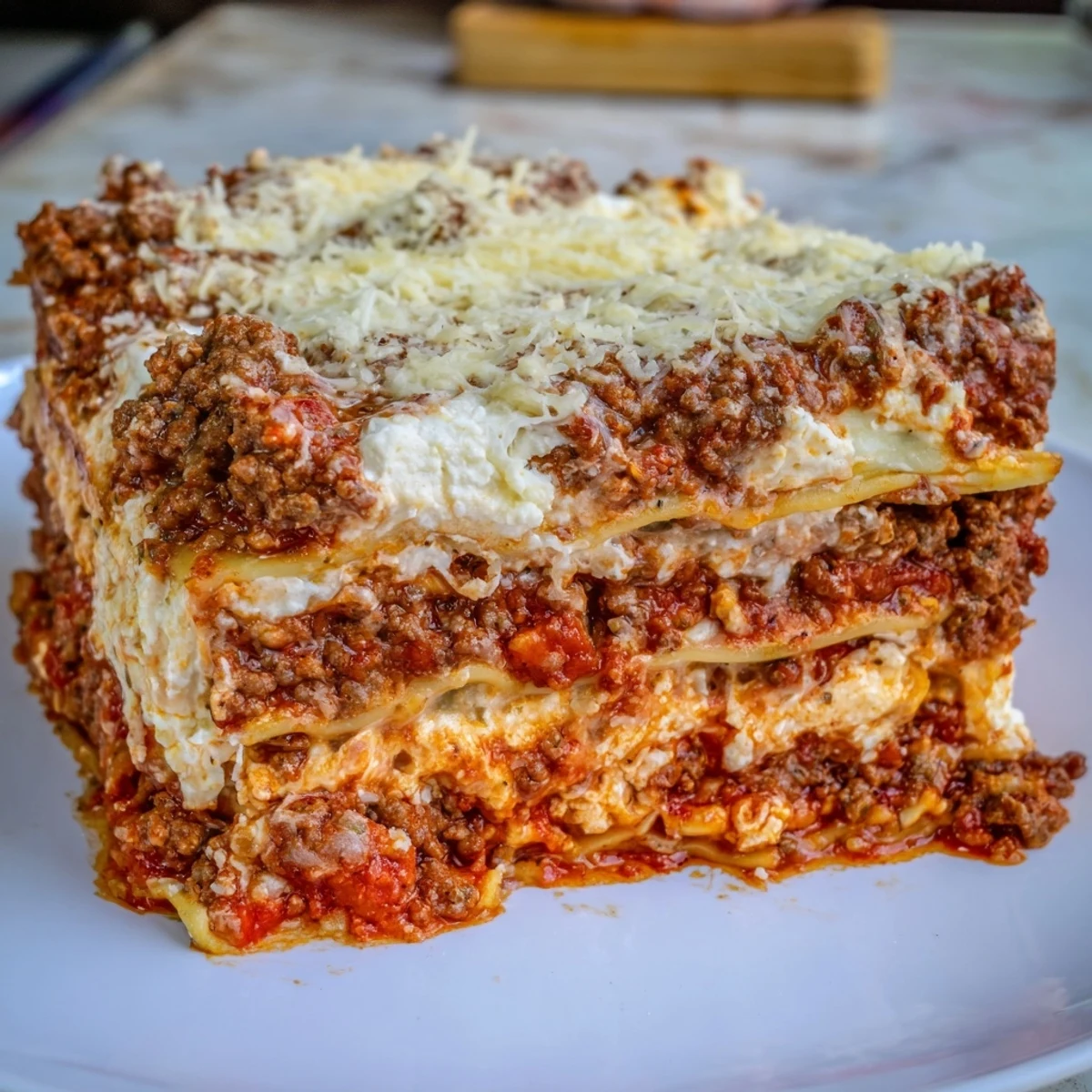
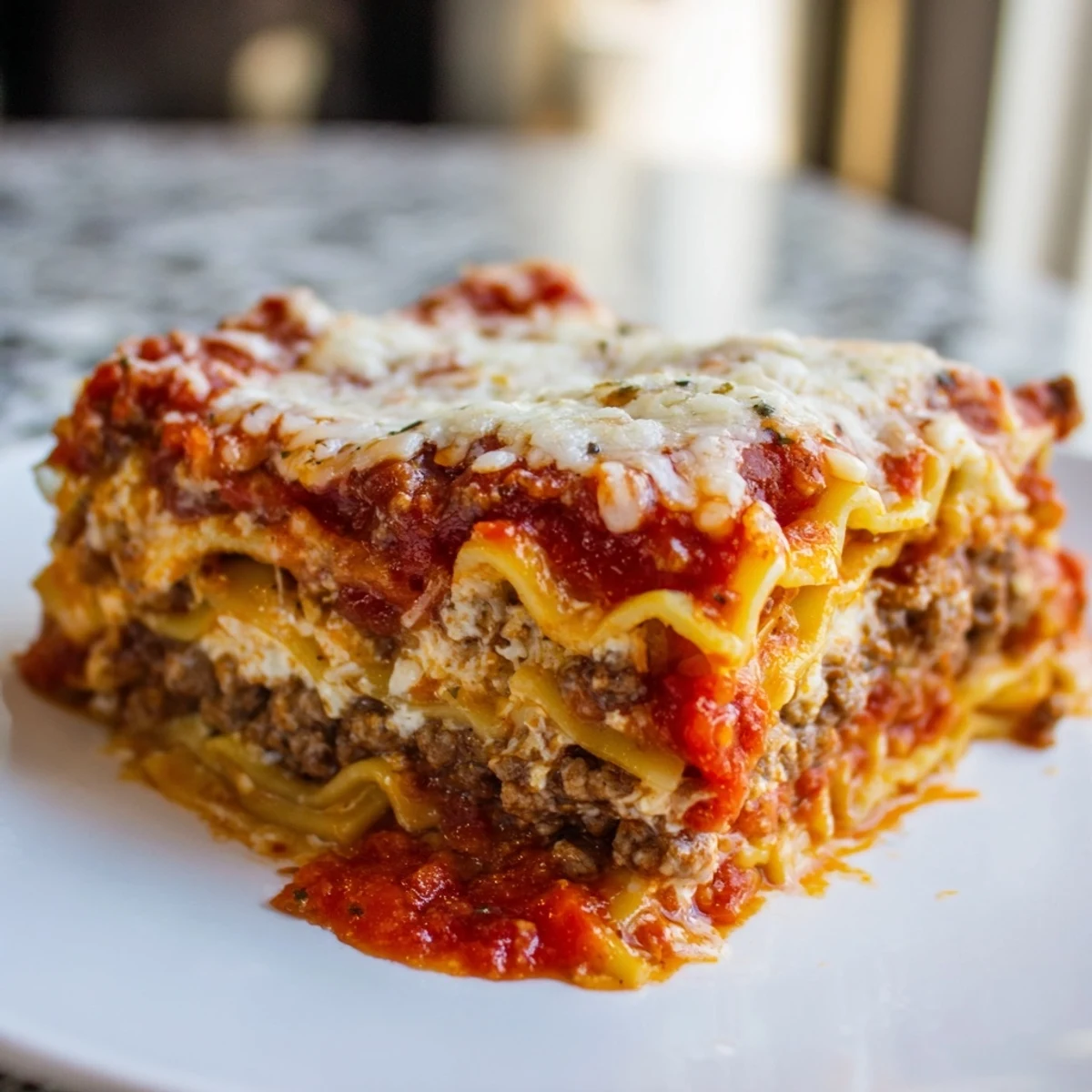
- Spread a thin layer of meat sauce on the bottom of your 9x13-inch baking dish, then layer noodles on top. Spread 1/3 of the béchamel over the noodles, then 1/3 of the meat sauce, then dollops of ricotta and scattered mozzarella and Parmesan. Repeat this sequence two more times, finishing with sauce and a generous sprinkle of cheese on top.
- Bake covered, then uncovered:
- Cover the dish with foil and bake for 30 minutes to let everything meld and heat through. Remove the foil and bake another 15-20 minutes until the top is golden and bubbling at the edges, which is when you know it's done.
- Let it rest before slicing:
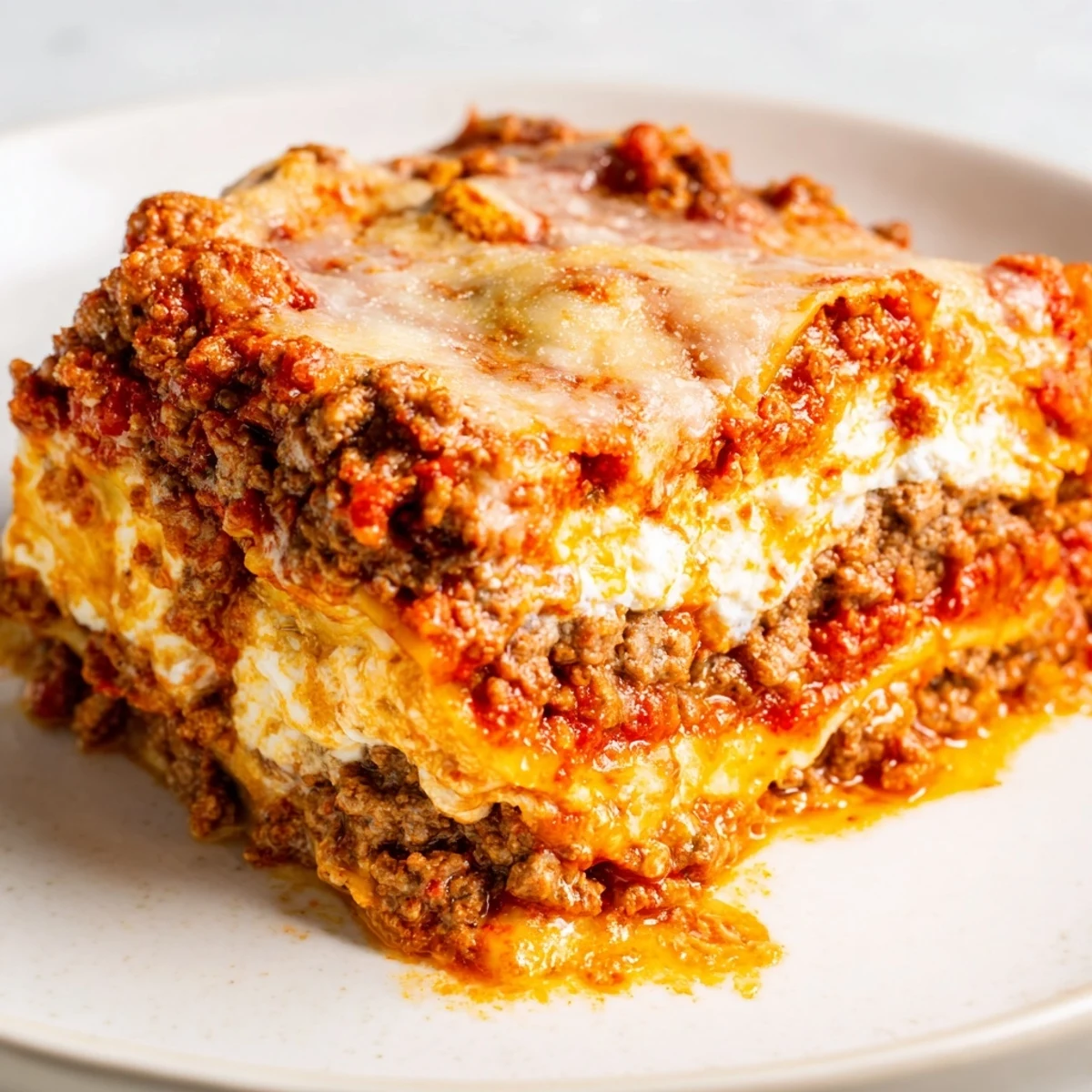
- This is the hardest step because it smells incredible, but wait 10-15 minutes so the lasagna sets slightly and you can cut clean portions instead of a beautiful mess.
 Save
Save I learned this lasagna's real power when I made it for a friend going through a rough time, and she cried a little when she tasted it. Not because it was fancy, but because it tasted like someone cared enough to layer things carefully, to wait for things to thicken and brown, to make something warm for her. That's when I understood it wasn't the ingredients at all—it was the intention.
The Meat Sauce Secret
The meat sauce is really just taking time to build flavor, not rushing it. When you sauté that onion slowly, you're not just softening it—you're coaxing out its natural sweetness, which becomes the base for everything else. The garlic gets one minute because it burns easy and turns bitter if you're not careful. The long simmer at the end matters too; those 20-25 minutes let the tomatoes break down and marry with the herbs in a way that tastes intentional, not thrown together.
Béchamel Technique That Matters
Béchamel seems intimidating but it's really just learning the rhythm: melt butter, add flour, cook briefly until it's pale and smells toasty, then gradually whisk in cold milk while the heat is on so it thickens slowly and evenly. The gradual milk addition is key—if you dump it all in at once, you're fighting lumps the whole time. This sauce is what makes lasagna feel luxurious instead of just meat and noodles stacked together.
Assembly and Baking Wisdom
The layering is where you get to play architect, and there's actually a logic to it. Start with sauce on the bottom so nothing sticks, then noodles, then your three components in order: béchamel first (it's the binder), then meat sauce (the flavor), then ricotta and cheese (the richness). Repeat this three times, finishing with sauce and cheese on top so it browns beautifully. The covered bake keeps everything from drying out, and the uncovered finish gives you that golden, slightly crispy top that everyone wants.
- If using fresh lasagna noodles instead of no-boil, cook them according to package directions and lay them flat on a clean kitchen towel so they don't stick together.
- Don't be shy with the cheese layers—this is not the time for restraint, and every layer should have cheese pockets throughout.
- A 9x13-inch dish is standard, but the same ratio works in slightly smaller or larger dishes; just adjust baking time by 5-10 minutes.
 Save
Save Lasagna is the kind of dish that tastes like home, not because of anything fancy, but because someone took the time to layer it carefully. Make it for people you want to feed well, and somehow it'll taste like exactly that.
Recipe FAQ
- → How should the meat sauce be prepared?
-
Sauté onion and garlic in olive oil, brown the ground beef, then simmer with crushed tomatoes, tomato paste, herbs, and spices until thickened.
- → What is the purpose of the béchamel sauce?
-
The béchamel adds creamy richness and balances the acidity of the tomato-based meat sauce, creating smooth layered textures.
- → Can I use regular noodles instead of no-boil?
-
Yes, regular lasagna noodles should be cooked according to package directions before layering to ensure tenderness.
- → How long should the lasagna rest after baking?
-
Let the dish stand 10–15 minutes after baking to allow layers to set and make slicing easier.
- → What herbs enhance the flavor best?
-
Dried oregano and basil are used in the meat sauce, with fresh basil or parsley optional for garnish to add freshness.