
 Save
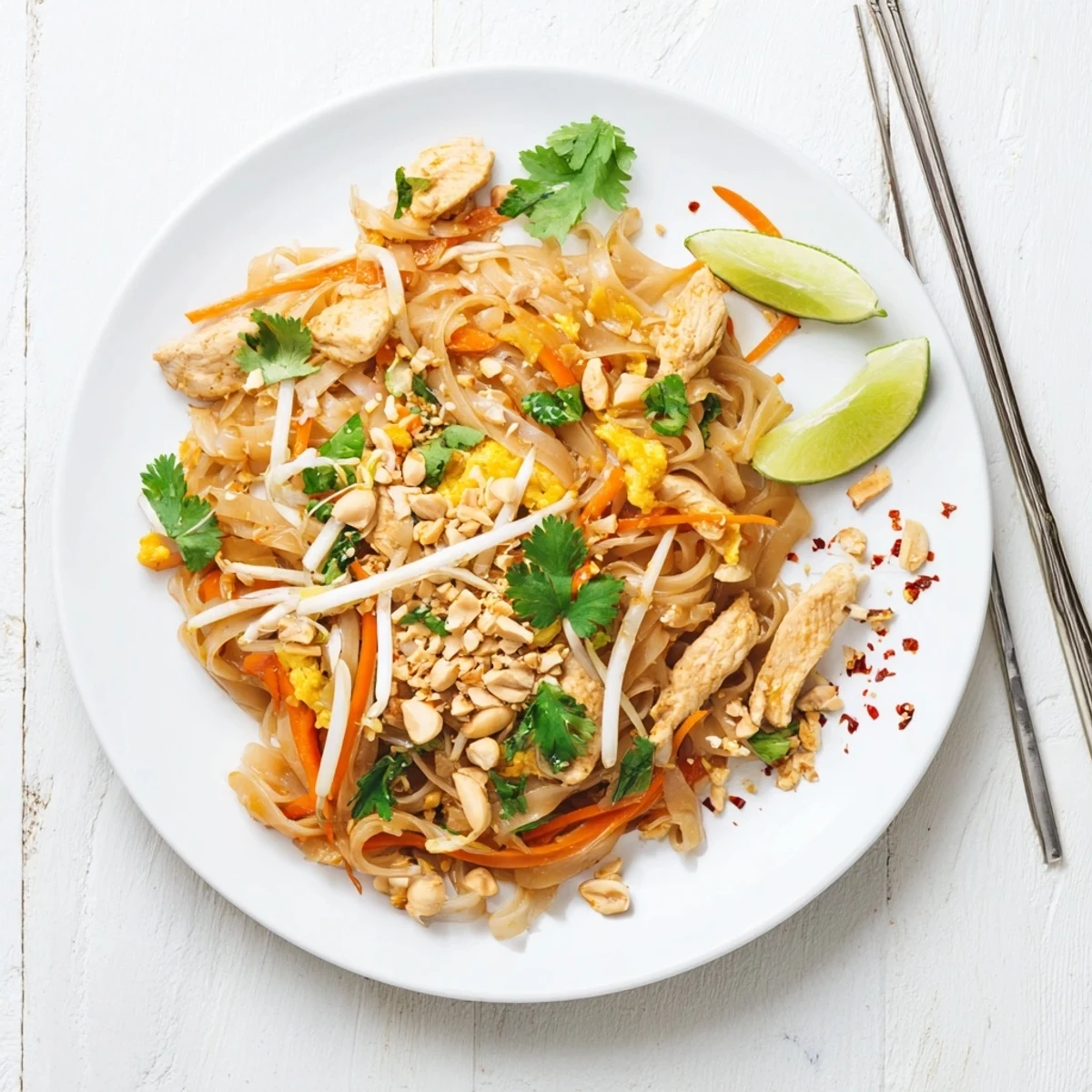
Save Experience the authentic flavors of Thailand with this vibrant stir-fry featuring tender chicken slices and flat rice noodles coated in a perfectly balanced tamarind sauce. The dish combines sweet, sour, and savory elements through fish sauce, palm sugar, and fresh lime, while crushed peanuts add satisfying crunch.
Ready in just 40 minutes, this crowd-pleasing dish delivers restaurant-quality results at home. Customize with extra vegetables, substitute tofu for a vegetarian option, or adjust chili flakes to your preferred spice level.
The first time I attempted Pad Thai at home, I stood in my tiny kitchen with ingredients spread across every available surface, questioning why I thought takeout was ever worth abandoning. My wok was smoking, the tamarind paste looked mysterious, and somewhere between scrambling eggs and tossing noodles, something clicked. The balance of tangy, sweet, and savory suddenly made sense, and that night marked the end of my delivery dependency.
Last winter my sister called me in a panic, craving Pad Thai but snowed in and refusing to brave the storm for takeout. I walked her through each step over the phone, listening to her wok sizzle and her excited gasps when the sauce finally coated the noodles. Now she texts me photos of her Pad Thai every time she makes it, claiming her version rivals anything from our favorite Thai spot downtown.
Ingredients
- 400 g boneless skinless chicken breast or thighs: Slice thinly against the grain for tenderness, thighs stay juicier during high heat cooking
- 2 large eggs: Room temperature eggs scramble better and incorporate seamlessly into the noodles
- 250 g dried flat rice noodles: The quarter inch width is traditional, soak until pliable but still firm to the touch
- 3 tbsp fish sauce: This is your salt source, adjust based on your sodium preference
- 2 tbsp tamarind paste: The soul of Pad Thai, look for the concentrated pulp, not the premade sweetened sauce
- 2 tbsp palm sugar or light brown sugar: Palm sugar melts beautifully and adds subtle caramel notes
- 1 tbsp soy sauce: Adds depth and that gorgeous golden color to the noodles
- 3 tbsp vegetable oil divided: Peanut oil is traditional but any neutral high heat oil works perfectly
- 3 garlic cloves minced: Fresh garlic only, never powdered, it burns too quickly and turns bitter
- 1 small shallot finely chopped: Shallots have a delicate sweetness that regular onions cannot replicate
- 100 g bean sprouts: Add them last so they stay crisp and refreshing
- 2 spring onions sliced: Separate the whites for cooking and greens for garnish
- 1 small carrot julienned: Optional but adds lovely crunch and color contrast
- 60 g roasted unsalted peanuts: Chop them right before serving so they stay fresh and aromatic
- 1 lime cut into wedges: Essential for that final squeeze of brightness before eating
- Fresh cilantro leaves: The herbal finish that balances the rich sauce
Instructions
- Prepare the noodles:
- Soak rice noodles in warm water for 20 to 30 minutes until pliable but still firm, drain and set aside
- Mix the sauce:
- Whisk fish sauce, tamarind paste, sugar, and soy sauce until sugar completely dissolves
- Cook the chicken:
- Heat 1 and half tablespoons oil in a large wok over medium high heat, stir fry chicken until just cooked through then remove
- Sauté aromatics:
- Add remaining oil to wok, cook garlic and shallot for 30 seconds until fragrant but not browned
- Scramble eggs:
- Push aromatics to side and crack eggs into space, scramble quickly until just set
- Combine everything:
- Add drained noodles and sauce, toss constantly to coat noodles evenly in the sauce
- Add remaining ingredients:
- Return chicken to wok with bean sprouts, spring onion whites, and carrot, stir fry 2 to 3 minutes until noodles are tender
- Garnish and serve:
- Remove from heat and top with peanuts, spring onion greens, cilantro, lime wedges, and chili flakes
 Save
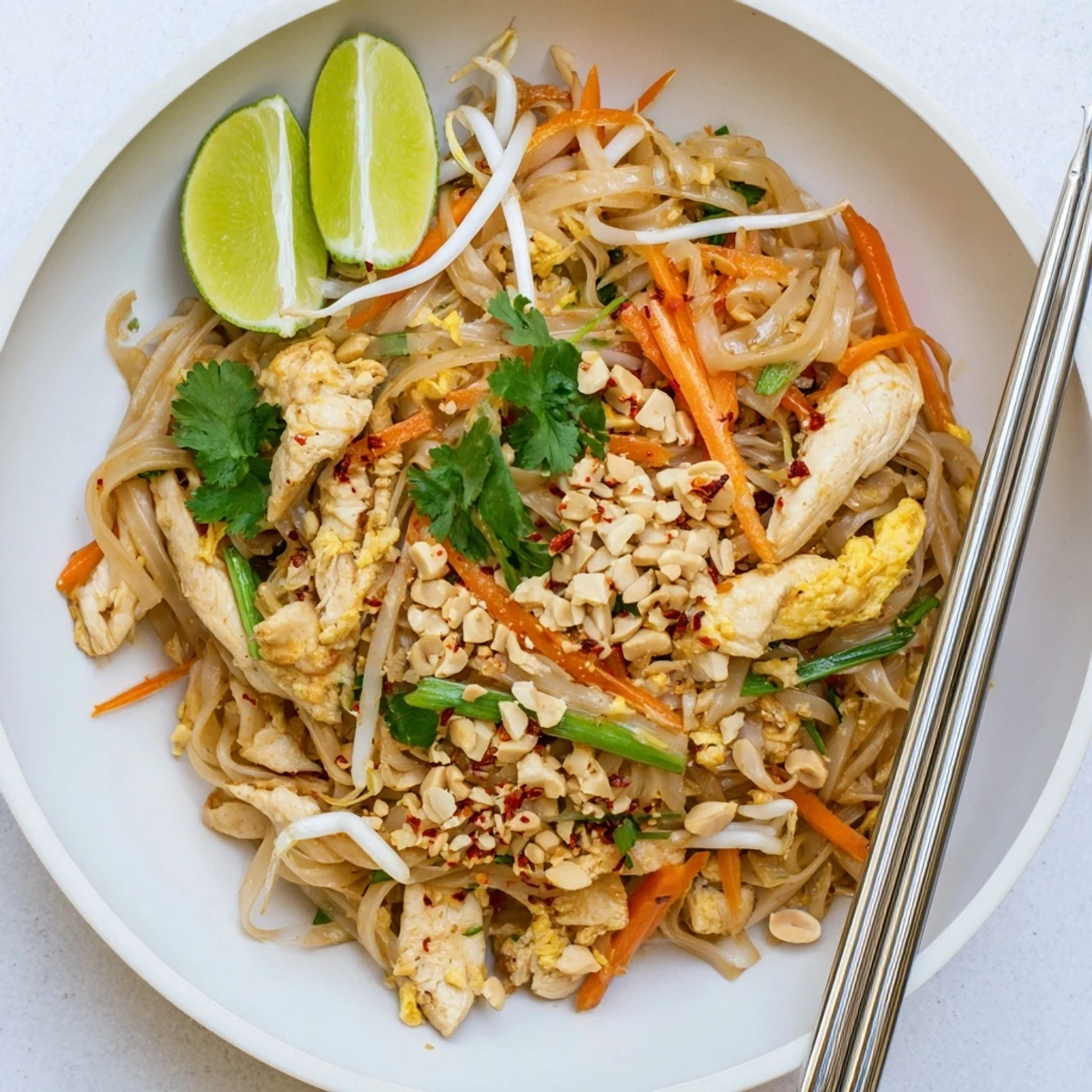
Save This recipe has become my go to for busy weeknight dinners when I want something that feels special but does not require hours of preparation. The rhythm of prep cooking and plating has become almost meditative, and the first bite with that squeeze of fresh lime never fails to transport me back to that first snowy evening when everything finally clicked.
Getting The Noodle Texture Right
The secret lies in the soaking stage. Noodles should bend easily but still offer resistance when you try to snap them. They finish cooking in the sauce, absorbing all those incredible flavors while maintaining their signature chew. I learned this the hard way after turning three batches into starchy disappointment before finally understanding the timing.
Building Your Sauce Balance
Everyones palate differs, and I always recommend making the sauce as written first then adjusting. Taste it before adding to noodles, knowing the flavors will concentrate slightly during cooking. I keep extra lime and fish sauce nearby to tweak at the end, because the perfect balance is personal and worth the extra minute to get right.
Mastering The Wok Technique
High heat and constant movement are your best friends here. Let the ingredients make contact with the hot surface without overcrowding, toss everything vigorously, and trust your nose to tell you when aromatics have released their fragrance. The smell of garlic hitting hot oil should make your mouth water, not signal panic.
- Keep a small bowl of water nearby to add if noodles start sticking
- Work in batches if your wok is smaller than recommended
- Have your serving platter ready and hot before you finish cooking
 Save
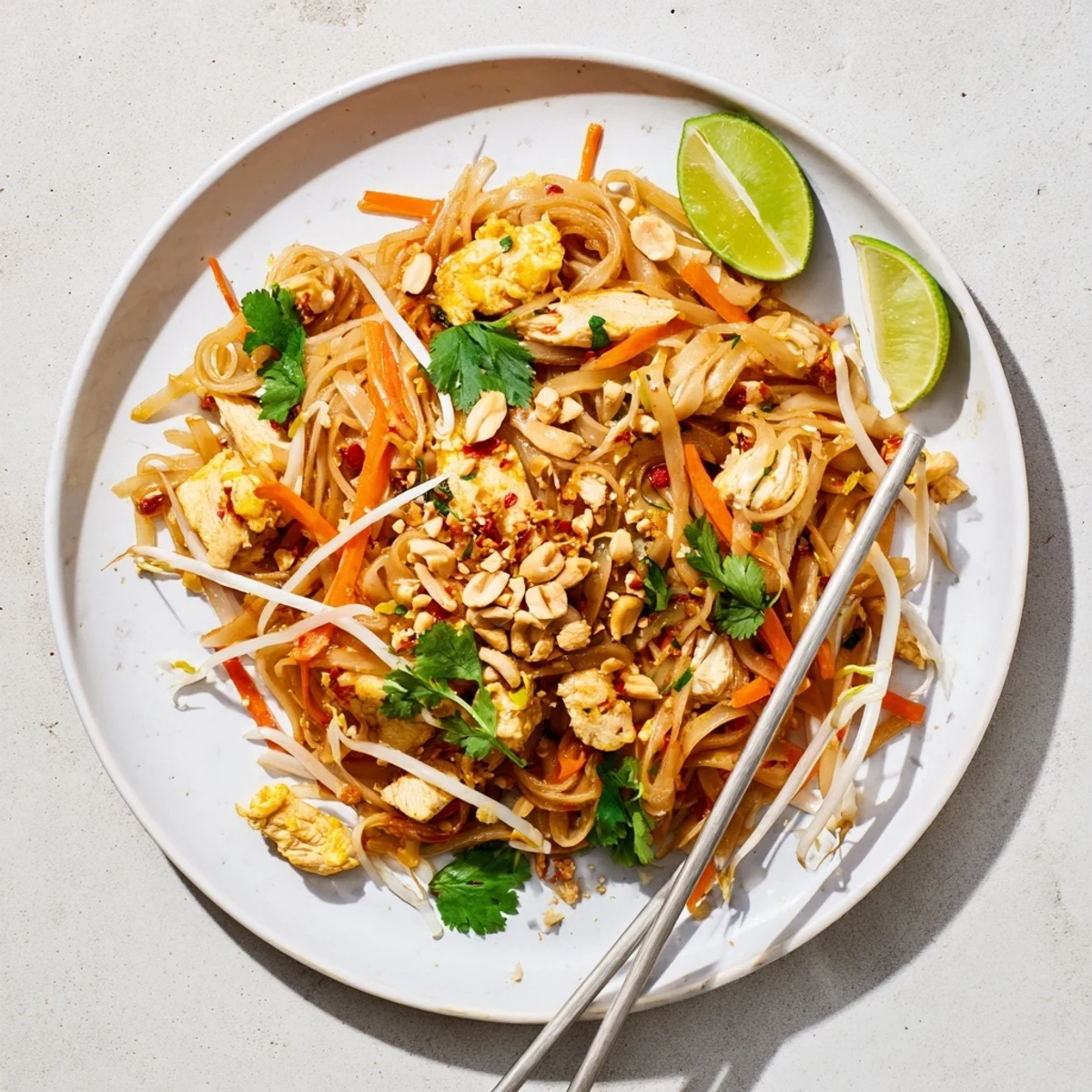
Save Gather your favorite people, squeeze that lime generously, and enjoy the satisfaction of creating something extraordinary in your own kitchen.
Recipe FAQ
- → How do I prevent rice noodles from sticking together?
-
Soak noodles in warm water until pliable but not fully soft. Drain well before adding to the wok. Toss continuously with sauce to keep them separated and evenly coated.
- → Can I make Pad Thai ahead of time?
-
Pad Thai tastes best served immediately while noodles are tender-crisp. However, you can prep ingredients in advance: slice chicken, mix sauce, and chop vegetables. Cook just before serving for optimal texture.
- → What's the best substitute for fish sauce?
-
For vegetarian versions, use additional soy sauce or vegan fish sauce alternatives. The flavor profile will differ slightly but still deliver satisfying umami notes to the dish.
- → How do I achieve the perfect balance of flavors?
-
Taste your sauce before adding to noodles. The ideal balance combines tangy tamarind, salty fish sauce, and sweet palm sugar. Adjust proportions slightly to suit your preference, then finish with fresh lime wedges at the table.
- → What type of noodles work best for Pad Thai?
-
Flat rice noodles approximately ¼ inch wide are traditional. Look for dried rice noodles labeled specifically for Pad Thai or pad see ew. Soak until pliable—they'll finish cooking in the wok with the sauce.
- → How can I add more vegetables to this dish?
-
Add julienned carrots, baby corn, snap peas, or bok choy during the final stir-fry. These maintain crunch while absorbing the flavorful sauce. Add delicate vegetables like mung bean sprouts in the last minute of cooking.