
 Save
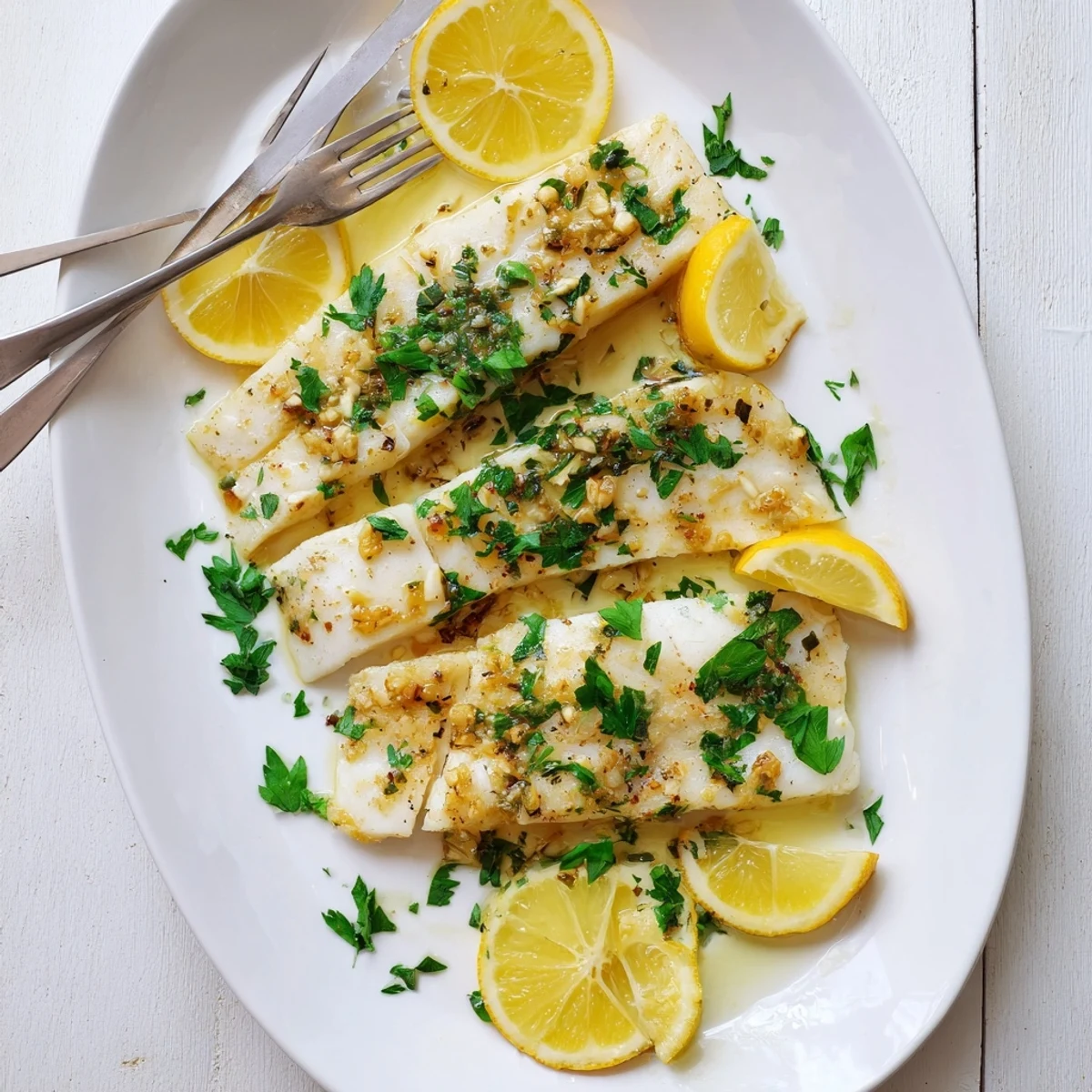
Save This Mediterranean-inspired dish transforms simple white fish into something extraordinary. The fillets soak up a vibrant marinade of fresh lemon juice, extra-virgin olive oil, and aromatic garlic, enhanced with dried oregano or thyme. After marinating for just 10-30 minutes, the fish bakes or pan-sears in about 15 minutes, emerging tender, flaky, and bursting with bright citrus-garlic flavor. A sprinkle of fresh parsley and lemon wedges completes this light yet satisfying meal that pairs beautifully with roasted vegetables or a simple grain.
The sizzle of fish hitting a hot pan on a Tuesday evening is one of those small sounds that makes a kitchen feel alive. I started making this lemon garlic fish years ago when I needed something fast but still felt like real cooking, not just throwing food together. The marinade comes together in about two minutes and transforms plain fillets into something that smells like a coastal holiday. It has never once let me down.
One summer evening I pan seared this for friends on a tiny apartment stove and we ate it standing around the kitchen counter with glasses of cold Sauvignon Blanc because nobody wanted to move to the table. The fish disappeared before the rice was even ready. That moment taught me that good food does not need a formal setting.
Ingredients
- 4 boneless white fish fillets (cod, haddock, or tilapia, about 150 g each): Thick cut fillets hold up better to marinating and cooking without falling apart.
- 3 tbsp fresh lemon juice: Bottled juice tastes flat and metallic next to the real thing, so always squeeze fresh.
- 2 tbsp extra virgin olive oil: This carries the flavor into the fish and helps achieve a golden sear.
- 3 cloves garlic, minced: Finely minced garlic distributes more evenly and melts into the marinade rather than clumping.
- 1 tsp sea salt: Salt is what makes the fish taste like fish instead of nothing.
- 1/2 tsp freshly ground black pepper: Pre ground pepper tastes dusty, so grind it right into the bowl.
- 1/2 tsp dried oregano or thyme: Either herb works, but oregano leans Greek and thyme leans French, so pick your mood.
- 2 tbsp fresh parsley, finely chopped: Parsley at the end adds a bright finish that ties everything together.
- 4 lemon wedges: A final squeeze at the table wakes up every bite.
Instructions
- Whisk the marinade together:
- In a small bowl, combine the lemon juice, olive oil, minced garlic, salt, pepper, and dried herb. Whisk until it looks unified and fragrant, about 15 seconds.
- Coat the fish:
- Lay the fillets in a shallow dish and pour the marinade over them, turning each piece so every side glistens. Let them sit for at least 10 minutes, but no more than 30, or the acid starts breaking down the flesh too much.
- Choose your cooking method:
- Preheat the oven to 200 degrees C (400 degrees F) if baking, or set a large non stick skillet over medium heat if pan searing. Both methods work beautifully, though the pan gives a nicer crust.
- Cook the fillets:
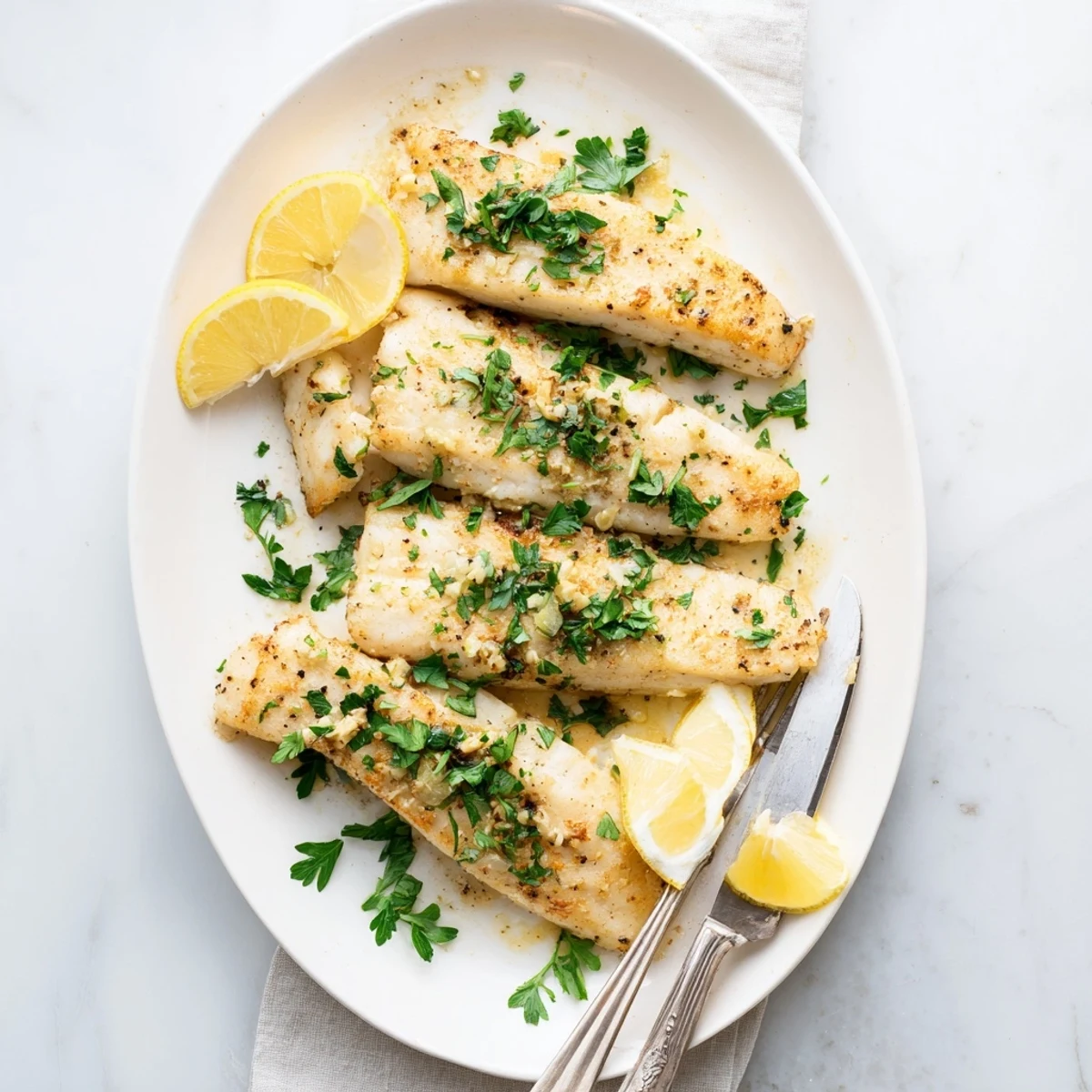
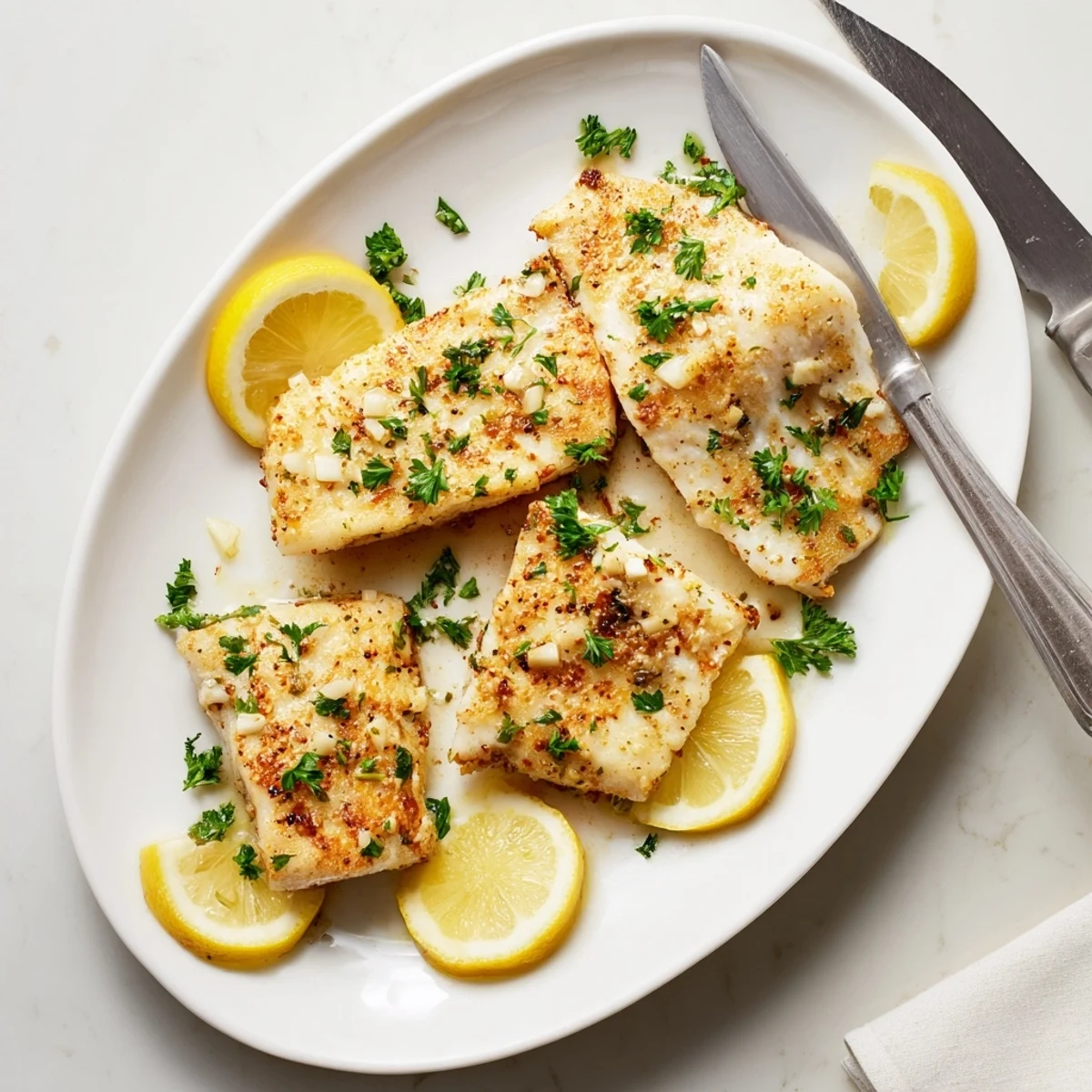
- For baking, arrange the fillets on a lined tray and bake 12 to 15 minutes until opaque and flaky. For pan searing, cook 3 to 4 minutes per side until the edges turn golden and the center is just opaque.
- Finish and serve:
- Transfer the fish to warm plates, scatter chopped parsley over the top, and tuck a lemon wedge beside each fillet. Serve immediately because this fish waits for no one.
 Save
Save I once packed the baked version of this in a cooler for a lakeside picnic and ate it cold with my hands on a rock, and somehow it tasted even better than when I made it at home with proper plates and silverware.
What to Serve Alongside
This fish loves simple company. Roasted vegetables with a bit of char, a pile of fluffy quinoa, or even just crusty bread to soak up the juices are all you need. I have also served it over a bed of arugula with olive oil and called it a complete meal, and nobody complained.
Switching Up the Fish
The marinade works just as well with salmon or trout if you want something richer. Salmon needs an extra minute or two per side but rewards you with crispy skin and a fattier, more luxurious bite. Trout cooks even faster than white fish, so keep a close eye on it.
Making It Your Own
Once you know the base recipe, small tweaks keep it exciting week after week. Try any of these next time you make it.
- Add a pinch of red pepper flakes to the marinade for a gentle heat that cuts through the richness.
- Swap the parsley for fresh dill if you want a cooler, more Scandinavian flavor.
- Always taste a piece before serving so you can adjust the salt and lemon one last time.
 Save
Save Keep this recipe in your back pocket for the nights when cooking feels like a chore and you will be surprised how often it turns a tired evening into something worth savoring.
Recipe FAQ
- → What type of fish works best for this dish?
-
White fish fillets like cod, haddock, or tilapia are ideal due to their mild flavor and firm texture. Salmon or trout also work wonderfully, adding a richer taste that complements the lemon-garlic marinade beautifully.
- → How long should I marinate the fish?
-
Marinate for at least 10 minutes to absorb the flavors, but no longer than 30 minutes. Extended marinating can break down the fish's delicate texture, so timing matters for optimal results.
- → Can I cook this on the stovetop instead of baking?
-
Absolutely. Pan-searing creates a golden crust while keeping the inside tender. Cook over medium heat for 3-4 minutes per side until the fish is opaque and flakes easily with a fork.
- → What sides pair well with this fish?
-
Roasted vegetables, rice, or quinoa make excellent accompaniments. The light flavors also complement fresh salads or steamed asparagus. A dry white wine like Sauvignon Blanc enhances the meal.
- → How do I know when the fish is done cooking?
-
The fish is ready when it turns opaque throughout and flakes easily with gentle pressure. The internal temperature should reach 145°F (63°C). Avoid overcooking to maintain the tender, moist texture.
- → Can I add extra spices to the marinade?
-
Red pepper flakes add a pleasant spicy kick. You can also experiment with dried basil, rosemary, or a touch of paprika for variation. Keep the lemon and garlic as the primary flavors for best results.