
 Save
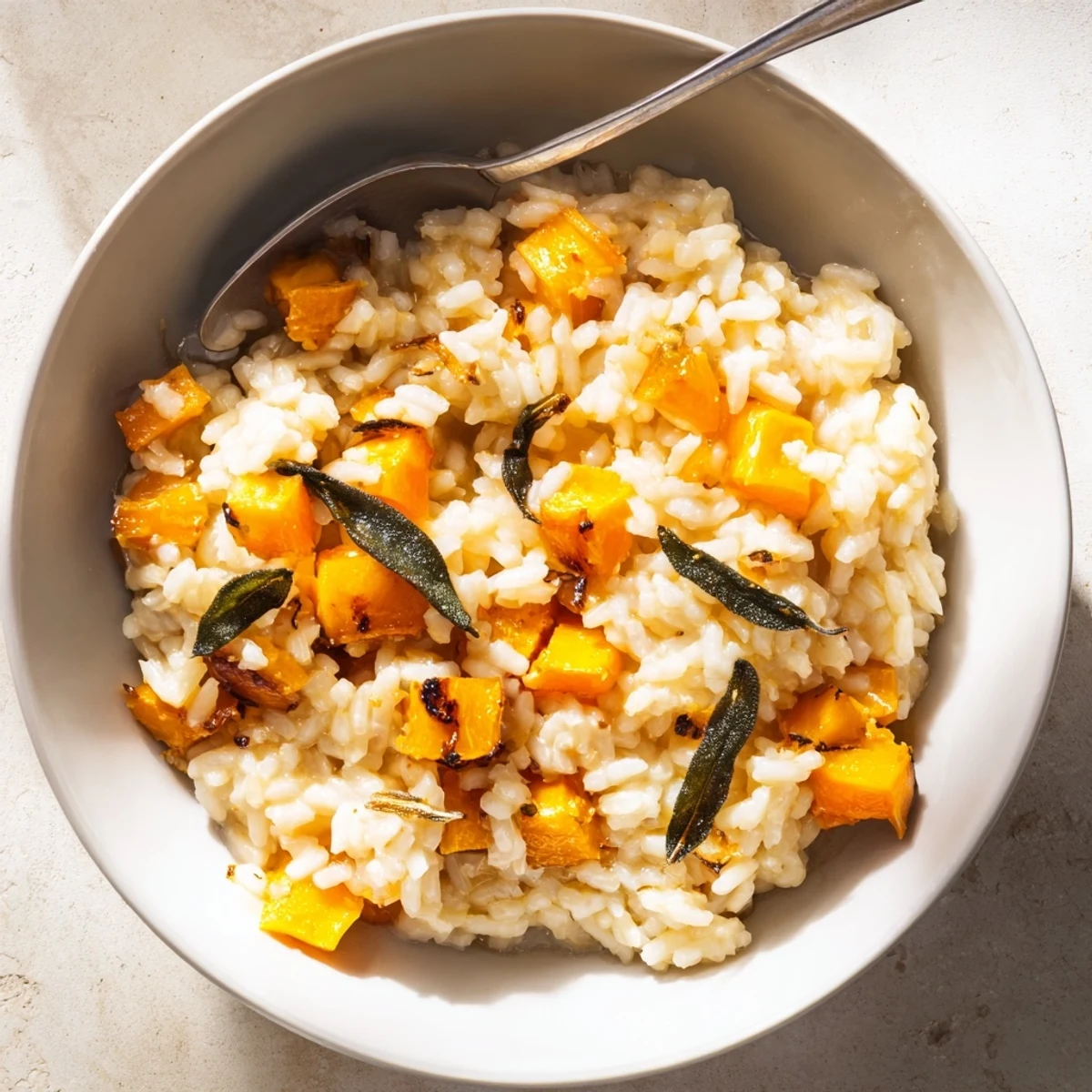
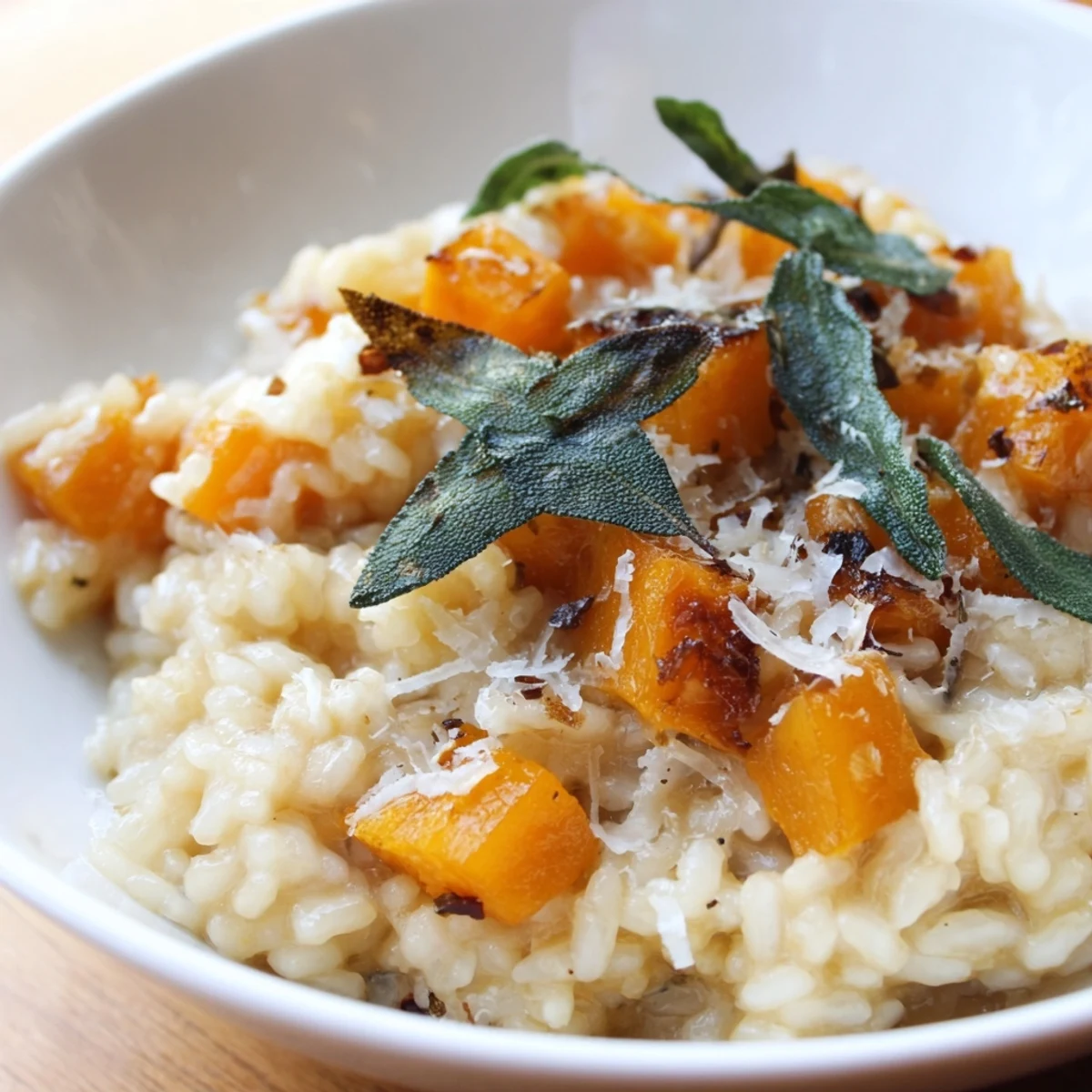
Save This comforting dish features creamy Arborio rice gently simmered with sweet roasted butternut squash. The risotto is enriched with butter and parmesan, then topped with golden, crispy sage leaves for a delightful aromatic finish. Perfect for cozy autumn evenings, it balances soft textures and savory, herb-infused flavors, making for a satisfying vegetarian, gluten-free option. Preparing the squash and slowly absorbing warm vegetable stock into the rice creates a luscious consistency full of depth and warmth.
There's something about the way butternut squash softens in the oven that makes you feel like autumn is actually here. I stumbled into this risotto one October afternoon when I had both a beautiful golden squash and the sudden urge to cook something that felt both impressive and impossibly comforting. What struck me most wasn't the cooking itself, but how the kitchen filled with this warm, honeyed smell that made everyone stop what they were doing and ask what was for dinner.
I made this for a dinner party once when I was too nervous to try anything complicated, and it ended up being the thing everyone talked about for weeks. Someone asked if I'd learned to cook in Italy, which was hilarious because I'd invented it in my small kitchen with a somewhat temperamental stove. That moment taught me that risotto isn't about perfection—it's about patience and butter, and those two things together can make almost anyone feel like a real cook.
Ingredients
- Butternut squash, 1 medium (900g / 2 lbs): Roasted until the edges caramelize, it becomes sweet and almost creamy, which is why you don't skip this step even though it feels like extra work.
- Arborio rice, 300g (1½ cups): This starchy, round-grain rice is what makes risotto actually creamy—regular rice will leave you frustrated and disappointed.
- Vegetable stock, 1.2 liters (5 cups): Keep it warm in another pot, because cold stock will shock the rice and mess up the whole texture.
- Butter, 60g (4 tbsp) divided: The secret to silky risotto and golden sage—don't be tempted to use oil for all of it.
- Parmesan cheese, 60g (½ cup) freshly grated: Grate it yourself from a block, because pre-grated falls flat and makes the rice grainy instead of creamy.
- Fresh sage leaves, 12–15: These become crispy and almost nutty when fried, creating texture and a moment of pleasant surprise in each bite.
- Yellow onion, 1 medium finely chopped: It sweetens as it cooks and becomes the flavor base for everything that follows.
- Garlic cloves, 2 minced: Add it after the onion so it doesn't burn and turn bitter.
- Olive oil, 2 tbsp: Use a better quality oil for the sage frying step.
- Salt and black pepper: Taste as you go and season at the very end when you can actually judge what you're tasting.
Instructions
- Roast the squash first:
- Toss your diced cubes with 1 tablespoon of olive oil, a pinch of salt, and pepper, then spread them out on a baking sheet and get them into a 200°C (400°F) oven. After about 20–25 minutes, when the edges are golden and a fork slides through easily, you'll know they're ready. This step happens while everything else waits, so don't rush it.
- Crisp the sage:
- Heat 2 tablespoons of butter and the remaining oil in your largest pan over medium heat, then lay the sage leaves flat in a single layer. After about a minute, when they're sizzling and the color deepens, flip them and give them another minute. Fish them out with a slotted spoon onto paper towels where they'll continue to crisp up and turn almost translucent.
- Build the base:
- Keep the same pan hot and add your chopped onion, stirring frequently until it turns soft and translucent—this takes about 4–5 minutes and is where your risotto gets its soul. Add the minced garlic and stir for just one minute so it becomes fragrant but not burned or bitter.
- Toast the rice:
- Pour in the Arborio rice and stir it constantly for about 2 minutes, watching the grains become glossy and coat themselves in butter. You're not cooking the rice yet, just waking it up and making sure it absorbs the fat.
- Add stock gradually:
- Pour in one ladle of warm stock and stir it into the rice, then wait until it's almost completely absorbed before adding the next ladle. This takes patience—roughly 18–20 minutes total—but it's the only way the rice releases its starch and becomes creamy instead of mushy. Stir frequently enough that nothing sticks to the bottom, but don't obsess over it every single second.
- Finish with squash and cheese:
- When the rice looks creamy and each grain is tender but still has a slight bite to it (that's al dente), gently fold in your roasted butternut squash. Stir in the remaining 2 tablespoons of butter and all your freshly grated Parmesan, then taste and adjust salt and pepper until it feels right to you.
- Serve immediately:
- Divide the risotto into warm bowls and crown each one with a handful of crispy sage leaves, then pass extra Parmesan at the table for anyone who wants more.
 Save
Save There was a moment while stirring the rice when I realized I wasn't watching the clock or thinking about whether this would turn out right—I was just in the kitchen, listening to the gentle sizzle, smelling butter and garlic and toasted grain, and feeling genuinely present. That's when risotto stopped being a recipe I was following and became something I was actually cooking, something that mattered because I was paying attention to it.
Why Butternut Squash in Autumn
Butternut squash reaches its peak sweetness in fall, and when you roast it, that sweetness deepens into something almost like caramel. It pairs beautifully with the earthiness of risotto and the nuttiness of sage, creating layers of flavor that feel seasonal without being heavy or overdone. The roasting also gives you texture—soft creamy rice with pockets of slightly caramelized squash—which is why you don't skip that step and just stir raw squash into the rice.
The Crispy Sage Question
Crispy sage is not garnish—it's architecture. Those leaves sitting on top give you a moment of texture and warmth and a hint of something herbal that makes the creamy risotto feel less heavy and more alive. I learned this the hard way by once skipping the sage thinking it was unnecessary, and the risotto tasted flat even though nothing had changed.
Variations Worth Trying
Once you know the basic rhythm, risotto becomes a canvas. A splash of dry white wine added after you toast the rice brings acidity and depth. A handful of toasted pine nuts stirred in at the very end adds a subtle crunch that no one can quite identify but everyone loves. Some people add a pinch of nutmeg to the squash, which sounds odd until you taste it and realize it was exactly what was missing.
- For vegan risotto, swap the butter and Parmesan for quality plant-based versions, and the result is still creamy and genuinely delicious.
- If you have fresh thyme or rosemary instead of sage, crisp those the same way and the dish transforms into something different but equally beautiful.
- Leftover risotto can be chilled and formed into patties, then fried until golden, which makes an excellent lunch the next day.
 Save
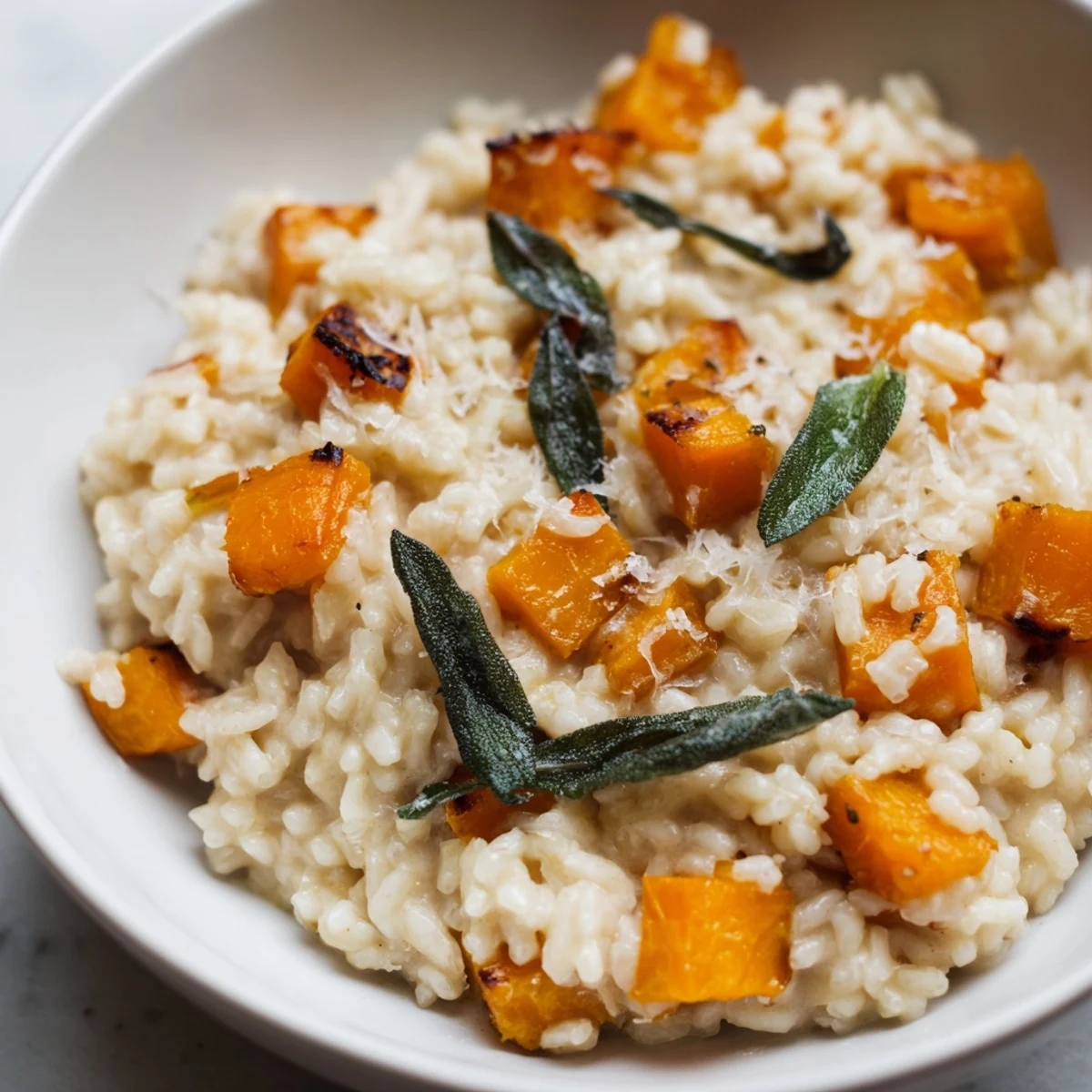
Save This risotto tastes like coming home to a kitchen that smells like autumn and butter and something worth the effort. It's the kind of dish that reminds you why you cook in the first place.
Recipe FAQ
- → How do I get crispy sage leaves?
-
Fry fresh sage leaves in butter and olive oil over medium heat for 1–2 minutes until golden and crisp. Drain on paper towels before serving.
- → Can I use a substitute for butternut squash?
-
Yes, other sweet winter squashes like acorn or kabocha can be roasted and used similarly for texture and flavor.
- → What is the best way to achieve creamy risotto?
-
Slowly add warm vegetable stock a ladle at a time to Arborio rice, stirring frequently until each portion is absorbed, creating a creamy texture.
- → How can I make the dish vegan?
-
Replace butter with plant-based alternatives and omit or use vegan parmesan substitutes to keep the creamy texture and flavor.
- → What wine pairs well with this dish?
-
A crisp white wine like Pinot Grigio complements the rich, creamy flavors and herbaceous notes of the dish effectively.