
 Save
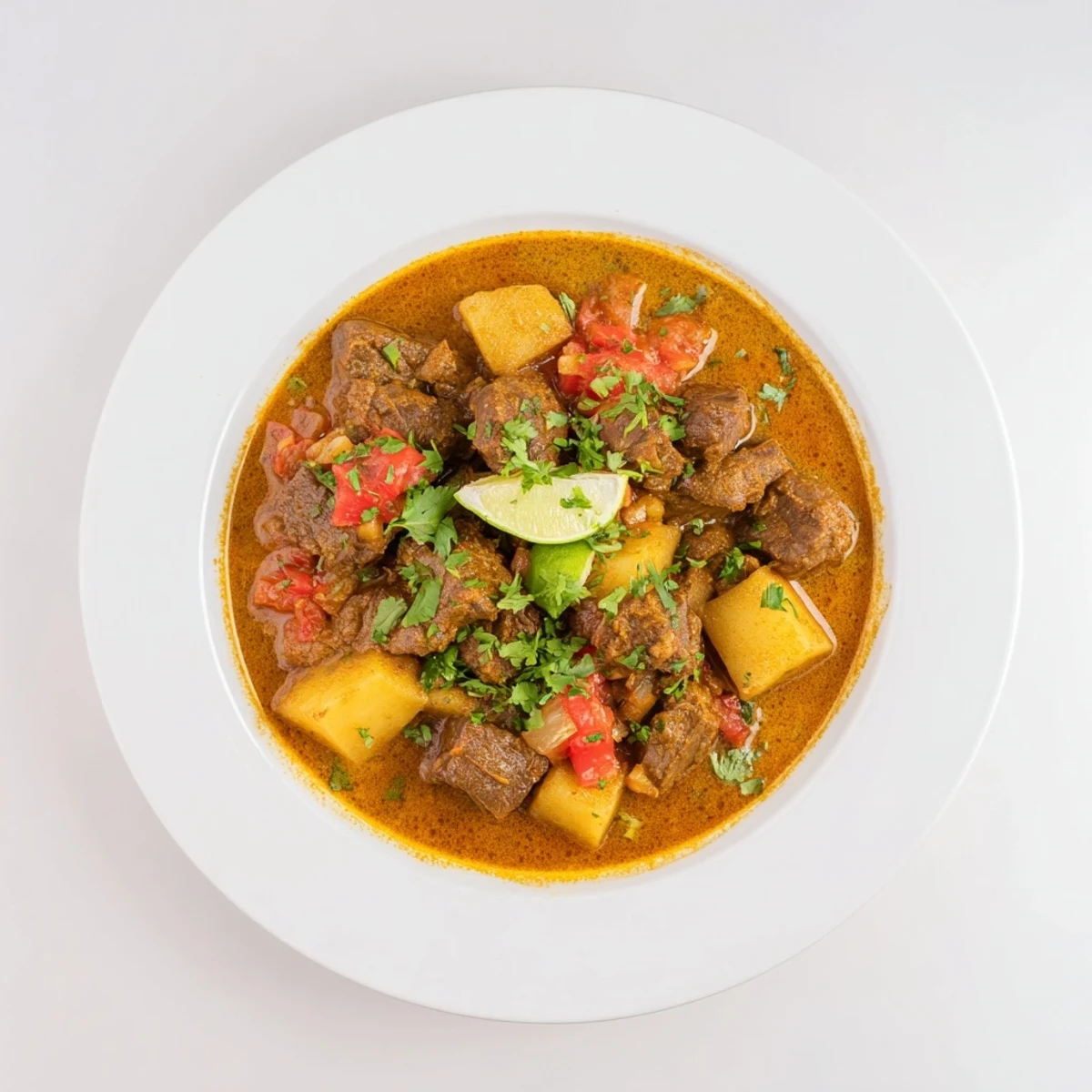
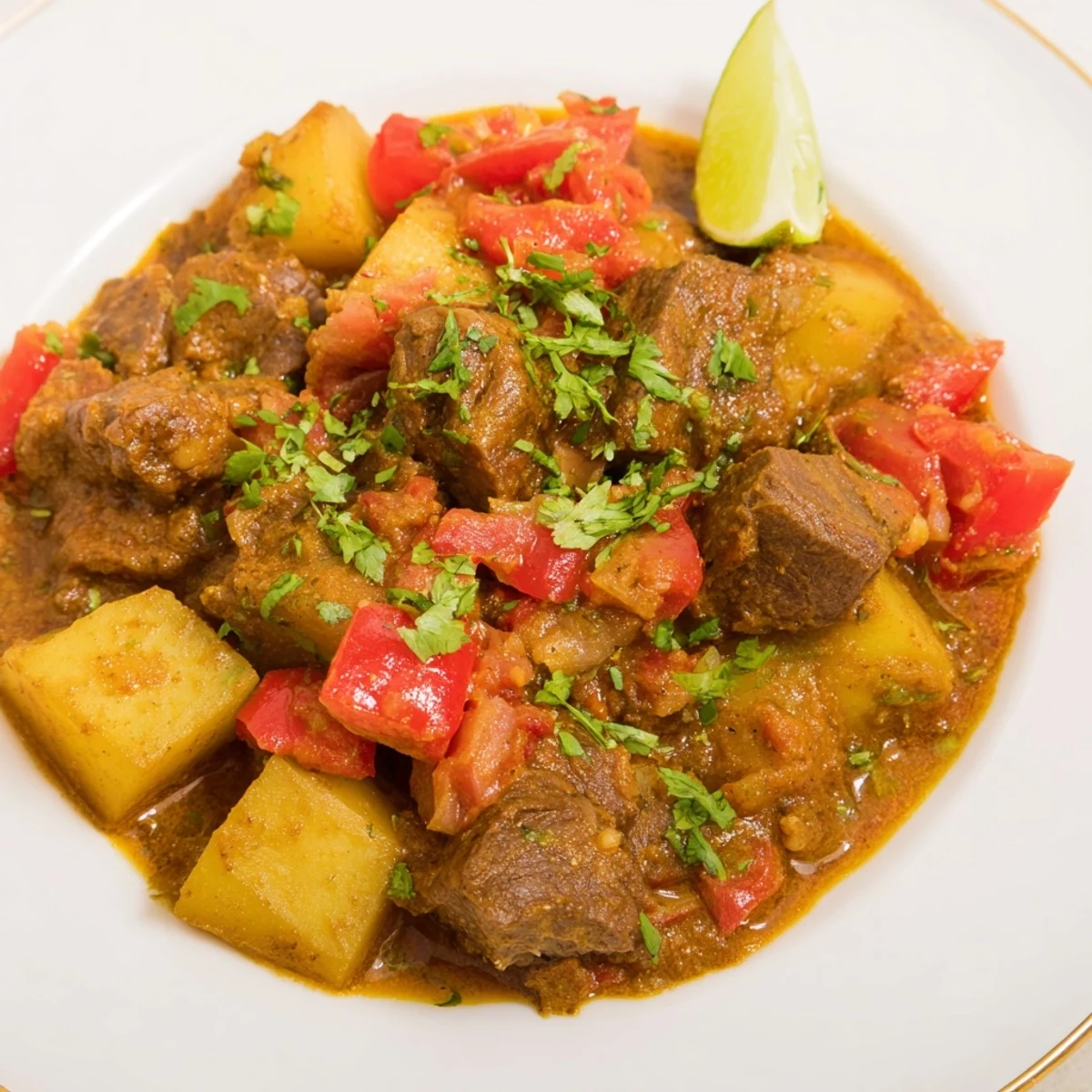
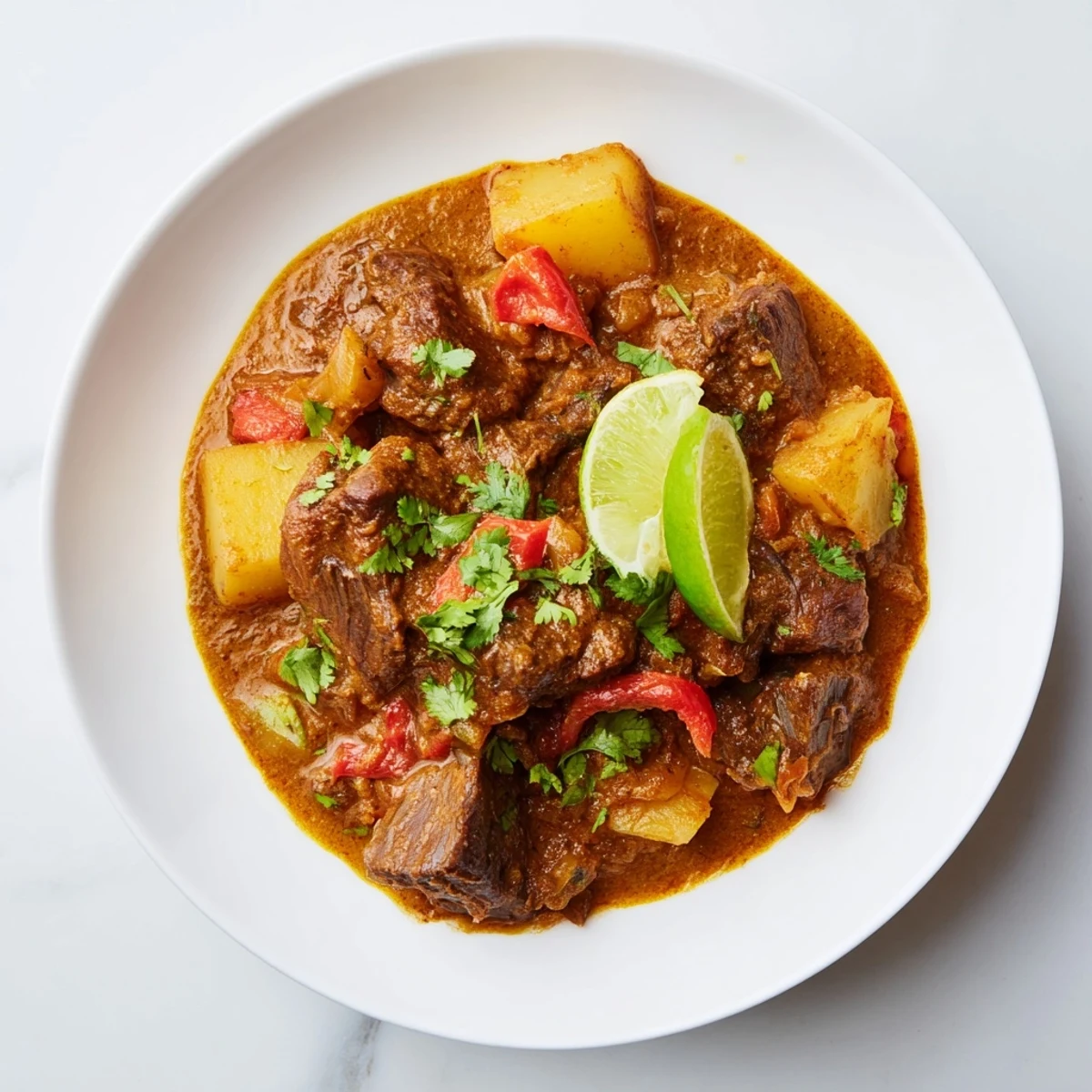
Save This dish features tender beef chunks slowly simmered in a fragrant blend of spices and coconut milk, creating a rich and aromatic flavor. Onions, garlic, ginger, and tomatoes add depth, while potatoes can be included for extra heartiness. The slow cooking process tenderizes the meat and thickens the sauce, enhanced by warming spices like cinnamon, cloves, and turmeric. Garnished with fresh cilantro and lime wedges, it pairs beautifully with steamed rice or naan bread for a comforting main course.
There's something about the smell of curry powder hitting hot oil that instantly transports me back to my aunt's kitchen, where she'd teach me the art of patience while building flavor layer by layer. The first time I made beef curry properly, I learned that rushing the spices is like skipping the best part of a story—you miss all the richness. Now, whenever I simmer a pot of this, I'm reminded why she always said the magic happens in the slow cooking, not the hurrying.
I remember cooking this for my partner on a cold rainy evening, and halfway through the simmering, he wandered into the kitchen just to stand there breathing in the steam. By the time it was ready, he'd already set the table and pulled out the good plates—that's when I knew this curry had earned its place in our regular rotation.
Ingredients
- Beef chuck or stewing beef (800 g, cut into 3 cm cubes): Choose meat with a bit of marbling; it breaks down into silky tenderness during that long simmer and gives the sauce body and flavor.
- Onions (2 medium, finely chopped): These are your foundation—golden, soft onions create the base that all the spices cling to, so don't skip the proper sautéing time.
- Garlic and ginger (3 cloves minced, 1 thumb-sized piece grated): Fresh is absolutely worth it; they bloom when toasted with the spices and prevent that flat, one-note taste.
- Tomatoes (2 medium, diced): They add brightness and natural acidity that balances the richness of the coconut milk beautifully.
- Potatoes (2 medium, optional): Add these only if you want the curry thicker and more hearty; they soak up all that spiced sauce like little flavor sponges.
- Curry powder, cumin, coriander, turmeric, chili powder (amounts as listed): Toast these together to wake them up; whole spices like cinnamon, cloves, and bay leaves add layers you can't get any other way.
- Coconut milk (400 ml): Use full-fat for richness and creaminess that thin versions simply can't match.
- Beef stock or water (250 ml): Stock deepens the flavor, but water works if that's what you have—the long cooking time does most of the heavy lifting.
- Vegetable oil (2 tbsp): A neutral oil that won't compete with the spices as everything gets going.
- Fresh cilantro and lime wedges (for serving): These add a bright finish that cuts through the richness and wakes up your palate with each bite.
Instructions
- Get your pot ready and soften the onions:
- Heat the oil in your heavy pot over medium heat until it shimmers slightly. Add the chopped onions and let them cook undisturbed for a minute before stirring; this gets them golden and sweet, about 8 minutes total. You'll know they're ready when they're soft and have taken on a light golden color at the edges.
- Awaken the aromatics:
- Stir in the minced garlic and grated ginger, letting them cook for just a minute until the smell hits you—that's your signal they're releasing their essential oils. This brief moment is what separates a good curry from an incredible one.
- Toast the spices into life:
- Add all the dry spices, the cinnamon stick, cloves, and bay leaves, then stir constantly for 1-2 minutes. You'll watch them deepen in color and smell, which means they're blooming and ready to infuse everything that comes next.
- Brown the beef:
- Push the spice mixture to the sides and increase heat slightly, then add the beef cubes. Let them sit for about a minute before stirring to develop a golden-brown crust—this takes about 5 minutes total and builds essential depth. Don't rush this step or stir constantly; patience here pays off in the finished dish.
- Bring in the tomatoes:
- Add the diced tomatoes and stir well, cooking for about 4 minutes until they start to soften and release their juices. This creates a paste-like mixture that coats the beef and spices.
- Add the liquid and begin the gentle simmer:
- Pour in the coconut milk and stock, scraping the bottom of the pot with your wooden spoon to lift up all those browned, flavorful bits stuck there. Bring everything to a gentle simmer, then cover and turn the heat down to low—this is where the magic happens over the next hour.
- First long cook:
- Stir occasionally and let the beef become completely tender, about 1 hour. The curry should bubble very gently; if it's boiling hard, turn the heat down further. This slow cooking breaks down the beef and lets all the flavors marry together.
- Add potatoes and finish:
- If using potatoes, add them now along with salt and pepper to taste. Continue cooking uncovered for 30-40 minutes until both the beef is fall-apart tender and the sauce has thickened slightly and coats a spoon. Taste and adjust seasoning as needed.
- Remove whole spices and serve:
- Fish out the bay leaves, cinnamon stick, and whole cloves, then ladle the curry into bowls. Top with fresh cilantro and serve with lime wedges for squeezing over top, alongside steamed rice or warm naan.
 Save
Save The real test of this curry came when my neighbor smelled it cooking and knocked on the door asking what I was making. I ended up sending her home with a container, and she came back the next week asking for the recipe—that's when I realized it had crossed from just being good food into something people actually crave.
Building Flavor Layer by Layer
The structure of this curry teaches you something essential about cooking that applies far beyond Indian food. Each element—the sautéed aromatics, the toasted spices, the browned meat, the finished sauce—builds intentionally on what came before. When you understand why each step matters, you stop following recipes blindly and start trusting your instincts in the kitchen.
Making It Your Own
I've made this curry with carrots instead of potatoes on nights when I didn't have potatoes on hand, and it was equally wonderful. Sweet potatoes add a subtle sweetness that plays beautifully with the spices if you want to explore further. The framework stays the same, but once you understand it, you can swap and adjust based on what you have and what you're craving.
Serving and Storing Wisdom
This curry tastes even better the next day when the flavors have had time to settle and deepen—make it ahead if you can. It freezes beautifully for up to three months, so batch cooking on a lazy weekend means you have comfort food ready whenever you need it.
- Pair it with basmati rice or naan, and consider a chilled lime pickle or raita on the side to balance the richness.
- Leftover curry can be thinned with stock and turned into a warming soup, or served over eggs for a spiced breakfast reimagining.
- If you like more heat, add a fresh chopped chili when you toast the dry spices, and taste as you go since chili intensity varies.
 Save
Save This curry has become one of those dishes I make when I want to slow down and remember why cooking matters—it's patient, it's forgiving, and it rewards attention with something genuinely delicious. Serve it hot with plenty of rice and watch how people's faces relax into contentment with the first bite.
Recipe FAQ
- → What cut of beef works best for this dish?
-
Beef chuck or stewing beef cut into cubes is ideal as it becomes tender when slow-cooked with the spices and liquids.
- → How can I adjust the spice level?
-
Add or reduce chili powder, or include fresh chopped chili according to your heat preference.
- → Can I substitute the potatoes with other vegetables?
-
Yes, carrots or sweet potatoes make good alternatives and add natural sweetness to the dish.
- → What sides complement this dish well?
-
Steamed basmati rice or naan bread are traditional accompaniments that soak up the flavorful sauce perfectly.
- → How long should I simmer to achieve tender beef?
-
Simmer over low heat for about 1 hour 30 minutes to 2 hours, stirring occasionally for optimal tenderness and sauce thickness.