
 Save
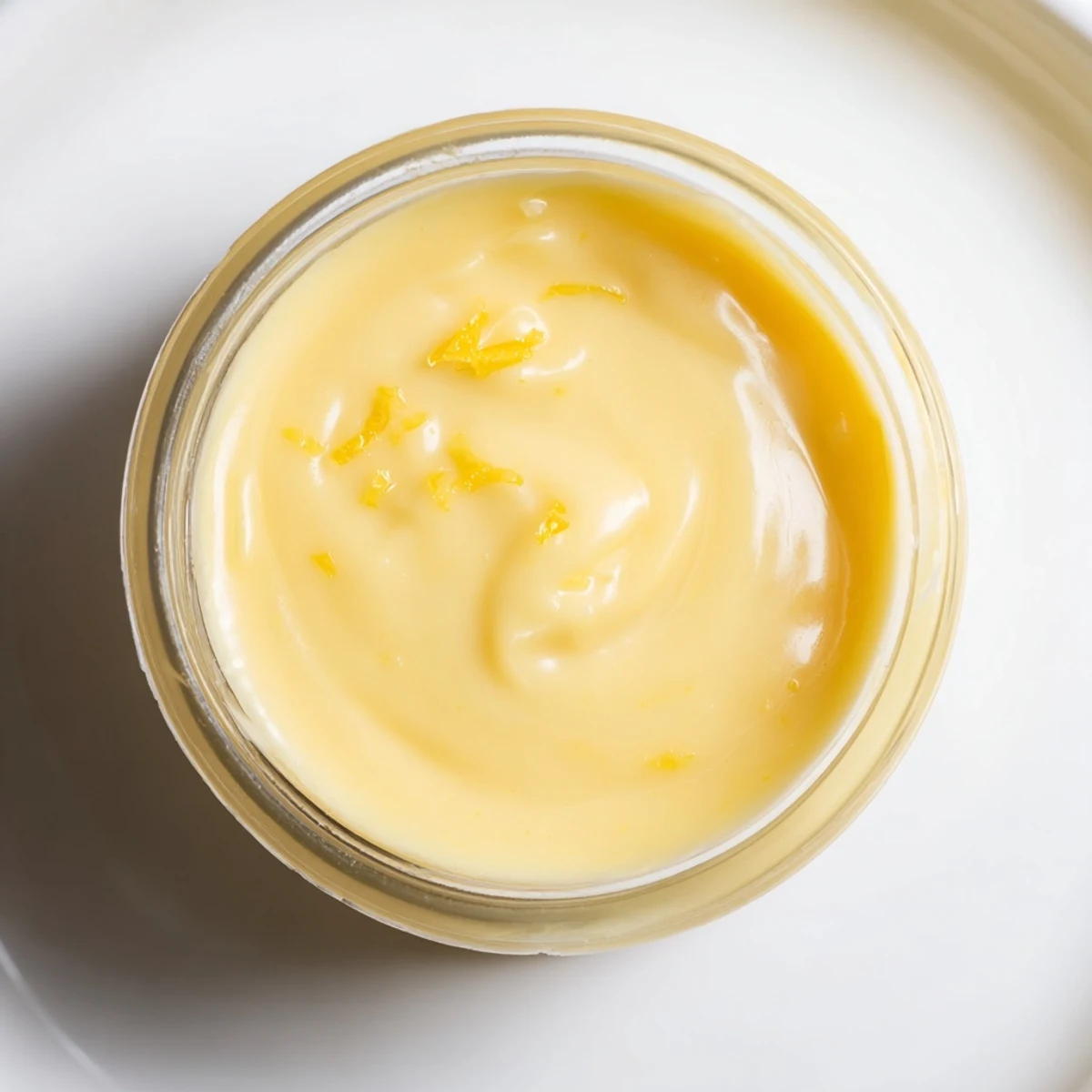
Save This zesty creamy lemon blend offers a bright citrus flavor with smooth buttery texture. Made by gently cooking lemon juice, zest, sugar, and eggs over a double boiler, it thickens to a luscious consistency perfect for spreading or filling. Cooling enhances its richness, making it a versatile addition to various dishes. Suitable for vegetarian diets and quick to prepare in about 20 minutes total.
There's something almost magical about watching lemon curd transform from separate ingredients into this glossy, spoonable sunshine. I discovered this during a rainy afternoon when a friend mentioned she'd been craving something tangy and rich, and I remembered my grandmother's handwritten recipe card tucked in an old cookbook. Twenty minutes later, the kitchen smelled like a lemon orchard, and I understood why she'd always made a jar at the start of spring.
I made this for a small gathering last summer, and someone asked for the recipe before they'd even finished their scone. That moment when someone realizes homemade curd is not just possible but easy—that's when you know you're onto something good.
Ingredients
- 2 large lemons (zest and juice, about ½ cup juice): Fresh lemons are non-negotiable here; the brightness of their juice and the oils in the zest are what give this curd its character and snap.
- ½ cup (115 g) unsalted butter, cut into cubes: Unsalted butter lets the lemon shine, and cubing it helps it melt smoothly into the mixture without any grainy pockets.
- 1 cup (200 g) granulated sugar: This sweetens and also helps create the curd's signature silky texture when whisked with the eggs.
- 3 large eggs and 1 large egg yolk: The eggs are what transform this from lemon juice and butter into actual curd—they thicken it gently over the double boiler into something spoonable and rich.
Instructions
- Zest and juice your lemons with intention:
- Wash them first, then zest before you juice (it's much easier). You want about ½ cup of juice and plenty of zest scattered on the counter like tiny bright confetti.
- Combine sugar and eggs in your heatproof bowl:
- Whisk them together until the mixture is pale and smooth, like you're incorporating air and optimism into every stroke. This takes a minute or two, and it matters.
- Add the lemon zest and juice:
- Stir it in and let the brightness fill the bowl. You'll notice the mixture immediately looks more alive.
- Create your double boiler setup:
- Set the bowl over a saucepan of gently simmering water, making sure the bowl doesn't touch the water. This gentle, indirect heat is the secret to curd that's silky, not scrambled.
- Whisk in the butter and cook with patience:
- Add the butter cubes and whisk constantly for 8 to 10 minutes as the mixture thickens. You're looking for it to coat the back of a spoon with a gentle, glossy layer—not thin, not chunky, but somewhere in between.
- Strain immediately after cooking:
- Pour the curd through a fine-mesh sieve into a clean bowl. This removes any zest pieces and, more importantly, catches any tiny bits of cooked egg that can sometimes form, leaving you with pure smoothness.
- Let it cool and set:
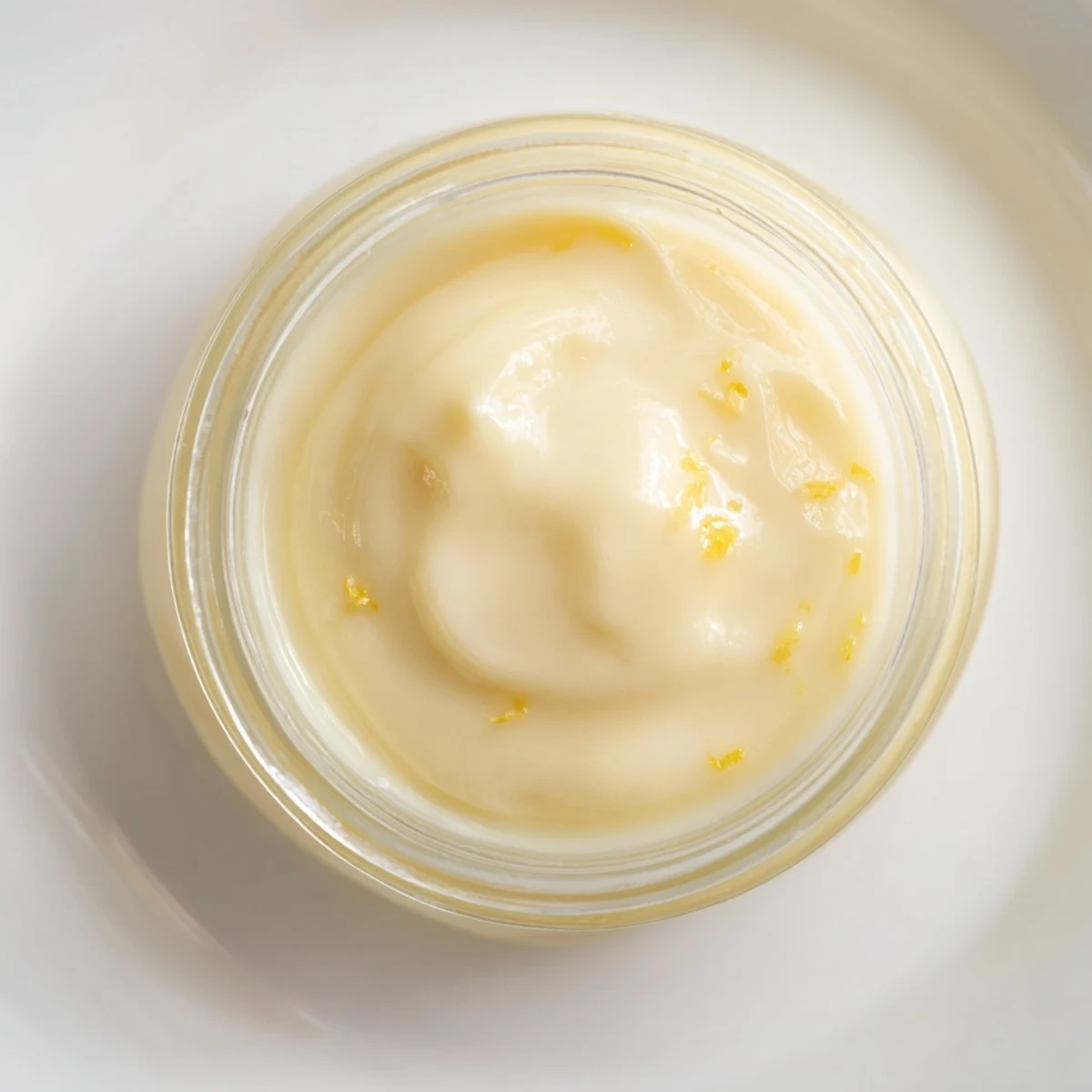
- Once it reaches room temperature, transfer it to a jar and refrigerate. It will thicken further as it chills, becoming spreadable and perfect.
 Save
Save I watched my sister spread a spoonful onto a scone that morning, close her eyes, and smile like she'd just tasted something she'd been missing. That's when I realized lemon curd isn't just a recipe—it's a small, edible memory you can make in your own kitchen.
Flavor Variations That Work
Once you understand how lemon curd works, the door opens to experiments. I've made lime versions that taste like a tropical escape, and orange versions that feel warmer and more mellow than straight lemon. The technique stays exactly the same; you're just swapping the citrus and adjusting nothing else.
Storage and Uses
A jar of curd lasts about two weeks in the refrigerator, and it's one of those things that makes ordinary mornings feel a bit special. Spread it on toast, layer it into a tart, swirl it into yogurt, or spoon it into the center of a vanilla cake.
Making It Richer
If you want something even more luxurious, you can use four egg yolks instead of three whole eggs plus one yolk. The result is deeper, richer, almost custard-like—it's the version I make when I want to feel a bit fancy.
- Strain your curd while it's still warm, not after it cools.
- If you notice a skin forming on top while cooling, press a piece of plastic wrap directly on the surface.
- Homemade curd may separate slightly if kept longer than two weeks; a gentle stir usually brings it back together.
 Save
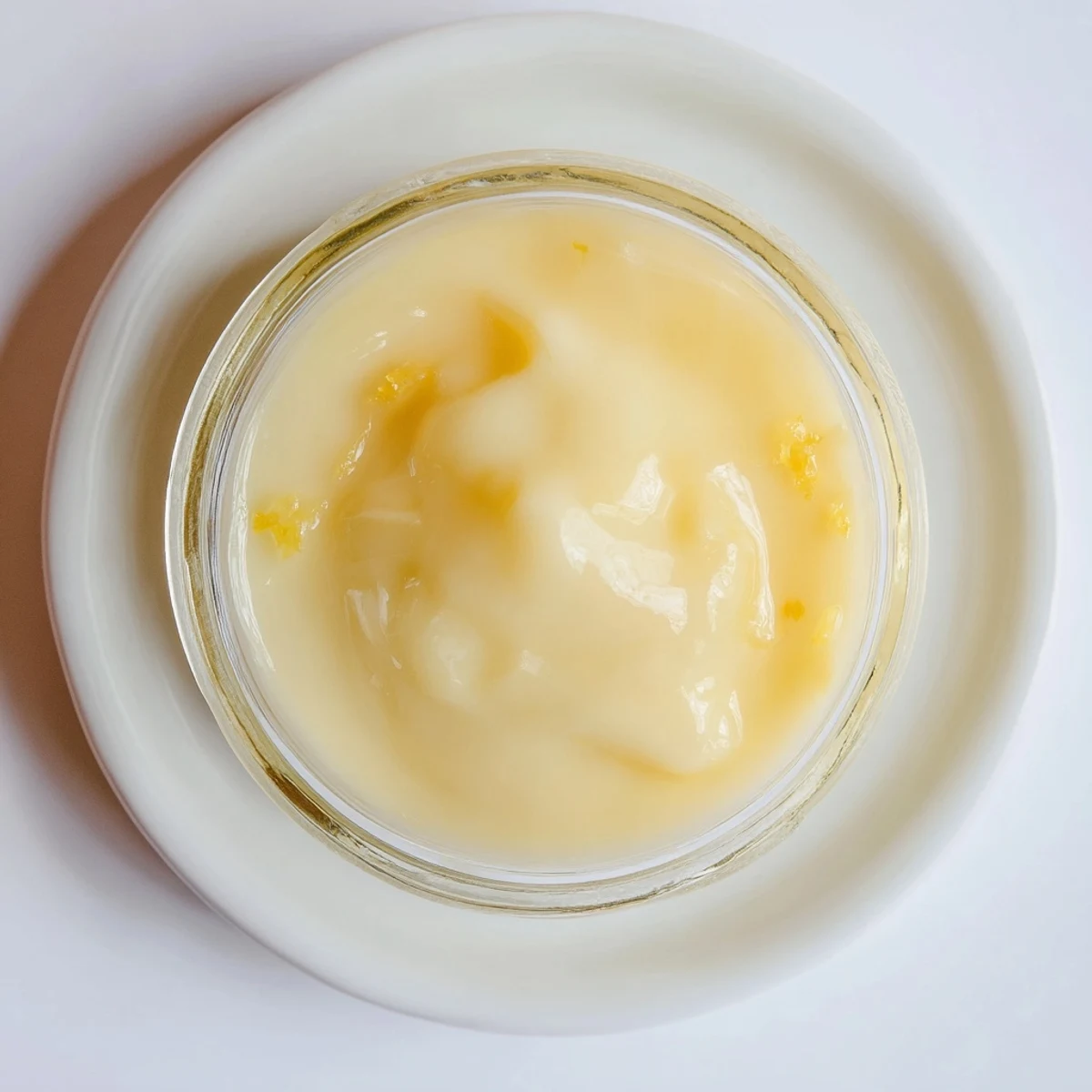
Save Making lemon curd is proof that the simplest recipes often produce the most satisfying results. Once you've made it once, you'll find yourself making it again and again.
Recipe FAQ
- → What citrus is used in this curd?
-
Fresh lemons provide both zest and juice, giving a bright and tangy flavor.
- → How is the mixture thickened?
-
Eggs cooked gently with butter and sugar over simmering water create a smooth, thick texture.
- → Can other citrus be substituted?
-
Yes, lime or orange zest and juice work well for different flavor variations.
- → What tools are needed for preparation?
-
A fine grater, citrus juicer, mixing bowl, whisk, double boiler, sieve, and container are essential.
- → How should the curd be stored?
-
After cooling, refrigerate in an airtight jar to thicken and maintain freshness.