
 Save
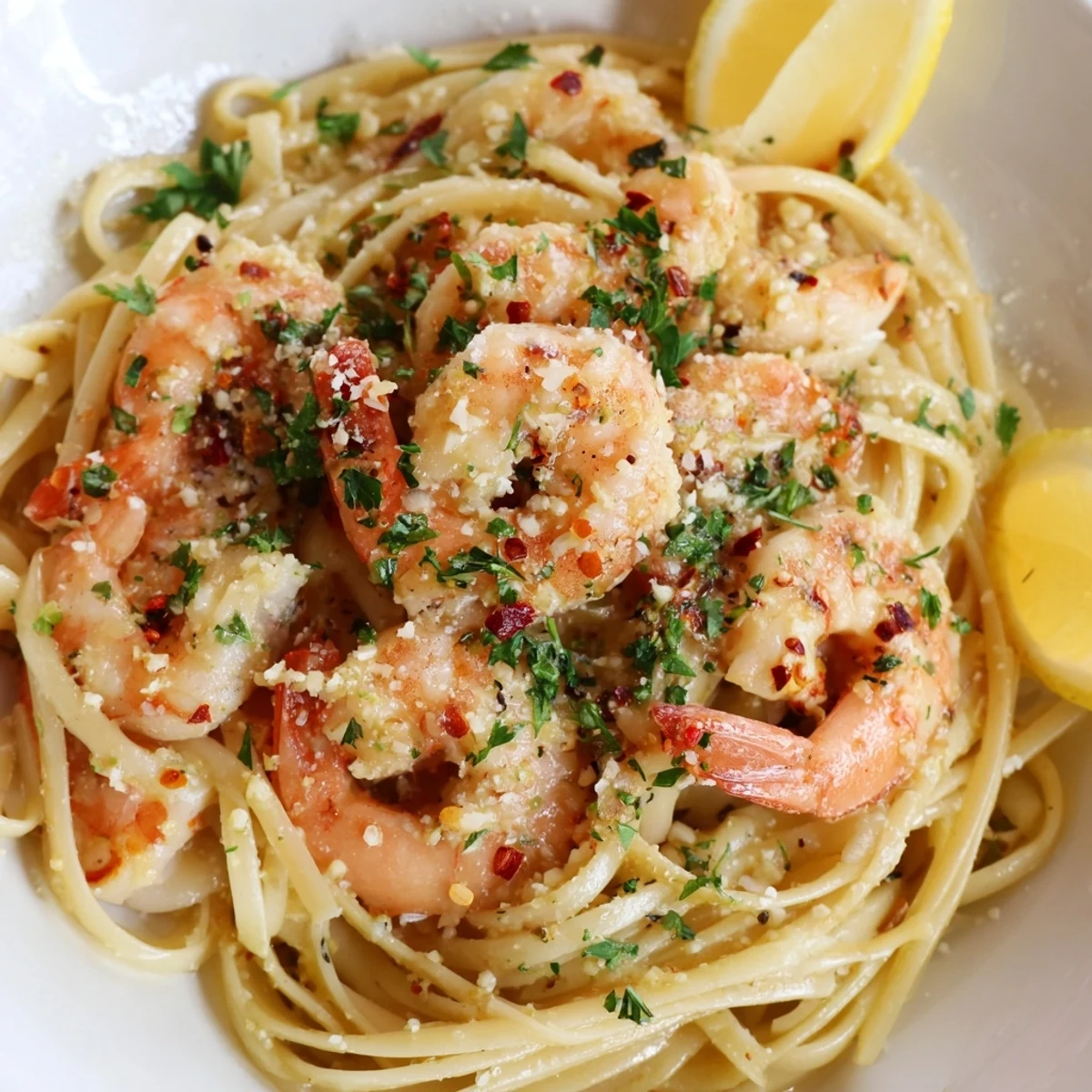
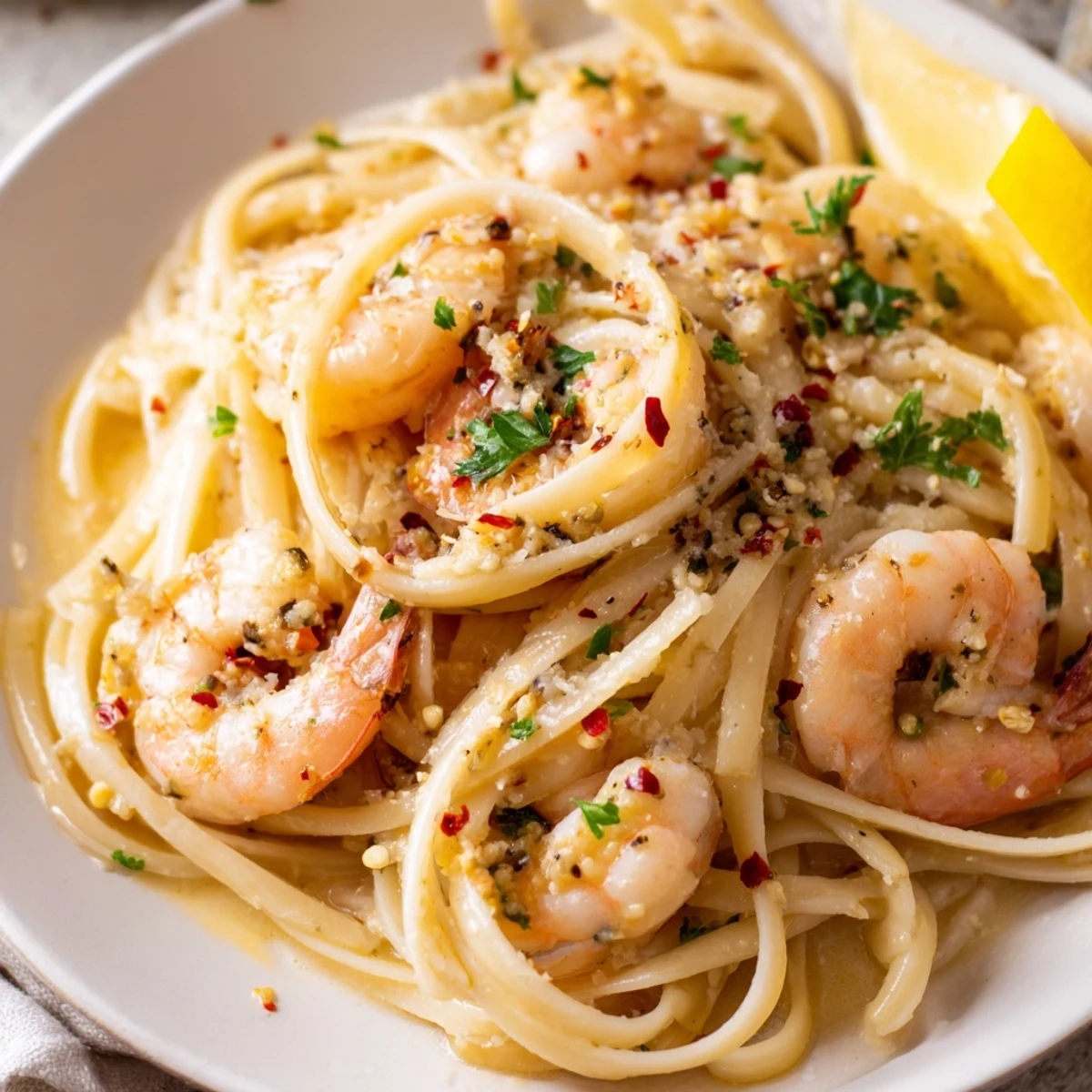
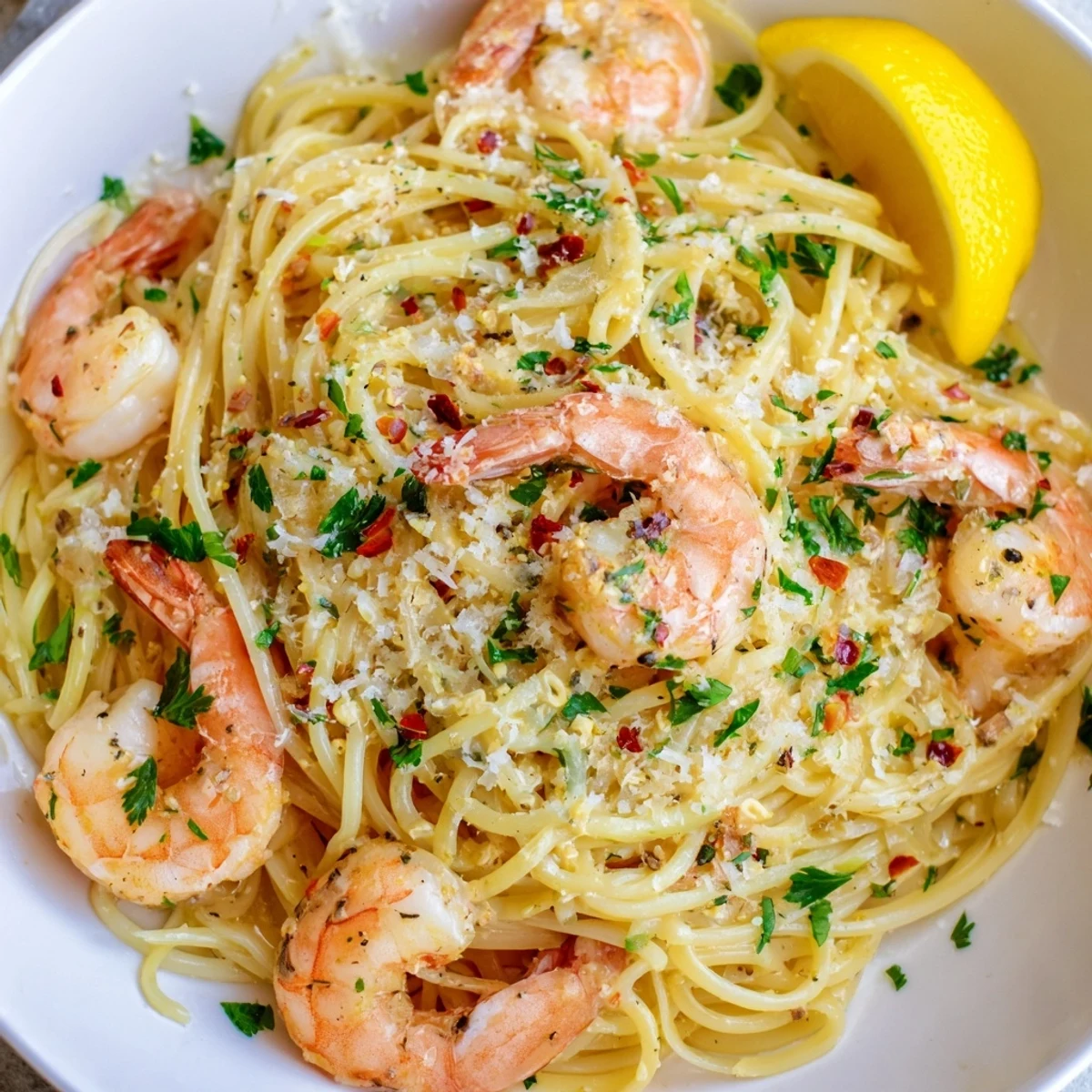
Save This dish features juicy shrimp lightly sautéed in a fragrant lemon garlic butter sauce, combined with tender linguine pasta. A splash of white wine adds depth, while fresh parsley and lemon zest brighten the flavors. It's a quick, elegant meal ideal for weeknights, balancing rich butter and citrus notes with perfectly cooked seafood and pasta.
There's a Tuesday night I can't quite shake from memory when my neighbor knocked on the door just as I was pulling shrimp from the freezer, and I had maybe twenty minutes before she arrived. Something about lemon, garlic, and butter felt like the only honest answer, and by the time the pasta hit the table, she was already asking if I could teach her how I made it. That's when I realized this dish wasn't just quick—it was the kind of thing that makes people feel genuinely welcomed.
I made this for my family on a random Thursday, and my mom actually put her fork down halfway through to ask what wine I used in the sauce. When I told her it was just the kind sitting in our pantry, something shifted—suddenly everyone wanted the recipe, and it became the dish I'm now asked to bring to dinners. Food has this strange power to become a small tradition without you planning for it.
Ingredients
- Large shrimp, 1 lb (450 g), peeled and deveined: The backbone of this dish—buy them as fresh as you can find, and don't stress about whether the tails are on or off, just whatever feels right to you.
- Linguine, 12 oz (340 g): The silky ribbons catch the sauce beautifully, though spaghetti or fettuccine work just as well if that's what you have.
- Unsalted butter, 4 tbsp (60 g): Salted butter will throw off the seasoning balance, so use unsalted and taste as you go.
- Extra virgin olive oil, 3 tbsp (45 ml): This keeps the butter from burning and adds a subtle depth that makes people wonder what your secret ingredient is.
- Garlic, 5 cloves, finely minced: Mince it by hand if you have time—it releases more flavor and keeps you connected to the cooking process.
- Crushed red pepper flakes, 1/2 tsp: A gentle warmth rather than heat; skip it entirely if you prefer, or double it if you like your food spicy.
- Lemon zest and juice (1 large lemon): This is where the brightness lives—don't use bottled juice, it tastes thin and bitter compared to fresh.
- Dry white wine or broth, 1/3 cup (80 ml): The wine adds sophistication, but chicken or seafood broth works when you need to keep it simple.
- Fresh parsley, 1/4 cup (15 g), chopped: Add it in two parts—half during cooking for flavor, half at the end for color and that just-made freshness.
- Salt and black pepper: Taste constantly and trust your palate more than any recipe.
Instructions
- Get the pasta water ready:
- Fill a large pot with salted water—it should taste like the sea—and bring it to a rolling boil. The salt in the water is your first seasoning, so don't skip it or go light. Cook the linguine until it's al dente, tender but still with a slight bite, then drain it while reserving a full half cup of that starchy cooking water, which becomes liquid gold in the final toss.
- Prep the shrimp:
- Pat each shrimp dry with paper towels as if you're being gentle with something precious, because dry shrimp will sear instead of steam. Season lightly with salt and pepper, remembering you'll taste and adjust later.
- Sear the shrimp:
- Heat 2 tbsp butter and 2 tbsp olive oil in a large skillet over medium-high heat until the foam subsides and smells nutty. Lay the shrimp in a single layer—don't crowd the pan, or they'll steam instead of sear—and give them exactly 1 to 2 minutes per side, just until they turn pink and opaque. The second they look cooked through, transfer them to a plate because they'll continue cooking in the residual heat.
- Build the sauce base:
- Lower the heat to medium and add the remaining olive oil and butter to the same skillet. When it foams, add your minced garlic and red pepper flakes, stirring constantly for about a minute until the smell fills your kitchen and the garlic just barely starts to turn golden—don't let it brown or it will taste bitter and harsh.
- Deglaze and reduce:
- Pour in the white wine or broth and use a wooden spoon to scrape up all those browned bits stuck to the bottom of the pan, because those bits are flavor. Let it simmer for 2 minutes so the alcohol burns off and the liquid concentrates.
- Bring it together:
- Add the lemon juice and zest, then return the shrimp and any juices that collected on the plate back to the skillet. Toss gently for about a minute just to warm everything through and let the flavors mingle.
- Marry the pasta with the sauce:
- Add the drained linguine and half the fresh parsley to the skillet, then toss everything together with tongs or two forks, adding pasta water a splash at a time until the sauce coats the noodles with a silky sheen. You're looking for enough sauce to cling to every strand without it being soupy.
- Season and serve:
- Taste the whole thing, adjust salt and pepper until it tastes alive on your tongue, then divide among bowls. Top with the remaining parsley, grated Parmesan if you like, and lemon wedges for squeezing.
 Save
Save I made this dish once when I was learning to cook, and I burned the garlic so badly that the whole sauce tasted acrid and I almost threw it out. Instead, I started over, used fresh garlic, and learned that cooking is as much about knowing when to begin again as it is about getting it right the first time. That's what this recipe taught me—it's forgiving enough to learn from, and simple enough that you can master it in a few tries.
The Magic of Lemon and Garlic
There's something ancient about the combination of lemon and garlic, like humans have been pairing them together for thousands of years because they just work. The brightness of the lemon cuts through the richness of the butter, while the garlic deepens everything and makes it taste like you spent hours on it when you actually spent minutes. If you remember nothing else about this recipe, remember that these two are doing almost all the heavy lifting—butter is just there to carry them.
Choosing Your Wine (or Broth)
I used to think cooking wine had to be something fancy, until someone told me to use the kind I'd actually drink. Sauvignon Blanc or Pinot Grigio bring a clean acidity that balances the richness of the cream and butter, but honestly, a decent broth works beautifully if you want to skip the wine entirely. The point is the deglaze—you're lifting flavor from the pan, and the liquid is just a vehicle for that.
Timing and Rhythm
This dish lives and dies by its pace—everything needs to happen in quick succession, and that's actually a gift because it means you can't overthink it. Start the pasta water first, prep your shrimp while it heats, sear the shrimp while the pasta cooks, and by the time the noodles are done, your sauce is ready. There's a beautiful momentum to it that makes cooking feel less like following instructions and more like dancing.
- Mise en place is your friend—have everything measured and ready before the heat goes on.
- Don't walk away from the pan; this whole process takes about fifteen minutes and demands your attention.
- If you're running behind, keep the finished shrimp warm in a low oven while you wait for the pasta.
 Save
Save This dish has become my answer to the question of what to cook when someone's coming over and I want them to feel welcomed without spending all evening in the kitchen. It's the kind of meal that tastes like you put in more effort than you actually did, and somehow that feels honest rather than like cheating.
Recipe FAQ
- → What type of pasta works best with this dish?
-
Linguine is traditional for its flat, narrow shape that holds the buttery sauce well, but spaghetti or fettuccine are excellent alternatives.
- → How do you prevent the shrimp from overcooking?
-
Cook shrimp only 1-2 minutes per side until just opaque to maintain tender texture and avoid rubberiness.
- → Can I substitute the white wine in the sauce?
-
Yes, dry white wine can be replaced with seafood or chicken broth for similar flavor without alcohol.
- → What enhances the sauce’s silkiness?
-
Reserved pasta water added gradually helps create a smooth, cohesive sauce that clings to the linguine.
- → Is it necessary to peel and devein shrimp?
-
Peeling and deveining ensures a clean texture and appearance, but leaving tails on adds flavor and presentation appeal.
- → What garnish complements this dish best?
-
Fresh parsley and lemon wedges brighten the dish, while freshly grated Parmesan adds subtle richness.