
 Save
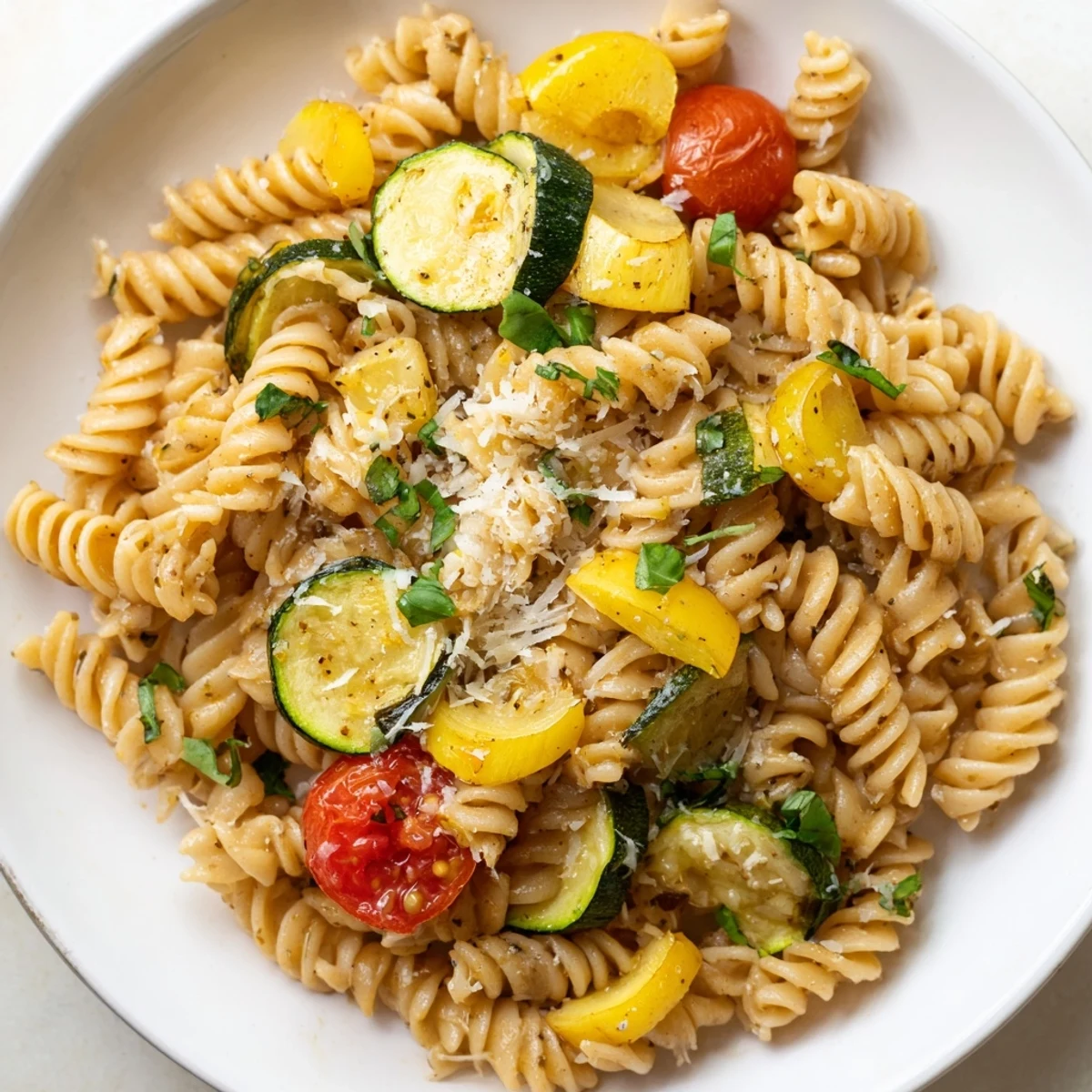
Save This one-pan skillet combines tender summer squash and zucchini with sweet cherry tomatoes, garlic, and fragrant fresh herbs. The pasta cooks separately then joins the vegetables, creating a light sauce with starchy pasta water. Ready in just 35 minutes, this vegetarian dish offers vibrant colors and fresh Mediterranean flavors. Add Parmesan for richness or keep it plant-based with vegan alternatives.
Last August, my neighbor dropped off a grocery bag bursting with summer squash from her garden. I stood in my kitchen staring at this abundance, wondering what to do with it all, when I remembered a trick my Italian grandmother used: cook the vegetables right into the pasta sauce. Now it's become my go-to way to use up that summer haul.
I made this for my sister on a Tuesday evening when we were both too tired to cook anything elaborate. She took one bite, put down her fork, and asked me to write down the recipe before she forgot how good it was. That's when I knew this wasn't just a way to use up squash—it was a keeper.
Ingredients
- 340 g (12 oz) short pasta: Penne, rotini, or fusilli work best because those curves and ridges catch the light sauce perfectly
- 2 medium yellow summer squash: Slice into half-moons about ¼ inch thick so they cook through but don't turn mushy
- 1 small zucchini: The green color looks beautiful against the yellow squash and adds a slightly different texture
- 1 pint cherry tomatoes: These burst while cooking and create those pockets of juicy sweetness that make the dish sing
- 1 small yellow onion: Thinly sliced, this forms the aromatic foundation that everything else builds upon
- 3 cloves garlic: Minced fresh adds that essential backbone—I've tried powdered and it's just not the same
- 2 tbsp extra-virgin olive oil: This is your cooking fat, so use something you'd put on a salad
- ½ tsp crushed red pepper flakes: Optional, but I love how it cuts through the sweetness of the vegetables
- Salt and black pepper: Season generously at each step to build layers of flavor
- 60 g (½ cup) freshly grated Parmesan cheese: The umami bomb that pulls everything together, though you can skip it for vegan
- ¼ cup fresh basil leaves: Tear them by hand for a more rustic look and better oil release
- 2 tbsp chopped fresh parsley: Adds freshness and a pop of color at the end
Instructions
- Cook the pasta:
- Bring a large pot of salted water to a boil and cook pasta until al dente, then reserve ½ cup of the starchy water before draining—this liquid gold is what transforms everything into a silky sauce.
- Build the flavor base:
- Heat olive oil in a large skillet over medium heat, add the sliced onion and cook for 2–3 minutes until it starts to soften and turn translucent.
- Add the garlic:
- Stir in the minced garlic and cook for just 30 seconds until fragrant, watching carefully so it doesn't burn and turn bitter.
- Cook the squash:
- Add the summer squash and zucchini to the skillet, season with salt, pepper, and red pepper flakes if using, then cook for 4–5 minutes until just tender when pierced with a fork.
- Add the tomatoes:
- Toss in the halved cherry tomatoes and cook for about 3 minutes, stirring occasionally until they start to wrinkle and burst, releasing their juices into the pan.
- Bring it together:
- Add the drained pasta to the skillet and toss everything together, adding splashes of the reserved pasta water as needed to create a light, glossy sauce that clings to each piece.
- Finish with herbs and cheese:
- Remove the skillet from heat, stir in the Parmesan if using, then fold in the torn basil and chopped parsley until the herbs are evenly distributed.
 Save
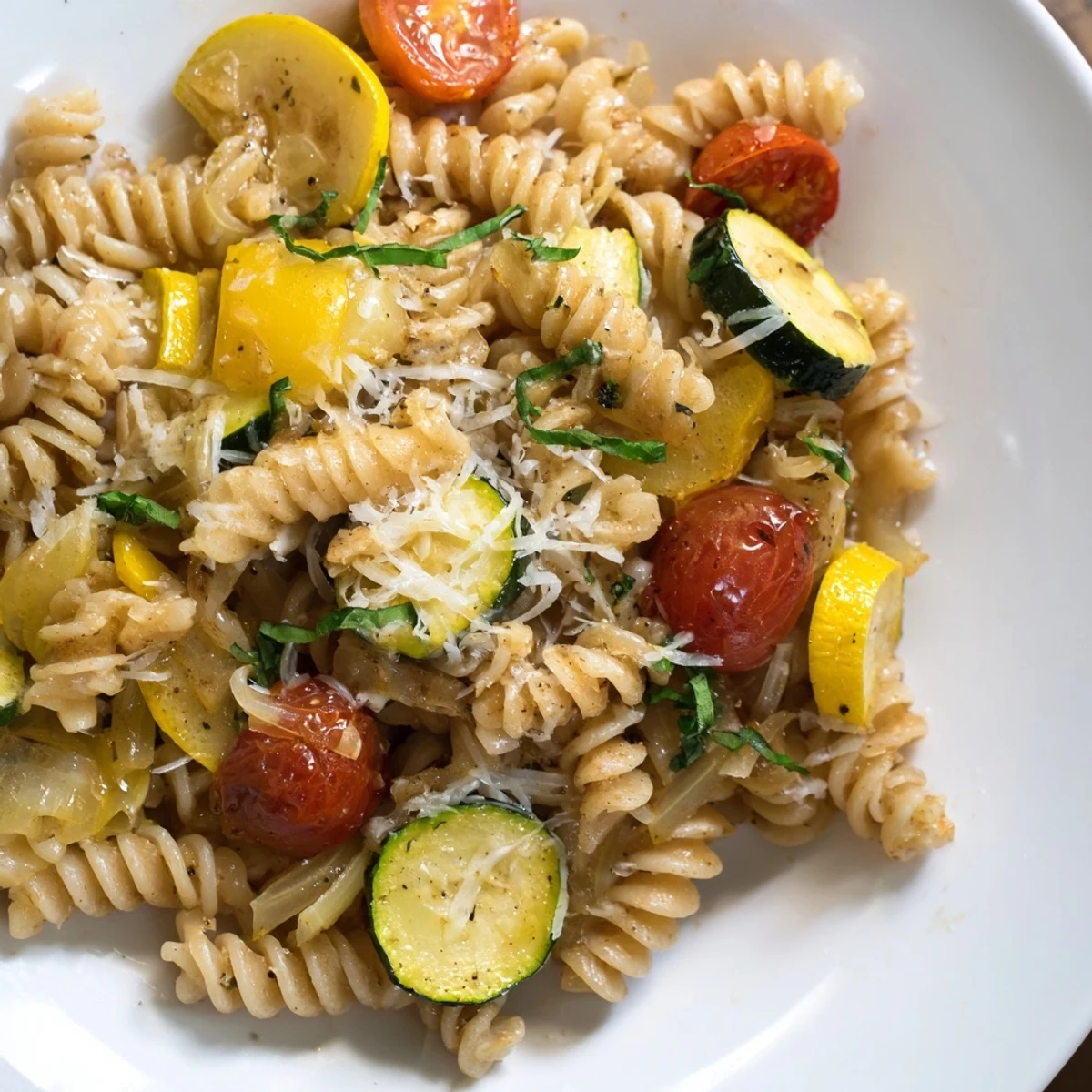
Save This dish has become my summer comfort food—the kind of meal that tastes like sunshine on a plate but doesn't leave me feeling heavy. Last week I made it for a dinner party and watched three people go back for seconds, which is always the best review.
Making It Your Own
I've learned that this recipe is incredibly forgiving. Some nights I throw in roasted red peppers from a jar, other times I add sun-dried tomatoes for an extra punch of umami. Once I stirred in some cannellini beans at the end and it became a completely different meal—still delicious.
Timing Is Everything
The key here is getting the pasta water boiling before you start cutting vegetables. That way the pasta cooks while you build the vegetable base, and everything comes together at the same moment. I've messed up the timing before and ended up with cold pasta waiting in the colander—lesson learned.
Perfect Pairings
A crisp white wine like Sauvignon Blanc or Pinot Grigio cuts through the olive oil and complements the summer vegetables beautifully. If you want to add protein, grilled chicken or shrimp work wonderfully, though this pasta is satisfying enough on its own for a light dinner.
- Grill some crusty bread to soak up any extra sauce in your bowl
- A simple green salad with lemon vinaigrette balances the richness
- Cold leftovers make an excellent lunch the next day, if you have any
 Save
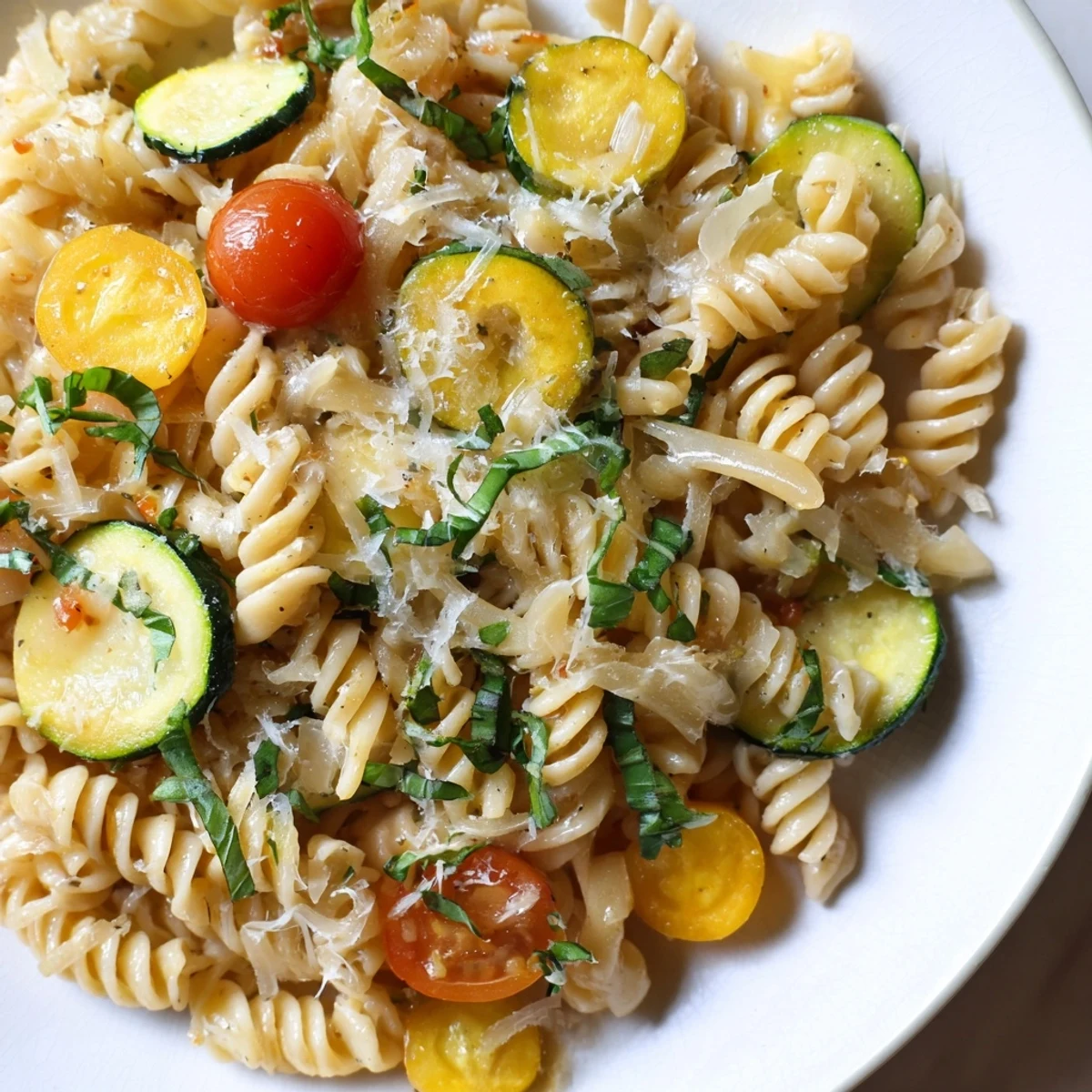
Save This recipe captures everything I love about summer cooking: fresh ingredients, minimal fuss, and flavors that make you slow down and savor each bite.
Recipe FAQ
- → Can I make this gluten-free?
-
Yes, simply substitute gluten-free pasta for the regular pasta. Cook according to package instructions and follow the remaining steps as written.
- → How long does this keep in the refrigerator?
-
Store in an airtight container for up to 3 days. Reheat with a splash of water or olive oil to refresh the sauce.
- → Can I add protein to this dish?
-
Grilled chicken, shrimp, or cannellini beans make excellent additions. Add cooked proteins during step 6 when combining the pasta with vegetables.
- → What pasta shapes work best?
-
Short pasta like penne, rotini, or fusilli catch the light sauce well and hold up nicely when tossed with the tender vegetables.
- → Can I use other vegetables?
-
Roasted red peppers, sun-dried tomatoes, or eggplant work beautifully. Adjust cooking times as needed based on vegetable density.
- → How do I prevent the squash from getting mushy?
-
Cook squash just until tender—4 to 5 minutes. Avoid overcrowding the skillet, which causes steaming instead of sautéing.