
 Save
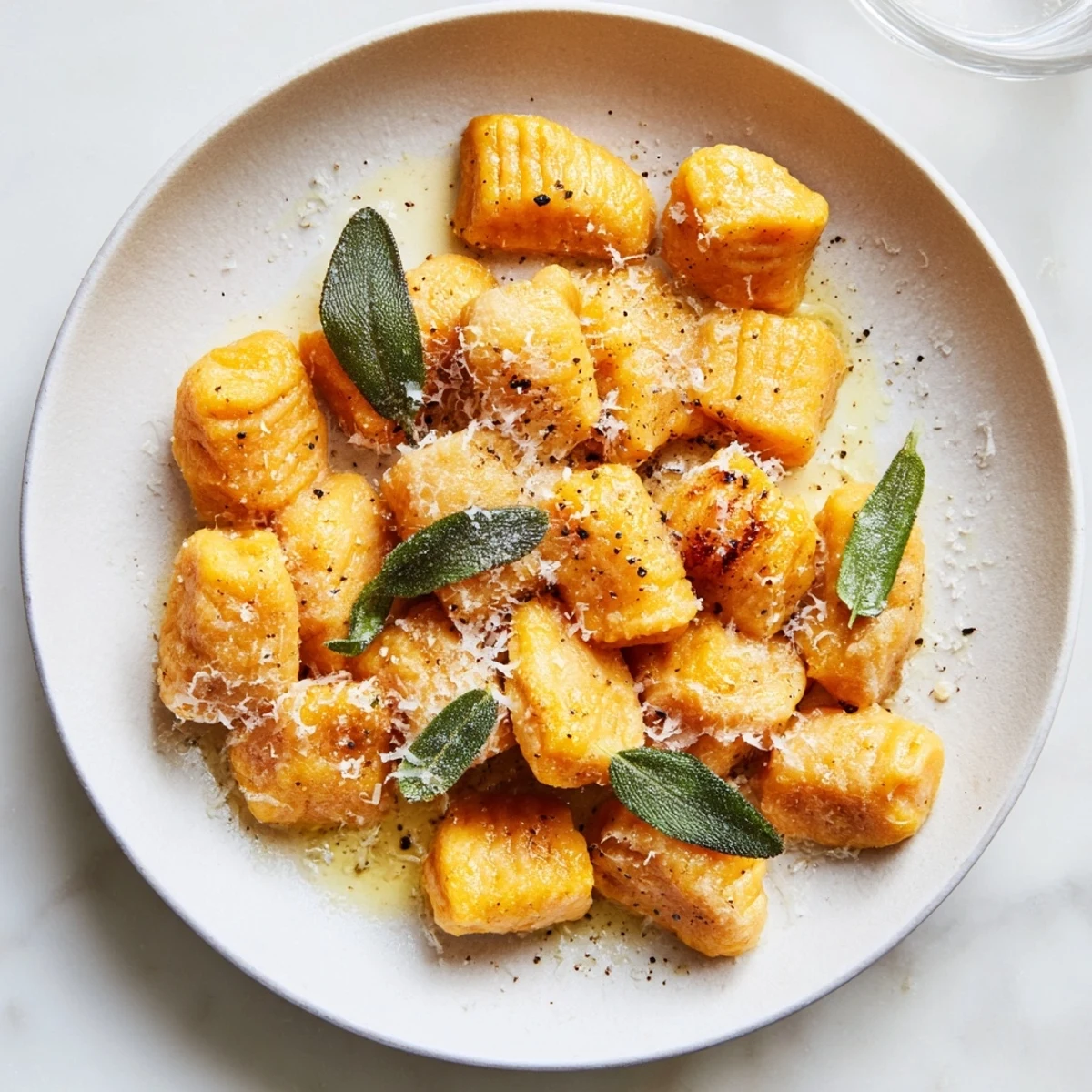
Save This dish highlights soft, pillowy gnocchi prepared with roasted winter squash and russet potato, creating a naturally sweet and tender texture. After roasting and mashing the squash and potato, they’re mixed with Parmesan, seasonings, and flour to form a delicate dough. The pieces are cooked until they float, then optionally tossed in sage-infused butter for extra aroma. It's a comforting meal with warm, golden hues perfect for autumn gatherings.
The first time I made squash gnocchi, my kitchen filled with the smell of caramelizing butternut squash, and I realized I'd been intimidated by pillowy homemade pasta for no reason. My neighbor stopped by mid-roast, and when I offered her one straight from the water, she closed her eyes like I'd just handed her something precious. That's when I understood this dish wasn't complicated—it just needed a little patience and the willingness to let the squash do most of the talking.
I made this for my sister's dinner party on a chilly October evening, and I'll never forget how the kitchen steamed up as everyone gathered around the pot waiting for the gnocchi to bob to the surface. Someone asked if I'd bought them from a fancy store, and when I said no, the whole table got quieter in that specific way that means you've done something right. It was one of those moments where cooking felt less like a task and more like a small magic trick.
Ingredients
- Butternut squash: The star of this recipe—roasting brings out its natural sweetness and caramel notes, which is why you don't need much else to make these gnocchi sing.
- Russet potato: This keeps the texture light and airy; waxy potatoes will make your dough gluey, so don't swap them out.
- Parmesan cheese: Freshly grated makes a real difference; pre-shredded versions have anti-caking agents that interfere with the dough's texture.
- All-purpose flour: You might use less than the full amount depending on how much moisture your squash releases, so add it gradually and trust your hands.
- Egg: This binds everything together without overdoing it—use just one, beaten lightly so it distributes evenly.
- Salt, pepper, and nutmeg: Nutmeg is optional but it whispers something warm that makes people wonder what your secret ingredient is.
Instructions
- Roast the squash until caramelized:
- Cut butternut squash into even cubes so they brown at the same rate, then spread them on a baking sheet and roast at 400°F until the edges turn golden and the flesh is tender enough to collapse under a fork. This takes 30–40 minutes, and you'll know it's done when your kitchen smells like autumn.
- Cook and drain the potato:
- Boil a peeled russet potato until it falls apart when you pierce it, then drain it thoroughly in a colander—excess moisture is the enemy of light gnocchi. Pat it dry if you have time; this extra step really matters.
- Rice and cool the vegetables:
- Pass the roasted squash and cooked potato through a potato ricer for the smoothest texture, or mash them hard until no lumps remain. Spread the mixture on a tray to cool slightly so the egg doesn't scramble when you add it.
- Mix the dough gently:
- Combine the cooled mash with grated Parmesan, salt, pepper, nutmeg if using, and a beaten egg, stirring just enough to bring it together. Add flour gradually—you're looking for a dough that's soft and slightly sticky, not dry and stiff.
- Shape into ropes and cut:
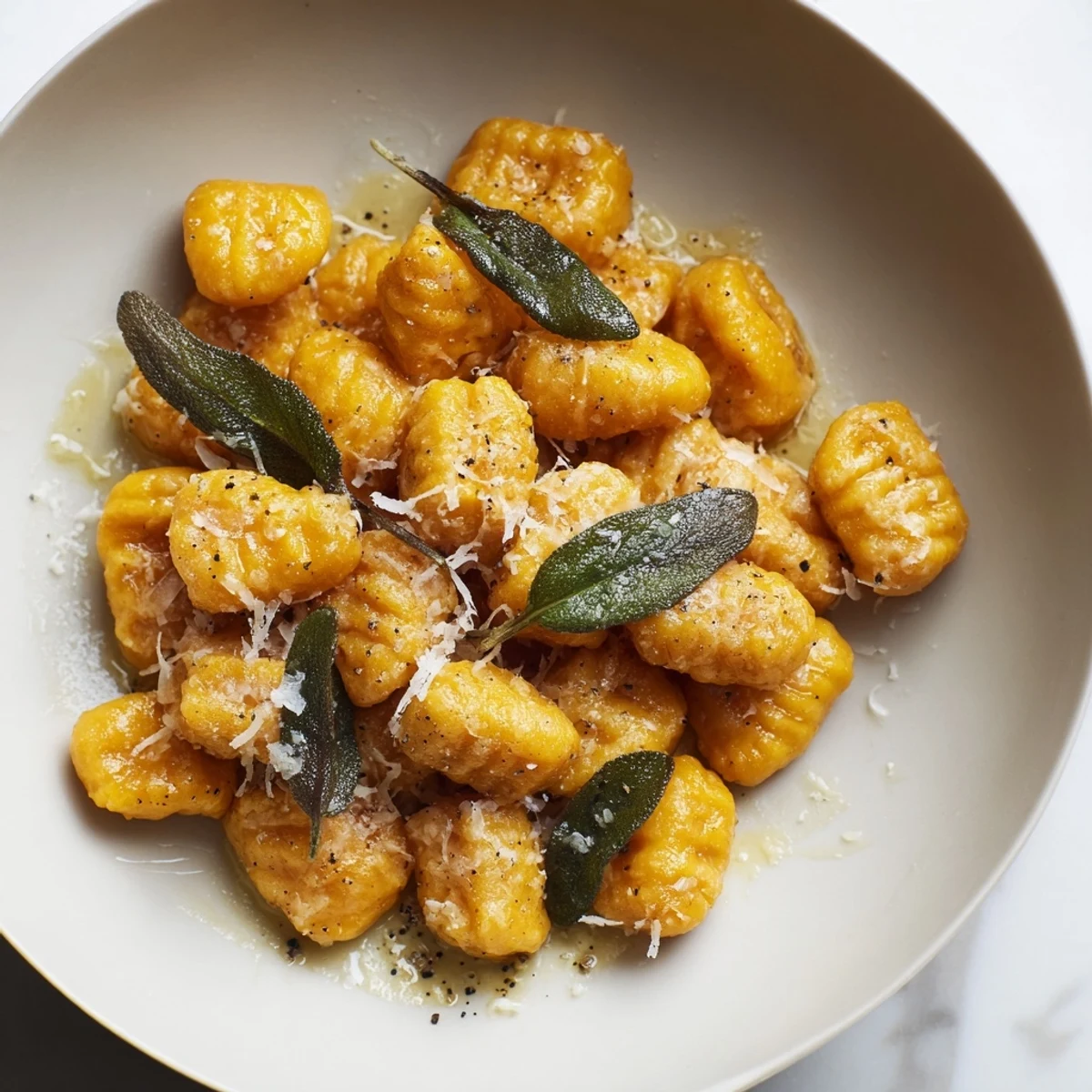
- Divide the dough into four portions and roll each into a rope about the thickness of your pinky finger, then cut into 1-inch pieces. If you have a gnocchi board or even just a fork, roll each piece over it to create little ridges that'll catch sauce beautifully.
- Cook until they float:
- Drop the gnocchi into gently boiling salted water in batches—don't overcrowd the pot or they'll steam instead of poach. They're done the moment they float to the surface and stay there for about a minute, which takes only 2–3 minutes total.
- Finish with sage butter (optional but recommended):
- Melt butter in a skillet, add fresh sage leaves, and let them crisp slightly until the whole thing smells like pure comfort. Toss the cooked gnocchi in this, and you've just created something that tastes like it took hours.
 Save
Save There's something almost meditative about rolling out those dough ropes and cutting them into uniform pieces, knowing that something this simple will soon become something that feels fancy enough for a restaurant. I stopped stressing about perfection the day I realized that irregular gnocchi taste just as good as picture-perfect ones—maybe even better because they catch more sauce.
The Squash Question
Butternut squash is traditional and reliable, but I've also made this with kabocha for a slightly nuttier flavor and with sugar pumpkin for something a bit lighter. The moisture content shifts a little depending on which you choose, so watch your dough as you add flour and adjust based on how it feels in your hands. Any winter squash works if you roast it until it's fully tender and slightly caramelized at the edges.
Serving and Pairing
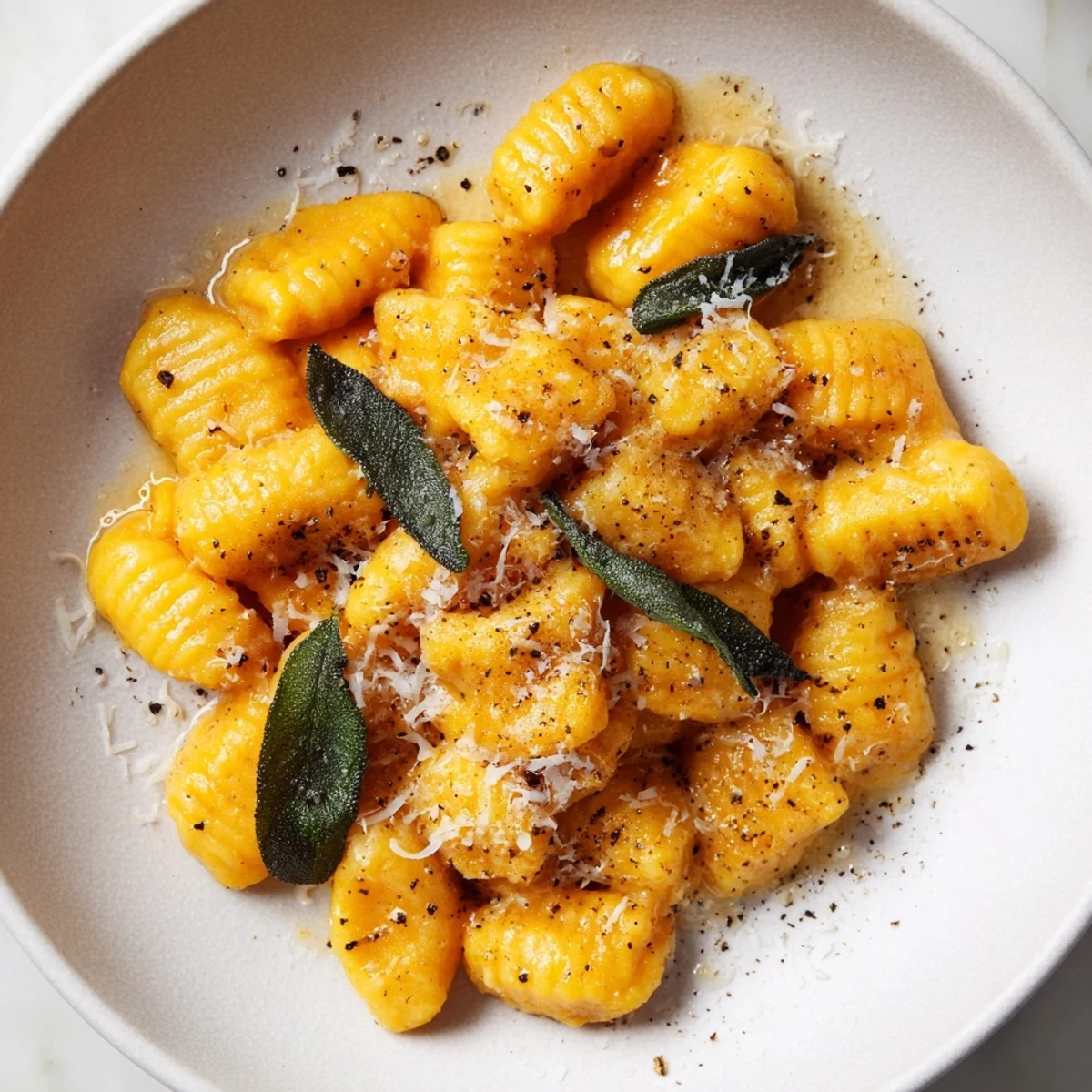
Sage butter is my favorite finish because it lets the gentle squash flavor shine through, but these gnocchi are forgiving enough for almost anything. A light tomato sauce works beautifully, cream-based sauces feel luxurious, and even just melted brown butter with a sprinkle of Parmesan transforms them into something special. I've served them alongside roasted vegetables, on a bed of greens, or even as a simple side dish with nothing more than olive oil and fresh herbs.
Make-Ahead and Storage
You can shape the gnocchi a few hours ahead and keep them on a floured baking sheet in the fridge, or freeze them for up to three months—cook straight from frozen, and they'll take only a minute or two longer to float. Leftovers can be reheated gently in a skillet with butter or oil, though they're best eaten the day they're made while they're still at their most tender.
- If dough feels too sticky, chill it for 15 minutes before shaping to make handling easier.
- Cook gnocchi in batches rather than all at once so they have room to float freely.
- For vegan gnocchi, use aquafaba or a flaxseed egg and skip the dairy or use cashew cream as a rich finish.
 Save
Save There's something quietly wonderful about serving food you've made with your own hands, especially when it's something that surprises people with its delicacy and warmth. These gnocchi remind me why I fell in love with cooking in the first place.
Recipe FAQ
- → What type of squash is best for this dish?
-
Butternut squash is ideal due to its sweetness and smooth texture, but other winter squashes work well too.
- → How can I tell when the gnocchi are done cooking?
-
The gnocchi float to the surface of boiling water within 2–3 minutes, signaling they're ready to be removed.
- → Can I prepare the dough ahead of time?
-
Yes, you can refrigerate the dough for up to a day; wrap it well to prevent drying before shaping.
- → What are good finishing touches for serving?
-
Sautéed sage in butter and an extra sprinkle of Parmesan add aromatic and rich flavors.
- → Is it possible to make this dish vegan?
-
Replace Parmesan and egg with vegan alternatives and use plant-based butter to keep the dish vegan.