
 Save
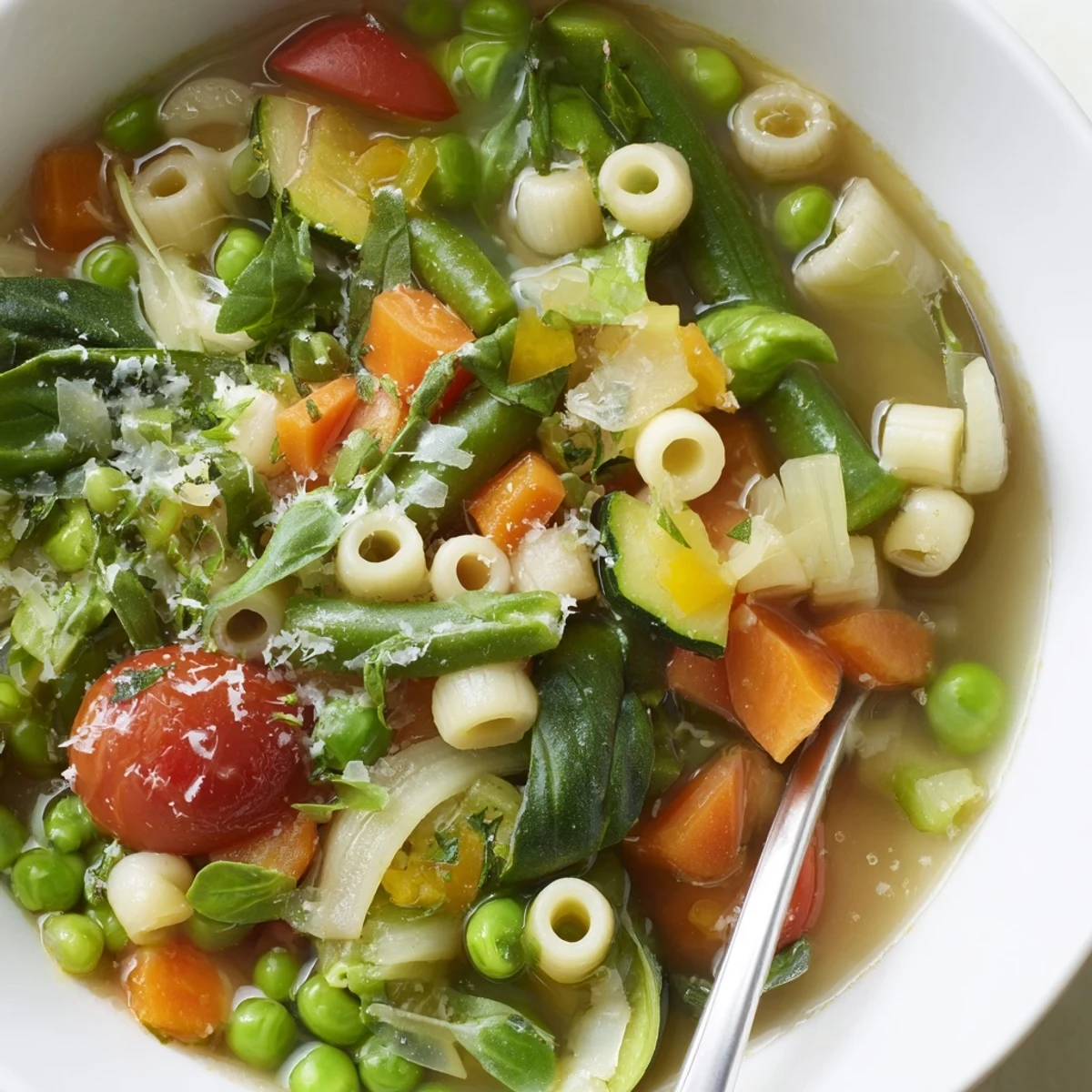
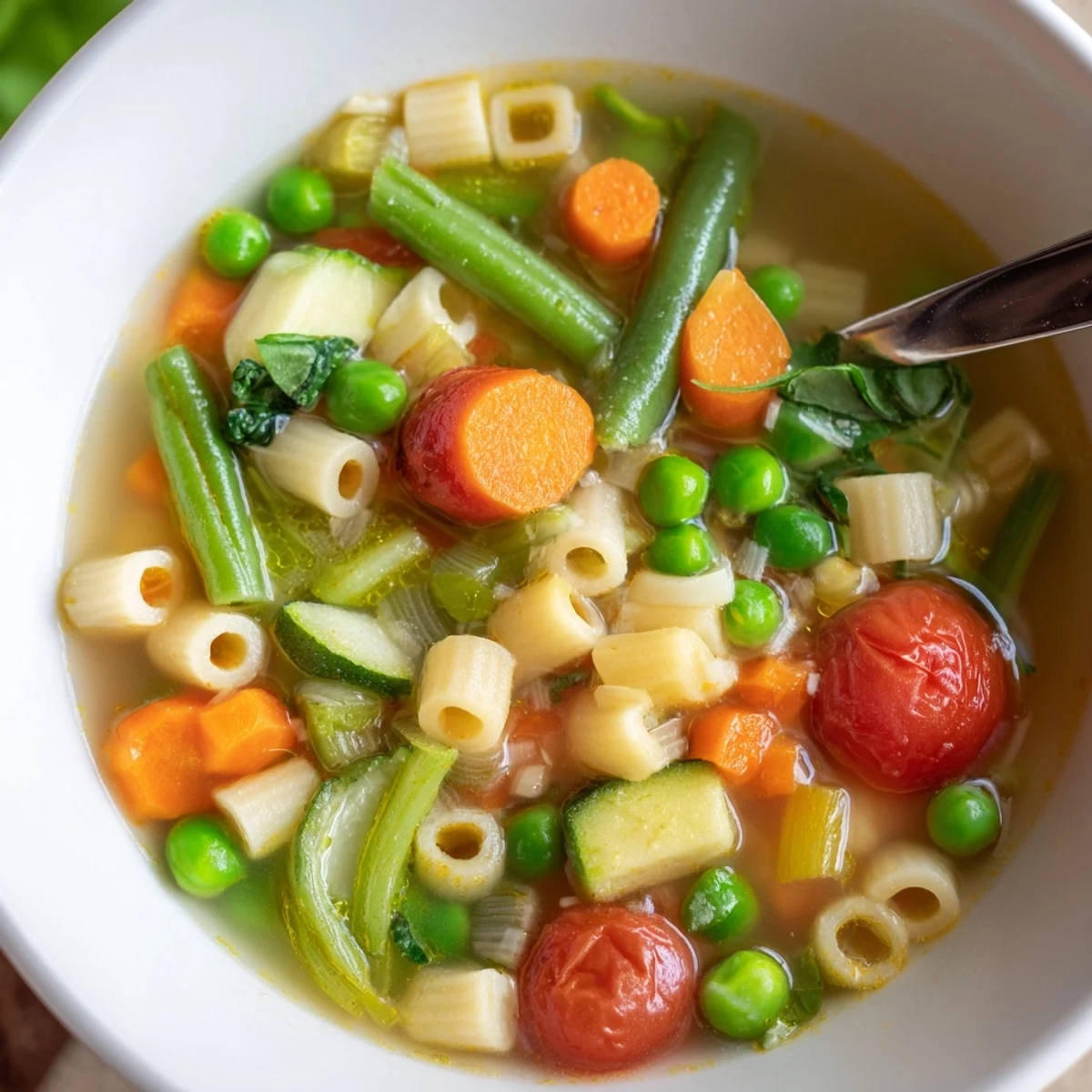
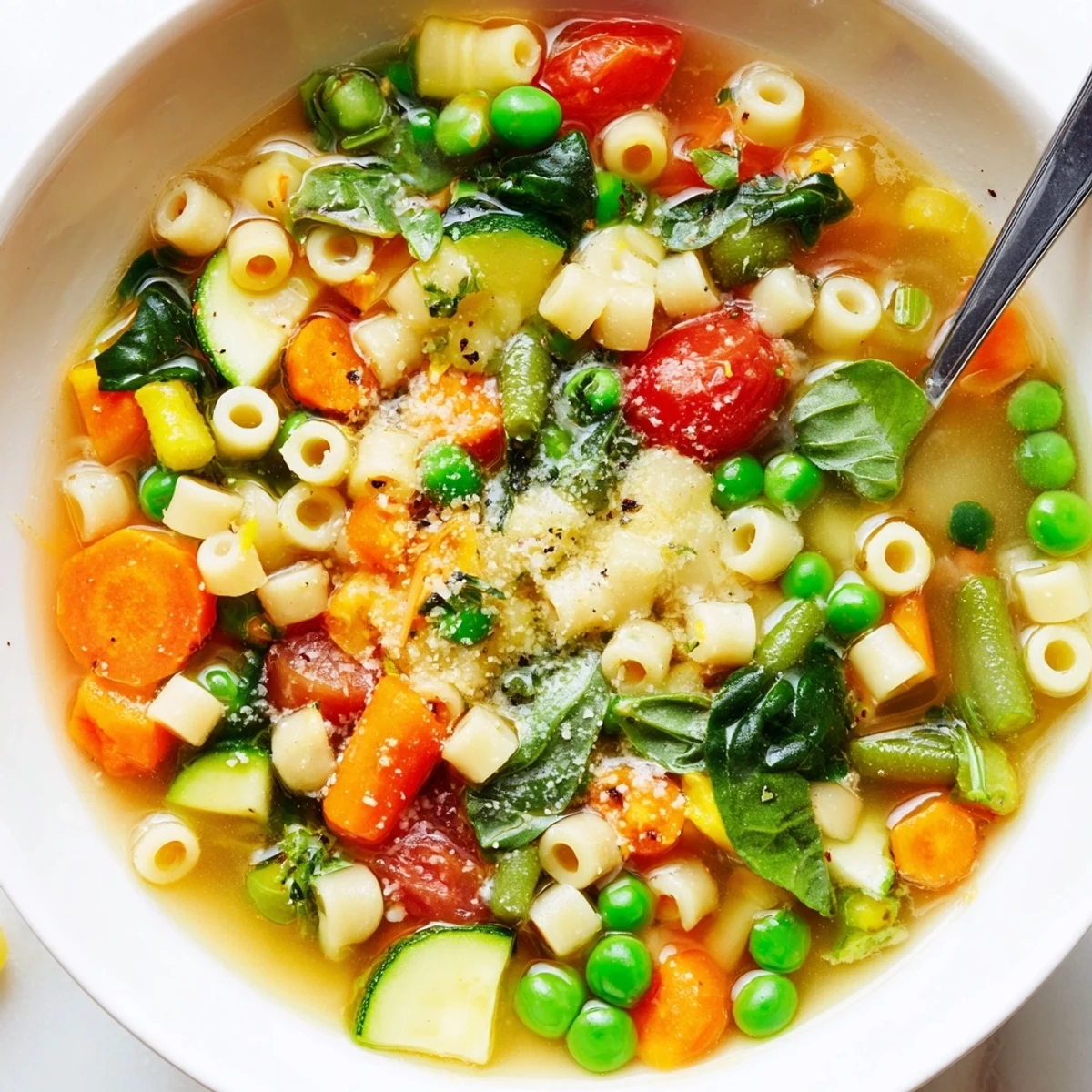
Save This spring minestrone blends sautéed onion, garlic, carrots and celery with zucchini, green beans, peas and cherry tomatoes simmered in vegetable broth. Small pasta cooks in the pot until al dente, then baby spinach and chopped basil, parsley and dill are stirred in. Season with salt, pepper and red pepper flakes, finish with grated Parmesan and an olive oil drizzle. Serves 4, total time about 50 minutes.
Springtime always seems to call for something that feels as lively as the air outside, and this minestrone answered perfectly one rainy April evening. I caught the scent of basil and simmering broth mixing with the sound of a playlist drifting through my little kitchen, and the whole room felt new. There’s something meditative in chopping early vegetables, each color bright and hopeful after a long winter. This is the kind of soup that makes you put your spoon down just long enough to smile at whoever’s nearby.
Last year, I made this soup for a group of friends after we meandered home from a chilly farmers market, our bags full of just-picked peas and tender green beans. Laughter and steam mingled in the kitchen as we each took turns stirring the pot, passing around crusty bread and arguing over who grew up adding Parmesan and who didn’t. The window cracked open just a little, and someone commented you could actually smell the dill from the sidewalk. That afternoon, there was not a drop of soup left in the entire house.
Ingredients
- Olive oil: A good olive oil brings body and helps the vegetables shine; let it warm but not smoke for the best base.
- Yellow onion: Finely chopping it helps it melt into the broth without overpowering, so don’t rush the sauté.
- Garlic: Mince finely for gentle, evenly spread flavor; add once the onions are soft to avoid bitterness.
- Carrots and celery: These classic soup starters set up a sweet, earthy backbone—make sure they’re diced the same size for even cooking.
- Zucchini: Toss it in just before the simmer so it keeps its gentle bite without turning mushy.
- Packed peas: Go fresh if you can—if frozen, no need to thaw, just stir in straight from the freezer.
- Green beans: Trim and slice into even bites so each spoonful gets a tender crunch.
- Baby spinach: Wait until the end to fold this in—just a gentle wilt is perfect, and too much cooking dulls both color and flavor.
- Cherry tomatoes: Halve them for bursts of sweetness; they break down and add both freshness and body to the broth.
- Vegetable broth: A homemade or low-sodium store-bought lets the produce sing—a shortcut of which I fully approve when in a hurry.
- Small pasta (ditalini or orzo): Smaller shapes mean bites of pasta without overwhelming the veggies, and they cook up quickly right in the pot.
- Salt, black pepper, red pepper flakes: Taste as you go, adding a pinch at a time, and consider red pepper flakes if you like a subtle kick.
- Fresh basil, parsley, fresh dill: Chopped just before stirring in, these lift the soup and add garden-brightness—dill is lovely if you have it, but skip if not a favorite.
- Freshly grated Parmesan cheese: Adds richness and umami—leave off for vegan or swap in your favorite alternative.
- Extra virgin olive oil: A finishing drizzle at the end really wakes up all the flavors (don’t skip it if you can help yourself).
Instructions
- Sauté the Aromatics:
- Warm olive oil in a big soup pot over medium. When you hear a soft sizzle, add onion and garlic, letting them cook gently until translucent and fragrant—about 3 minutes.
- Build the Soup Base:
- Slide in the carrots and celery; keep stirring while you listen to them start to soften, around 5 minutes, until their colors brighten up.
- Add Spring Veggies:
- Toss in zucchini, green beans, and cherry tomatoes. Let them mingle and cook for a couple minutes until everything glistens and smells sweet.
- Pour in the Broth:
- Tip in the vegetable broth next, carefully, and bring the mixture to a gentle boil—a few bubbles around the pot’s edge is perfect.
- Add Pasta and Peas:
- Stir in the pasta and peas, watching the pot begin to look hearty; simmer for 8–10 minutes, just until the pasta is al dente and vegetables are tender but still vibrant.
- Finish with Greens and Herbs:
- Fold in the baby spinach and all the fresh herbs. Give it just a minute or two—stop as soon as the spinach wilts and everything smells green and bright, then season with salt, pepper, and a pinch of red pepper flakes.
- Serve and Garnish:
- Ladle the soup into bowls, top with a bit of Parmesan, and add a finishing drizzle of olive oil. Scatter on a little extra chopped herb if you’re feeling fancy, then serve while piping hot.
 Save
Save One particular night, as golden sunlight faded and we sat around the table hands curled around warm bowls, someone toasted to new beginnings. The soup became more than dinner—it was a way to celebrate change, comfort, and the little rituals of cooking together when the world outside felt uncertain.
Making It Your Own
I almost always improvise with what’s on hand—swapping asparagus for green beans, or using those last bits of kale from the fridge. Cannellini beans are fantastic for making it heartier, and you can toss in fava beans or even strips of roasted red pepper if you have them. Sometimes, the odd carrot or tomato variety completely changes the flavor profile and surprises me in the best way.
Bread and Wine Pairings
No spring minestrone is complete, at least in my kitchen, without a thick slice of crusty bread for dunking. If you feel like pouring something crisp, a light Pinot Grigio will never argue with the soup’s gentle herbal notes. These little details make the pot last a bit longer between friends who love to linger.
Troubleshooting for Next Time
Every now and then, I overcook the pasta and end up with things a little too thick, but honestly, leftovers turn into a happy, chunky stew by the next day. Don’t panic if the soup looks too brothy before serving—the pasta will absorb extra liquid as it sits, so resist adding more or you’ll risk muddling the flavors. And if you’re in a rush, prepping all the veggies ahead means you can have a pot simmering in no time.
- Taste and adjust salt before serving—spring veggies can be unpredictably sweet.
- If making ahead, store pasta and soup separately for best texture.
- Always check for doneness just by biting into a bean or carrot.
 Save
Save I hope you find as much warmth in this soup as I do—it’s one of those recipes that always feels generous, no matter the company or occasion. Here’s to bright bowls and good company at your own table.
Recipe FAQ
- → Can I make this dish vegan?
-
Yes — omit the Parmesan or replace it with a plant-based alternative and use a vegetable broth that contains no dairy. Finish with a drizzle of extra virgin olive oil for richness.
- → What pasta works best and when should I add it?
-
Small shapes like ditalini or orzo are ideal. Add the pasta once the broth is boiling and simmer for 8–10 minutes, or until al dente, so it cooks evenly with the vegetables.
- → How do I avoid overcooking delicate greens?
-
Add baby spinach or other tender greens in the last 1–2 minutes of cooking and remove from heat as soon as they wilt to preserve color and texture.
- → Can this be frozen and reheated?
-
Yes, but pasta can soften after freezing. For best texture, freeze the soup without pasta or cook extra pasta separately to add when reheating. Thaw overnight and gently reheat on the stovetop.
- → How can I increase protein and heartiness?
-
Stir in canned cannellini or other beans when you add the pasta, or serve with a side of crusty bread. Beans pair well with the herbs and boost satiety.
- → What seasonal vegetable swaps work well?
-
Swap in asparagus, fava beans or young leeks when available. Add firmer vegetables earlier in the cooking process and tender ones near the end to keep bright flavors.