
 Save
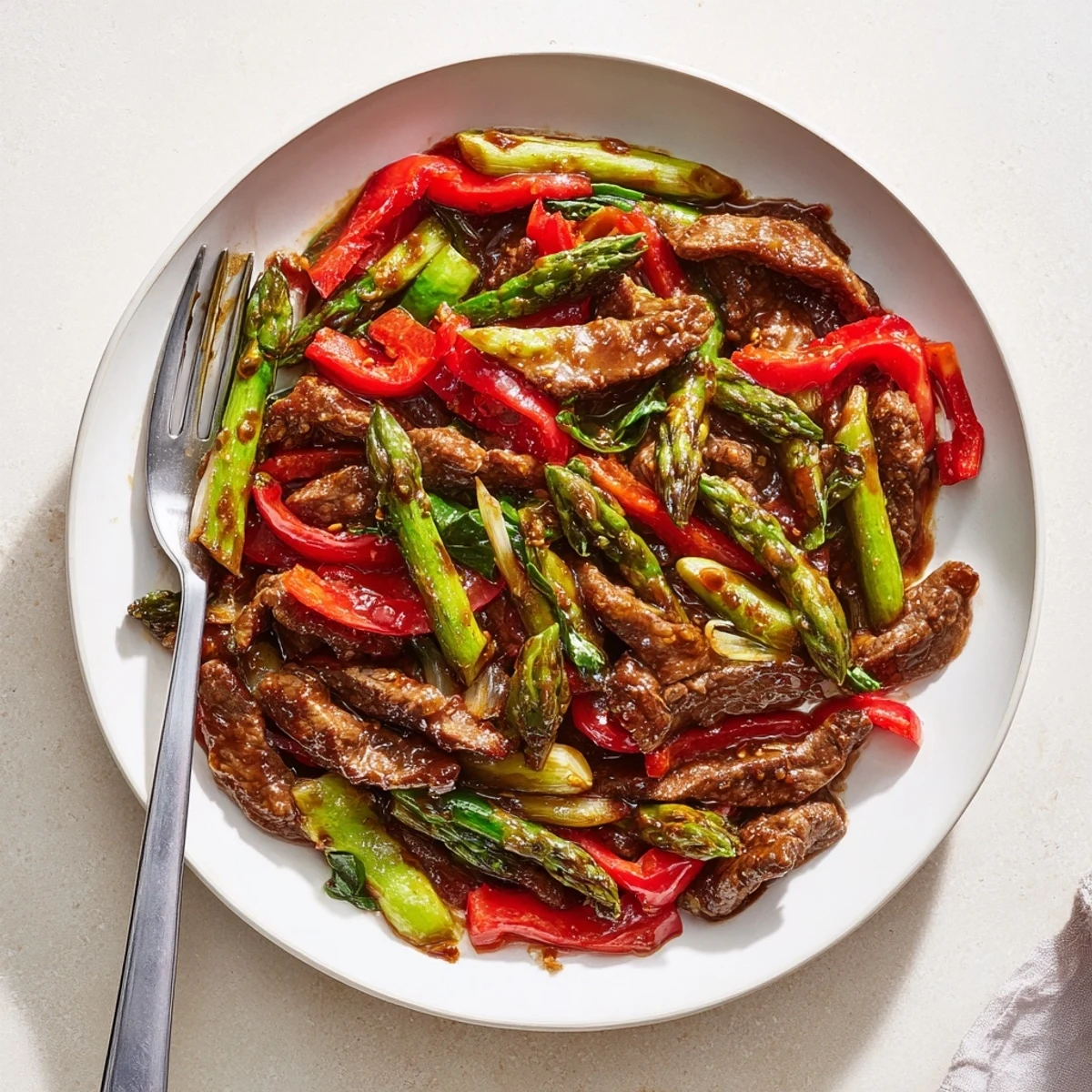
Save This Asian-inspired dish combines thinly sliced beef sirloin with fresh vegetables in a rich, savory sauce. The beef is quickly seared to lock in juices, then paired with crisp-tender bok choy, asparagus, and aromatic garlic and ginger. A well-balanced sauce blends soy, oyster, and hoisin sauces with sesame oil for that authentic umami depth.
Ready in just 30 minutes, this meal is perfect for busy weeknights when you want something nutritious without spending hours in the kitchen. The vegetables maintain their crunch while absorbing the flavorful sauce, creating a satisfying texture contrast.
Serve over steamed jasmine rice or noodles for a complete meal. The dish is easily customizable—swap beef for chicken, tofu, or shrimp, or add your favorite vegetables like snap peas or mushrooms.
The aroma of garlic and ginger hitting hot oil still stops me in my tracks, reminding me of tiny apartment kitchens where dinner was cooked in one pan while rice steamed away on the counter. This stir-fry became my go-to during a particularly busy season when takeout was tempting but something homemade felt necessary. What started as a way to use up whatever vegetables lingered in the crisper drawer evolved into this combination I now make on purpose. The sauce creates this gorgeous glossy coating that makes everything taste restaurant-quality, yet it comes together in under thirty minutes.
I served this to my brother who claims to hate bok choy, watching him go back for thirds without realizing what he was eating. The way the beef stays tender while the vegetables keep their crunch creates this satisfying texture contrast that makes the dish feel substantial. My partner now requests this specifically on nights when we want something comforting but not heavy.
Ingredients
- Beef sirloin or flank steak (400 g): Cutting against the grain is the secret to keeping each bite tender instead of chewy
- Bok choy (1 large bunch): The stems stay crunchy while the leaves wilt slightly, adding two different textures in one vegetable
- Asparagus (200 g): Trim the woody ends and cut into pieces that match the bok choy for even cooking
- Red bell pepper (1 medium): This is entirely optional but I love the sweetness it brings and how it makes everything look vibrant
- Garlic (2 cloves): Fresh minced garlic makes such a difference compared to jarred versions
- Fresh ginger (2 tsp): Grating it releases more flavor than chopping and you avoid any stringy bits in your sauce
- Soy sauce (3 tbsp): Low-sodium gives you control over the salt level since the sauce reduces
- Oyster sauce (1 tbsp): This adds umami depth that you cannot replicate with just soy sauce alone
- Hoisin sauce (1 tbsp): Completely optional but if you have it, the sauce gets this lovely subtle sweetness
- Cornstarch (2 tsp): This is what transforms your sauce from something thin into that glossy coating that clings to everything
- Water (1/4 cup): Just enough to dissolve the cornstarch and create the right consistency
- Sesame oil (1 tsp): A little goes a long way toward that nutty finish that makes it taste takeout authentic
- Sugar (1/2 tsp): Just a touch to balance all the salty elements
- Black pepper (1/4 tsp): Freshly ground makes a noticeable difference in the background warmth
- Vegetable oil (2 tbsp): You want something with a high smoke point since you will be cooking over very high heat
Instructions
- Make the sauce first:
- Whisk everything together until the cornstarch completely dissolves and there are no lumps visible. Set it aside because once you start stir-frying, you will need this ready to pour.
- Sear the beef:
- Heat half the oil until it shimmers and add beef in a single layer, letting it develop a brown crust before flipping. Remove it while it is still slightly pink inside since it will finish cooking later.
- Bloom the aromatics:
- Add the remaining oil and toss in the garlic and ginger, stirring constantly for just thirty seconds until your kitchen fills with their fragrance. Do not walk away or they will turn bitter.
- Start the harder vegetables:
- Add the asparagus and bell pepper first, letting them cook until they begin to soften but still maintain some crunch.
- Add the bok choy:
- Toss in the bok choy and stir-fry just until the leaves wilt and the stems turn bright green but remain crisp.
- Combine everything:
- Pour the beef back in and give the sauce one last whisk before adding it to the pan, stirring constantly until it bubbles and thickens into that glossy coating. The beef should finish cooking in the sauce, reaching perfect doneness right as everything is coated.
 Save
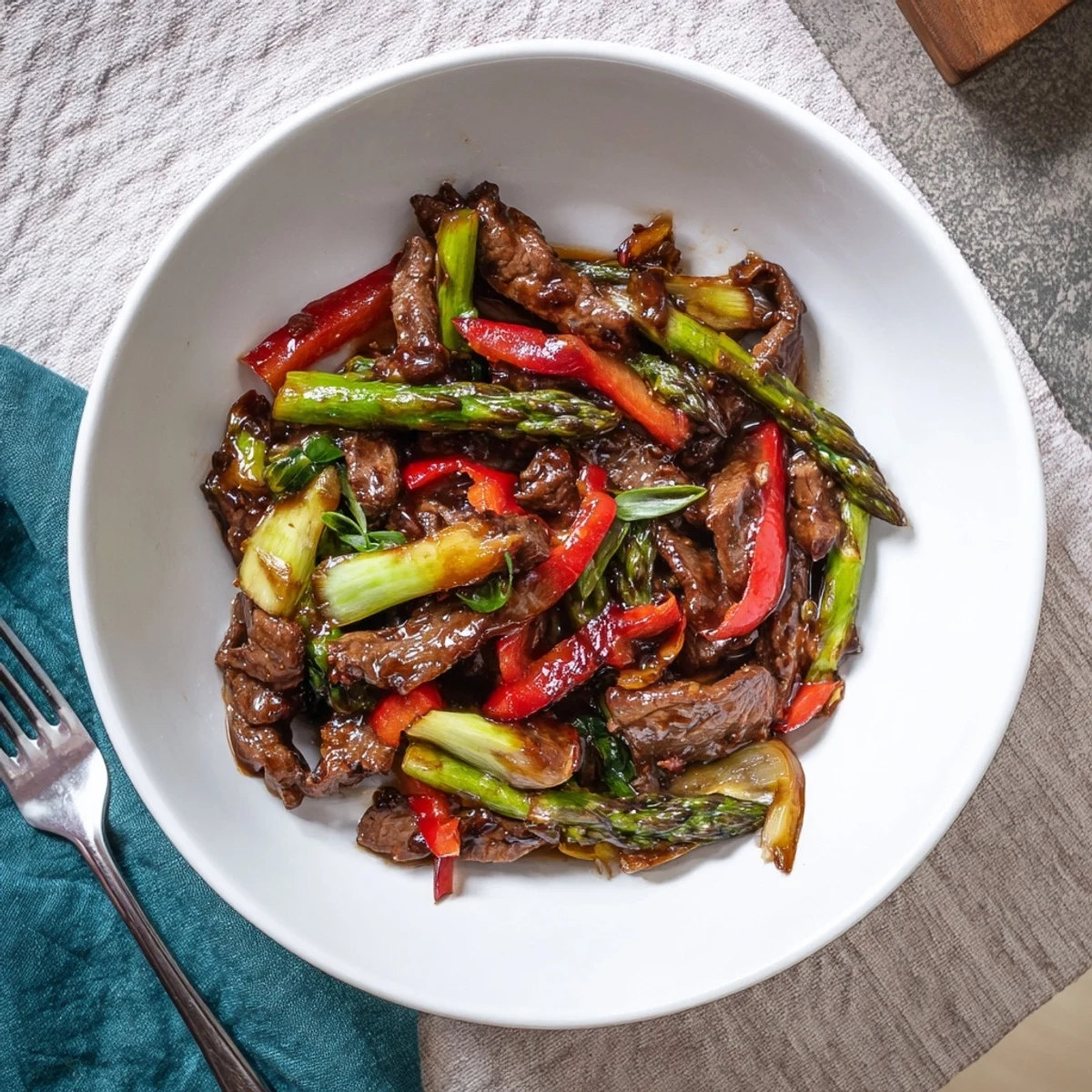
Save This recipe has saved me on countless weeknights when I was too tired to cook anything complicated but still wanted something that felt like a proper meal. The first time I made it for friends, they assumed I had ordered from our local spot and were genuinely shocked when I told them it came from my kitchen.
Getting The Beef Right
Partially freezing the beef for thirty minutes makes it so much easier to slice thinly against the grain, which is absolutely critical for tenderness. I learned this trick after years of ending up with chewy stir-fry beef that no amount of sauce could rescue. The grain refers to the lines running through the meat, and you want to cut across them rather than parallel to create short muscle fibers instead of long stringy ones.
Building Your Stir-Fry Intuition
High heat is non-negotiable here because it creates that restaurant-quality sear and keeps vegetables crisp-tender instead of steamed. Do not be afraid of a little smoke coming off the pan. The oil needs to be shimmering hot before ingredients hit it, and you should hear an immediate sizzle. If your ingredients are not making noise when they hit the pan, your heat is too low.
Make It Your Own
Once you have the basic technique down, this becomes a template you can adapt endlessly based on what is in your refrigerator or what you are craving. The sauce ratios work for almost any protein and vegetable combination, so do not feel married to these exact ingredients.
- Swap in chicken, shrimp, or tofu for the beef
- Add snap peas, mushrooms, or broccoli to the vegetable mix
- Top with sliced green onions or toasted sesame seeds just before serving
 Save
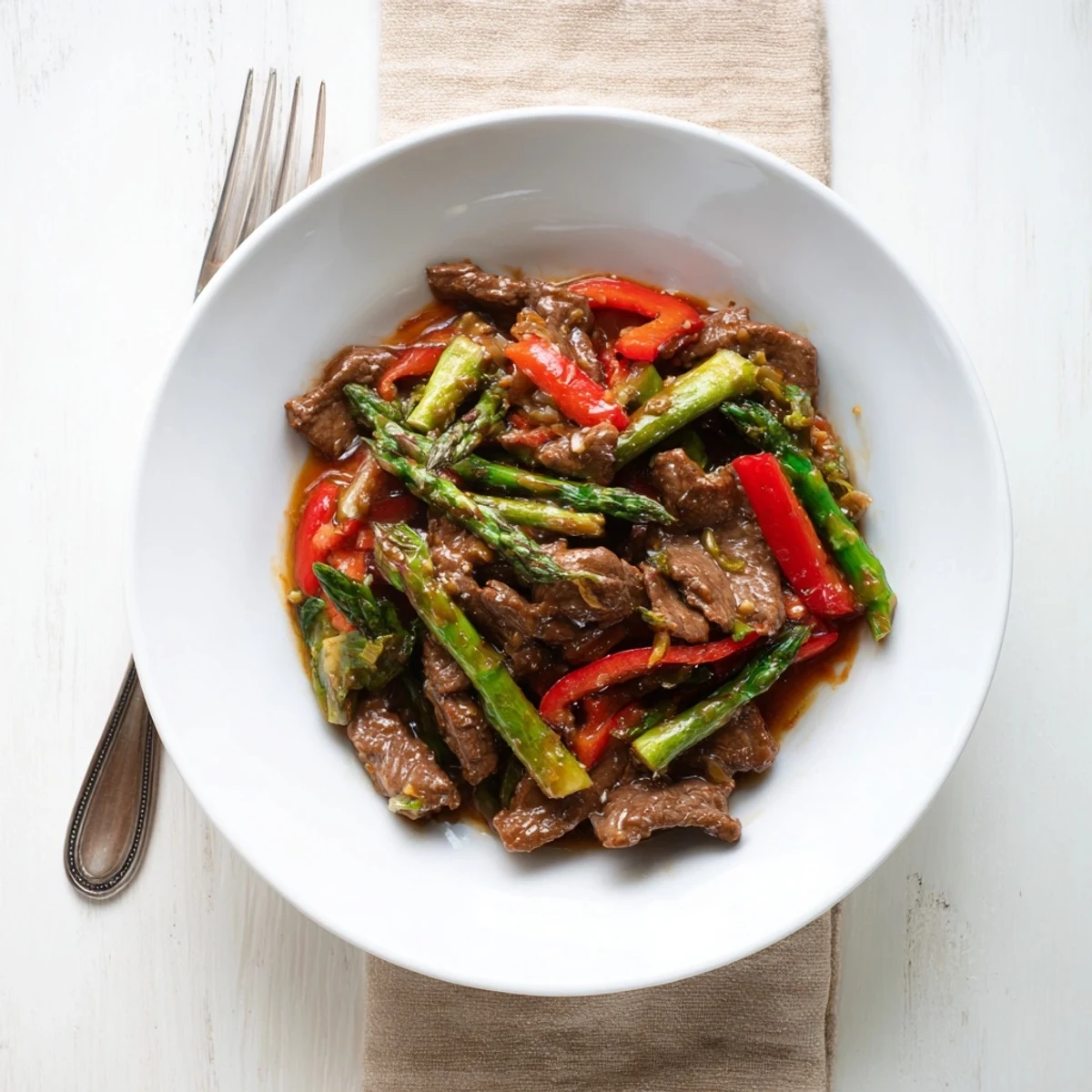
Save I hope this becomes one of those recipes you can make without even looking at the instructions, something that feels like second nature whenever you need a satisfying but uncomplicated dinner.
Recipe FAQ
- → What cut of beef works best for stir-frying?
-
Flank steak or sirloin are ideal choices because they're tender and respond well to quick, high-heat cooking. Slice thinly against the grain for the most tender results.
- → Can I make this dish gluten-free?
-
Yes, substitute regular soy sauce with tamari or certified gluten-free soy sauce. Ensure your oyster and hoisin sauces are labeled gluten-free as well.
- → How do I prevent the vegetables from becoming soggy?
-
Keep the heat high and cook vegetables just until crisp-tender. Avoid overcrowding the wok, which lowers the temperature and causes steaming instead of stir-frying.
- → What can I serve with this stir-fry?
-
Steamed jasmine rice, brown rice, or noodles work beautifully. For a low-carb option, serve over cauliflower rice or enjoy on its own as a complete meal.
- → How long does this dish keep in the refrigerator?
-
Store in an airtight container for up to 3 days. Reheat gently in a skillet over medium heat, adding a splash of water if the sauce has thickened too much.
- → Can I prepare the ingredients ahead of time?
-
Absolutely. Slice the beef and vegetables up to a day in advance and store separately in the refrigerator. Mix the sauce ahead and keep it refrigerated until ready to cook.