
 Save
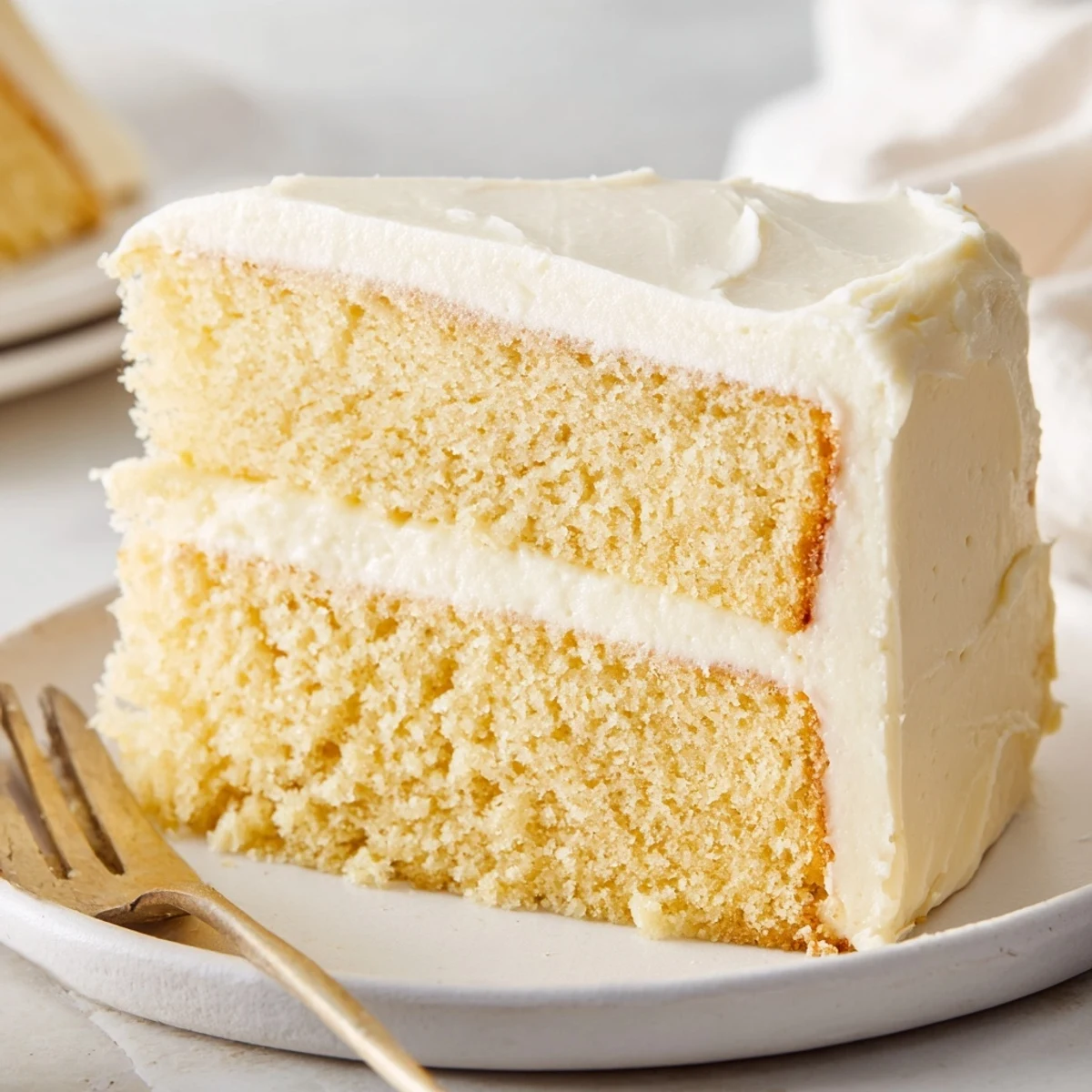
Save This classic vanilla cake delivers bakery-quality results with a tender, moist crumb and rich vanilla flavor. The creamy buttercream frosting adds the perfect sweet finish. Ready in just 50 minutes, this crowd-pleasing dessert is ideal for birthdays, holidays, or any special occasion. The straightforward technique makes it accessible for bakers of all experience levels.
My grandmother's tiny kitchen always smelled like vanilla and butter on Sunday mornings, especially when there was a birthday to celebrate. She taught me that a perfect vanilla cake isn't about fancy techniques it's about patience and room temperature ingredients. I still have the flour stained index card where she wrote down her secrets, though I've added my own adjustments over the years.
Last summer my daughter requested this cake for her birthday instead of anything from a fancy bakery. Watching her lick the beaters clean while we made the frosting together brought back all those Sunday morning feelings. Sometimes the simplest recipes carry the heaviest memories.
Ingredients
- All-purpose flour: This creates the structure for your cake. Sift it first if you want extra lightness, though I usually skip this step unless the flour looks compacted.
- Baking powder: The leavening agent that makes your cake rise. Fresh baking powder makes a difference check the expiration date if it has been sitting in your pantry for months.
- Salt: Don't skip this. It enhances the vanilla flavor and balances the sweetness. I use fine sea salt but table salt works perfectly fine.
- Unsalted butter: Use real butter, never margarine. The flavor difference is enormous. Let it soften on the counter for at least an hour so it creams properly with the sugar.
- Granulated sugar: This not only sweetens but helps create the cake's texture. Creaming it with butter incorporates air bubbles that make the cake light.
- Large eggs: Room temperature eggs emulsify better into the batter. If you forgot to take them out, warm them in a bowl of lukewarm water for 5 minutes.
- Pure vanilla extract: Don't use imitation vanilla. The real stuff is worth every penny and makes a noticeable difference in flavor.
- Whole milk: The fat content keeps the cake tender. Room temperature milk prevents the butter from seizing when you add it to the batter.
- Powdered sugar: For the frosting. Sift it first or you'll end up with lumpy buttercream, which I learned the embarrassing way at my first dinner party.
Instructions
- Preheat your oven and prepare the pans:
- Set your oven to 350°F (175°C) and let it fully preheat while you work. Grease two 9-inch round cake pans with butter, then line the bottoms with parchment paper circles for easy removal later.
- Whisk your dry ingredients:
- In a medium bowl, combine flour, baking powder, and salt. Whisk them together thoroughly so the leavening is evenly distributed throughout the flour.
- Cream the butter and sugar:
- Beat the softened butter and sugar in a large bowl with an electric mixer for 3 to 4 minutes until the mixture is pale and fluffy. This step is worth the extra time it creates the cake's texture.
- Add eggs and vanilla:
- Add eggs one at a time, beating well after each addition. Scrape down the sides of the bowl to make sure everything is incorporated, then mix in the vanilla extract.
- Combine wet and dry ingredients:
- Add the flour mixture and milk alternately to the butter mixture, starting and ending with flour. Mix only until just combined. Overmixing creates a tough cake, so stop as soon as you don't see dry flour.
- Bake the layers:
- Divide the batter evenly between your prepared pans and smooth the tops. Bake for 28 to 32 minutes until a toothpick inserted in the center comes out clean or with just a few moist crumbs.
- Cool completely:
- Let the cakes cool in the pans for 10 minutes, then turn them out onto wire racks. The cake must be completely cool before frosting or the buttercream will melt and slide right off.
- Make the buttercream:
- Beat the butter until creamy, then gradually add powdered sugar, milk, vanilla, and salt. Beat for about 3 minutes until the frosting is smooth and fluffy enough to spread.
- Frost and assemble:
- Place one cake layer on your serving plate and spread a generous layer of buttercream on top. Add the second layer, then frost the top and sides of the cake.
 Save
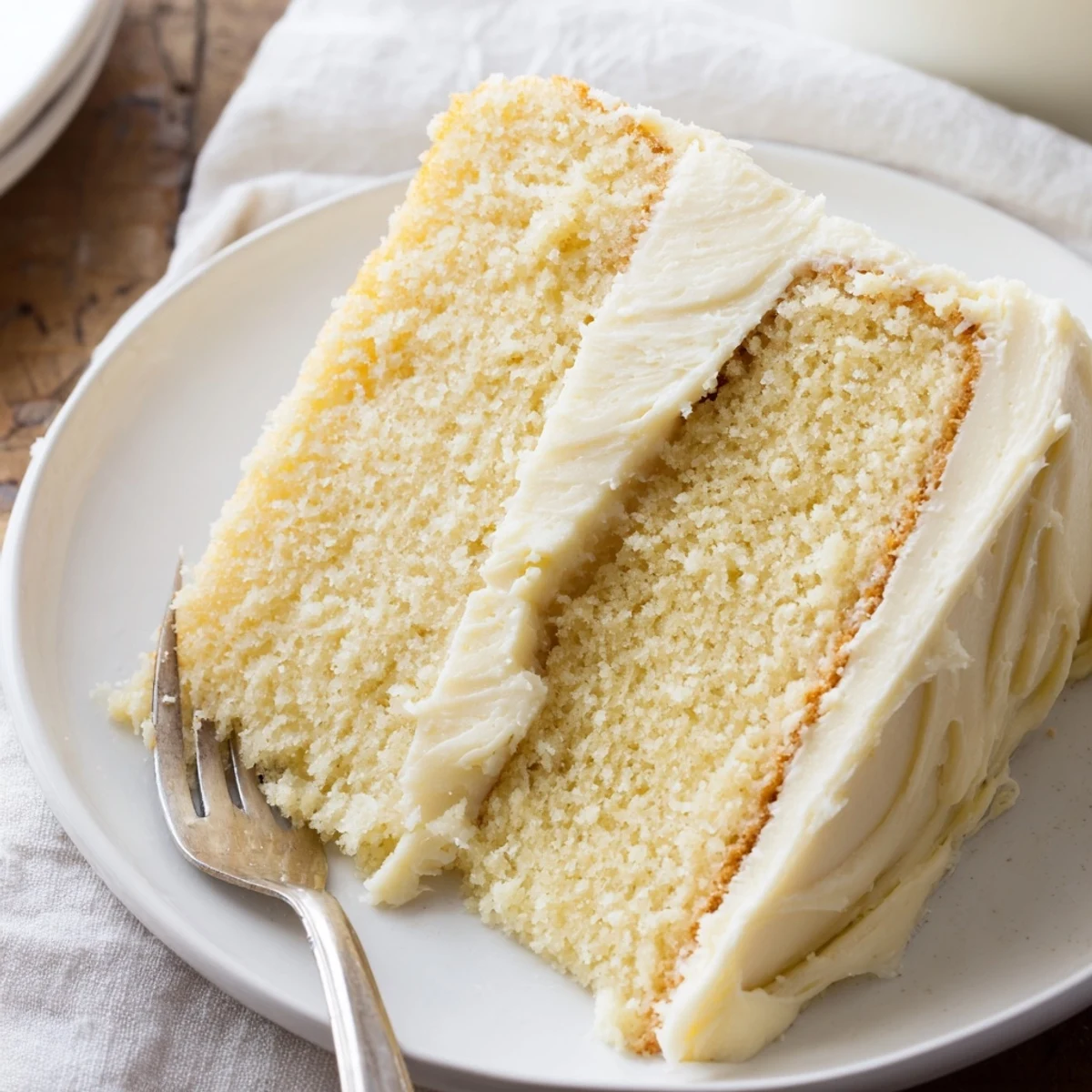
Save This cake has become my go to for every celebration from birthdays to promotions to just because Tuesdays. There's something about the simple combination of vanilla and butter that feels like a hug.
Making It Ahead
The unfrosted cake layers freeze beautifully for up to two months. Wrap each layer tightly in plastic wrap, then foil, and thaw them overnight in the refrigerator before frosting. I actually think the texture improves slightly after freezing.
Flavor Variations
Scrape the seeds from a vanilla bean into the batter for an intense vanilla flavor with those beautiful specks. You can also add lemon zest or almond extract for a different twist while keeping the classic vanilla base. Chocolate or raspberry jam between the layers transforms it into something completely different.
Serving and Storage
Frosted cake keeps at room temperature for up to two days, covered with a cake dome or inverted bowl. After that, move it to the refrigerator where it will last another five days, though it rarely lasts that long in my house. Bring chilled cake to room temperature for 30 minutes before serving for the best texture.
- Use a warm knife dipped in hot water for perfectly smooth frosting cuts
- Add sprinkles immediately after frosting so they stick properly
- Serve with fresh berries if you want to pretend it's slightly healthy
 Save
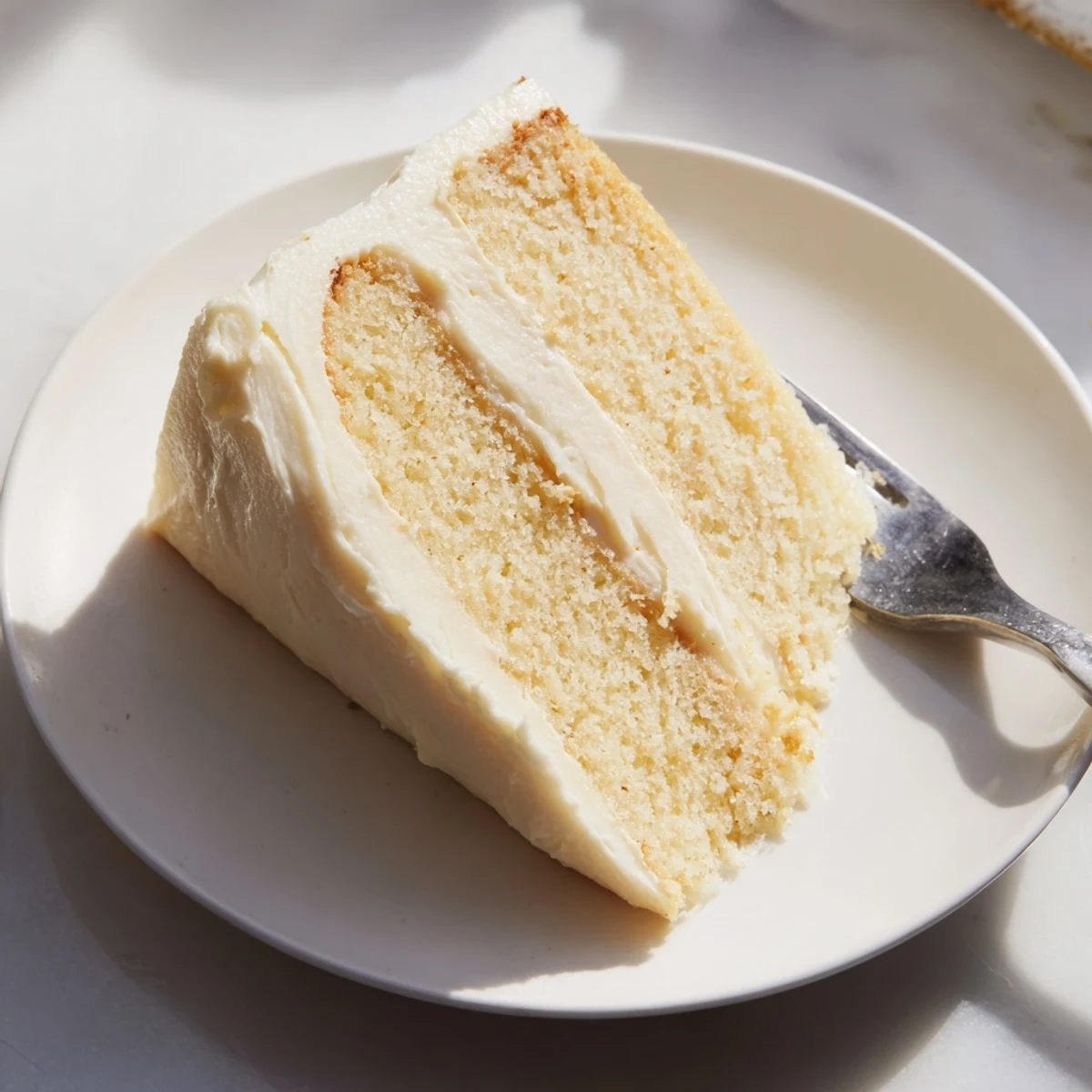
Save A slice of this vanilla cake with a cup of coffee is my idea of perfect happiness. Some days you just need something simple and sweet.
Recipe FAQ
- → How do I know when the vanilla cake is done baking?
-
Insert a toothpick into the center of the cake. If it comes out clean or with just a few moist crumbs, the cake is done. The edges should also start to pull away slightly from the pan sides.
- → Can I make this vanilla cake ahead of time?
-
Yes! The cake layers can be baked, wrapped tightly, and frozen for up to 2 months. Thaw overnight at room temperature before frosting. Unfrosted cakes can also be stored at room temperature for 2 days.
- → Why did my cake turn out dense?
-
Overmixing the batter can develop too much gluten, making the cake dense. Mix until just combined after adding the flour. Also ensure all ingredients are at room temperature before mixing for proper aeration.
- → Can I use salted butter instead of unsalted?
-
You can substitute salted butter, but reduce the added salt in both the cake and frosting by half. This prevents the final result from becoming too salty while maintaining the proper flavor balance.
- → How should I store frosted vanilla cake?
-
Store frosted cake at room temperature in an airtight container or cake cover for up to 3 days. If your kitchen is very warm, refrigerate but bring to room temperature before serving for the best texture and flavor.
- → Can I make cupcakes with this batter?
-
Absolutely! This batter makes about 24-30 standard cupcakes. Fill cupcake liners two-thirds full and bake at 350°F for 18-22 minutes, until a toothpick comes out clean.