
 Save
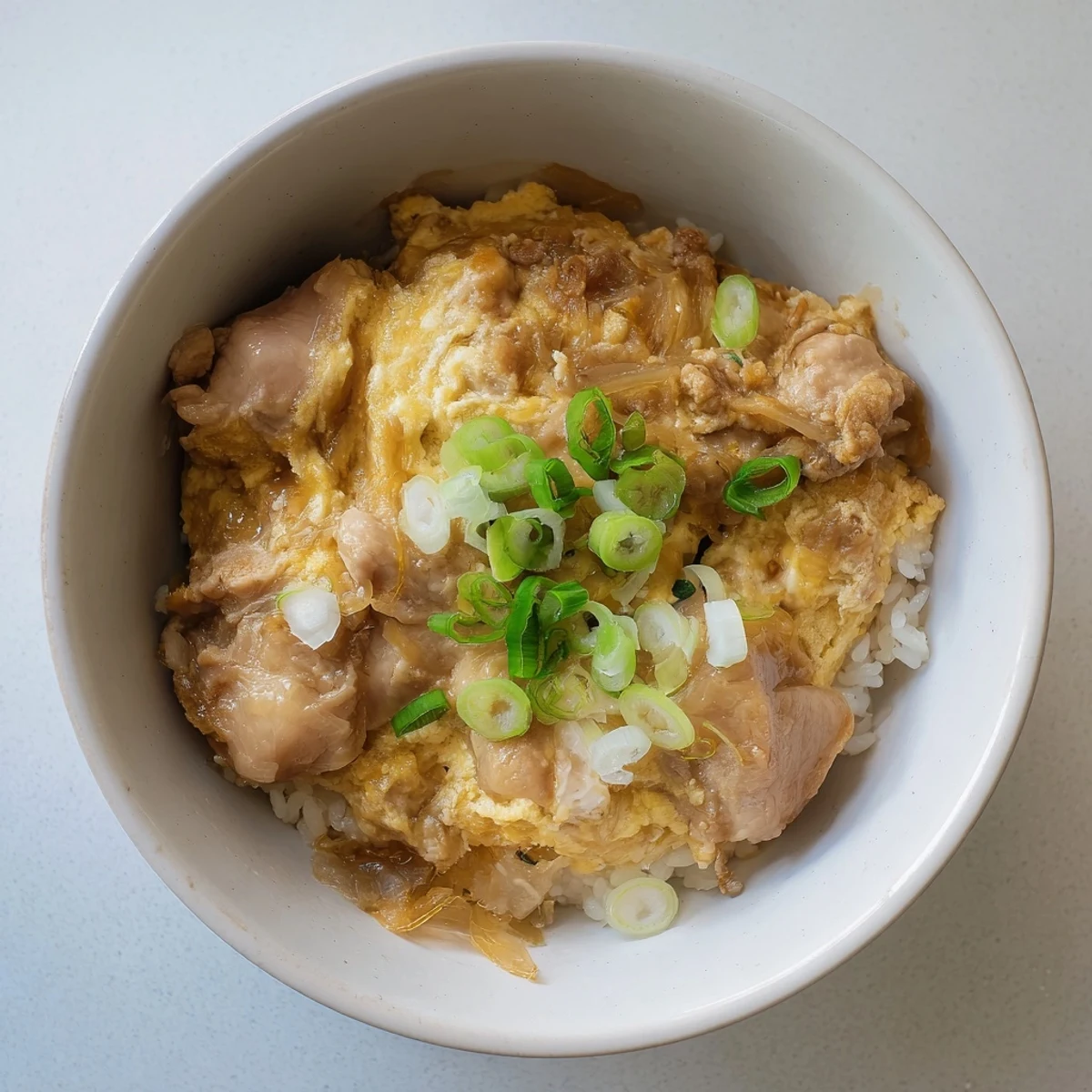
Save This beloved Japanese classic brings together tender chicken thigh pieces and silky eggs in a flavorful dashi-based sauce. The dish simmers in one pot, allowing the onions to soften and the savory-sweet broth to infuse every ingredient.
Served piping hot over steaming short-grain rice, each bowl delivers that perfect balance of protein, carbohydrates, and umami richness. The entire meal comes together in just 30 minutes, making it an ideal weeknight dinner when you crave something nourishing without extensive preparation.
The steam still rising from the pot as I slide that perfectly set egg over rice brings me right back to my first apartment kitchen. I had been attempting to recreate this dish I'd fallen in love with at a tiny Japanese restaurant near my office, failing miserably three times before understanding what Oyakodon really needs. The name means "parent and child bowl" a poetic nod to the chicken and egg sharing the same vessel and I love how something so emotionally resonant can come together in under thirty minutes.
My roommate walked in during my fourth attempt at making this and immediately asked what smelled so incredible. When I served her that bowl of steaming rice topped with the tender chicken and barely set eggs, she actually went quiet for a full minute just eating. Now whenever either of us has had a particularly draining day, we text each other simply "Oyakodon tonight" and somehow everything feels a little more manageable.
Ingredients
- 350 g boneless skinless chicken thighs: Thighs stay juicy and tender through the simmering process unlike breasts which can dry out
- 1 medium yellow onion thinly sliced: The onions melt into the sauce becoming sweet and translucent
- 2 spring onions sliced: These add a fresh bright contrast against the rich savory flavors
- 3 cups cooked Japanese short-grain rice hot: Short-grain rice's natural starch helps the sauce cling to every bite
- 1 cup dashi stock: This provides the umami foundation though chicken stock works in a pinch
- 3 tbsp soy sauce: The salty backbone that balances the sweetness
- 2 tbsp mirin: Adds subtle sweetness and a beautiful glossy finish
- 2 tbsp sake: Cuts through the richness and rounds out the flavor profile
- 1 tbsp sugar: Creates that characteristic Japanese sweet-savory balance
- 4 large eggs lightly beaten: Don't overbeat them some texture variation is lovely
Instructions
- Get everything ready before you start cooking:
- Mise en place matters here since everything moves quickly once the pan is hot
- Create your simmering base:
- Combine dashi soy sauce mirin sake and sugar in a large deep skillet or donabe then bring to a gentle simmer over medium heat
- Soften the onions:
- Add sliced onions and cook for about 3 minutes until they're translucent and fragrant
- Cook the chicken through:
- Layer chicken pieces over the onions cover and simmer 6 to 8 minutes until cooked through
- Add the eggs:
- Pour beaten eggs evenly over everything cover and cook just 1 to 2 minutes until softly set but still slightly runny
- Assemble your bowls:
- Spoon hot rice into bowls then gently slide portions of the chicken egg and sauce over the top
- Finish with freshness:
- Garnish each bowl with sliced spring onions and serve immediately while the eggs are still perfectly silky
 Save
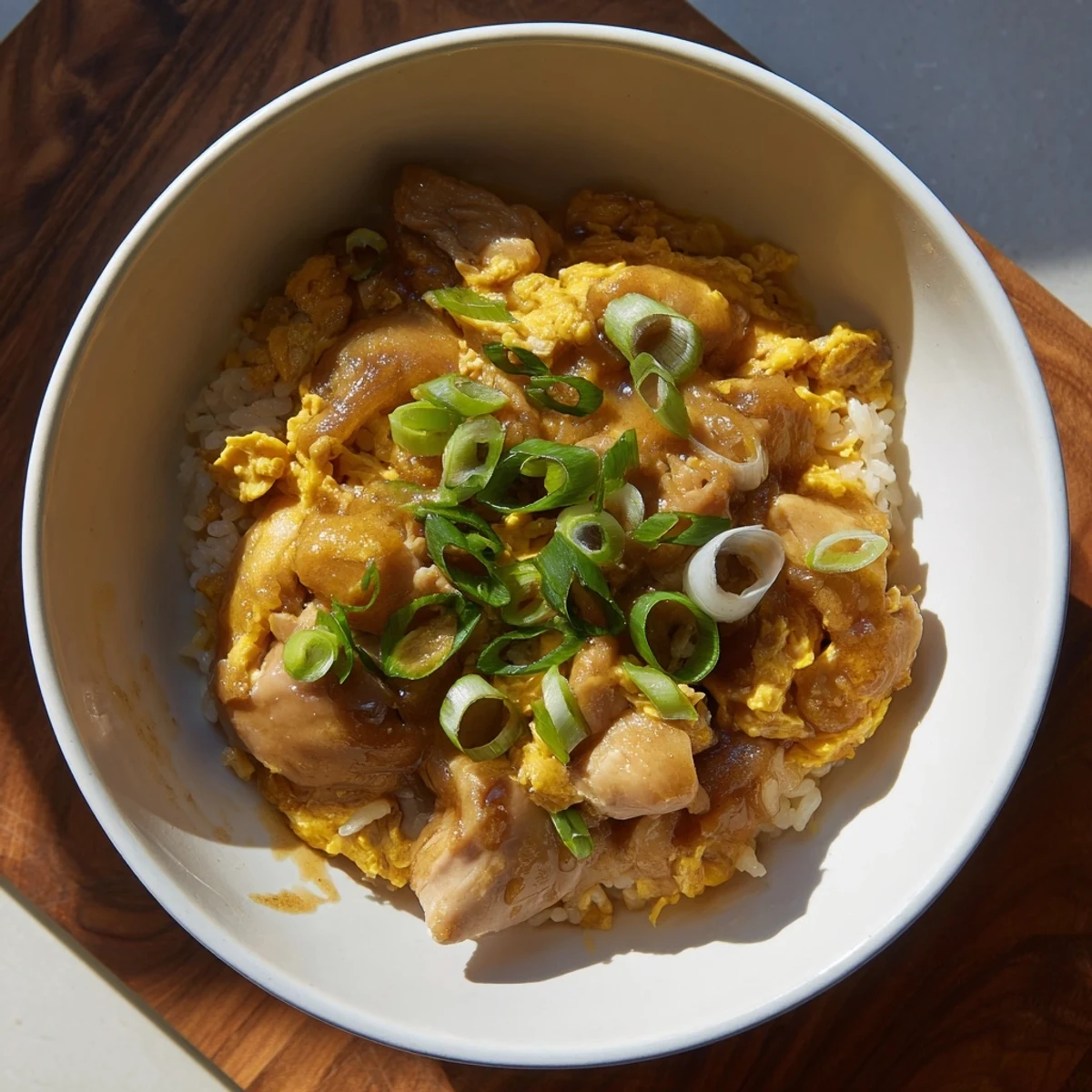
Save This dish has become my go-to for rainy Sundays when I want something comforting but not heavy. There's something meditative about watching the bubbles come through the egg layer knowing that in just a few minutes I'll be curled up with something that feels like a warm hug in a bowl.
Making It Your Own
I've learned that the beauty of Oyakodon lies in its adaptability. Sometimes I'll add shiitake mushrooms with the onions for extra earthiness or throw in some spinach during the last minute of cooking for color. The template stays the same but the character shifts with whatever I'm craving.
The Rice Matters
After trying this with every rice variety in my pantry I can confidently say short-grain Japanese rice is worth seeking out. Its natural sweetness and slight clinginess make each bite cohesive rather than separate components fighting for attention. If you can only find medium grain it'll still work beautifully.
Timing Is Everything
The window between perfectly silky eggs and overcooked scrambled eggs is painfully narrow. I keep my fork right by the stove and start checking at the one minute mark. You want the eggs to look like they're barely holding together slightly tremulous and gorgeous.
- Have your serving bowls ready before you add the eggs
- Work in batches if cooking for more than two people to maintain timing
- Trust your instincts more than the timer on the egg stage
 Save
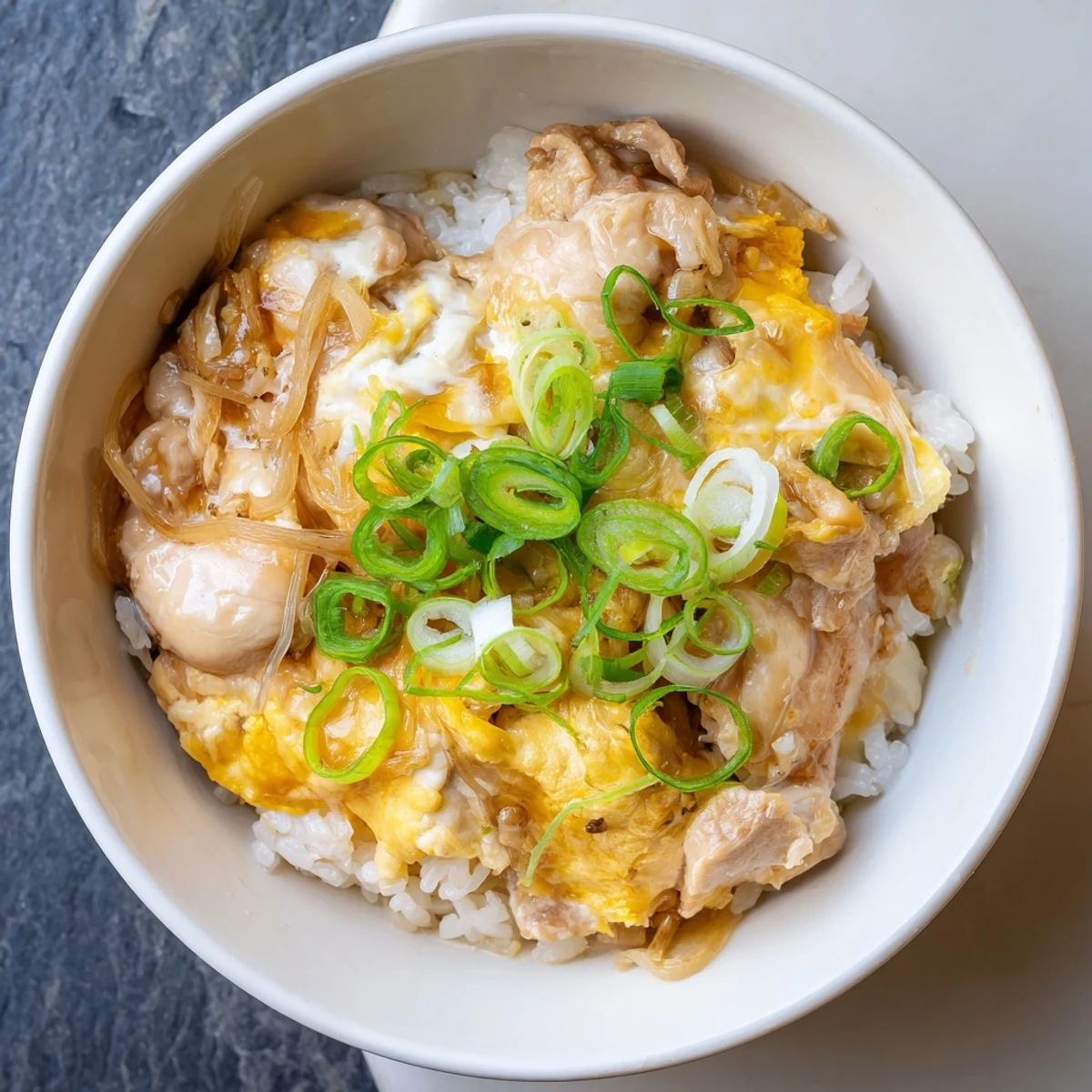
Save Perfect for those nights when you need comfort food that doesn't weigh you down. Something about the combination of hot rice savory chicken and those silken eggs just resets everything.
Recipe FAQ
- → What does oyakodon mean?
-
Oyakodon translates to "parent-and-child bowl" in Japanese, referring to the combination of chicken (the parent) and eggs (the child) served together over rice.
- → Can I make this gluten-free?
-
Simply substitute regular soy sauce with tamari and ensure your mirin and sake are certified gluten-free. The cooking method remains exactly the same.
- → Why use chicken thighs instead of breast?
-
Chicken thighs contain more fat and connective tissue, keeping the meat juicy and tender during simmering. Breast meat can become dry and tough in this cooking method.
- → How runny should the eggs be?
-
The eggs should be softly set but still slightly runny when you remove them from heat. They'll continue cooking slightly from residual heat, resulting in that perfect silky texture.
- → Can I prepare this ahead?
-
Oyakodon is best served immediately while the eggs are perfectly set and the rice is hot. The texture changes significantly upon reheating, so I recommend cooking it fresh for optimal results.
- → What can I serve with oyakodon?
-
Enjoy with miso soup, a crisp Japanese beer, or hot green tea. Some people like to add pickled vegetables or a small side salad for a complete meal.