
 Save
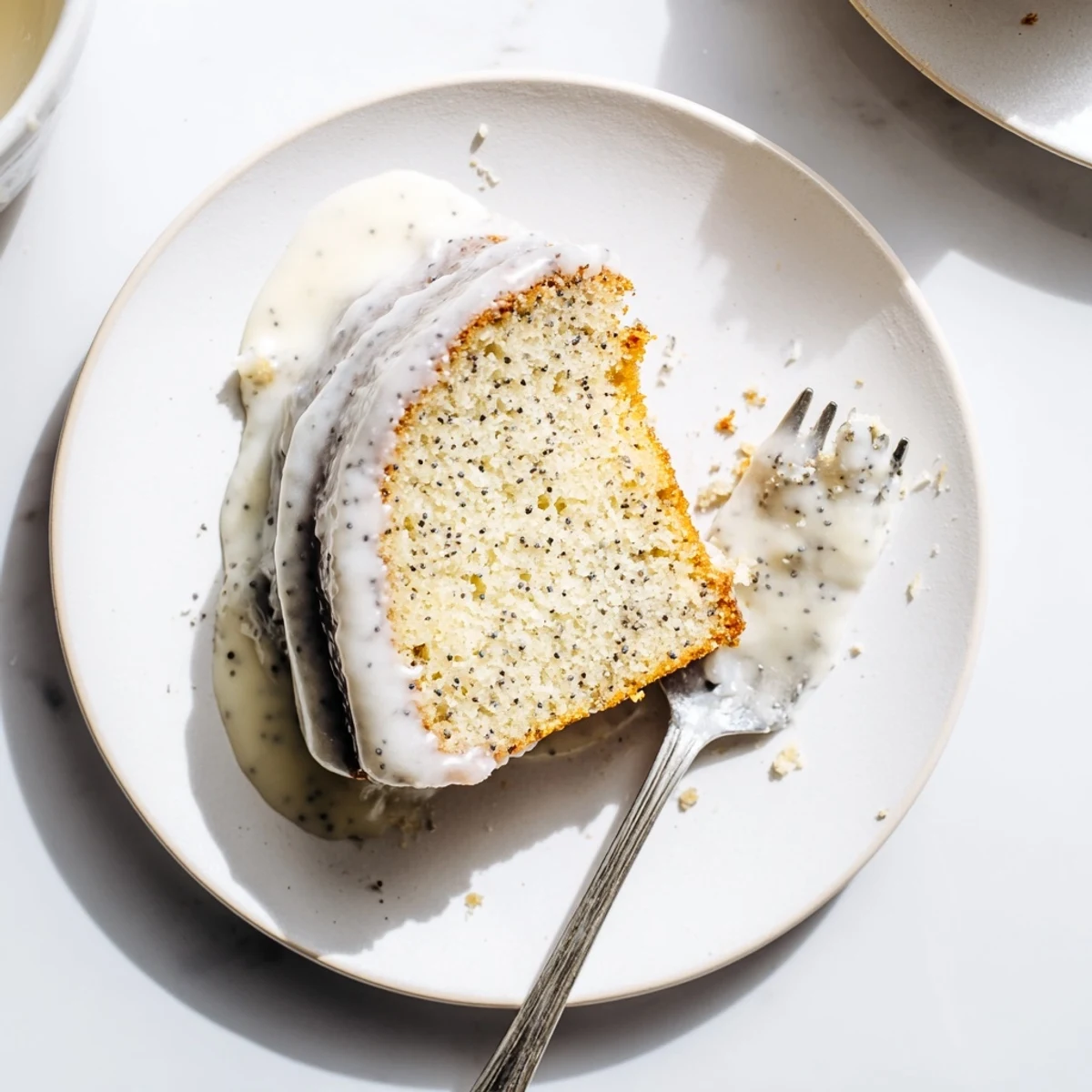
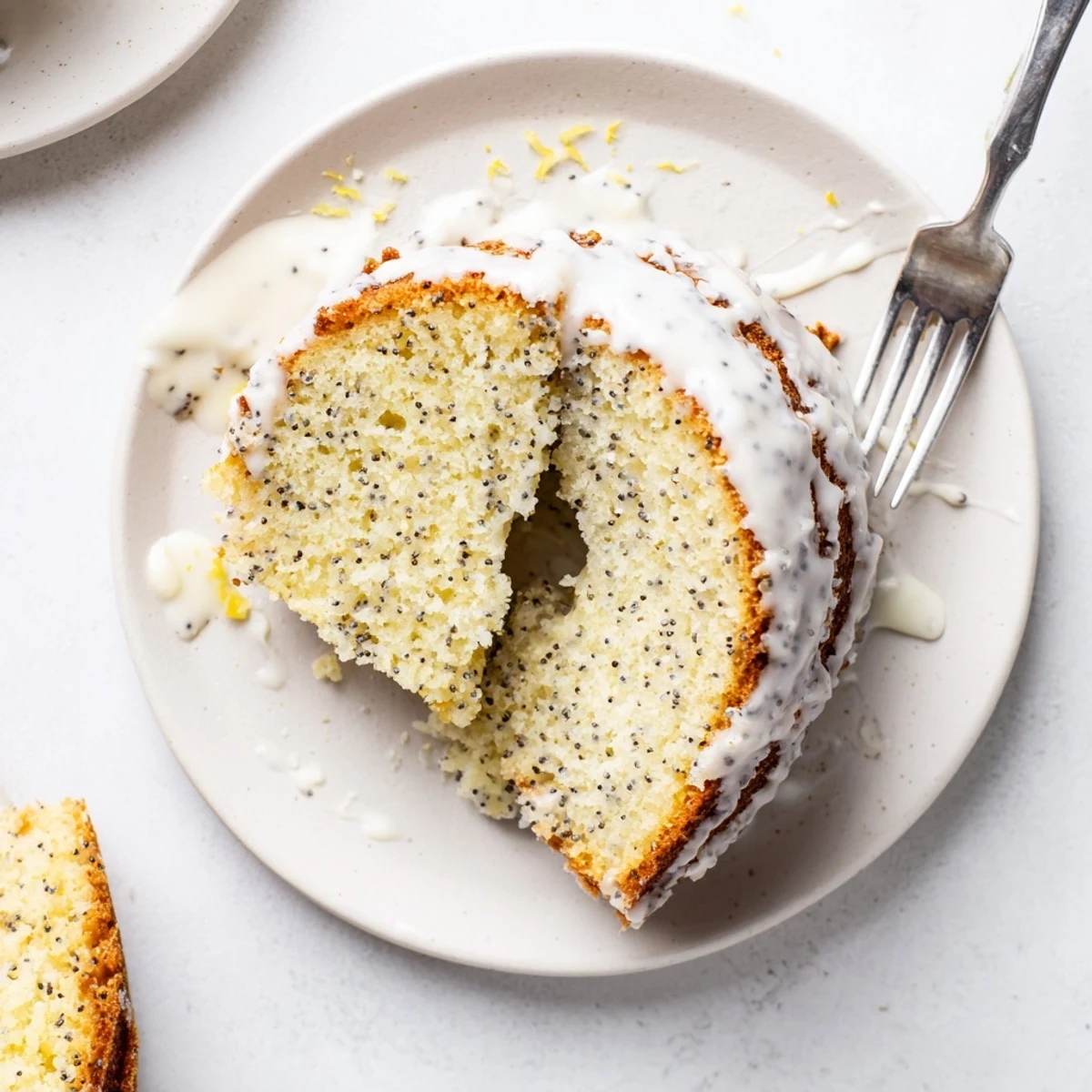
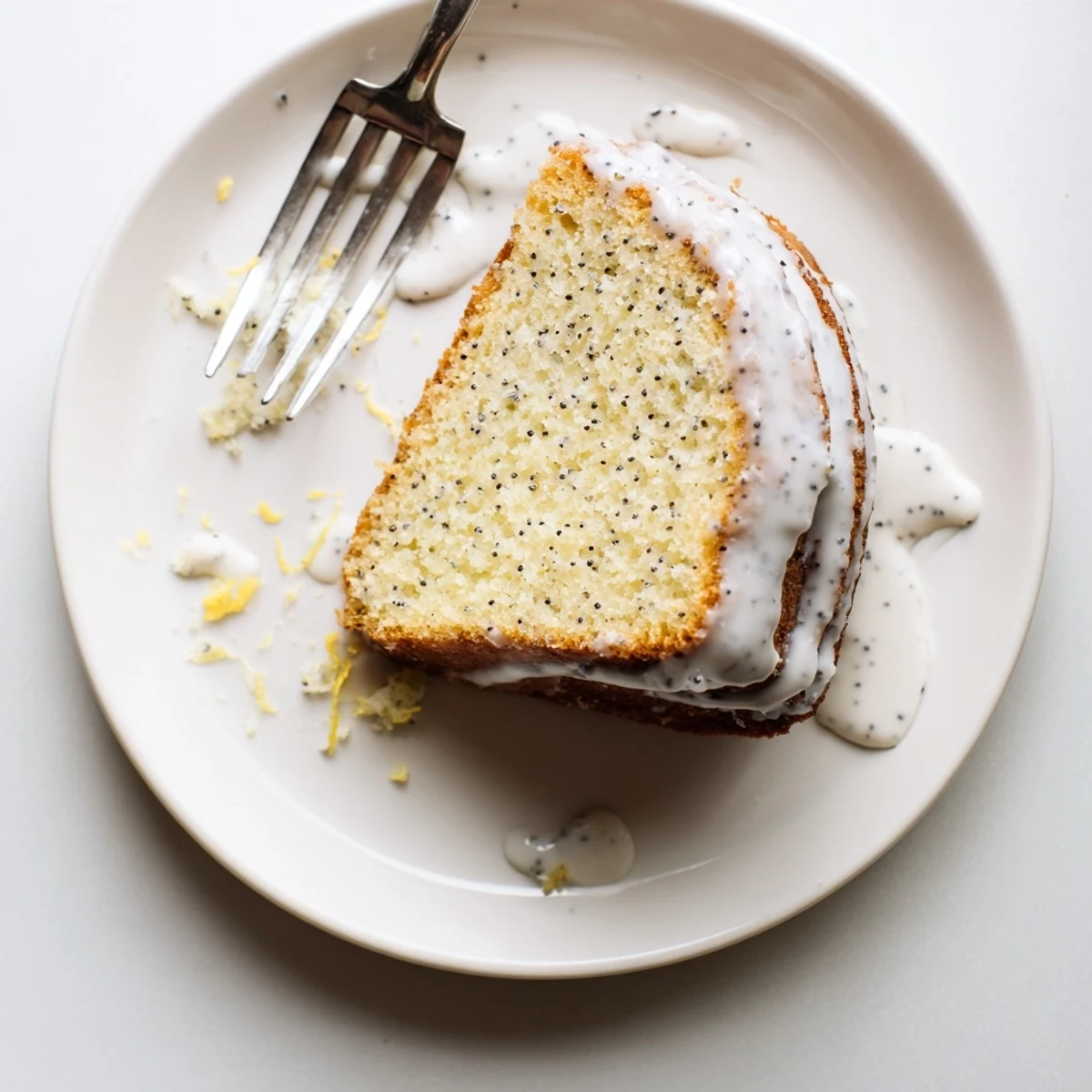
Save This tender, golden cake delivers bright citrus notes from fresh lemon juice and zest, balanced by the subtle nutty crunch of poppy seeds throughout each slice. The crumb remains incredibly moist thanks to the perfect ratio of butter and eggs, while the tangy lemon glaze adds an extra layer of sweetness and shine. Whether served alongside Earl Grey tea for an elegant afternoon treat or enjoyed with prosecco for brunch, this classic American dessert never fails to impress.
The first time I made this lemon poppy seed cake, my kitchen smelled like a sunny afternoon in spring. I had three lemons sitting on my counter that needed using, and something about their bright yellow skins made me crave cake. My roommate wandered in mid-bake, drawn by the scent of butter and zest, and we ended up eating warm slices right off the cooling rack.
I brought this cake to a book club meeting last month, and honestly, it stole the show. We spent twenty minutes discussing whether the glaze should be thick or thin, then another ten debating tea pairings. Three people asked for the recipe before we even finished our first cups.
Ingredients
- 2 1/2 cups all-purpose flour: The backbone of your cake, providing structure while staying tender
- 2 tablespoons poppy seeds: These tiny seeds add a delightful nutty crunch and visual appeal throughout every bite
- 2 teaspoons baking powder: Ensures your cake rises properly and achieves that perfect light crumb
- 1/2 teaspoon baking soda: Works with the acidic lemon juice to create extra lift and tenderness
- 1/2 teaspoon salt: Enhances all the flavors and balances the sweetness
- 1 cup unsalted butter: Room temperature butter creates the most tender, flavorful cake foundation
- 1 1/2 cups granulated sugar: Sweetens while helping create a moist, fine crumb structure
- 4 large eggs: Room temperature eggs incorporate better and provide structure and richness
- 1 tablespoon lemon zest: Fresh zest delivers concentrated lemon oil for intense citrus aroma and flavor
- 1/4 cup fresh lemon juice: Adds bright acidity that cuts through the butter and sugar beautifully
- 1 teaspoon pure vanilla extract: Rounds out the sharp citrus notes with warm, comforting sweetness
- 1 cup whole milk: Creates moisture and tenderness, room temperature for better emulsion
- 1 cup powdered sugar: Sifted sugar makes the smoothest, most professional looking glaze
- 2 to 3 tablespoons fresh lemon juice: Adjust this amount to achieve your perfect glaze consistency
Instructions
- Preheat your oven to 350°F (175°C) and prepare your pan:
- Generously grease a 10-cup Bundt pan or 9x5-inch loaf pan with butter, then dust with flour, tapping out the excess. This careful prep ensures your cake releases perfectly every time.
- Whisk together your dry ingredients:
- In a medium bowl, combine flour, poppy seeds, baking powder, baking soda, and salt. Whisk thoroughly to distribute the poppy seeds evenly and aerate the mixture.
- Cream the butter and sugar:
- Beat softened butter and granulated sugar in a large bowl for about 3 minutes until pale, fluffy, and noticeably increased in volume. This step creates air pockets that make your cake light.
- Add the eggs and flavorings:
- Add eggs one at a time, beating well after each addition until fully incorporated. Stir in the lemon zest, juice, and vanilla until the batter smells incredibly fragrant.
- Combine wet and dry ingredients:
- Add dry ingredients in three parts, alternating with milk in two parts, beginning and ending with flour. Mix gently until just combined, being careful not to overwork the batter.
- Bake until perfectly done:
- Pour batter into your prepared pan, smooth the top, and bake for 45 to 50 minutes. The cake is done when a toothpick inserted in the center comes out clean or with just a few moist crumbs.
- Cool and glaze:
- Let the cake rest in the pan for 15 minutes before turning it onto a wire rack. Whisk powdered sugar with enough lemon juice to make a thick but pourable glaze, then drizzle generously over the completely cooled cake.
 Save
Save This cake has become my go-to for new neighbors and office birthdays because it feels fancy but comes together so easily. Last week my sister called from three states away just to tell me she finally tried the recipe and it worked perfectly on her first attempt.
Making It Your Own
Sometimes I add a teaspoon of lemon extract to boost the citrus flavor even more, especially during winter when fresh lemons seem less vibrant. Greek yogurt can replace half the butter for a slightly lighter version that still tastes wonderfully rich.
Perfect Pairings
Earl Grey tea with its bergamot notes creates a sophisticated combination that highlights the lemon flavors beautifully. For celebrations, a cold glass of Prosecco cuts through the sweetness and makes this cake feel like a proper dessert course.
Storage And Serving Tips
This cake actually improves on the second day as the flavors meld together and develop deeper complexity. Wrap it tightly at room temperature where it stays fresh for up to four days, though it rarely lasts that long in my house.
- Use a microplane or zester for the finest, most aromatic lemon zest without any bitter white pith
- Room temperature ingredients are non negotiable for achieving that bakery perfect texture
- The glaze should slowly drizzle off your spoon in a thick ribbon, not run thin like water
 Save
Save There is something so satisfying about a cake that looks elegant but comes from honest, simple ingredients. I hope this recipe finds its way into your regular rotation and brings bright moments to your table.
Recipe FAQ
- → Can I make this cake ahead of time?
-
Yes, bake up to two days in advance. Store tightly wrapped at room temperature and add glaze before serving for freshest appearance.
- → How should I store leftovers?
-
Keep in an airtight container at room temperature for 3-4 days. Refrigerate if storing longer, though the texture may become slightly denser.
- → Can I freeze this cake?
-
Wrap unfrosted cake tightly in plastic wrap and foil for up to 3 months. Thaw overnight at room temperature before glazing.
- → Why did my cake turn out dense?
-
Overmixing the batter can develop too much gluten. Mix dry ingredients only until combined. Also ensure ingredients are at room temperature.
- → Can I use lemon extract instead of fresh lemon?
-
Fresh lemon juice and zest provide the best flavor. Extract can supplement but shouldn't replace fresh citrus entirely for authentic taste.
- → What pan works best for this cake?
-
A Bundt pan creates an impressive presentation, while a 9x5-inch loaf pan yields slices perfect for tea time. Both bake evenly.