
 Save
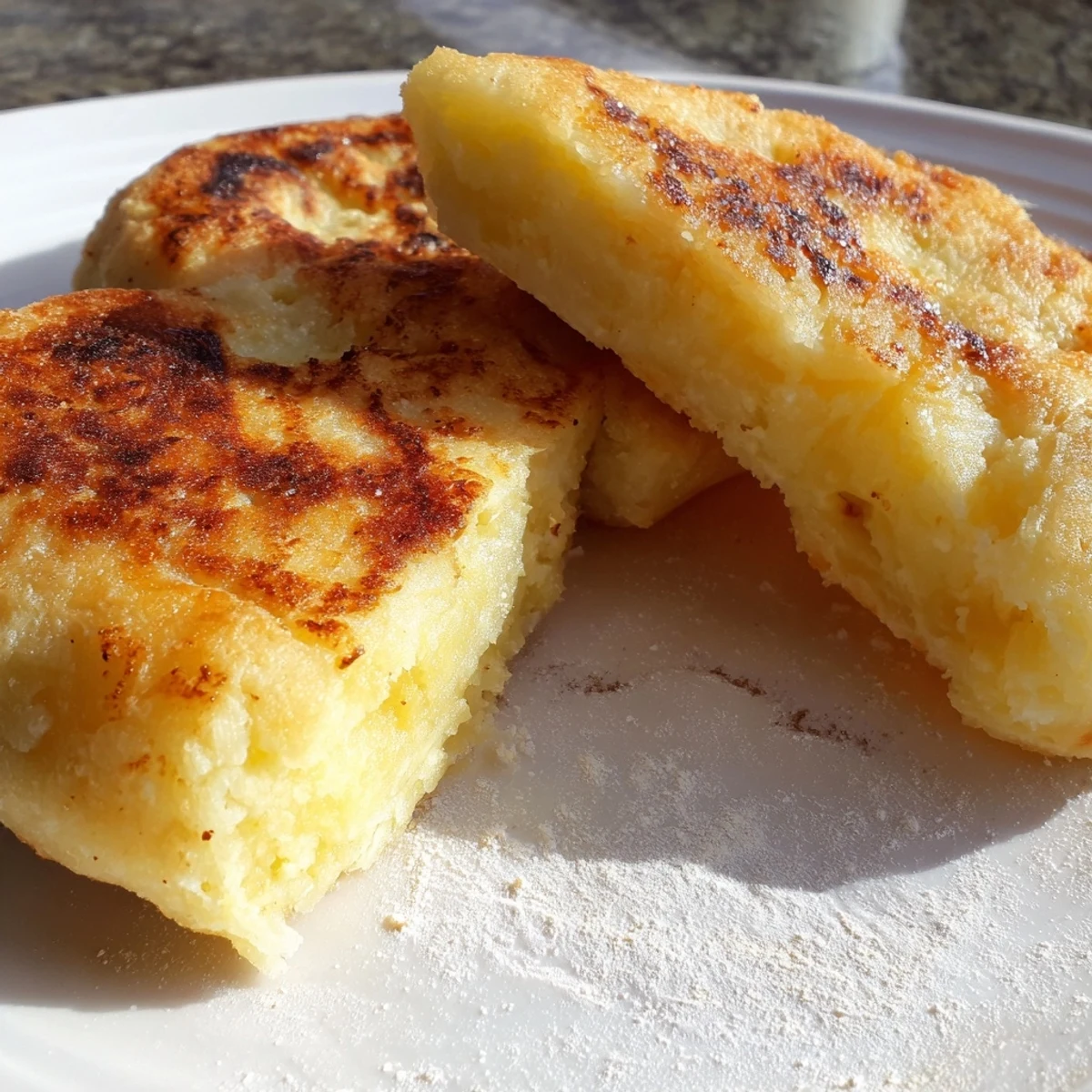
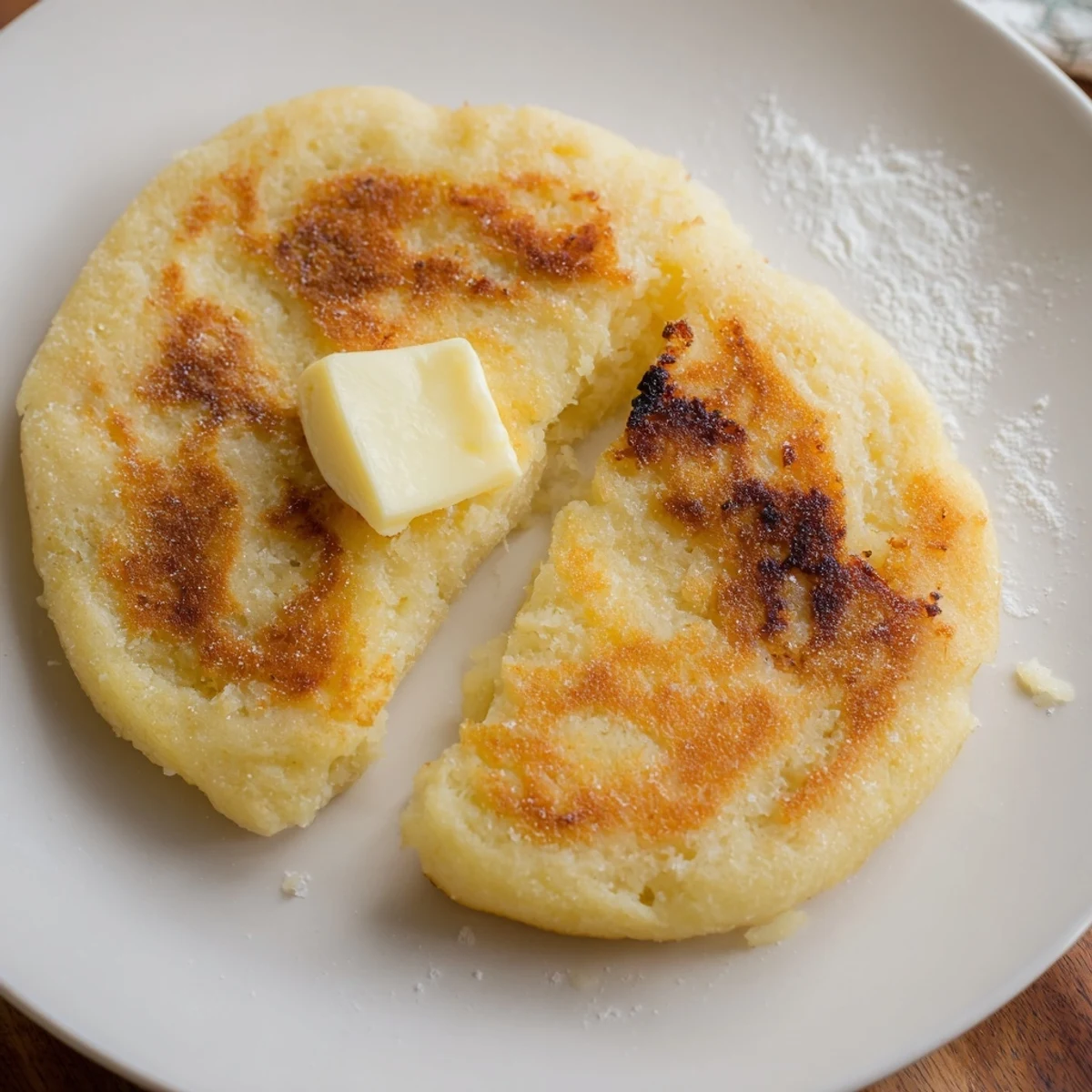
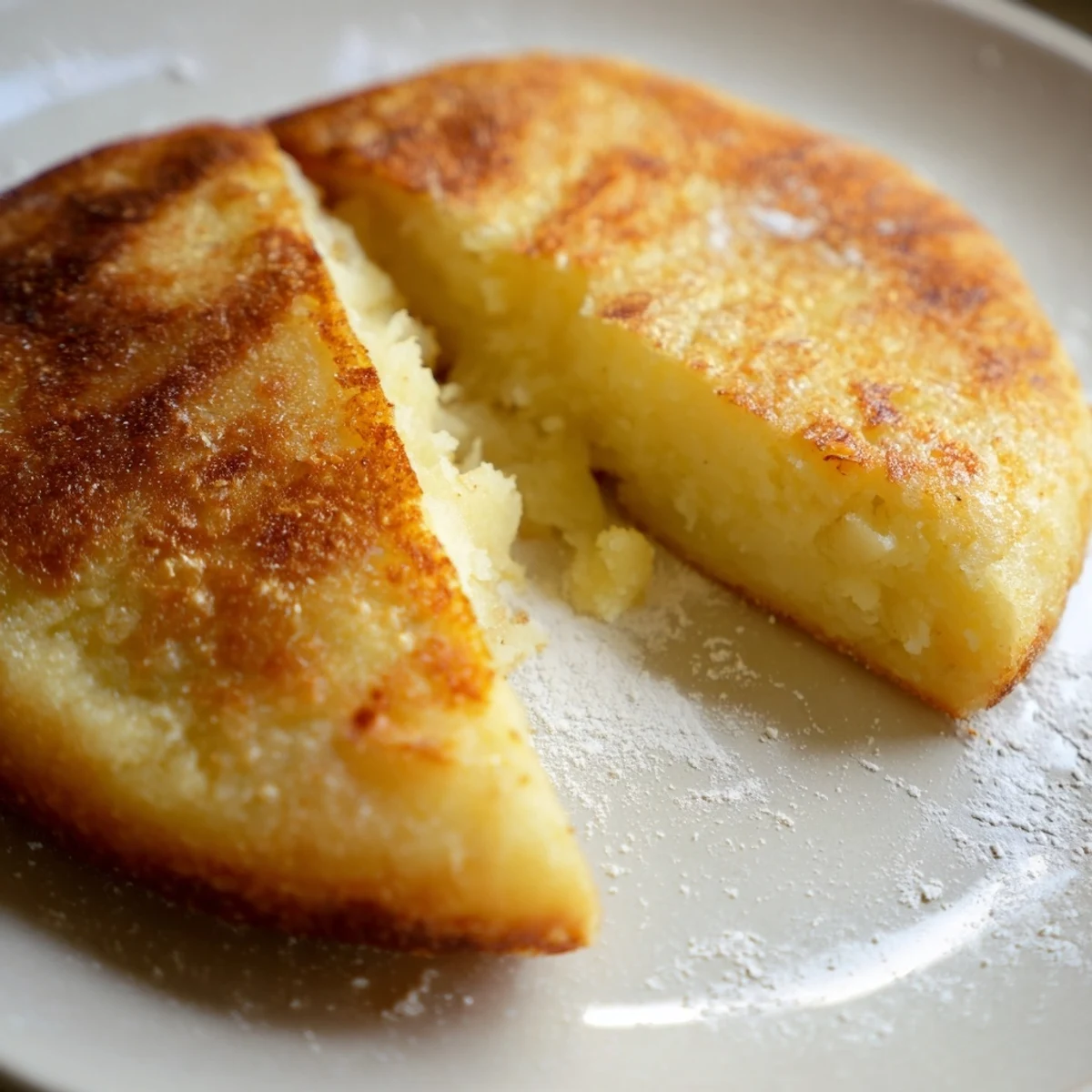
Save Traditional Irish potato bread farls combine mashed floury potatoes with butter and flour to form a soft dough. Cut into quarters and cooked gently on a skillet until golden and crisp outside, the farls offer a tender, comforting bite. They pair wonderfully with breakfast classics or stand alone with a smear of butter. Suggested additions include herbs or scallions for extra flavor, and leftovers can be reheated with ease.
The smell of butter hitting a hot pan still takes me back to my grandmother's tiny kitchen, where she'd press leftover mashed potatoes into flat rounds and call them bread. I'd sit on the counter watching, fascinated that something so simple could taste so extraordinary. Those farls disappeared faster than she could make them, and now I understand why there's magic in transforming humble ingredients into something that feels like a warm hug.
Last winter, after hosting a Sunday roast for eight people, I stared at a mountain of leftover mashed potatoes and remembered those mornings at my grandmother's stove. I mixed in flour and butter, shaped the dough into quarters, and the first farl hit the pan with that comforting sizzle. My housemates wandered in, drawn by the smell, and suddenly we were all standing around the stove, picking at warm pieces straight from the pan. Now I deliberately make extra potatoes just to have an excuse to make these the next morning.
Ingredients
- Floury potatoes: Maris Piper or Russet potatoes work best because they're fluffy and absorb flour beautifully without getting gluey
- Unsalted butter: You'll want some mixed into the dough and plenty more for frying because that golden crust is non negotiable
- Plain flour: All purpose flour gives just enough structure to hold everything together without making the bread tough
- Fine sea salt: Enhances the mild potato flavor and brings everything together
Instructions
- Prepare the potatoes:
- Boil your peeled potato chunks in salted water until they're completely tender and practically falling apart, then drain them thoroughly and mash them until they're perfectly smooth. Let them cool for a few minutes so they're warm but not hot enough to melt the butter completely.
- Mix the dough:
- Work the butter and salt into the warm potatoes until they disappear, then sift in the flour and fold it in gently until you have a soft, slightly sticky dough that holds together. Don't overwork it or your farls will be tough instead of tender.
- Shape and cut:
- Turn the dough onto a floured surface and pat it into a round about half an inch thick, then cut it into four quarters like a pizza.
- Cook to golden perfection:
- Heat your skillet over medium low heat with a generous knob of butter, then cook the farls for about four minutes on each side until they're golden brown and crisp outside. Serve them warm while they're still sizzling.
 Save
Save My friend Siobhan from Belfast came over recently and watched me make these, nodding approvingly at the process. She told me that in Ireland, farls are often cooked on a griddle right alongside soda bread, and that every family has their own slight variation. When we sat down to eat them with fried eggs and rashers, she took one bite and said these tasted exactly like Sunday mornings at her mam's house. That's the thing about simple traditional food it carries whole worlds of memory in every bite.
Getting The Texture Right
The secret to perfectly tender farls is using potatoes that are fluffy and dry, not waxy. When you mash them, work them thoroughly while they're still hot so they become completely smooth without any lumps. If your dough feels too sticky to handle, dust your hands with flour rather than adding more to the dough itself.
Serving Ideas Beyond Breakfast
While farls are classic with a full Irish breakfast, they're incredibly versatile. I love them topped with smoked salmon and a poached egg for brunch, or served alongside a bowl of soup instead of regular bread. They're also brilliant split and toasted the next day.
Make Ahead And Storage
You can shape the raw farls and keep them layered between parchment paper in the refrigerator for up to 24 hours before cooking. Leftover cooked farls reheat beautifully in a toaster or dry skillet until crisped up again.
- Cooked farls freeze well for up to a month wrapped tightly
- Reheat frozen farls directly in the toaster no thawing needed
- They're perfect for meal prep breakfast throughout the week
 Save
Save There's something profoundly satisfying about turning humble leftovers into something that feels like a treat. These farls have become my go to comfort food, and I hope they find their way into your kitchen rotation too.
Recipe FAQ
- → What type of potatoes work best for farls?
-
Floury potatoes like Maris Piper or Russet are ideal as they mash smoothly and give the dough a soft texture.
- → How do I achieve a crispy outside with tender inside?
-
Cook the farls on medium-low heat in butter, allowing them to brown slowly so the exterior crisps without drying the interior.
- → Can I add herbs or other flavors to the dough?
-
Yes, finely chopped scallions or fresh herbs can be mixed into the dough for added aroma and flavor.
- → What tools are essential for making these farls?
-
A saucepan for boiling potatoes, a potato masher, a mixing bowl, and a skillet or griddle are the key tools needed.
- → How should leftovers be stored and reheated?
-
Store cooled farls in an airtight container and reheat gently in a toaster or dry pan to restore crispness.