
 Save
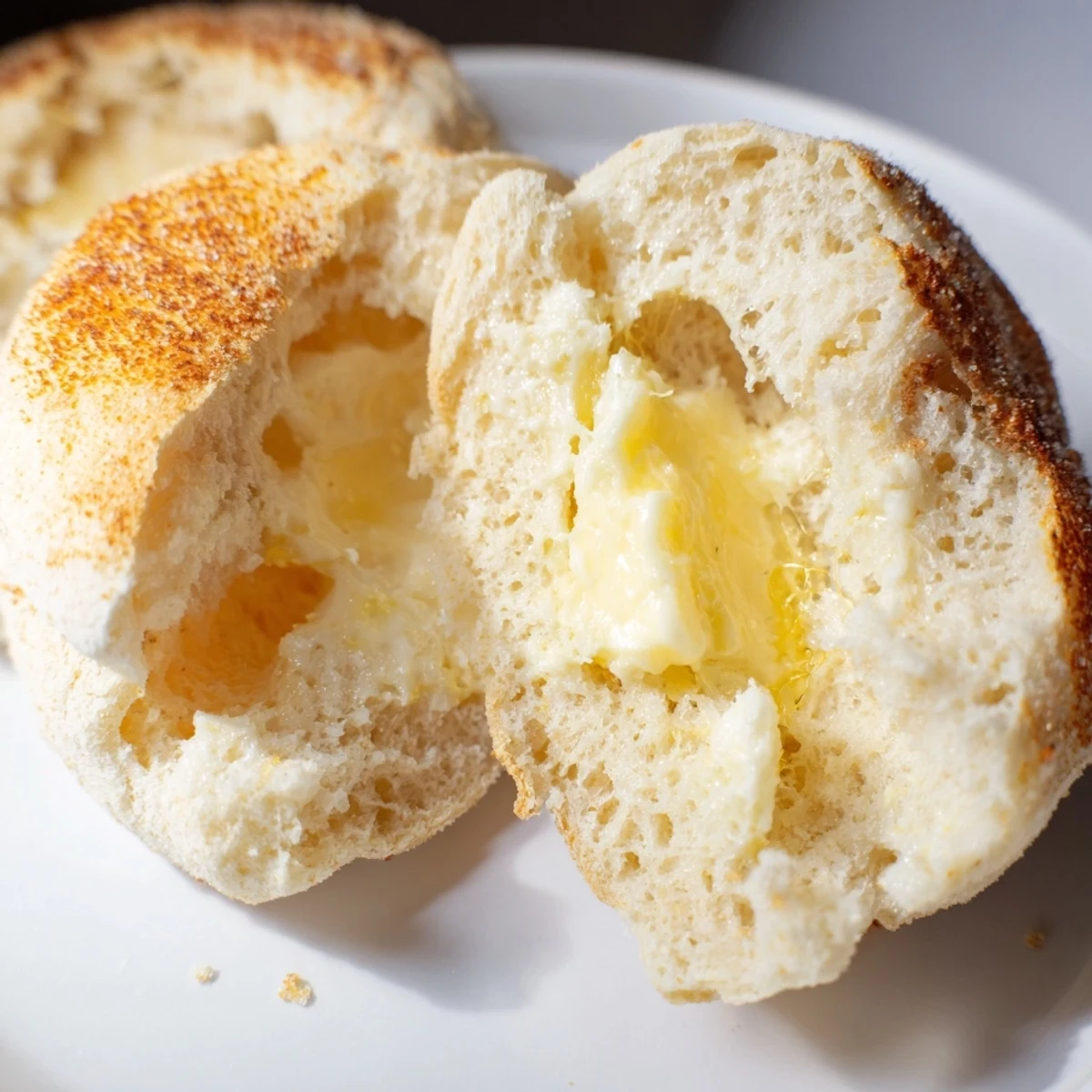
Save These beloved breakfast staples deliver everything you want in an English muffin: a soft, pillowy interior with those characteristic craggy pockets that catch melting butter and jam. The dough requires just basic pantry ingredients and comes together with a simple yeast activation process.
What makes these special is the traditional cooking method on a griddle or skillet, which creates that signature golden-brown exterior with a slightly crisp bite. The cornmeal dusting adds subtle texture and prevents sticking while contributing an authentic touch.
The recipe yields eight substantial muffins that freeze beautifully, so you can always have fresh-tasting breakfast on hand. Split them with a fork to maximize those prized nooks and crannies, then toast until golden for the perfect morning treat.
There is something almost magical about watching simple flour and milk transform into those iconic fork-split rounds we all know from breakfast tables. I stumbled onto making these at home during a particularly gloomy winter when the grocery store shelves were sparse and my morning routine needed a serious upgrade. The first batch came out slightly uneven, but that warm yeasty scent filled the entire kitchen and made me forget about any imperfections.
My sister visited last spring and literally stopped mid conversation when I served these warm with salted butter. She demanded the recipe before even finishing her first muffin, which is saying something considering she is usually the family skeptic about homemade versions of store bought classics.
Ingredients
- Bread flour: Higher protein content gives these their characteristic chew and structure
- Whole milk: Creates a tender crumb and richer flavor than water
- Active dry yeast: Check the expiration date because old yeast leads to disappointing flat muffins
- Granulated sugar: Feeds the yeast and adds just a hint of sweetness
- Fine sea salt: Essential for flavor and helps control yeast fermentation
- Unsalted butter: Melted into the dough for richness without overwhelming the classic taste
- Cornmeal or semolina: This is the secret to that authentic slightly crunchy exterior
Instructions
- Wake up the yeast:
- Dissolve the yeast and sugar in lukewarm milk then let it foam for about 10 minutes until bubbly and alive
- Mix the dough:
- Combine flour and salt in a large bowl then pour in the yeast mixture and melted butter mixing until shaggy
- Knead it properly:
- Turn onto a floured surface and knead for 8 to 10 minutes until smooth and elastic or let your mixer do the work
- First rise:
- Place in an oiled bowl cover and let rise in a warm spot for 1 to 1.5 hours until doubled
- Shape them:
- Roll to 3/4 inch thickness and cut with a 3 inch round cutter rerolling scraps gently to get 8 muffins
- Dust and proof:
- Place on a cornmeal dusted sheet cover and let rest 25 to 30 minutes until slightly puffed
- Cook them through:
- Cook in batches on a lightly greased skillet over low medium heat for 7 to 9 minutes per side until deeply golden and reaching 200°F inside
 Save
Save These have become my go to weekend project especially on rainy Sundays when the kitchen becomes the warmest room in the house. There is a quiet pride in sliding a fork through a muffin you made from scratch revealing all those butter catching pockets.
The Fork Split Secret
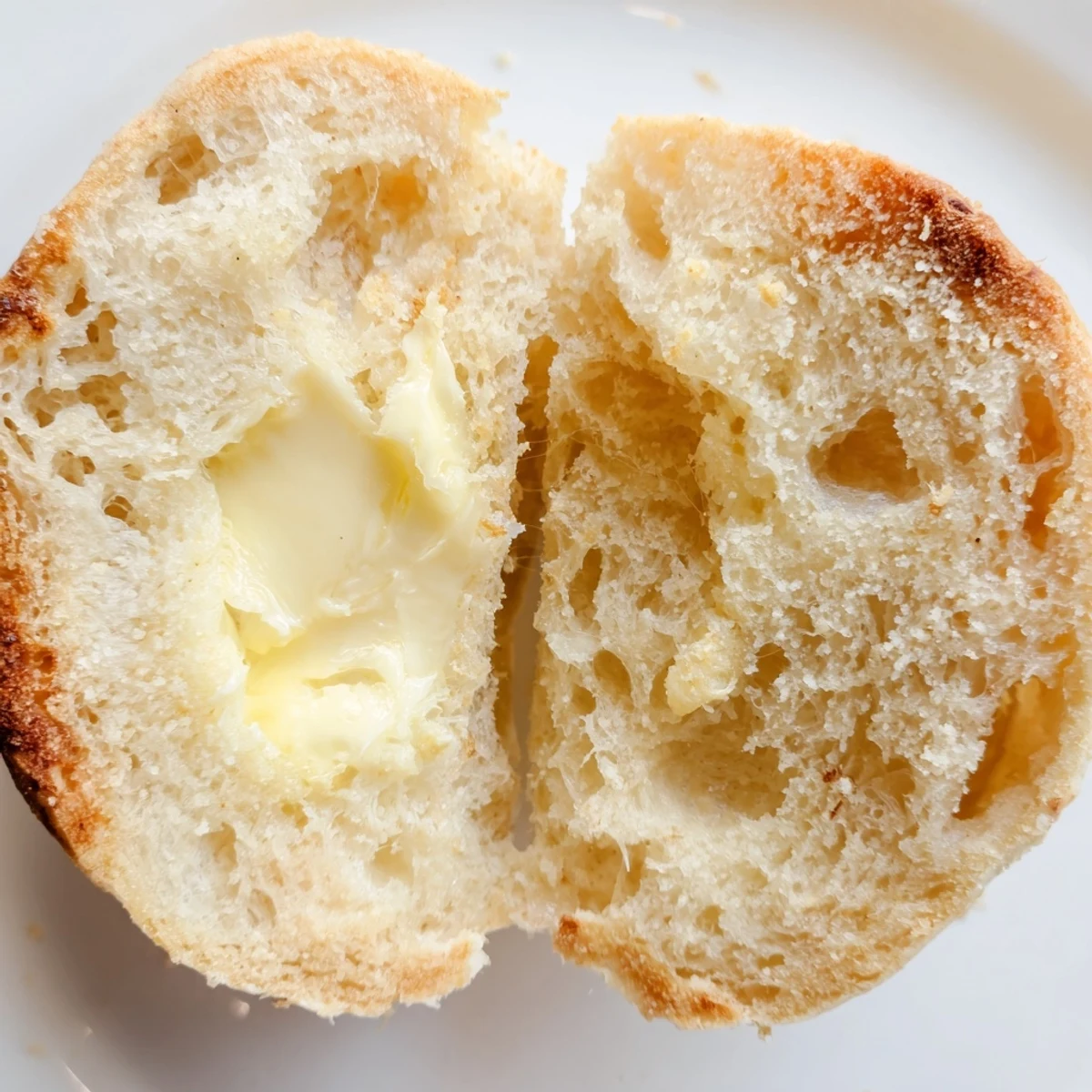
Using a fork to split your muffins instead of a knife is what creates those beautiful rough interior surfaces. I learned this trick after my first few batches kept ending up with smooth flat interiors that could not hold melted butter properly. The fork tears through creating all those craggy pockets that make English muffins so perfect for catching jam and butter.
Getting The Rise Right
The proofing time can vary depending on your kitchen temperature and humidity. I have found that a slightly cooler room actually gives better flavor development even if it takes a bit longer. Do not rush the second proof because those extra minutes ensure the muffins have enough interior structure to puff up beautifully on the griddle.
Perfect Storage And Future You
Once completely cooled store these in an airtight container for up to three days at room temperature. For longer storage freeze them individually wrapped then toast straight from frozen which actually helps create an even crispier exterior.
- Make a double batch and freeze half because they disappear faster than expected
- Split before freezing for easier toasting on busy mornings
- These reheat beautifully in a toaster oven at 350°F for about 5 minutes
 Save
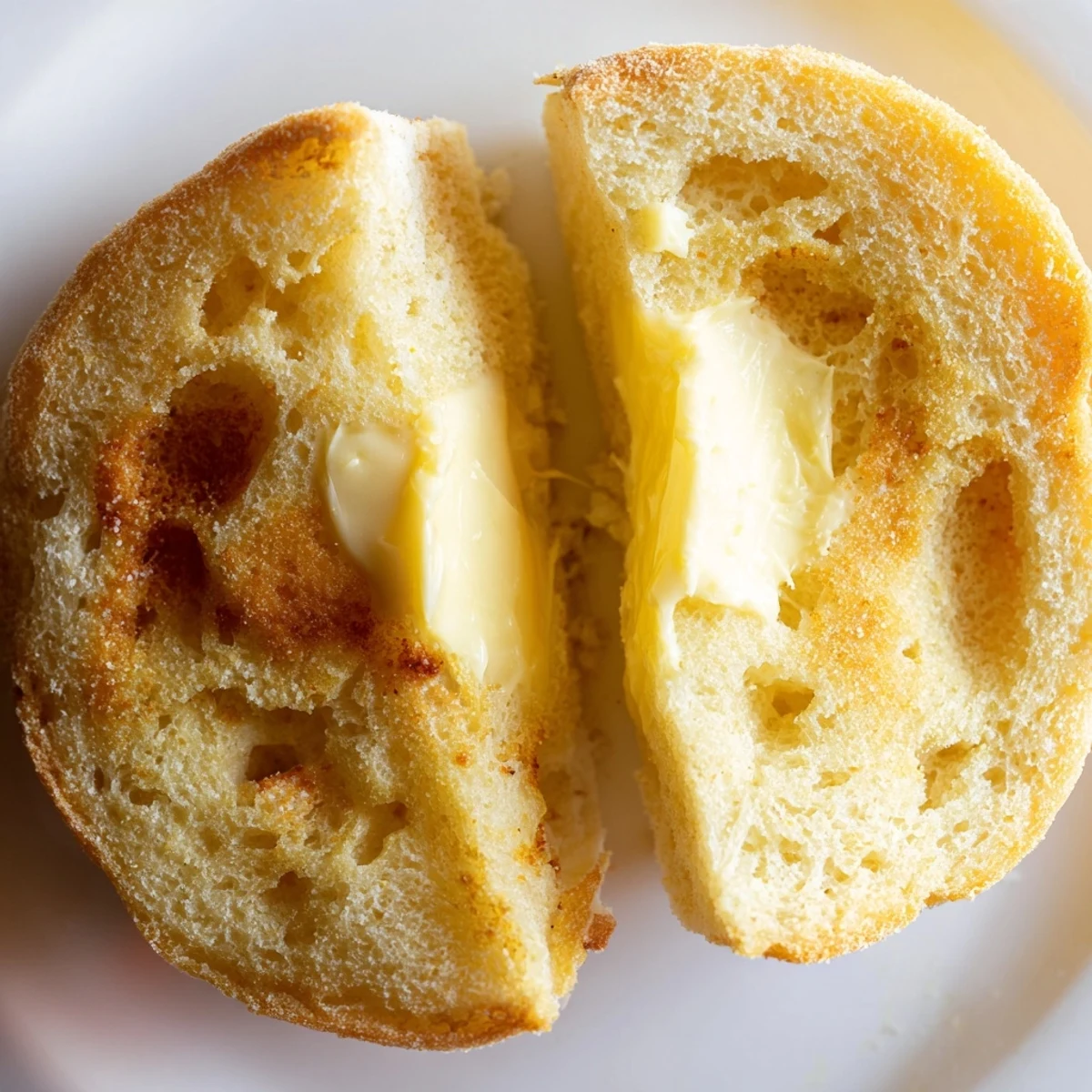
Save Warm from the pan with melting butter these homemade muffins will ruin you for store bought forever in the best possible way.
Recipe FAQ
- → How do I get those signature nooks and crannies?
-
The secret lies in using a fork to split the muffins rather than slicing with a knife. This creates the rough, craggy interior pockets that perfectly trap butter and jam. Additionally, proper rising time and cooking on moderate heat helps develop that desired interior texture.
- → Can I make the dough ahead of time?
-
Absolutely. After the first rise, you can punch down the dough and refrigerate it overnight, tightly covered. Let it come to room temperature for about 30 minutes before rolling and cutting. The cold fermentation can actually enhance flavor development.
- → Why do my muffins come out dense?
-
Dense muffins usually result from insufficient rising time or overworking the dough. Ensure your yeast is fresh and properly activated—you should see visible frothing. Also avoid adding too much extra flour during kneading, and let the dough double in size during both rising periods.
- → What's the purpose of cornmeal dusting?
-
Cornmeal or semolina serves two purposes: it prevents the muffins from sticking during cooking, and it adds a subtle texture and authentic crunch to the exterior. Traditional English muffins almost always feature this characteristic coating.
- → Can I bake these instead of using a skillet?
-
While you can bake them at 375°F for 15-18 minutes, you won't get the same crispy exterior and golden color. The griddle method creates that signature texture and appearance that makes English muffins distinctive. If baking, brush tops with butter for better browning.
- → How should I store homemade English muffins?
-
Keep them at room temperature in an airtight container or zip-top bag for up to 3 days. For longer storage, wrap individually in plastic and freeze for up to 2 months. Thaw overnight at room temperature, then toast before serving for the best texture.