
 Save
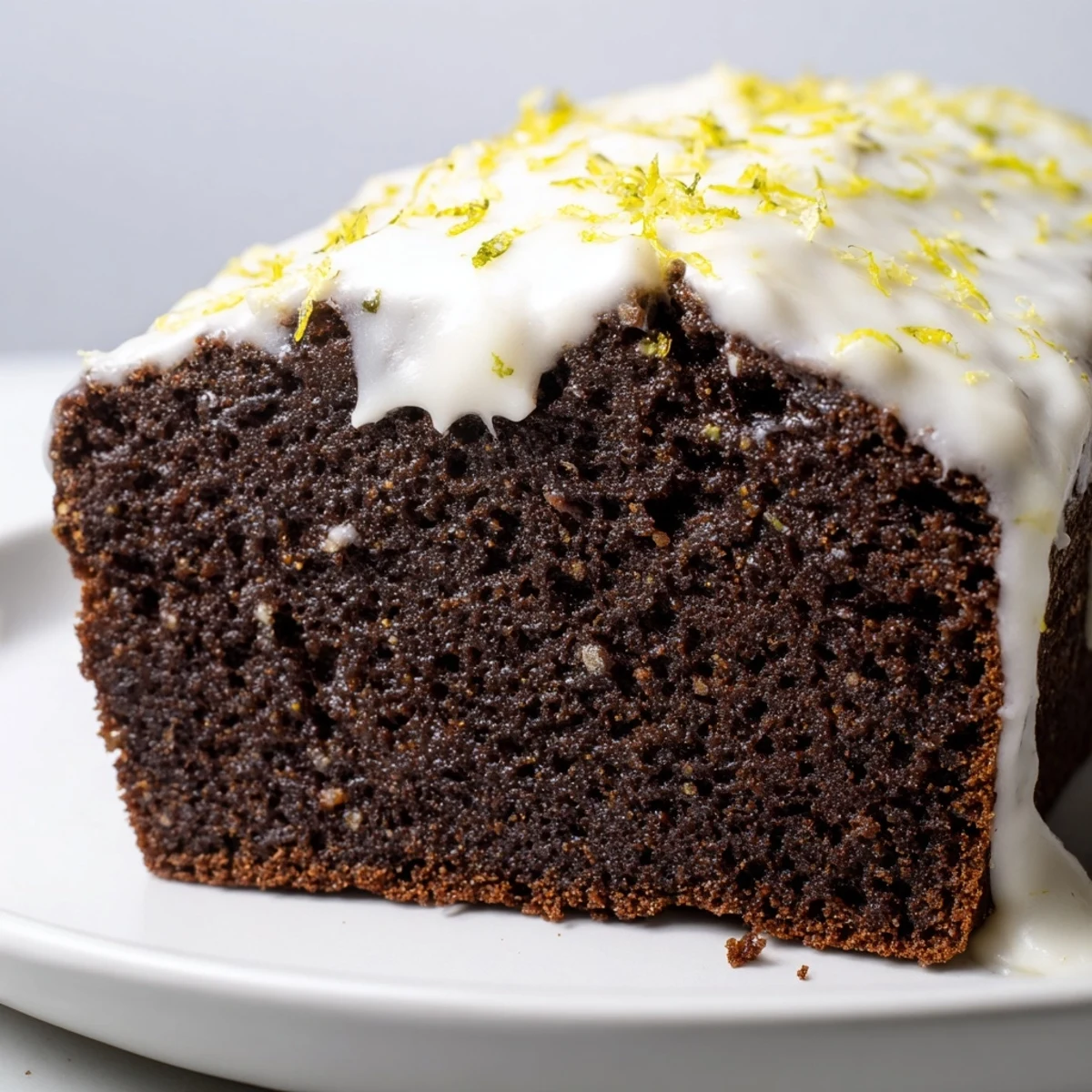
Save This gingerbread loaf combines warm spices like ginger, cinnamon, and cloves with rich molasses and brown sugar for a tender crumb. The batter is prepared with softened butter, eggs, and a touch of vanilla, then baked until golden and aromatic. Once cooled, it's topped with a smooth lemon cream cheese glaze, bringing a bright, tangy contrast to the spiced base. This loaf offers a perfect balance of sweet and zest, ideal for sharing or enjoying alongside tea or coffee during cozy afternoons.
There's something about the smell of warm ginger and molasses that stops me mid-afternoon—it pulls me right back to my kitchen on a gray November day when I decided to bake something that felt like a hug. I'd been craving the spiced comfort of gingerbread, but I wanted it lighter, softer, and with a twist that wouldn't let it stay just ordinary. The moment I drizzled that tangy lemon glaze over the warm loaf, I knew I'd found the balance I was looking for.
I made this for a small gathering where half the guests said they didn't really like gingerbread—too heavy, too strong—but three of them came back for seconds and asked for the recipe. It was that glaze, they said. That brightness that made them taste the warmth instead of just the spice.
Ingredients
- All-purpose flour: The foundation here—1 2/3 cups gives you structure without being dense, and measuring by weight keeps it honest if you have a scale.
- Baking powder and baking soda: Use fresh baking soda especially; old baking soda loses its lift and your loaf won't rise the way it should.
- Ground ginger, cinnamon, cloves, and nutmeg: These spices are the whole story—buy them whole if you can and grind them yourself, but if pre-ground works for your kitchen, just make sure they smell alive and strong.
- Unsalted butter and light brown sugar: The butter needs to be soft so it creams easily with the sugar, and the brown sugar adds molasses notes that echo the molasses in the batter itself.
- Unsulphured molasses: Don't skip this or swap it carelessly—the molasses is what makes this loaf tender and gives it that deep, warm color.
- Eggs and milk, room temperature: Cold eggs and milk can seize the butter mixture, so let them sit out for 20 minutes while your oven preheats.
- Cream cheese, powdered sugar, and fresh lemon juice: The glaze needs real lemon juice, not bottled, and the cream cheese must be soft enough to blend smoothly without lumps.
Instructions
- Set your stage:
- Preheat your oven to 350°F and line your loaf pan with parchment paper so the edges don't stick. This small step saves frustration later.
- Combine your dry ingredients:
- Whisk the flour, baking powder, baking soda, salt, and all the spices together in a medium bowl. This distributes the spices evenly so every slice tastes the same.
- Cream the butter and brown sugar:
- Beat them together until the mixture is pale, light, and fluffy—this takes about 3 minutes with an electric mixer and means the butter has incorporated air that will help your loaf rise. This step matters more than you might think.
- Build the wet base:
- Add the molasses and mix until combined, then beat in the eggs one at a time, making sure each one is fully incorporated before adding the next. Stir in the vanilla last.
- Fold in the dry ingredients gently:
- Add half the dry mixture to the wet mixture and stir until just barely combined. Pour in the milk, stir, then add the rest of the dry ingredients and mix until you don't see streaks of flour anymore—overmixing toughens the loaf.
- Bake with patience:
- Pour the batter into the prepared pan, smooth the top, and bake for 48 to 55 minutes until a toothpick inserted into the center comes out clean or with just a few moist crumbs clinging to it. The loaf will smell incredible around the 40-minute mark.
- Cool completely before glazing:
- Let the loaf cool in the pan for 10 minutes, then turn it out onto a wire rack. The glaze will stay on top if the loaf is completely cool, but will slide right off a warm one.
- Make the lemon glaze:
- Beat the softened cream cheese, powdered sugar, and butter together until smooth, then add the lemon juice and zest and a pinch of salt. Start with 2 tablespoons of lemon juice and add more if you like it brighter.
- Glaze and set:
- Drizzle the glaze over the completely cooled loaf and let it set for at least 15 minutes so it firms up slightly before slicing.
 Save
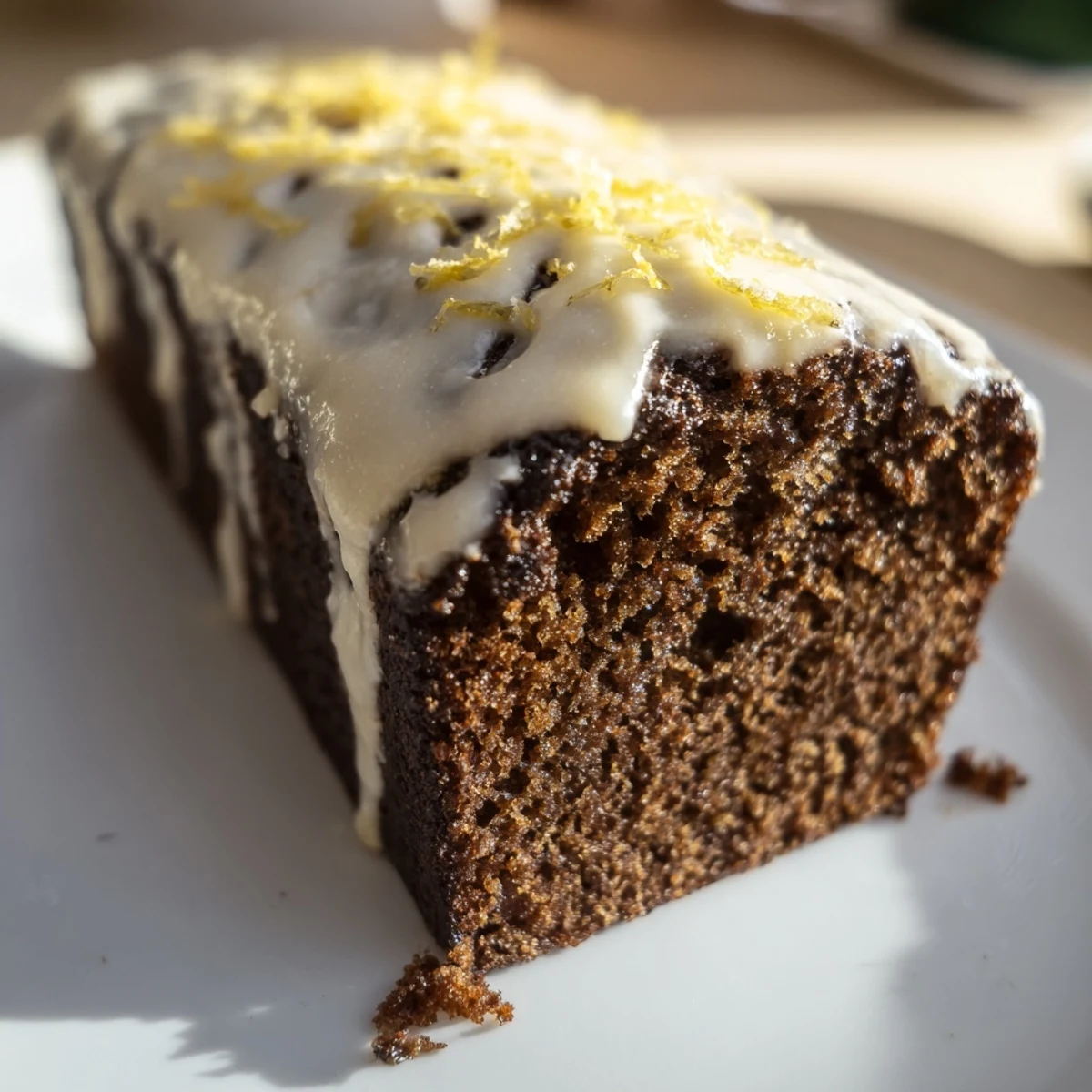
Save A friend who bakes professionally tried this loaf and said the real trick was respecting the order of operations and not rushing the cooling. She was right—the patience is what turns good gingerbread into the kind you reach for again.
The Lemon and Spice Balance
The magic here is that lemon glaze doing exactly what it's supposed to do: it doesn't overpower the spices, it awakens them. The tartness of the lemon makes you taste the ginger and cinnamon in a new way, like they've been given permission to sing. If you've ever had gingerbread that felt one-note or too heavy, this is your answer.
Storing and Keeping
This loaf stays soft for three days wrapped tightly at room temperature, or five days in the refrigerator if you want to stretch it further. I've found that wrapping it in parchment paper first, then foil, keeps it fresher longer than plastic wrap alone. The glaze may firm up in the cold, but that's fine—it tastes even better that way.
Ways to Make It Yours
The base recipe is strong enough that you can riff on it without losing what makes it good. I've added an extra teaspoon of lemon zest to the glaze on days when I wanted brightness, swapped the whole milk for oat milk because that's what I had open, and even added a tiny pinch of cayenne pepper once to see what would happen—it was subtle and surprising in the best way.
- For extra zing in the glaze, add a quarter teaspoon more lemon zest and reduce the lemon juice slightly so you don't make it too thin.
- If you want the loaf less spiced, cut back the ginger and cloves by a quarter teaspoon each and taste as you go next time.
- A drizzle of dark chocolate over the lemon glaze before it sets turns this into something decadent for a special occasion.
 Save
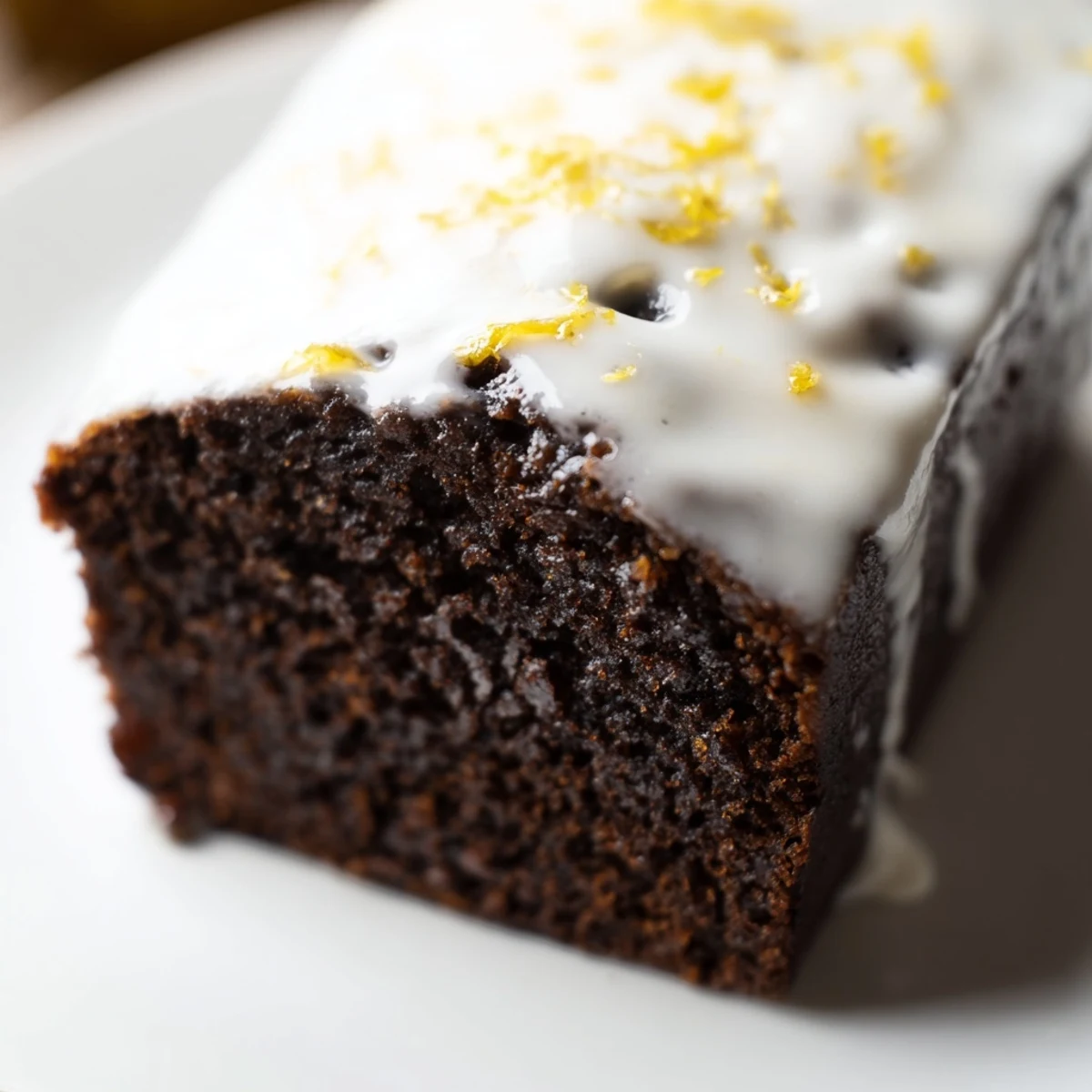
Save This loaf has become one of those recipes I return to when I want to feel like I'm taking care of people, and it never fails. It's the kind of dessert that feels homemade and tastes like someone spent time on it, even though you'll be done in just over an hour.
Recipe FAQ
- → Can I use plant-based milk instead of whole milk?
-
Yes, plant-based milk such as almond or oat can be substituted to make the loaf dairy-light without affecting the texture significantly.
- → How do I know when the loaf is fully baked?
-
Insert a toothpick into the center; it should come out clean or with a few moist crumbs when the loaf is done.
- → Can I add more lemon zest to the glaze?
-
Absolutely, increasing lemon zest enhances the tangy flavor and brightens the glaze for more zing.
- → What spices are best for this loaf?
-
A combination of ground ginger, cinnamon, cloves, and nutmeg delivers the warm, festive flavor this loaf is known for.
- → How should the loaf be stored?
-
Keep tightly wrapped at room temperature for up to 3 days or refrigerate up to 5 days to maintain freshness.