
 Save
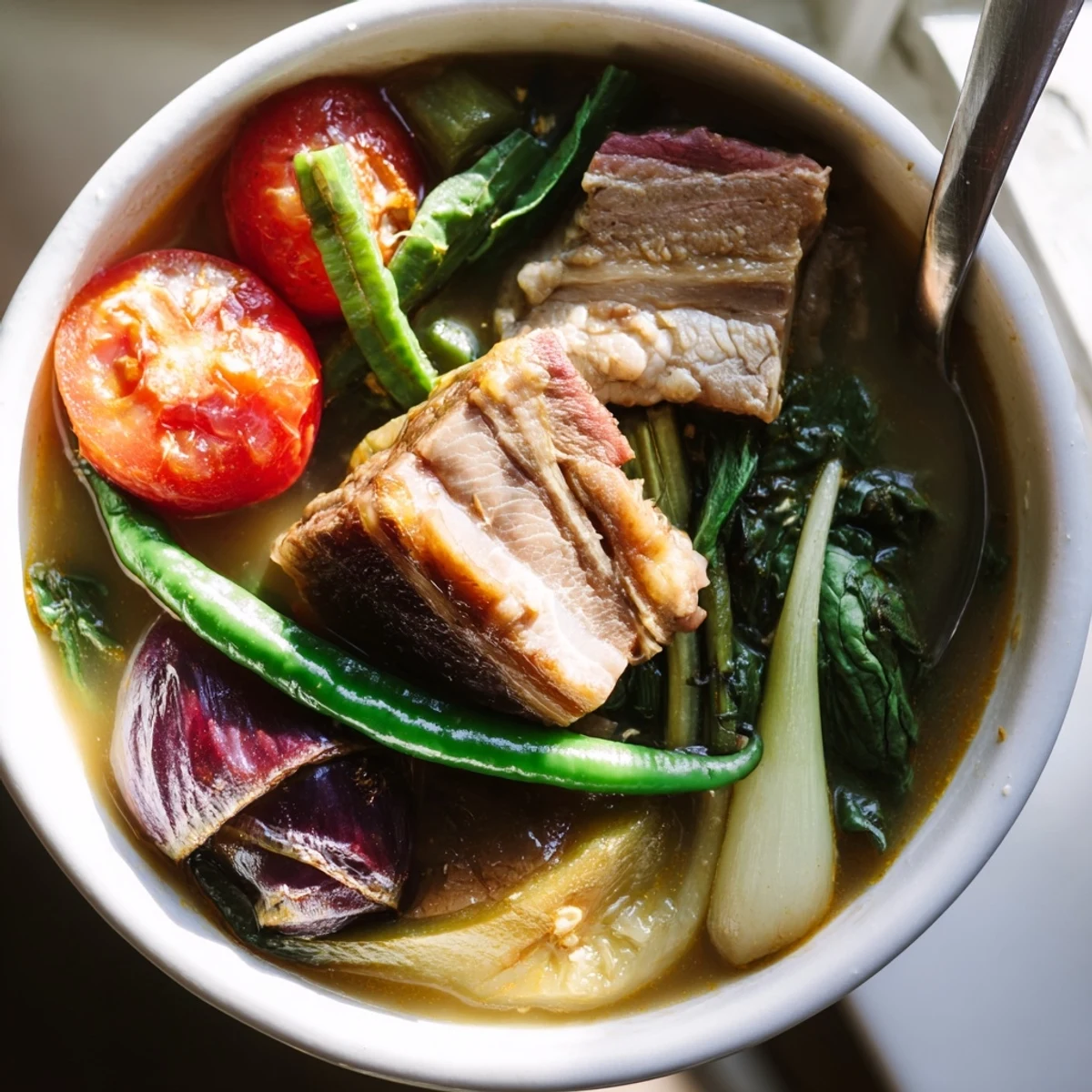
Save Sinigang represents the essence of Filipino comfort cooking, combining a uniquely sour tamarind-based broth with tender meat and crisp vegetables. The signature tanginess comes from tamarind soup base or fresh pulp, creating an invigorating soup that's perfect for cool weather.
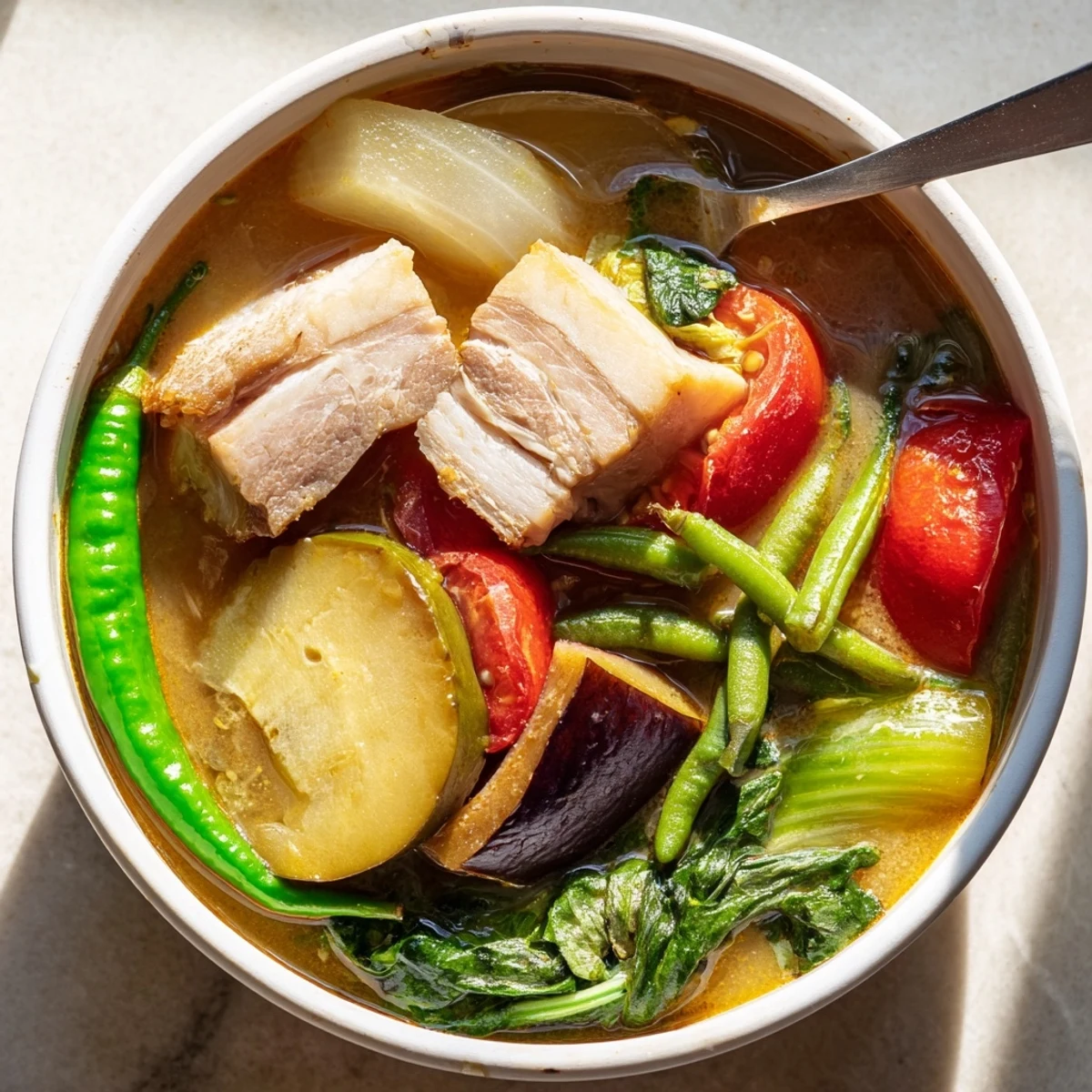
This versatile dish allows for various protein options including pork belly, ribs, beef, shrimp, or fish. The vegetable medley of daikon radish, eggplant, string beans, and leafy greens adds texture and nutrition while absorbing the flavorful broth.
The key to perfect Sinigang lies in timing—adding vegetables at the right stages ensures everything reaches optimal tenderness without becoming mushy. Traditionally served with steamed white rice, this soup balances acidity, saltiness, and subtle heat from optional chili peppers.
The rainy season in Manila meant one thing in our house, my grandmother would be at the stove before any of us woke up. The sharp tang of tamarind would drift through the hallway, pulling us from our beds like clockwork. I remember standing on a chair beside her, watching the pork simmer until the kitchen windows fogged up completely.
Last month, my friend Sarah was feeling under the weather and I brought over a pot of this. She took one sip and started tearing up, saying it reminded her of her childhood nanny who used to make similar soups. Now she asks for the recipe every time it rains.
Ingredients
- Pork belly or ribs: The fat renders into the broth giving it body and richness that balances the sharp sourness perfectly
- Tomatoes and onions: These aromatics create the savory foundation that tamarind builds upon
- Daikon radish: It becomes tender and sweet in the broth, absorbing all the surrounding flavors
- String beans and eggplant: These hearty vegetables hold their texture through long simmering
- Spinach or kangkong: Added at the very end to preserve their vibrant green color and fresh taste
- Tamarind soup base: The heart and soul of sinigang, providing that signature sour kick
- Fish sauce: Adds essential depth and umami that salt alone cannot achieve
Instructions
- Build the foundation:
- Bring water to a rolling boil in your largest pot, then add the pork chunks, skimming off any gray foam that rises to the top for a clearer broth.
- Develop the base flavors:
- Toss in quartered tomatoes and onions, letting them simmer with the pork for twenty minutes until the meat begins to soften.
- Add hearty vegetables:
- Stir in the daikon radish and cook for ten minutes until it starts becoming translucent around the edges.
- Incorporate remaining vegetables:
- Add eggplant slices, string beans, and chili peppers if you want gentle heat, simmering for five minutes more.
- Create the signature sour broth:
- Stir in the tamarind soup base, or if using fresh tamarind, dissolve the pulp in a small amount of water and strain it into the pot.
- Season to perfection:
- Add fish sauce, salt, and pepper, tasting as you go since the right balance depends on your tamarind brand and personal preference.
- Finish with fresh greens:
- Drop in spinach or kangkong leaves during the final two to three minutes of cooking, just until they wilt but still retain their bright color.
- Serve immediately:
- Ladle the hot soup over steamed white rice in deep bowls, making sure everyone gets both meat and vegetables.
 Save
Save My sister once made the mistake of adding the spinach at the beginning with the pork, resulting in a sad brown soup with disintegrated greens. We still laugh about that unfortunate experiment whenever someone suggests cutting corners.
Choosing Your Protein
Pork belly renders beautifully into the broth, creating richness that coats the back of your spoon. Ribs offer more meat and less fat, while shrimp creates a lighter, seafood-forward version that comes together in half the time. Each protein tells a slightly different story through the same sour broth.
The Tamarind Decision
Fresh tamarind requires more work but produces a nuanced sourness with floral notes you cannot get from powder mixes. The packet version, however, delivers consistent results and saves you thirty minutes of boiling and straining. Both paths lead to delicious outcomes.
Vegetable Timing
Not all vegetables should hit the pot at the same moment. Root vegetables need the longest simmer, while delicate greens require barely any heat at all. Learning this progression transformed my sinigang from mushy to perfectly textured.
- Add okra during the last five minutes to maintain its crunch
- Drop taro chunks in with the radish since they need similar cooking time
- Taste and adjust seasoning after the tamarind has fully melded
 Save
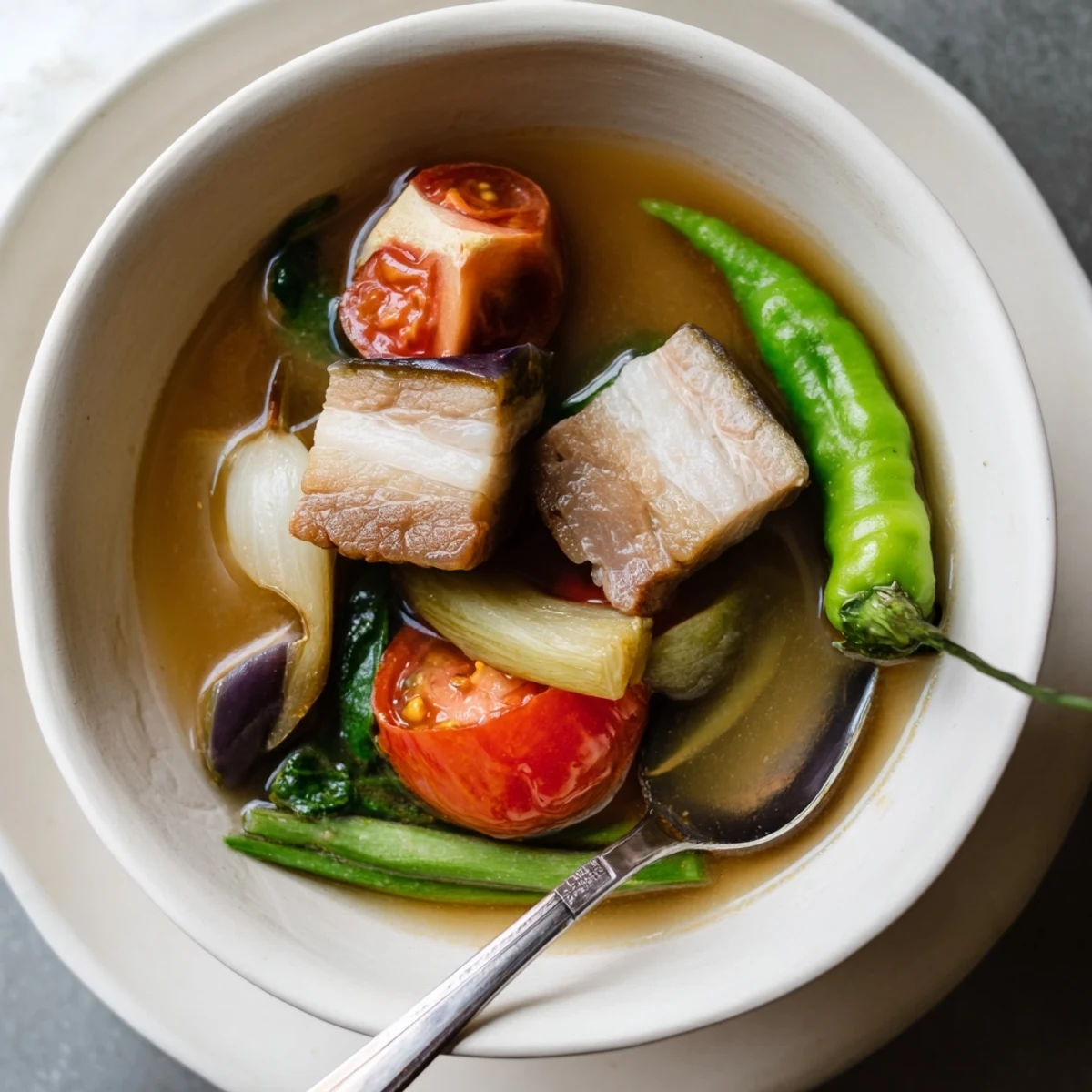
Save There is something about a steaming bowl of sinigang that makes even the dreariest day feel hopeful. I hope this recipe brings as much comfort to your table as it has to mine.
Recipe FAQ
- → What makes Sinigang sour?
-
The signature sourness comes from tamarind, either using fresh tamarind pulp boiled and strained into the broth or a convenient tamarind soup base mix. This tangy flavor is what defines Sinigang and distinguishes it from other Filipino soups.
- → Can I use other proteins besides pork?
-
Absolutely. While pork belly or ribs are traditional, you can substitute with beef, shrimp, or fish. When using seafood like shrimp or fish, add them during the last 10 minutes of cooking to prevent overcooking and maintain texture.
- → What vegetables work best in Sinigang?
-
Classic vegetables include daikon radish, eggplant, string beans, tomatoes, onions, and leafy greens like spinach or kangkong (water spinach). You can also add okra or taro for variety and different textures.
- → How do I adjust the sourness level?
-
Start with the recommended amount of tamarind mix or pulp, then taste the broth. If you prefer more sourness, add additional tamarind gradually. You can also balance with more fish sauce or salt according to your preference.
- → Is Sinigang spicy?
-
Traditional Sinigang is not inherently spicy, but adding long green chili peppers provides mild heat. The chilies are optional, so you can omit them entirely if you prefer a purely sour and savory flavor profile without any spice.
- → How long does Sinigang keep in the refrigerator?
-
Sinigang stores well for 3-4 days in an airtight container in the refrigerator. The flavors often develop and improve overnight. Reheat gently on the stove, adding a little water if the broth has reduced too much.