
 Save
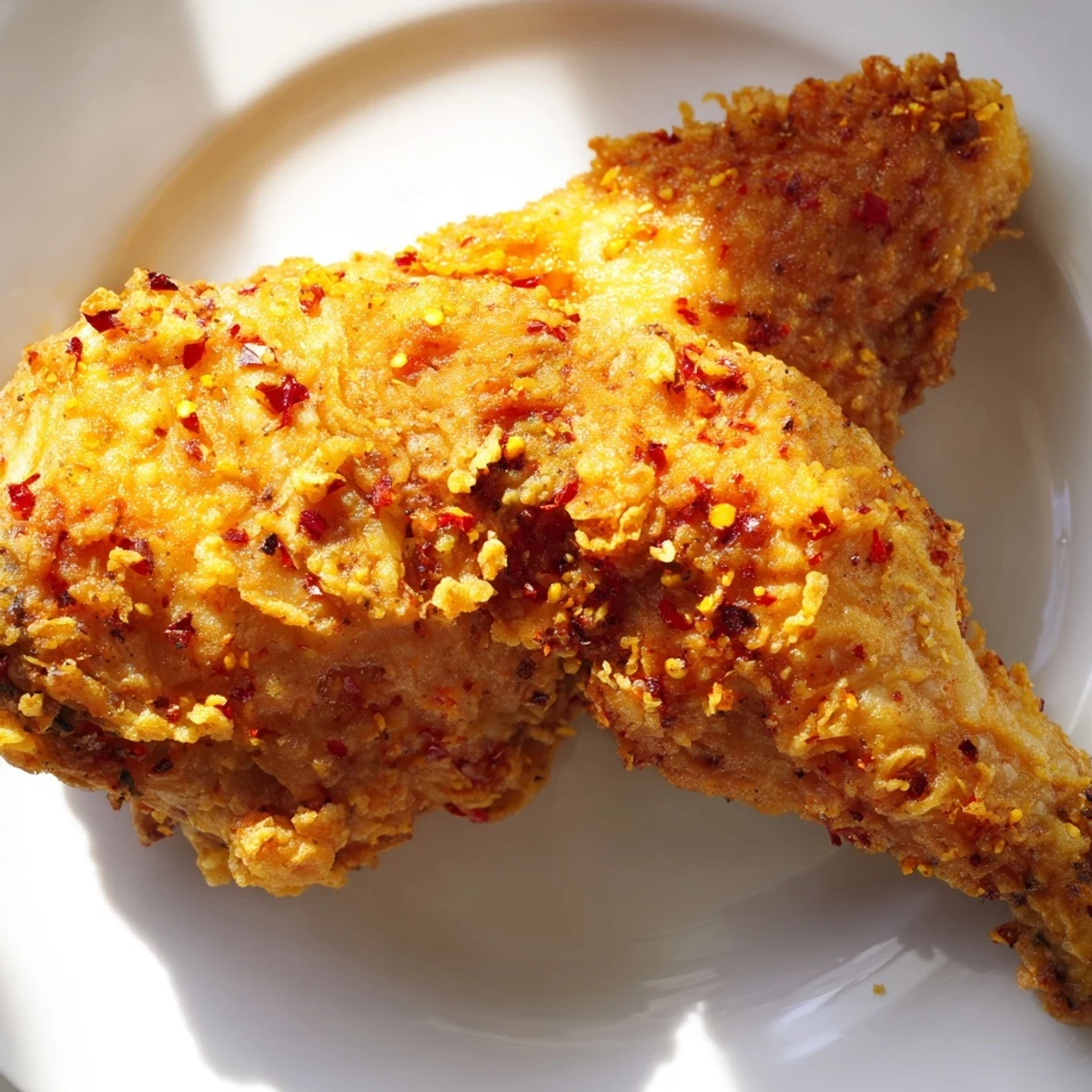
Save This dish features chicken pieces marinated in a flavorful blend of buttermilk and spices, then coated in a seasoned flour mix for extra crunch. The chicken is fried until golden brown and irresistibly juicy, balancing crispiness with tender meat inside. Perfectly seasoned and cooked to crispy perfection, it’s a satisfying choice for any meal.
The preparation involves marinating the chicken to infuse deep flavors, then double-dredging to create a crunchy crust. Frying at the right temperature ensures the chicken cooks evenly while maintaining juiciness inside. Serve with classic sides or customize with your favorite sauces and garnishes.
My uncle had this way of frying chicken that made everyone stop mid-conversation when the smell hit the kitchen—that exact moment when you know something golden is happening in the oil. I watched him work once, barefoot on his tile floor, moving with the kind of practiced ease that only comes from making the same dish a hundred times. The buttermilk marinade he swore by sat in his fridge overnight, and the next day, when I tried it myself, I finally understood what he meant about patience being the secret ingredient.
Years ago, I made this for a surprise dinner party and somehow managed to cook three batches simultaneously while my friend stood at the stove keeping watch. The kitchen turned into this warm, chaotic haze of paprika-scented steam, and by the time everyone arrived, the chicken was still warm, the oil had settled, and the compliments never stopped coming. That's when I realized fried chicken isn't just food—it's an invitation to slow down and enjoy something made with actual attention.
Ingredients
- Chicken (8 pieces, bone-in and skin-on): Drumsticks, thighs, and breasts all work, but keeping the bone and skin is non-negotiable—it's what keeps the inside juicy while the outside crisps up.
- Buttermilk (1 cup): This isn't just dairy; the acidity tenderizes the chicken and creates a subtle tang that flavors the marinade from the inside out.
- Salt, black pepper, paprika, and garlic powder: The marinade seasoning layer is mild on purpose—it sets a foundation without overpowering the subtle chicken flavor underneath.
- All-purpose flour (2 cups): Standard flour works best here because it browns evenly and gives you that satisfying crunch without greasiness.
- Paprika, cayenne pepper, and baking powder in the dredge: The paprika adds color and warmth, cayenne brings controlled heat, and baking powder is the secret to extra-light, crispy coating.
- Vegetable oil (about 1.5 liters): Choose a neutral oil with a high smoke point—peanut or canola work beautifully and won't compete with the chicken's flavor.
Instructions
- Prepare the marinade and soak:
- Whisk together buttermilk, salt, pepper, paprika, and garlic powder in a large bowl until everything dissolves. Submerge all eight chicken pieces, making sure each one gets coated, then cover and refrigerate for at least two hours—overnight is even better because the acidity really penetrates the meat. You'll notice the chicken changes texture slightly; that's exactly what you want.
- Mix your flour coating:
- In a shallow dish, combine flour, salt, paprika, cayenne, baking powder, and black pepper. Stir thoroughly so the seasonings and baking powder distribute evenly—no clumps hiding in the corners.
- Double-dredge for maximum crunch:
- Pull each piece from the marinade and let excess drip back into the bowl for a few seconds. Lay it in the flour mixture and press gently so the coating adheres, turning to coat all sides. For that restaurant-quality crust, dip the floured chicken back into the buttermilk for just a second, then dredge again in the flour mixture.
- Heat your oil to the exact temperature:
- Pour oil into your deep fryer or heavy-bottomed pot and bring it to 175°C (350°F). Use a cooking thermometer to check—this temperature is the sweet spot where the outside browns fast enough to lock in juices while the inside stays moist.
- Fry in batches without crowding:
- Carefully place chicken pieces into the hot oil, leaving space between each one so they fry evenly rather than steaming. Work in batches; overcrowding drops the oil temperature and ruins your crust. Fry for 12 to 15 minutes, turning occasionally with tongs, until the coating is deep golden brown and a thermometer inserted into the thickest piece reads 75°C (165°F).
- Rest and drain on a rack:
- Transfer finished pieces to a wire rack set over a baking sheet so air can circulate underneath and keep the bottom crispy. If you use paper towels, set them on a plate under the chicken so steam can escape. Let everything rest for five minutes before serving—this lets the exterior set completely.
 Save
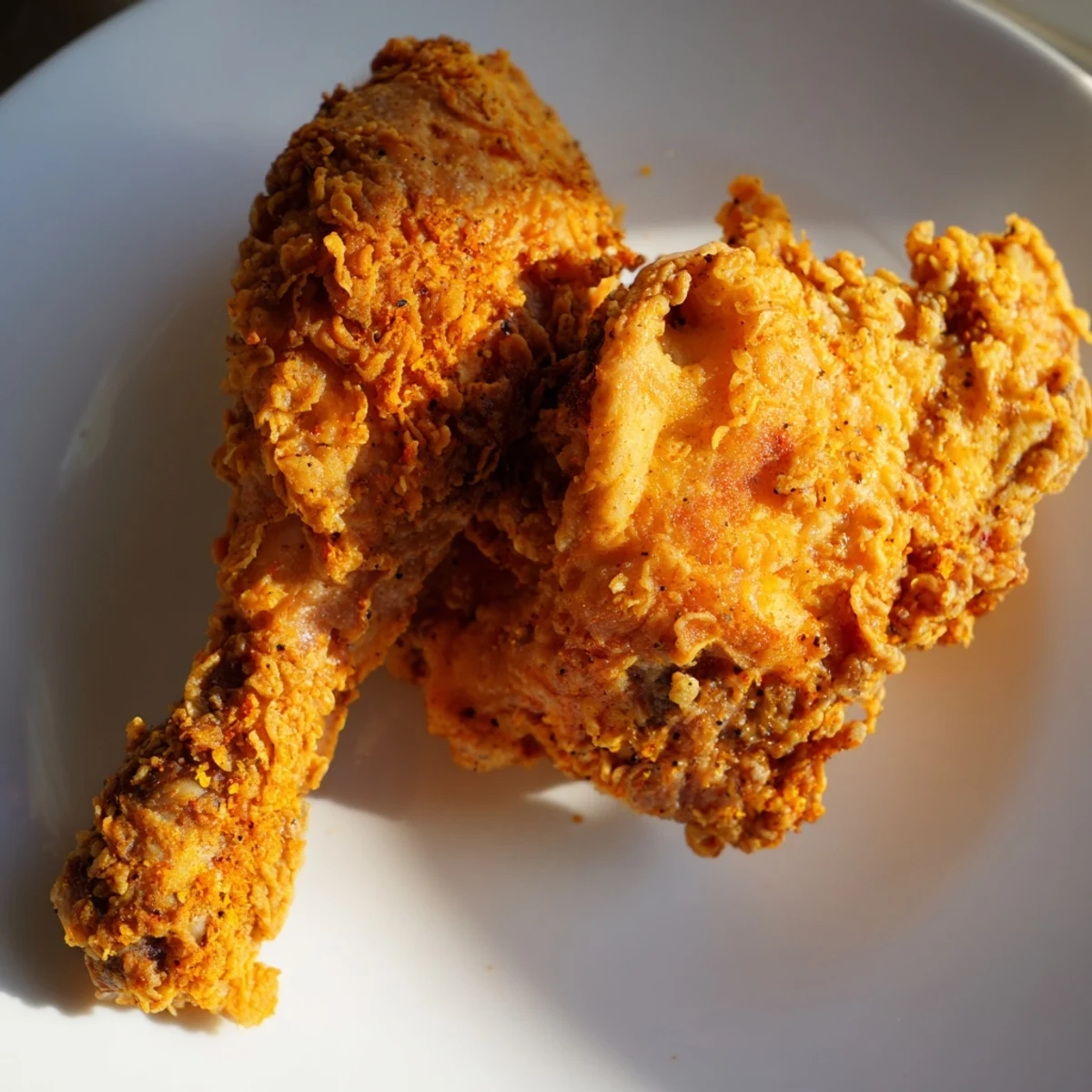
Save I remember sitting on a porch with a plate of this chicken, biting into a drumstick and hearing that satisfying crackle echo in my own ears. Someone asked for the recipe that day, and I realized fried chicken has this almost magical way of bringing people to the table, no matter what else is going on.
The Buttermilk Secret
Not everyone realizes that buttermilk does two things at once: it flavors and tenderizes through its natural acidity. I learned this by accident when someone once substituted regular milk, and the chicken came out tougher despite being identical in every other way. The next time I marinated longer and watched how the chicken's texture softened as the buttermilk worked its way in, even visible on the surface where the meat started looking slightly paler and more receptive. That night, I understood that technique isn't just about following steps—it's about understanding what each ingredient actually does.
Crispiness That Lasts
The double-dredge method is worth the extra thirty seconds because the first coating sticks to the buttermilk-coated chicken, and the second one creates a thicker, more protective layer that stays crunchy even if the chicken sits for a while. I tested this on purpose once, frying a batch in the morning and serving it hours later at room temperature, and the crust held its snap like it had just come out of the oil. The baking powder in the flour mixture contributes to this too—it creates tiny air pockets that keep the coating light instead of dense and soggy.
Serving and Variations
Fried chicken pairs with practically anything, though I've found that cool, creamy sides like coleslaw or ranch cut through the richness beautifully. Mashed potatoes catch the drippings if you're generous with gravy, and warm biscuits are always an unspoken option. For spice lovers, you can double the cayenne pepper in the flour mixture, or for a gluten-free version, swap the all-purpose flour for a one-to-one gluten-free blend and reduce it slightly since it absorbs oil differently.
- Serve with crisp coleslaw, biscuits, mashed potatoes, or pickles for contrast.
- For spicier chicken, increase the cayenne pepper to taste or add a pinch of hot sauce to the marinade.
- A gluten-free flour blend works as a substitute, though it may crisp differently so watch the frying time closely.
 Save
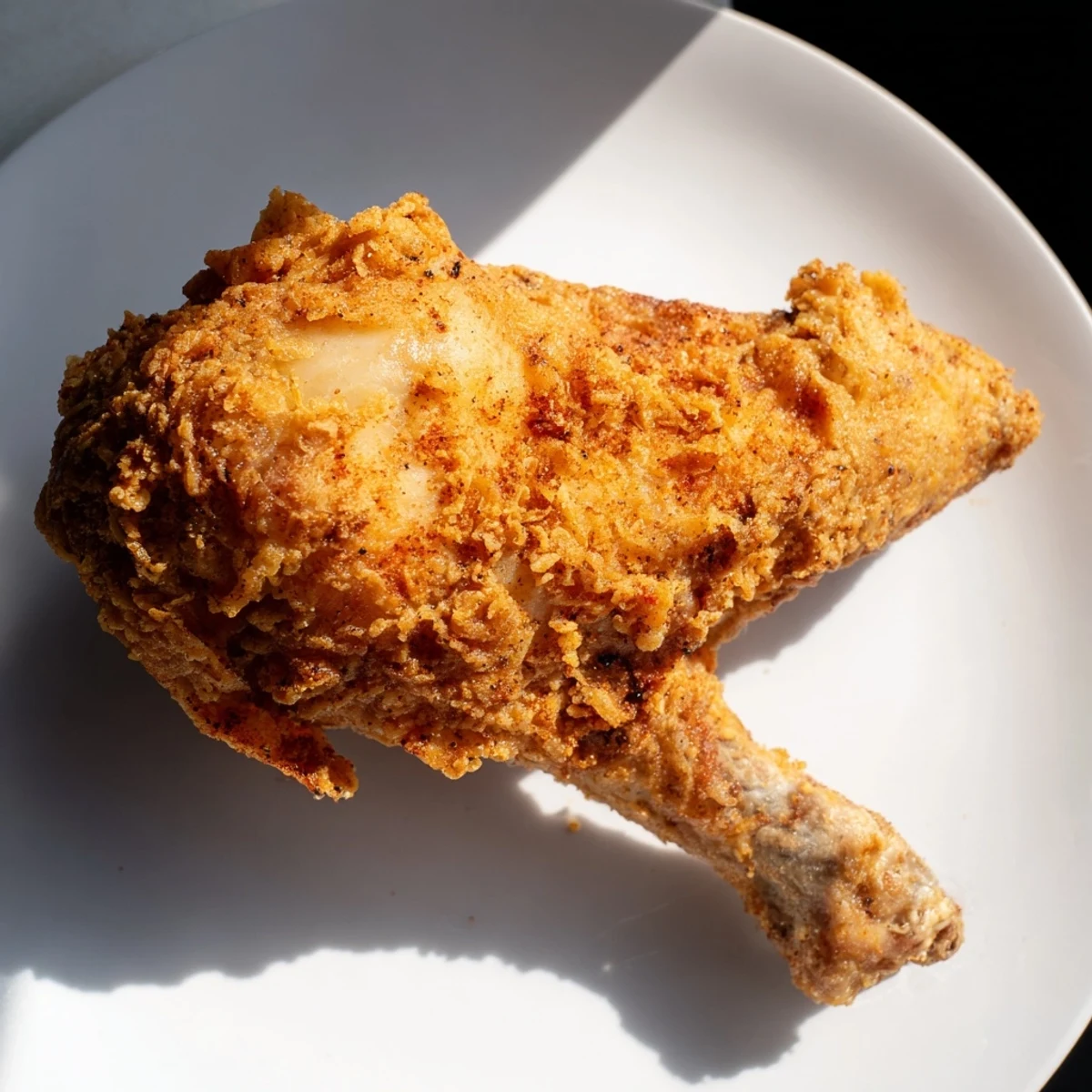
Save This recipe isn't complicated, but it rewards attention—to temperature, timing, and the small choices that separate forgettable fried chicken from the kind people ask about for years. Make it with care, and it becomes the dish people remember.
Recipe FAQ
- → How long should the chicken marinate?
-
Marinate for at least 2 hours, preferably overnight, to ensure the chicken absorbs the buttermilk and spices well.
- → What temperature is best for frying chicken?
-
Heat the oil to 175°C (350°F) for ideal frying. This temperature helps achieve a crispy exterior while cooking the chicken thoroughly.
- → Can I make the coating spicier?
-
Yes, increase the amount of cayenne pepper in the dredging mixture for additional heat and spiciness.
- → What sides complement this chicken well?
-
Classic sides like coleslaw, mashed potatoes, and biscuits pair perfectly, adding balance to the crunchy chicken.
- → Is the flour mix replaceable for dietary needs?
-
You can substitute the all-purpose flour with a gluten-free blend to accommodate gluten sensitivities without sacrificing texture.