
 Save
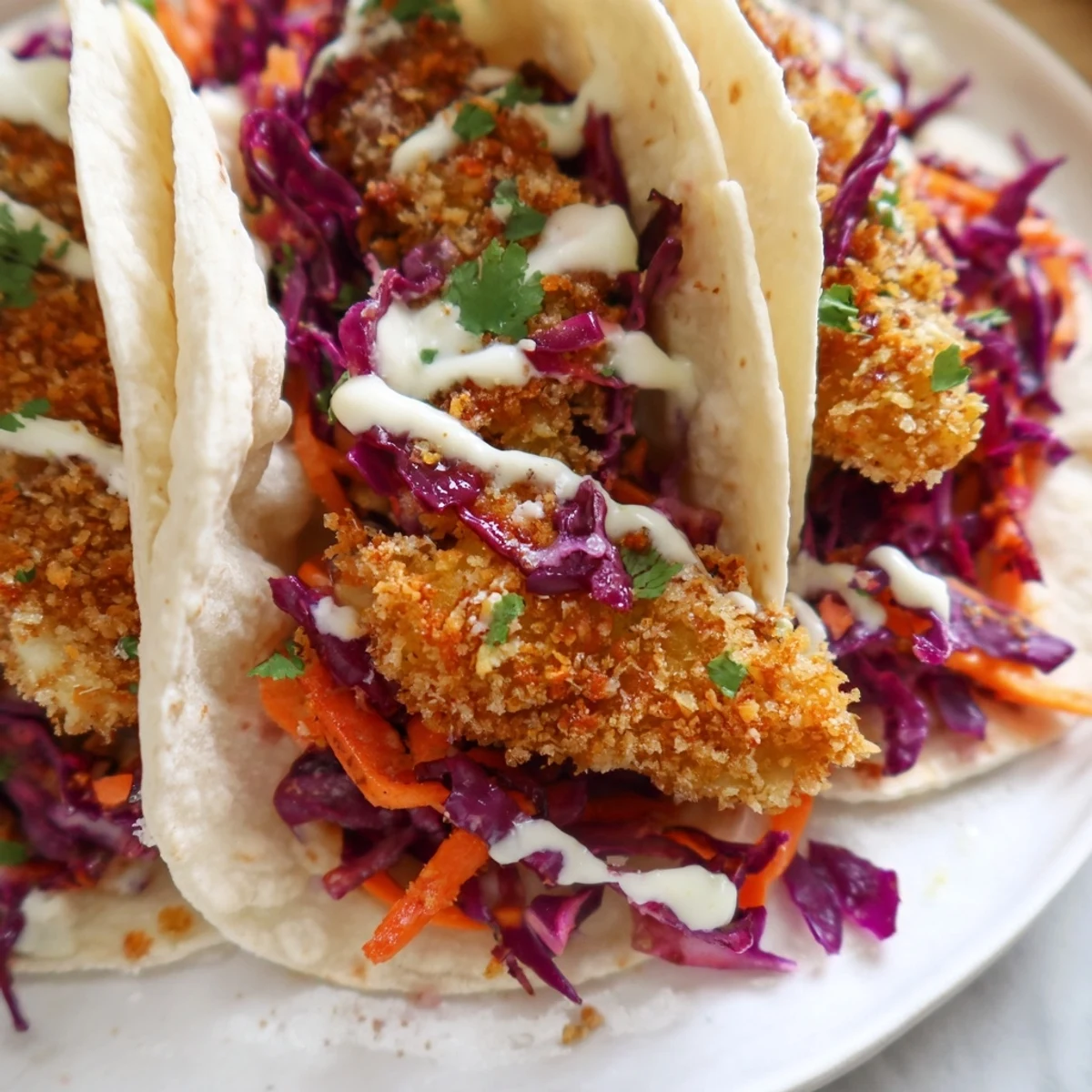
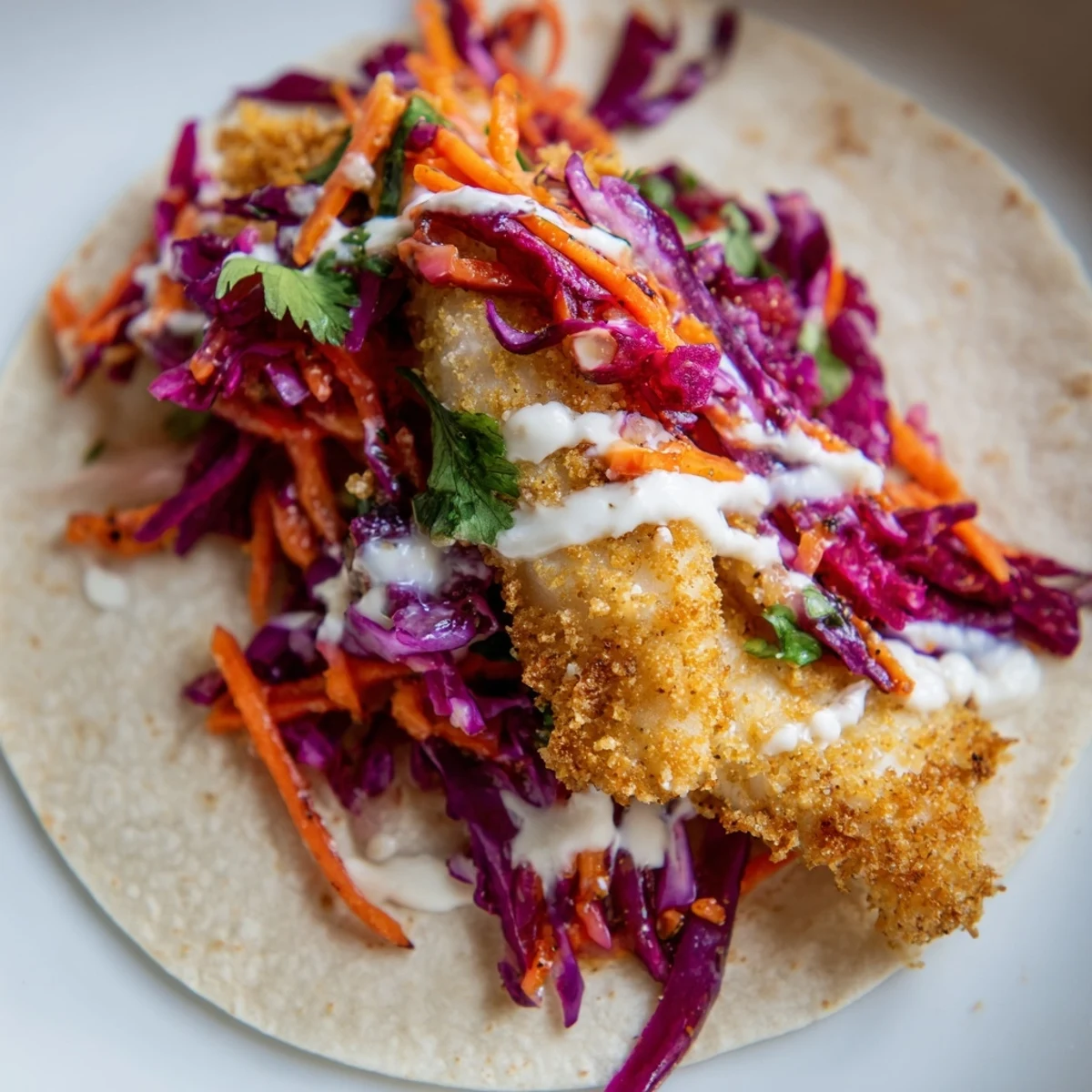
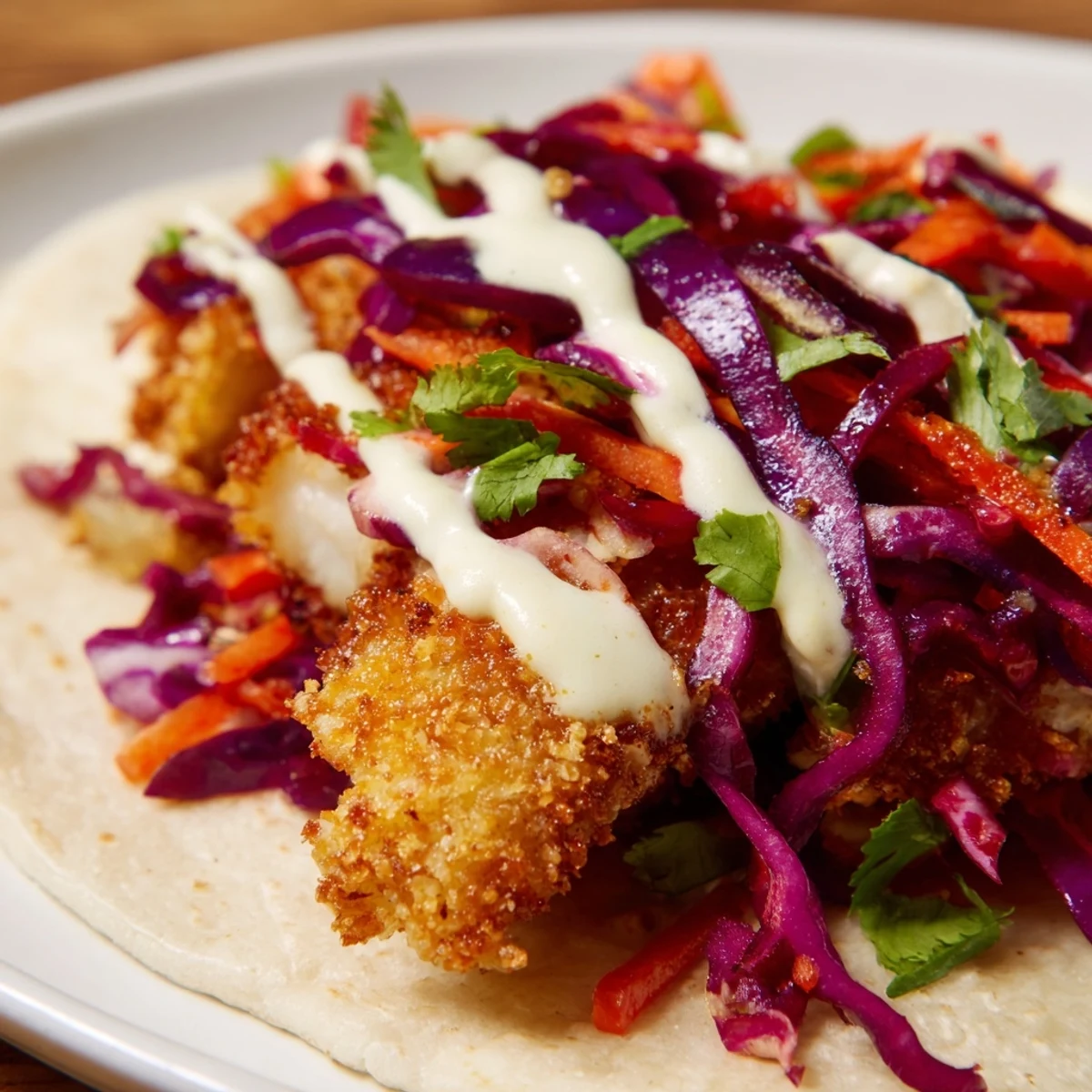
Save Enjoy golden, crispy fish strips fried to perfection and nestled in warm tortillas. A vibrant red cabbage slaw with julienned carrot, red onion, and fresh cilantro adds a fresh crunch, while a zesty crema made with sour cream or yogurt brightens each bite. The smoky paprika and garlic powder give the fish a flavorful crust. Ideal for a medium-difficulty Mexican-inspired main dish ready in 40 minutes.
There's something magical about the sizzle of fish hitting hot oil on a weeknight when you're trying to impress without fussing for hours. Years ago, a friend visiting from San Diego brought me a bag of fresh corn tortillas and wouldn't stop talking about the fish tacos she'd been eating on every corner. I was skeptical—how good could casual street food really be?—until I tasted one. The crispness, the brightness of that slaw, the way everything came together in a few careful minutes. I've been chasing that feeling ever since.
I made these for a small dinner party on a August evening when the kitchen was already warm and my guests arrived hungry. Someone brought cold beer, someone else brought a bowl of limes, and suddenly it felt less like cooking and more like we were all gathering around something worth gathering for. My hands got messy breading fish, oil splattered, cilantro got everywhere—and somehow that's exactly when everyone relaxed.
Ingredients
- White fish fillets (cod, tilapia): Choose something sturdy enough to handle the breading and frying without falling apart; I've learned thicker fillets around 1 cm work best because they stay tender inside while the crust gets dark.
- Panko breadcrumbs: Regular breadcrumbs get too fine and dense; panko stays crispy and light, which is the whole point here.
- Smoked paprika and garlic powder: These aren't just flavoring—they're what make the crust taste intentional rather than plain.
- Red cabbage: It holds up to the acidity of lime without wilting into mush, and the color is honestly half the appeal.
- Sour cream or Greek yogurt: The tang in the crema balances everything; if you use mayo alone it gets heavy.
- Corn tortillas: They tear less if you warm them wrapped in a towel, which I discovered after several embarrassing moments.
Instructions
- Make the slaw first, let it sit:
- Shred your cabbage fine enough that it softens slightly from the lime juice—this takes about 10 minutes of marinating and gives everything time to get friendly. The honey isn't sweetness; it's a whisper that rounds out the sharp edges.
- Prep your crema while flavors meld:
- Mix sour cream, mayo, and lime until it's the consistency of thick yogurt, then taste and adjust—a tiny bit of hot sauce adds depth without heat if you want it. Refrigerating it even for 5 minutes makes it taste more composed.
- Set up your breading station like you mean it:
- Three shallow dishes in a row: flour, beaten eggs, panko-spice mixture. When you're working with wet fish, everything moves faster if it's organized, and you won't second-guess where the next strip goes.
- Coat each piece thoroughly:
- Flour, egg, panko—press gently so the breadcrumb layer clings instead of sliding off mid-fry. I use one hand for wet ingredients and one for dry; it's a small thing that keeps you from getting your whole hand coated.
- Get your oil hot but don't panic:
- Medium-high heat means the fish cooks through without the outside burning black—you want golden, not dark. If a test piece bubbles immediately and sizzles, you're ready.
- Fry in batches and don't crowd the pan:
- Two or three strips at a time, about 2–3 minutes per side until the coating turns that deep golden color and the fish flakes easily. Drain on paper towels the moment they come out.
- Warm your tortillas properly:
- A quick char over a flame or a few seconds in a dry pan changes everything—they become pliable and actually taste like corn instead of cardboard.
- Assemble with confidence:
- Fish, then slaw so it doesn't get soggy, then a good drizzle of crema, cilantro, lime. The order matters because warmth from the fish should soften the slaw just slightly but not make it limp.
 Save
Save The moment I remember most clearly is when my dad, who usually orders everything as plain as possible, took one bite and asked for seconds without commenting on the process. That's when I knew this recipe worked—not because it's complicated or fancy, but because it disappears when you're eating it, and that's everything.
Why the Layers Matter
Each component does something specific: the crema cools and smooths, the slaw adds brightness and crunch, the fish provides substance and that satisfying crispy-then-tender contrast. None of these elements work alone the way they work together, and that architecture is what makes the whole thing feel intentional instead of thrown together. When someone says they love tacos but can never quite recreate the version that won them over, it's usually because they're missing one piece of this balance.
Timing and Temperature
The most common mistake is either keeping everything too cold or trying to fry at too low a temperature—both result in soggy breading instead of that shatter you want. Oil temperature is genuinely the difference between a taco you want to eat again and one you tolerate. I learned to use a kitchen thermometer for the first few batches, then your ear and eye start recognizing the sound and look of oil that's ready.
The Slaw and Other Riffs
Red cabbage is my anchor, but you can play with this: add a thin julienne of jicama for crunch, swap cilantro for mint if that's what you love, throw in some thinly sliced radish if you want even more snap. The principle stays the same—acidity, crunch, freshness cutting through the richness of fried fish. Serve these with cold beer, with sparkling water and lime, with a glass of white wine—they're flexible that way.
- If you don't have panko, crush some crackers or dried tortilla chips—texture matters more than exact ingredients.
- The crema can be made thinner or thicker depending on whether you want to drizzle or dollop, and either way tastes right.
- Leftover components don't keep as a assembled taco, but slaw and crema and fried fish can each live separately in your fridge for a few days.
 Save
Save These tacos are the kind of food that brings people to the table and keeps them there longer than they expected. Make them when you want something that tastes like you tried but doesn't feel like you spent all evening doing it.
Recipe FAQ
- → What type of fish works best for crispy tacos?
-
White fish like cod or tilapia, cut into strips, works well for a crispy texture and mild flavor.
- → How do I achieve a crispy coating on the fish?
-
Coat fish strips in flour, dip in beaten eggs, then press into panko breadcrumbs mixed with smoked paprika and garlic powder before frying.
- → Can the slaw be prepared ahead?
-
Yes, the red cabbage slaw can be mixed a few hours in advance to allow flavors to meld, keeping it crisp and fresh.
- → What is the role of the crema in this dish?
-
The crema adds a cool, tangy contrast to the crispy fish and crunchy slaw, balancing the flavors and textures.
- → Are there alternatives to frying the fish?
-
For a lighter option, bake breaded fish strips at 220°C (425°F) for 12–15 minutes, turning halfway through.