
 Save
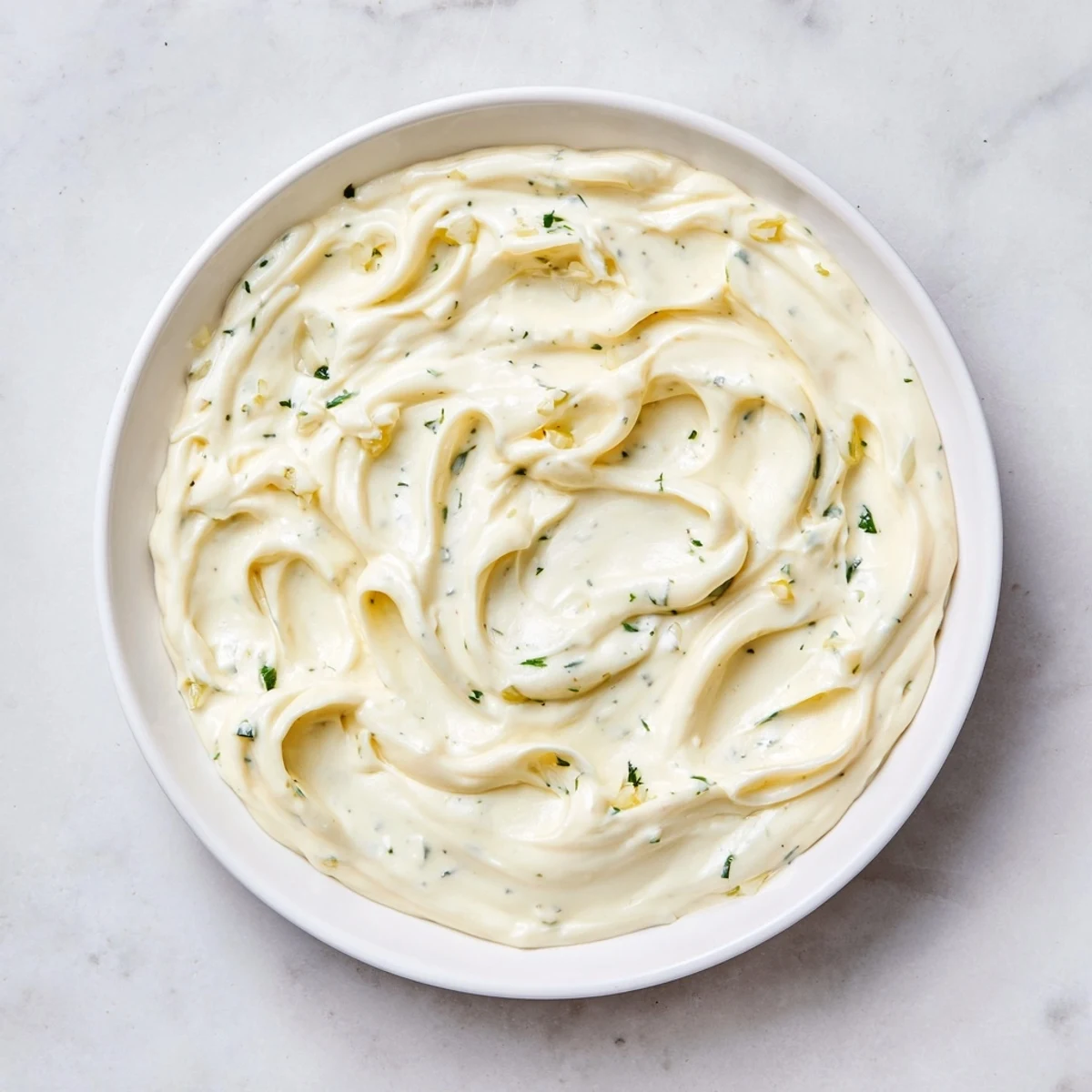
Save This creamy sauce combines heavy cream, butter, and Parmesan cheese with garlic for a rich, smooth texture. It’s simmered gently and finished with fresh herbs for an aromatic finish. Ideal for drizzling over pasta, chicken, or vegetables to add indulgent flavor in minutes.
There's something almost meditative about making a proper cream sauce—the way butter melts into silence, how garlic transforms the moment it hits the pan, the gentle simmer that tells you everything's right. I discovered this particular sauce on a Tuesday night when I had nothing but cream, butter, and pride to work with, and somehow it became the thing I reach for whenever I need to turn something ordinary into something memorable.
I made this sauce for a dinner party once when a friend brought unexpected guests, and instead of panicking I just doubled the batch. By the time the pasta hit the table, the sauce had become the conversation—creamy, elegant, and finished in the time it took to boil water. That's when I realized this wasn't just a backup plan, it was something worth mastering.
Ingredients
- Heavy cream (1 cup): This is your foundation—use the real thing, not the whipped kind, and don't skimp on quality because it's the star here.
- Unsalted butter (2 tablespoons): The butter carries flavor and creates that glossy finish, so use good butter and let it fully melt before anything else happens.
- Grated Parmesan cheese (1/2 cup): Freshly grated makes all the difference; pre-grated cheese has cellulose that can make the sauce grainy.
- Garlic (2 cloves, minced): Mince it fine because you want it to dissolve into the sauce, not float as little chunks.
- Salt (1/4 teaspoon): Taste as you go because cheese adds saltiness too.
- Freshly ground black pepper (1/4 teaspoon): The freshness matters more than the amount here.
- Nutmeg (pinch, optional): A single pinch—this is the secret weapon that makes people wonder what you did differently.
- Fresh parsley or chives (1 tablespoon, optional): Stir these in at the very end for color and a bright counterpoint to the richness.
Instructions
- Melt the butter gently:
- Heat a medium saucepan over medium heat and let the butter melt slowly—this isn't a race. You want it melted and shimmering, not browning, because browned butter will change the whole flavor of what comes next.
- Introduce the garlic:
- Add your minced garlic and let it sizzle for about a minute, just until you smell it—that's when you know it's awake but hasn't burned. Stir it around so it gets coated in butter.
- Pour in the cream:
- Add the heavy cream slowly and give it a gentle stir, then watch it begin to steam and warm. Keep the heat at medium and let it come to a soft simmer—tiny bubbles around the edges, not a rolling boil.
- Whisk in the Parmesan:
- Lower the heat to medium-low and start whisking in the cheese a little at a time, letting each handful almost melt before adding more. This prevents clumping and keeps the sauce smooth and silky.
- Season to taste:
- Add salt, pepper, and that pinch of nutmeg if you're using it, then let everything simmer for 2 to 3 minutes, stirring often so nothing sticks to the bottom. The sauce will thicken slightly as it cooks.
- Finish with herbs:
- Pull the pan off the heat and stir in your fresh herbs right at the end so they stay vibrant. Taste one more time and adjust seasoning if needed.
 Save
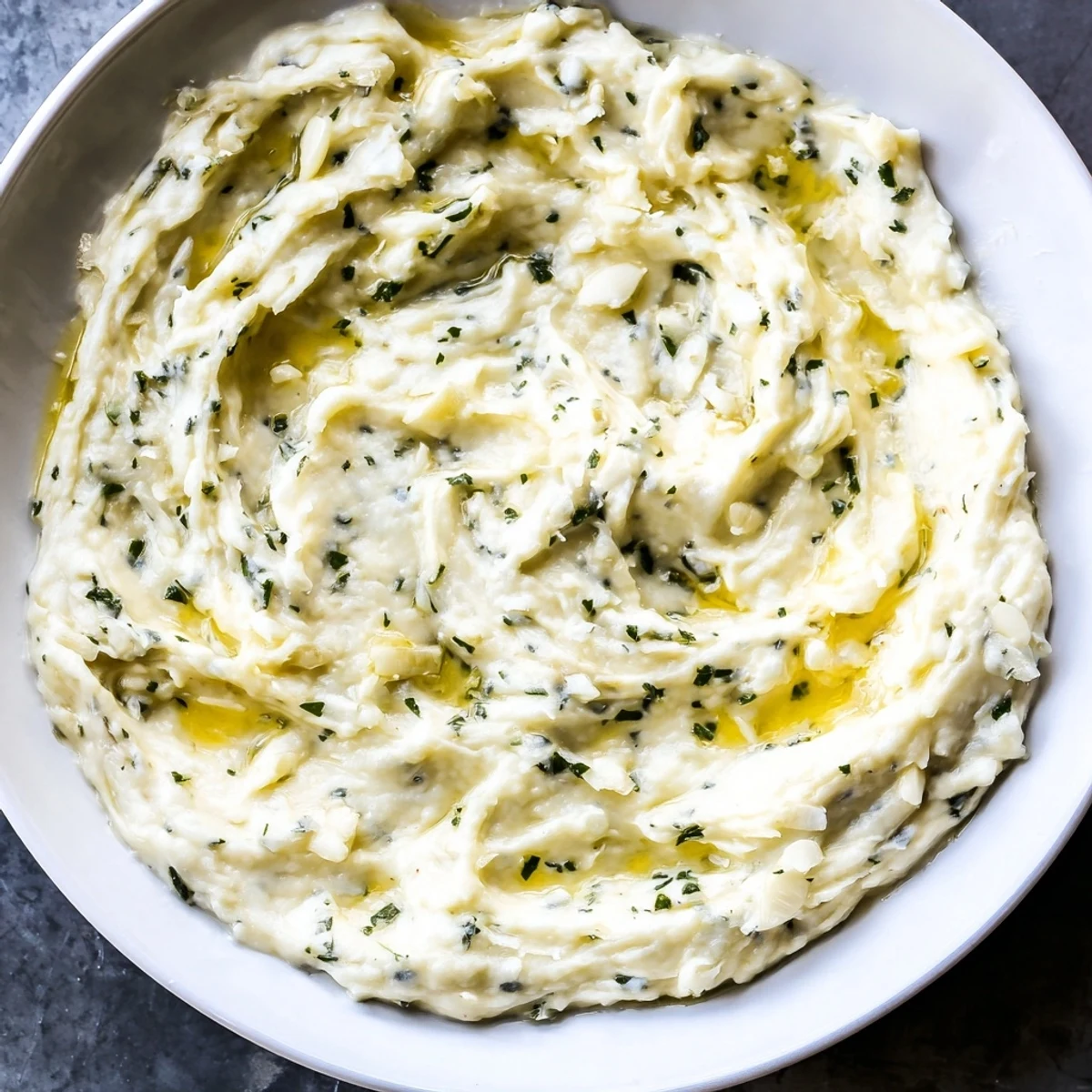
Save I learned the power of this sauce when someone came back for thirds and said it reminded them of a restaurant they loved but could never quite recreate. That's the moment I understood that simple ingredients in the right proportions become something more than the sum of their parts.
Making It Your Own
This sauce is a canvas, honestly. A splash of white wine stirred in before the cream adds a subtle brightness that catches you off guard. Some nights I use half cream and half whole milk when I want something a little lighter, and it's still beautiful—just different. Others I've swapped Pecorino Romano for the Parmesan and suddenly the whole thing has a sharper edge that wakes up the palate.
Pairing Possibilities
Over pasta, this sauce clings to every curve and fold—use something like fettuccine or pappardelle so it has texture to hold onto. Drizzled over roasted chicken it becomes the reason people eat the sauce instead of just the meat. On steamed broccoli or cauliflower it transforms vegetables into something that makes you slow down and actually taste them.
Storage and Reheating
This sauce keeps in the refrigerator for up to three days in an airtight container, though it does thicken as it cools. Reheat it gently over low heat with a splash of cream or milk, stirring constantly, and it comes back to life. The flavor somehow deepens overnight, so leftovers are never a disappointment.
- Let it cool completely before covering so condensation doesn't water it down.
- Freeze it up to a month if you want to skip the first three steps another night.
- Add fresh herbs only right before serving so they don't fade in storage.
 Save
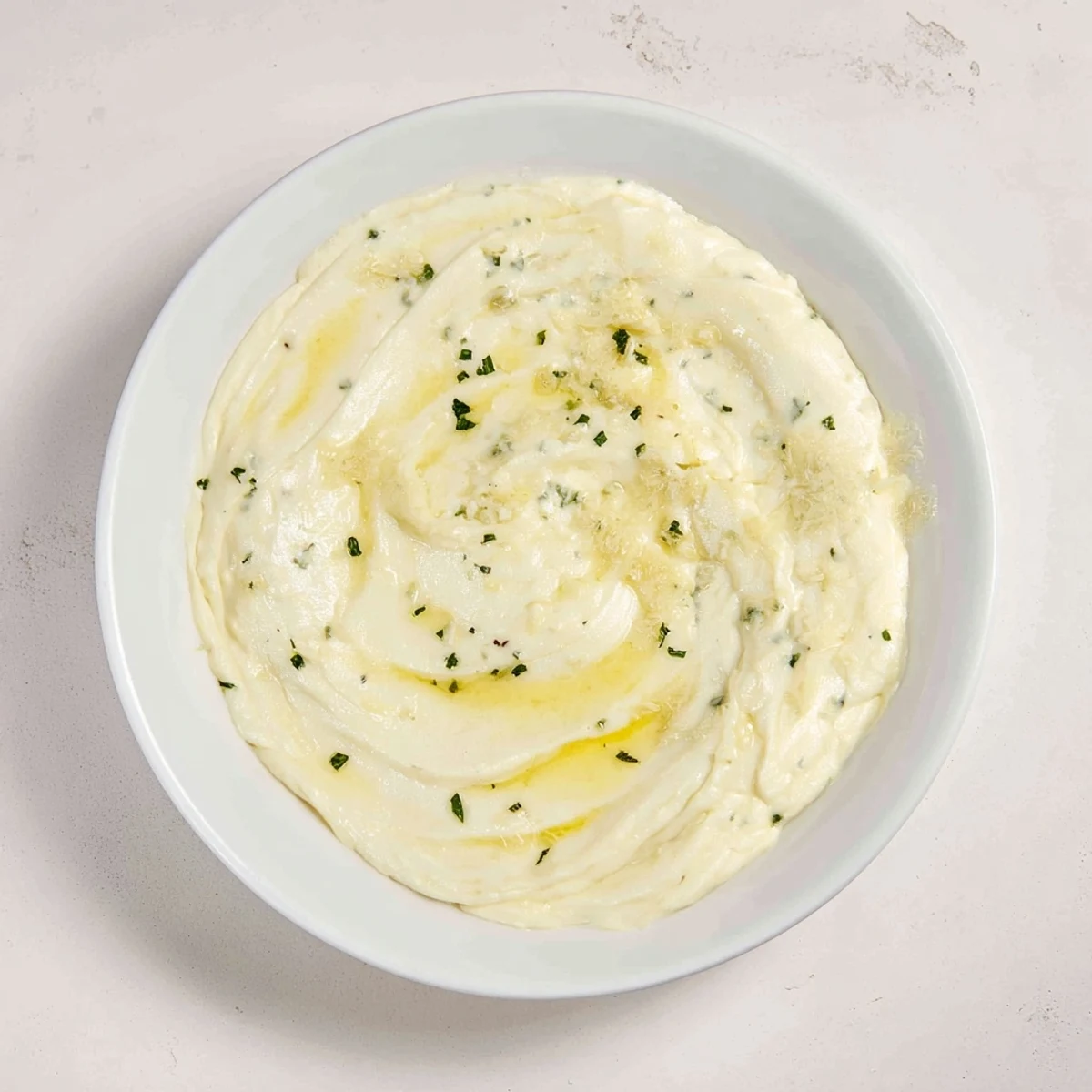
Save This sauce exists in that sweet spot where it feels indulgent but comes together so quickly you can make it on a weeknight without stress. It's become my answer to the question of what's for dinner when I need something that feels like care.
Recipe FAQ
- → Can I substitute milk for cream?
-
Yes, replacing half the cream with whole milk provides a lighter texture while maintaining creaminess.
- → How can I prevent the sauce from curdling?
-
Simmer the sauce gently on low heat and add cheese slowly while whisking to keep it smooth and creamy.
- → What herbs complement this sauce best?
-
Chopped parsley or chives add fresh, subtle herbaceous notes that balance the richness of the sauce.
- → Is it possible to add wine to enhance flavor?
-
Adding a splash of white wine before the cream deepens the flavor with a gentle acidity.
- → Can I make the sauce sharper in taste?
-
Substituting Parmesan with Pecorino Romano cheese introduces a bolder and saltier profile.