
 Save
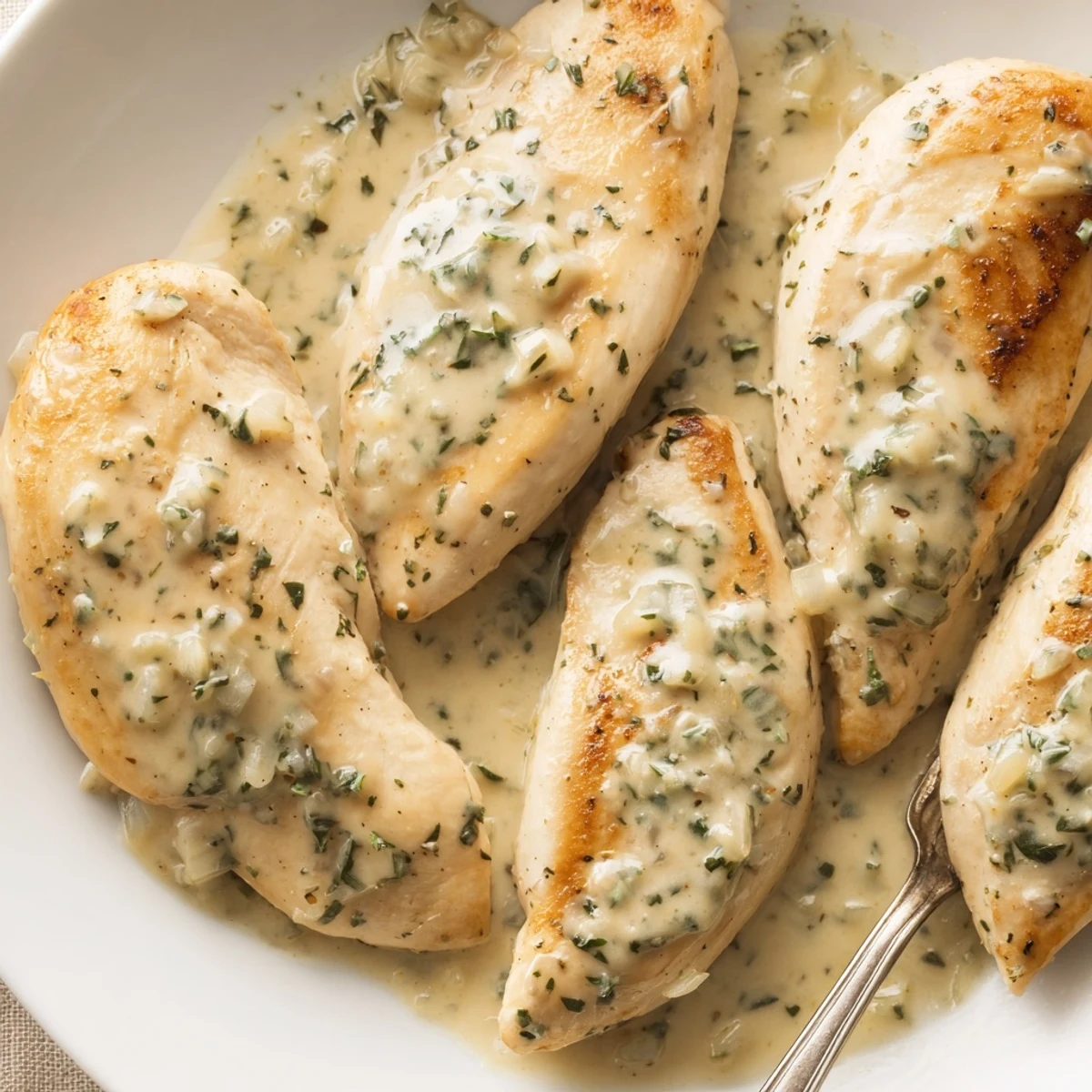
Save Tender chicken breasts are seasoned and seared until golden, then finished in a silky pan sauce built from sautéed onion and garlic, deglazed with chicken broth and enriched with heavy cream and fresh parsley, chives, basil and thyme. Simmer briefly to thicken, return the chicken to warm through, and garnish with extra herbs. Serve with steamed vegetables, rice or mashed potatoes; swap half‑and‑half or dried herbs as needed.
The subtle sizzle of chicken meeting hot butter never fails to draw everyone into the kitchen, especially when fragrant herbs are involved. The first time I made creamy herb chicken, I was simply after something quick for dinner but was caught off guard by how the aroma wrapped itself around the whole apartment. That sound and scent had me glancing suspiciously at the clock, convinced it must have been cooking away for hours rather than just minutes. There’s a certain satisfaction that comes from seeing the velvety sauce bubble up, promising comfort in every spoonful.
I once whipped up this chicken for a friend who needed cheering up on a rainy afternoon—it transported us both to a brighter place, sharing stories over plates wiped clean with bread. That vivid green scatter of chives and basil on top always feels like an extra smile at the table. Nowadays, whenever I want to lift spirits, creamy herb chicken is the first thing I think of.
Ingredients
- Chicken breasts: Using boneless, skinless pieces means this cooks quickly and stays tender—just be sure not to overcook.
- Garlic: Freshly minced makes the difference in building a savory base.
- Onion: Finely chopping the onion lets it melt into the sauce, so you get sweetness without any crunch.
- Heavy cream: This is the heart of the sauce—full-fat yields that perfect silkiness.
- Butter: Unsalted gives you more control over seasoning, and browning it slightly adds a toasty note.
- Chicken broth: Scrape the pan well when adding it—you’ll capture every ounce of flavor from the chicken.
- Fresh herbs (parsley, chives, basil, thyme): Layer the herbs in last to keep their brightness and color.
- Salt and black pepper: Seasoning at both ends (before and after cooking) really brings the dish together.
- Olive oil (optional): A swirl alongside butter helps prevent burning and gives a glossy sear.
Instructions
- Season the chicken:
- Sprinkle both sides of each breast with salt and pepper, rubbing them in with your fingertips—I always do this directly on the cutting board for less mess.
- Get the pan hot:
- Set a large skillet over medium-high heat, melting butter and olive oil together until you hear a gentle sizzle.
- Brown the chicken:
- Lay the breasts in without crowding—let them get deep golden, about 6 to 8 minutes per side, then move them to a plate.
- Soften the aromatics:
- Turn the heat to medium, add onion and garlic, and stir them around the pan until fragrant and translucent—don’t rush or the garlic might scorch.
- Deglaze with broth:
- Pour in chicken broth and give the pan a good scrape, dislodging every bit of goodness stuck to the bottom.
- Simmer the cream and herbs:
- Lower the heat, pour in heavy cream, and scatter in chopped herbs; let it gently bubble for a few minutes until the sauce looks glossy and flecked with green.
- Bring it all together:
- Slide the chicken back into the skillet, turning to coat with sauce, and let them finish warming through for 2 or 3 minutes.
- Finishing touch:
- Sprinkle with extra fresh herbs right before serving for a pop of color and brightness.
 Save
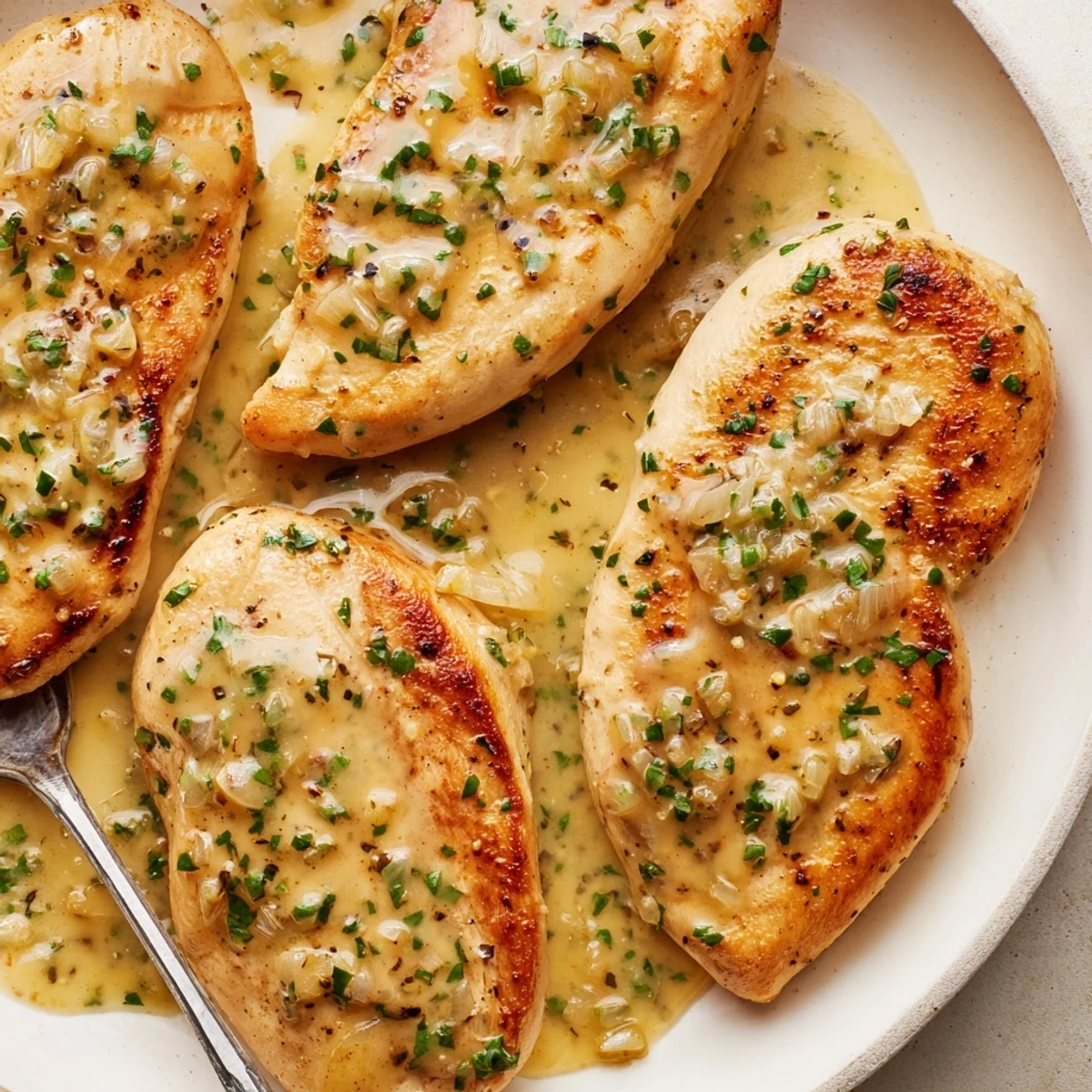
Save The most memorable time I served this was for an impromptu Saturday supper, with everyone squeezed around our tiny table and the whole place glowing from the golden sauce—nobody so much as paused for a photo, they just dug in immediately. Watching the last spoonfuls get scooped straight from the pan made me smile like nothing else could.
Choosing the Perfect Herbs
If you’re tempted to swap in dried herbs, go for it but use a lighter hand—start with a teaspoon each. Summer basil from my windowsill gives the dish a peppery freshness. I’ve even thrown in a little tarragon or dill when feeling adventurous; as long as the flavors make you happy, it’s hard to go wrong.
Getting That Golden Crust
Don’t rush browning the chicken, even if you’re hungry—the sound and scent of the sear is a good cue that things are going right. I once tried to flip too soon and left behind the best bits. Using a heavy skillet (cast iron if you have it) keeps the heat steady and makes all the difference.
Ways to Serve and Enjoy
There are always debates at my table on whether this is better with crusty bread or creamy mashed potatoes—neither option has ever disappointed. Leftovers make a fantastic next-day wrap, and extra sauce doubles as a dip for roasted vegetables.
- Let the chicken rest briefly after cooking for juicier bites.
- You can thin the sauce with a splash more broth if you prefer it lighter.
- Always taste and tweak salt at the end—stock and butter can vary.
 Save
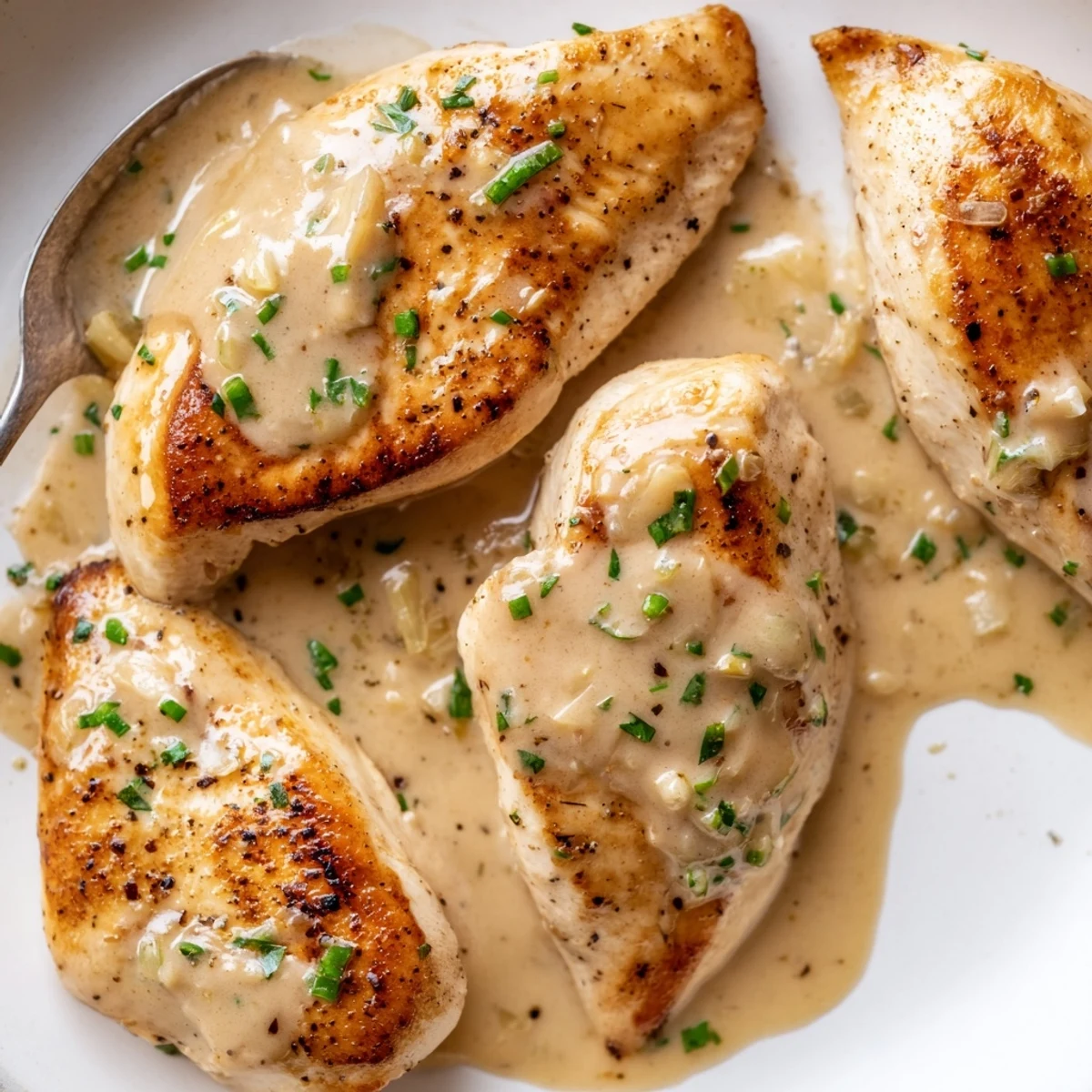
Save Here’s hoping every forkful leaves you just as content as it’s left my friends and family—enjoy every saucy bite.
Recipe FAQ
- → How do I thicken the cream sauce?
-
Simmer the sauce over medium heat to reduce and concentrate flavors. For faster thickening, whisk a small cornstarch slurry (1 tsp cornstarch + 1 tbsp cold water) into the simmering sauce, or stir in a tablespoon of grated Parmesan for body and saltiness.
- → Can I use chicken thighs instead of breasts?
-
Yes. Use boneless thighs for even cooking and extra juiciness. Sear until a deep golden color and adjust cooking times—thighs often need a few extra minutes to reach doneness. Rest briefly before serving.
- → How can I make this lighter?
-
Swap heavy cream for half‑and‑half or a mixture of milk and a tablespoon of flour to maintain creaminess while cutting fat. Reduce the butter and finish with a squeeze of lemon to brighten flavors without heaviness.
- → What’s the best way to store and reheat leftovers?
-
Cool completely, then refrigerate in an airtight container for up to 3 days. Reheat gently on the stovetop over low heat, adding a splash of broth or milk to loosen the sauce and prevent curdling; avoid high heat to keep the sauce smooth.
- → How can I make a dairy-free version?
-
Replace butter with olive oil and heavy cream with full‑fat coconut milk or an unsweetened oat cream. Expect a slightly different flavor profile—adjust herbs and acidity (a little lemon) to balance the sauce.
- → How do I know when the chicken is cooked through?
-
Cook until juices run clear and the chicken registers 165°F (74°C) at the thickest part. Let the breasts rest a few minutes in the pan off the heat to retain juices before serving.