
 Save
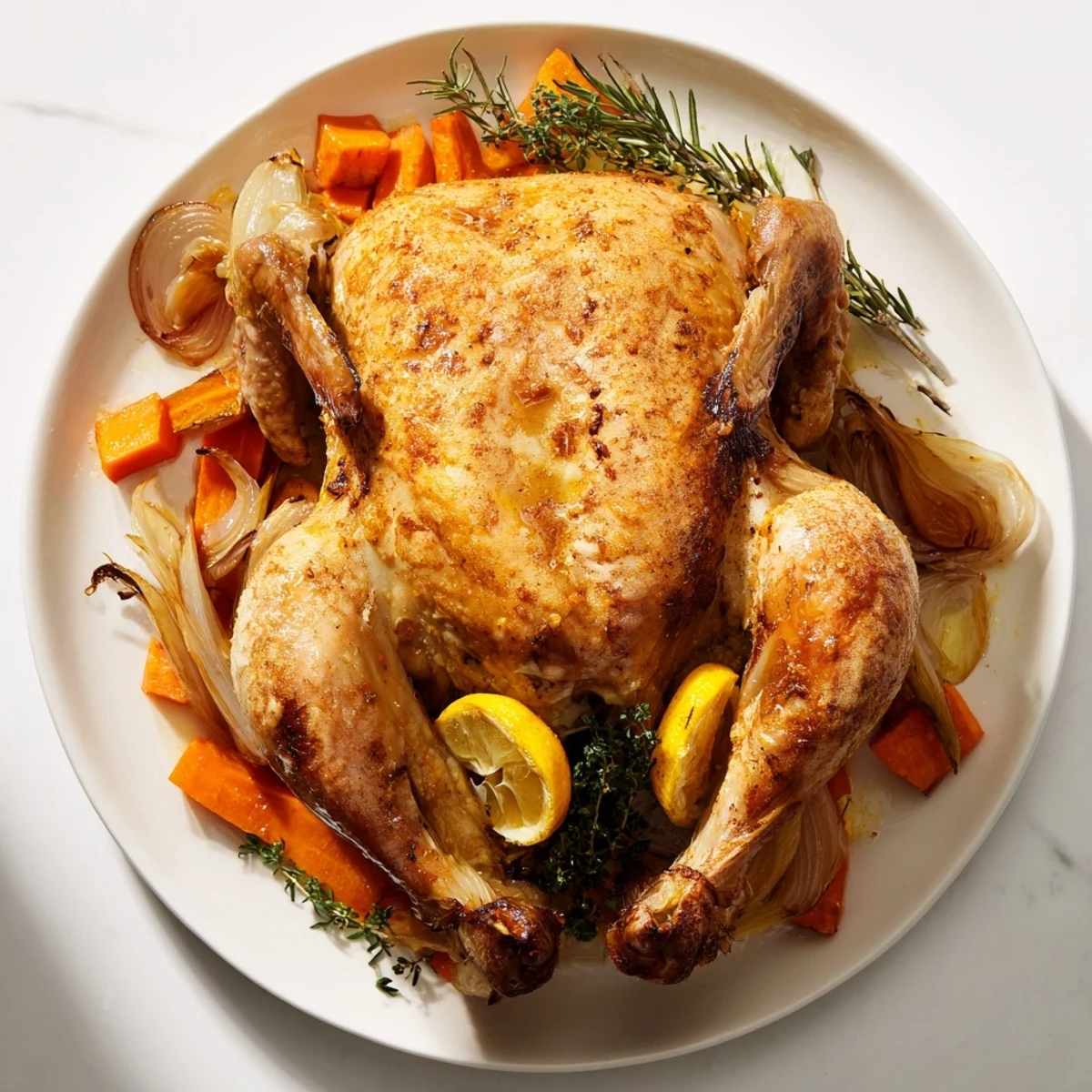
Save This classic roast chicken features a succulent whole bird seasoned with aromatic herbs like thyme and rosemary. Roasted alongside hearty vegetables such as carrots, onions, and celery, it creates a comforting dish perfect for family gatherings. The skin crisps beautifully while the interior remains juicy by cooking at a high temperature and resting before carving. A squeeze of lemon and garlic inside the cavity adds brightness and depth, complemented by olive oil and simple seasoning. Ideal for an easy-to-prepare main course with a gluten-free profile.
There's something almost sacred about roasting a whole chicken. I learned this on a quiet Sunday afternoon when my neighbor brought over one from the farmers market, insisting I could master it in my own kitchen. The house filled with this golden, herbal warmth that made everything feel simpler, better. That first bird taught me that the best meals often come from the least fussy techniques.
I made this for my sister's first dinner in her new apartment, and she cried a little when she bit into it. Not from anything fancy, just from the fact that it tasted like home. We sat at her kitchen counter with plates balanced on our laps, talking until the food went cold, and I realized a roast chicken isn't really about technique at all.
Ingredients
- 1 whole chicken (about 1.5 kg / 3.3 lbs): The fresher the bird, the more forgiving it becomes; look for one with pale, unblemished skin and ask the butcher to remove the giblets for you.
- 2 large carrots, peeled and cut into chunks: These do the heavy lifting of flavor, turning soft and almost honeyed as they catch the chicken fat.
- 2 medium onions, quartered: They dissolve into the pan juices and create a natural sauce without any real effort.
- 2 celery stalks, cut into chunks: The unsung hero that brings a subtle earthiness and helps build that incredible pan foundation.
- 1 lemon, halved: Split it open and let it nestle inside the bird; it steams the meat from within and perfumes everything with brightness.
- 4 garlic cloves, smashed: Smash them with the side of your knife rather than mincing; they become mild and sweet when roasted whole.
- 4 sprigs fresh thyme and 2 sprigs fresh rosemary: Fresh herbs matter here in a way dried ones simply cannot replicate; they fill the cavity and the roasting pan with an aroma that announces dinner before you even open the oven door.
- 2 tbsp olive oil or melted butter: Butter gives a richer color, but either works beautifully; this is what transforms the skin into crackling gold.
- 1 ½ tsp salt and 1 tsp freshly ground black pepper: Season generously both inside and out; the skin needs assertiveness to develop flavor.
Instructions
- Start with a hot oven:
- Preheat to 220°C (425°F) about 15 minutes before you're ready to roast. A screaming hot oven is what gives you that golden, crackling exterior that makes people reach for seconds.
- Dry the chicken thoroughly:
- Pat it down with paper towels until the skin feels almost papery; any moisture on the surface will steam rather than crisp. This single step is the difference between good and unforgettable.
- Season inside and out:
- Rub the skin with oil or butter, then salt and pepper generously. Don't forget the cavity; reach your fingers in and season there too. Stuff it with the lemon halves, garlic cloves, and half your herbs.
- Tie it together:
- Use kitchen twine to bind the legs snugly together and tuck the wing tips under the body. This helps it cook evenly and looks tidier on the plate.
- Build your roasting pan:
- Scatter the carrots, onions, and celery across the pan and top with the remaining thyme and rosemary sprigs. Set the chicken breast-side up on this vegetable bed. The vegetables catch the dripping fat and become part of the magic.
- Roast until golden:
- Roast for about 1 hour 20 minutes, or until the skin is deep golden and the juices run clear when you pierce the thigh. A thermometer in the thickest part of the thigh should read 75°C (165°F). If you don't have a thermometer, pierce the thigh and look for clear juices; there should be no hint of pink.
- Rest before carving:
- This is not optional. Let the chicken rest for 10 to 15 minutes on a warm plate. The meat will stay impossibly juicy because the juices settle back in rather than running all over your cutting board.
 Save
Save My father used to say that a properly roasted chicken tastes better than it has any right to, given how simple it is. I understand now that he meant it's proof you don't need to complicate things to make them memorable.
Making It Your Own
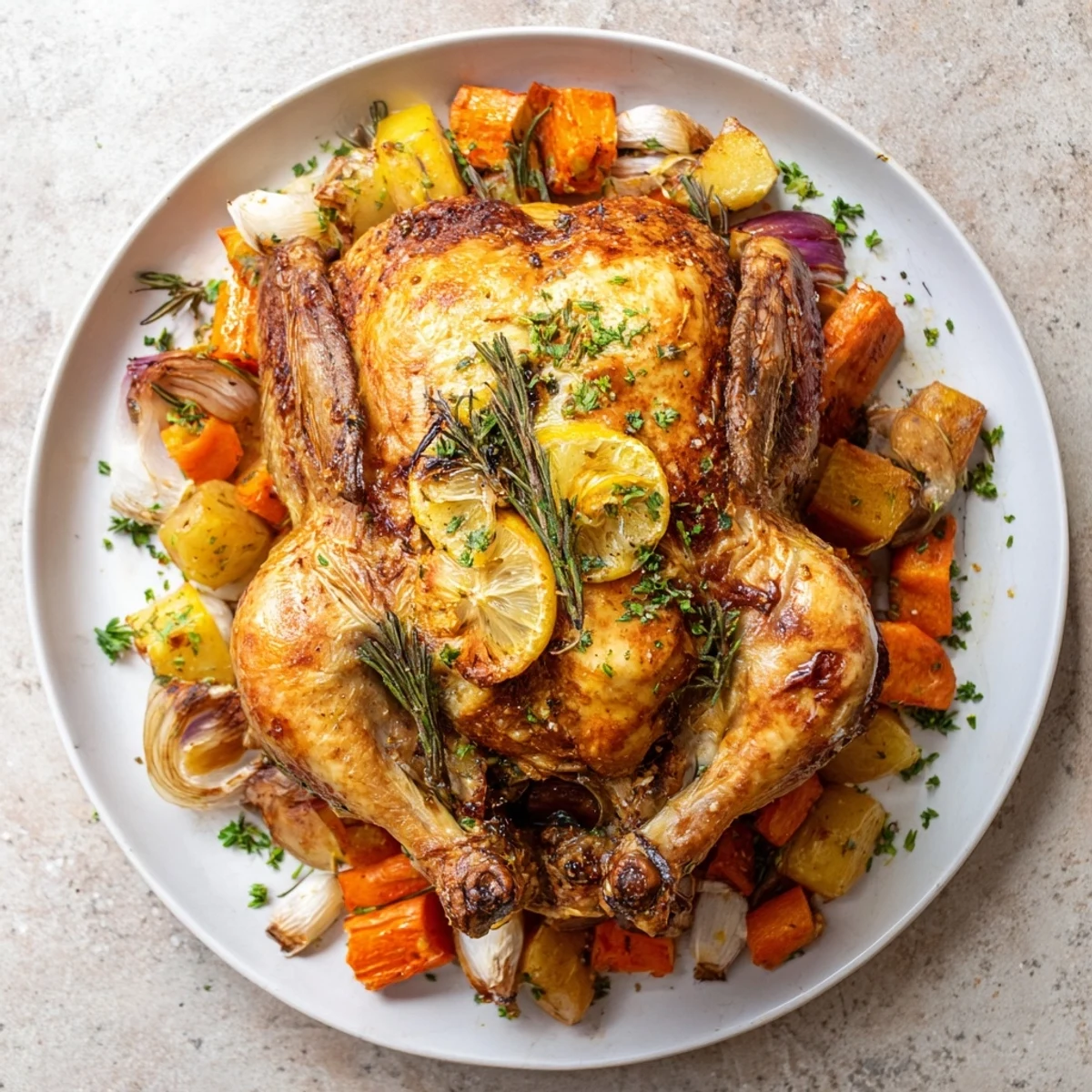
The beauty of roast chicken is that it's a canvas. You can swap the herbs entirely; sage and oregano are wonderful substitutes that shift the mood of the whole meal. The vegetables are flexible too; swap carrots for parsnips, add potatoes right to the pan, toss in whole garlic cloves. Each choice feels like you're making it specifically for whoever's sitting at your table.
What to Serve Alongside
The roasted vegetables from the pan are really all you need, but potatoes roasted separately are never unwelcome. A crisp white wine like Chardonnay cuts through the richness beautifully, or just pour a cold drink of whatever makes you happy. Simple bread to soak up the pan drippings is the kind of luxury that costs nothing but feels like everything.
The Leftovers Are a Gift
Shred any leftover chicken and you've got the foundation for soup, sandwiches, salads, or weeknight fried rice. The bones make an extraordinary stock if you're feeling ambitious; otherwise, you've already eaten the best part. A few small tips before you start: make sure your roasting pan is large enough that the bird isn't crowded, don't skip the thermometer if you're nervous, and always let someone else make the gravy from the pan drippings while you take credit.
- The chicken is done when the thigh meat pulls easily from the bone and the skin crackles when you move the pan.
- Save those pan drippings for the most effortless sauce you'll ever make.
- Leftover roasted vegetables are honestly better cold the next day as a snack straight from the fridge.
 Save
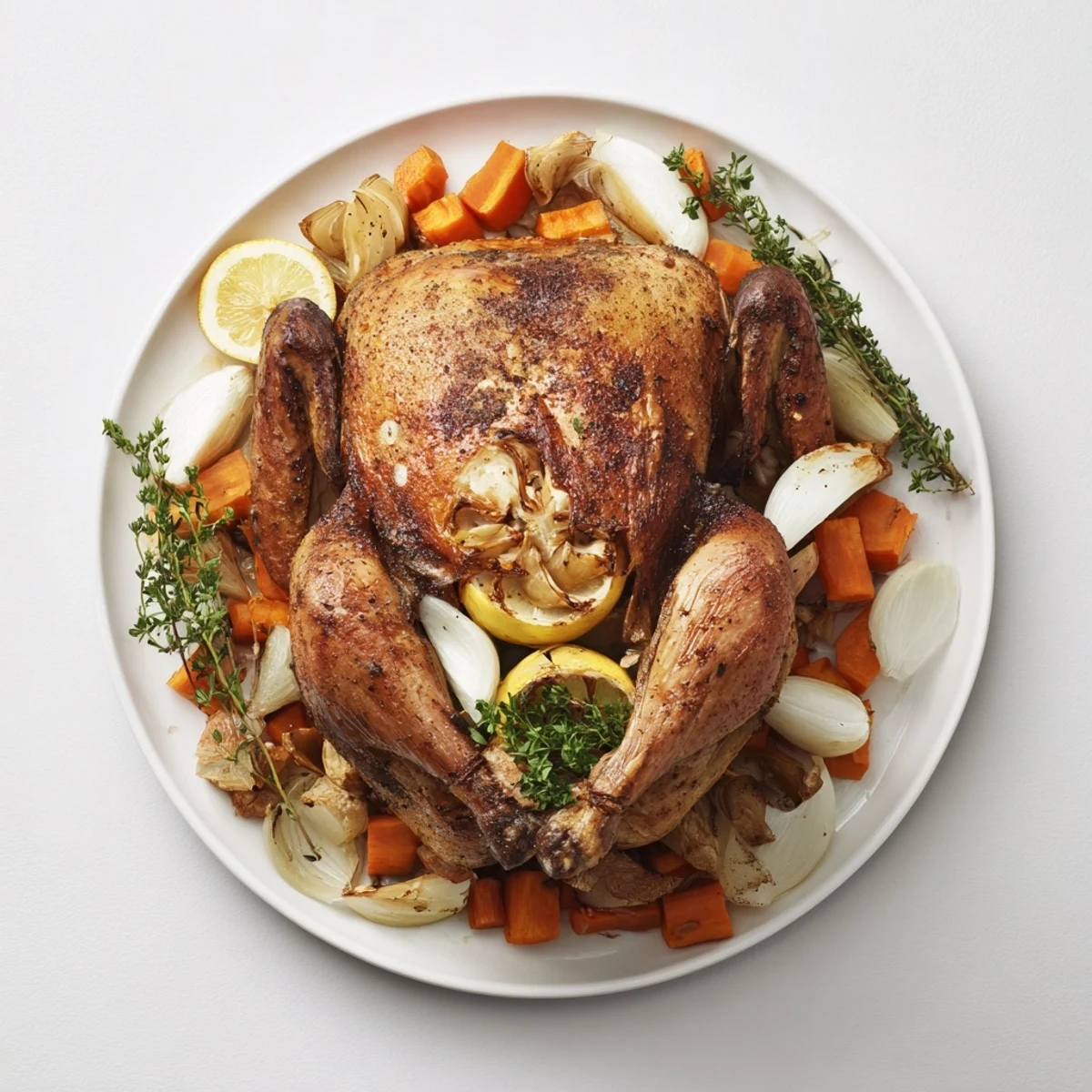
Save This recipe has fed my table through seasons and celebrations, and somehow it tastes better each time. There's no real secret, just patience and permission to keep things beautifully simple.
Recipe FAQ
- → How do I ensure crispy skin on the chicken?
-
Dry the chicken thoroughly with paper towels and leave it uncovered in the fridge for about an hour before roasting to help the skin crisp up nicely.
- → What herbs work best for roasting chicken?
-
Fresh thyme, rosemary, and parsley provide classic aromas, but sage or oregano can also be used to vary the flavor profile.
- → Can I roast the chicken and vegetables together?
-
Yes, placing the whole chicken atop the bed of carrots, onions, and celery allows the flavors to meld while roasting evenly.
- → What internal temperature indicates the chicken is done?
-
The thickest part of the thigh should reach 75°C (165°F) to ensure the chicken is fully cooked and safe to eat.
- → How long should I let the chicken rest after roasting?
-
Allow the chicken to rest for 10-15 minutes before carving to retain juices and enhance tenderness.