
 Save
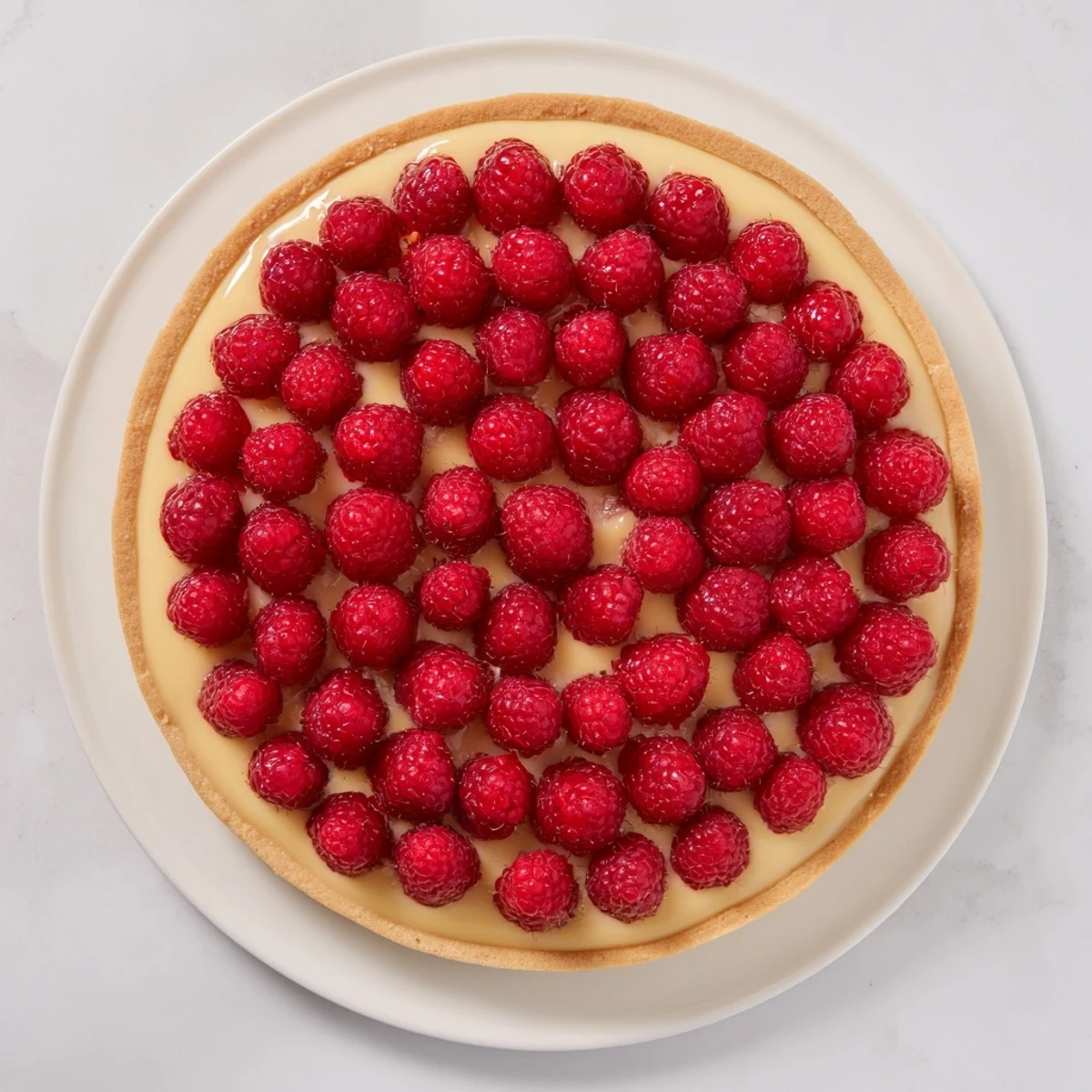
Save This classic French-style tart pairs a crisp, buttery crust with a smooth, rich pastry cream. Fresh, juicy raspberries are arranged on top, adding vibrant color and natural sweetness. The tart is baked to golden perfection, then chilled to set before serving. An optional apricot glaze adds a glossy finish and extra flavor. Perfect for summer gatherings or as a delicate dessert, it offers a balance of textures and fresh fruit brightness.
I discovered this tart on a lazy summer afternoon when a neighbor brought one over, still warm from her oven, the pastry so buttery it practically dissolved on my tongue. The way the cream filling held those jewel-like raspberries in place felt almost too elegant to actually eat, but then I did, and something clicked. Now whenever July rolls around and the farmers market overflows with berries, I find myself pulling out that tart pan, remembering how simple it really is once you understand the three parts working together.
I made this for a dinner party where I was convinced everything would fall apart, literally, and instead I somehow pulled off the most impressive dessert I'd ever attempted. My friend Sarah took one bite and asked if I'd trained professionally, which made me laugh because thirty minutes earlier I was panicking over whether the pastry cream was thick enough. That moment taught me that tarts are far more forgiving than their reputation suggests.
Ingredients
- All-purpose flour (1 1/4 cups): The foundation of your crust, and using the weight measurement keeps you from accidentally over-measuring.
- Granulated sugar (1/4 cup for crust, 1/4 cup for cream): The small amount in the dough gives it subtle sweetness without making it taste like a cookie.
- Salt (1/2 teaspoon): Brings out the butter flavor and balances the sweetness in ways you won't consciously notice but absolutely will taste.
- Unsalted butter, cold and cubed (1/2 cup): Cold butter is non-negotiable here—it creates those little pockets that make the crust flake instead of turning dense.
- Egg yolk (1 large): Binds the dough just enough to hold together without making it tough.
- Cold water (2 tablespoons): The amount you'll need varies slightly based on humidity, so add it slowly and stop when the dough barely holds together.
- Whole milk (1 1/4 cups): Full-fat milk creates the richest cream, though you can use 2% in a pinch.
- Cornstarch (2 tablespoons): Thickens the cream without needing extra egg yolks, giving you a silky texture that won't break or curdle.
- Pure vanilla extract (1/2 teaspoon): A small amount goes a long way in such a delicate custard.
- Fresh raspberries (2 cups): The star of the show—buy them the day you plan to serve the tart, and handle them like you're arranging tiny glass sculptures.
- Apricot jam (2 tablespoons, optional): Warmed with water, it creates a glossy finish and adds subtle fruity warmth.
Instructions
- Mix and chill the dough:
- Combine flour, sugar, and salt in a bowl, then cut in cold butter until the mixture looks like coarse sand with some pea-sized pieces still visible. Add the egg yolk and cold water, stirring just until you can barely squeeze the dough together—this is where most people over-mix and ruin everything, so resist the urge to make it smooth. Flatten into a disk, wrap, and chill for at least thirty minutes while you take a breath.
- Blind bake the crust:
- Roll the dough between two sheets of plastic wrap so it won't stick, then fit it into your tart pan and prick the bottom with a fork to prevent puffing. Line with parchment and pie weights (or dried beans) and bake at 350°F for fifteen minutes, then remove the weights and bake another ten minutes until the edges are golden and the bottom no longer looks damp. Let it cool completely before filling, or the pastry cream will melt everywhere.
- Make the pastry cream:
- Heat milk in a saucepan until you see small bubbles forming around the edges, then whisk together sugar, egg yolks, and cornstarch in a separate bowl until completely smooth. Slowly pour the hot milk into the egg mixture while whisking constantly—going slowly here prevents scrambled eggs, which is the disaster you're trying to avoid. Pour everything back into the saucepan and keep whisking over medium heat until it thickens enough to coat the back of a spoon, usually two to three minutes.
- Finish the cream:
- Remove from heat, stir in vanilla and butter, then press plastic wrap directly onto the surface to prevent a skin from forming. Chill until completely cold, which takes longer than you think but is essential for the tart to hold its shape.
- Assemble and chill:
- Spread the cold pastry cream evenly across the cooled crust, then arrange raspberries on top however you like—concentric circles look stunning, but honestly they taste the same any way you arrange them. If you're using the jam glaze, warm it gently with a teaspoon of water until just melted, then brush it over the berries with a soft pastry brush for a jewel-like shine.
- Final chill:
- Refrigerate the entire tart for at least one hour before serving so everything sets properly and the flavors blend together.
 Save
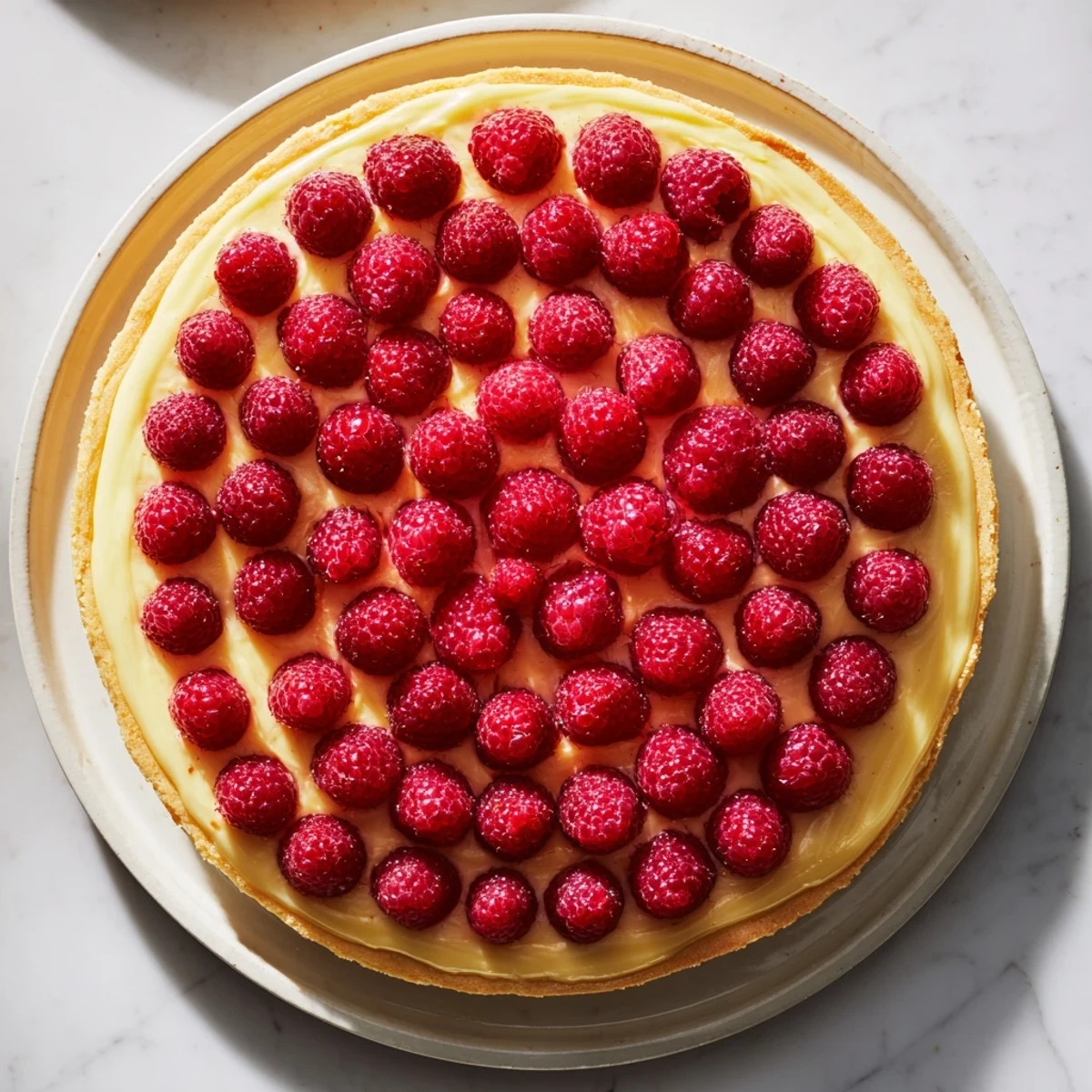
Save There's something almost sacred about the moment when you slide this tart out of the pan and everyone at the table falls silent for a second, just taking in how golden and elegant it looks. That's when I remember why I bother with recipes like this—not because they're complicated, but because they transform an ordinary evening into something worth savoring.
The Three-Part Structure That Changes Everything
What makes this tart work is understanding that each layer has a specific job and doesn't need to do anything else. The crust provides crisp structure, the cream provides cool richness, and the berries provide brightness and tartness. Once you internalize this, you realize you can swap the berries (strawberries, blackberries, or even mixed), adjust the cream flavoring (add lemon zest, or a touch of bourbon), or even play with the crust (add a tablespoon of cocoa powder for chocolate, or finely ground pistachios for nuttiness). The formula stays solid because each element knows its role.
Why Your Pastry Cream Matters More Than You Think
The pastry cream is where beginners stumble, mostly because they're afraid of the eggs and rush the process. When you add hot milk to the egg mixture too fast, you end up with scrambled pieces floating in your custard, which is unsalvageable. But when you go slow and stay patient, the heat gently cooks the eggs while the cornstarch thickens everything into silk. The direct-contact plastic wrap trick prevents a skin from forming, which matters because that skin would turn grainy if you tried to fold it back in later. Once you've successfully made this cream even once, you'll feel absurdly confident.
Timing and Temperature Are Your Quiet Allies
Everything in this recipe is easier if you respect the chill times and work with cold ingredients. Cold butter makes a flaky crust, cold water keeps the dough tender, and a cold pastry cream won't melt into the baked shell. I learned this the hard way by trying to speed things up, and the results were underwhelming every time until I finally stopped rushing. Now I build the prep into my timeline and even use the downtime to set the table or make coffee instead of watching the clock.
- Remove butter and water from the fridge just before you need them so they're as cold as possible.
- If your kitchen is warm, chill your mixing bowl and even your flour before starting the dough.
- The final hour of chilling isn't wasted time—it's when the flavors meld and the structure sets.
 Save
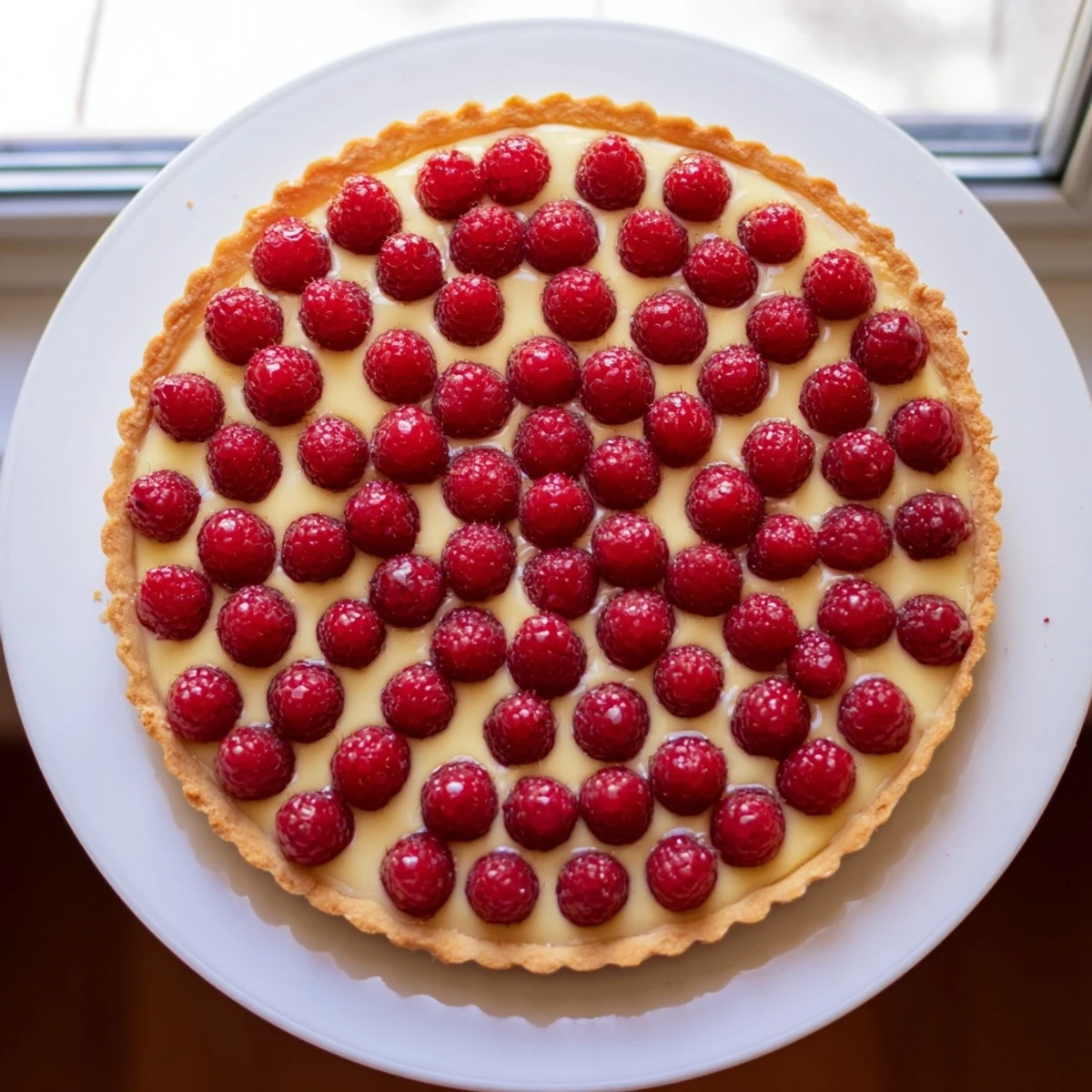
Save This tart is proof that you don't need to be a trained pastry chef to create something genuinely beautiful and delicious. Make it once and you'll understand why it's a classic.
Recipe FAQ
- → How do I achieve a crisp tart crust?
-
Use cold, cubed butter and work it quickly into flour to keep the mixture crumbly. Chill the dough before baking and blind bake with weights to prevent shrinking and ensure crispness.
- → What is the best way to ensure smooth pastry cream?
-
Whisk sugar, egg yolks, and cornstarch well before slowly adding hot milk. Cook gently while whisking constantly to thicken without lumps.
- → Can I use other berries instead of raspberries?
-
Yes, strawberries or mixed berries can be substituted to give different flavors while maintaining a fresh fruit topping.
- → How do I make the tart shine with a glaze?
-
Warm apricot jam mixed with a little water and brush gently over the fruit. This adds a glossy finish and enhances flavor.
- → Is chilling the tart necessary?
-
Yes, chilling helps the pastry cream set firmly and the crust to stay crisp until serving.