
 Save
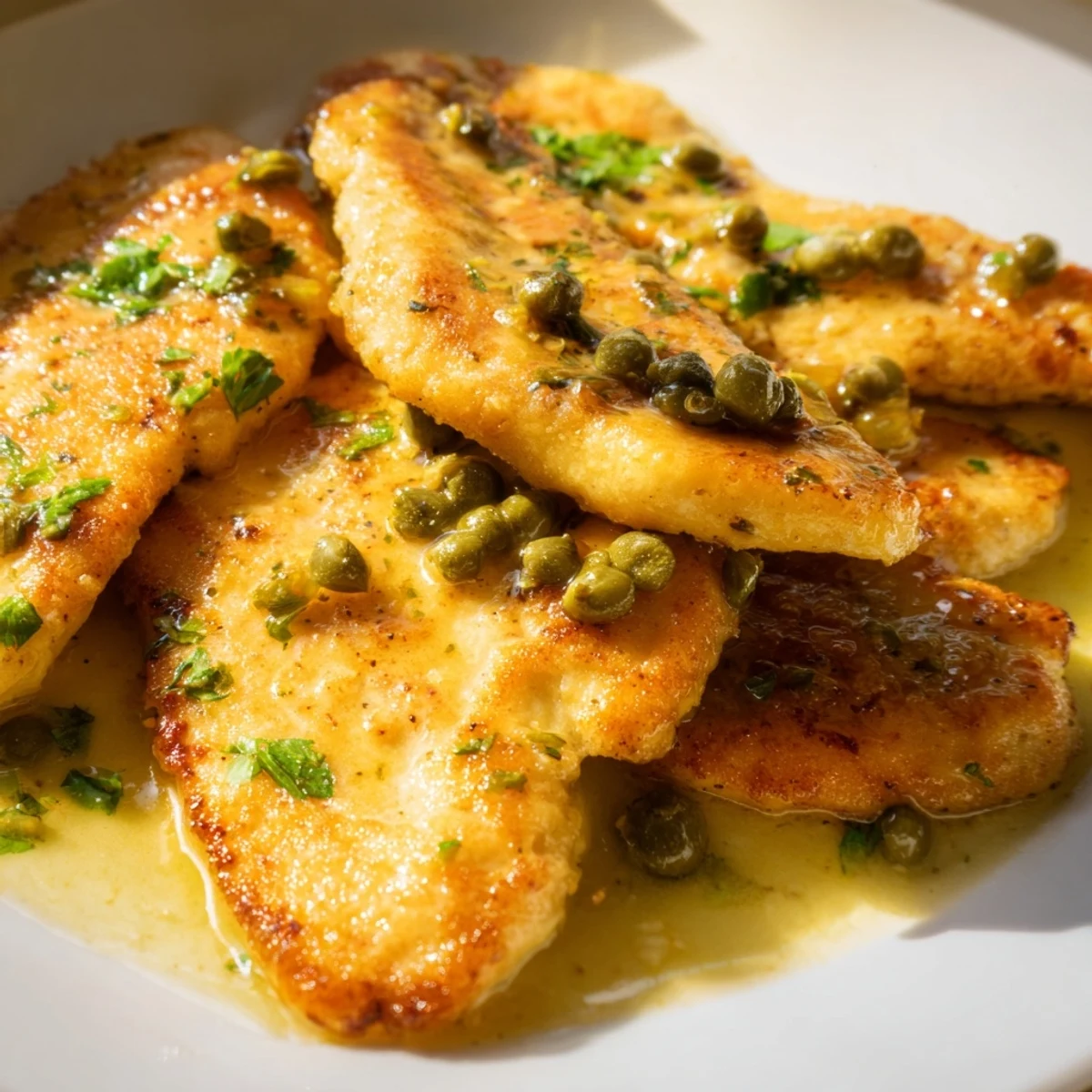
Save This dish features tender chicken cutlets lightly coated in flour, pan-seared to a golden finish. A lively sauce made with lemon juice, capers, and white wine (or broth) is simmered to a perfect blend of tangy and savory flavors. The chicken is returned to the pan to soak up the sauce before serving, garnished with fresh parsley. Ideal for a fast, flavorful meal with an Italian-American touch.
The first time I made chicken piccata, my sister called just as I was pounding the cutlets thin, and the sound of the mallet hitting the cutting board made her laugh so hard through the phone that I almost dropped one on the floor. She came over for dinner that night, and when she tasted that bright lemon sauce with the little briny capers scattered through it, she went quiet in a way that meant everything. It's the kind of dish that tastes fancy enough for company but feels so natural to make that you'll find yourself cooking it on regular weeknight evenings too.
I remember bringing this to a potluck years ago, nervous about whether it would hold up in a slow cooker for transport, but something magical happened—the flavors deepened, the sauce clung to every piece of chicken, and people kept coming back asking what made it taste so clean and bright. That was the moment I realized piccata wasn't just a restaurant dish; it was something I could confidently make whenever I needed to feel like I'd pulled off something elegant.
Ingredients
- Boneless, skinless chicken breasts: Buy the largest ones you can find and slice them horizontally yourself—it's easier than you'd think and saves money compared to buying pre-pounded cutlets.
- All-purpose flour: This is your golden coat; don't skip dredging or rush it, because that's what catches those brown, flavorful bits.
- Salt and black pepper: Simple seasoning lets the lemon and capers shine without competition.
- Olive oil: Use a good quality one you'd actually taste in a salad, because it matters here.
- Unsalted butter: Optional, but it rounds out the sauce in a way that makes your kitchen smell like someone's cooking something important.
- Dry white wine: A Pinot Grigio or Sauvignon Blanc works beautifully, or swap it for extra broth if you prefer to skip alcohol entirely.
- Chicken broth: Low-sodium is your friend so you control the salt level.
- Fresh lemon juice: Squeeze it yourself—bottled changes the whole character of the dish.
- Capers: Rinse them well to remove excess salt, then taste one before adding to the sauce so you know what you're working with.
- Fresh parsley: Chop it just before serving so it stays bright green and fragrant.
Instructions
- Pound your chicken to even thickness:
- Place each breast between two sheets of plastic wrap and use a meat mallet or even a rolling pin to gently pound until the cutlets are about 1/2 inch thick all over. This matters because even cooking means tender chicken, not dried-out edges with undercooked centers.
- Set up your dredging station:
- Mix flour, salt, and pepper in a shallow dish and have your cutlets ready nearby. Dredge each one, coating both sides, then shake off any excess flour so you don't end up with a thick, pale crust instead of a golden-brown one.
- Get the pan hot and cook the chicken:
- Heat olive oil and 1 tablespoon of butter over medium-high heat until it shimmers and smells nutty. Add chicken cutlets in a single layer and let them sit without moving for 2–3 minutes until the bottom is golden, then flip and cook the other side. Work in batches if your pan is crowded, because crowding drops the temperature and gives you pale, steamed chicken instead of what you want.
- Deglaze and build the sauce:
- Move the cooked chicken to a plate, then lower the heat to medium and pour in the wine, scraping up every brown bit stuck to the bottom—that's pure flavor. Let it bubble down by half, then add chicken broth, lemon juice, and capers, simmering just long enough for the sauce to thicken slightly and the flavors to merge.
- Finish and serve:
- Return the chicken to the pan, spoon the sauce over top, and let it warm through for a minute or two. Stir in the remaining tablespoon of butter if you're using it—it makes the sauce silky and luxurious. Scatter fresh parsley over everything and serve immediately so the parsley is still bright and the chicken is at its best.
 Save
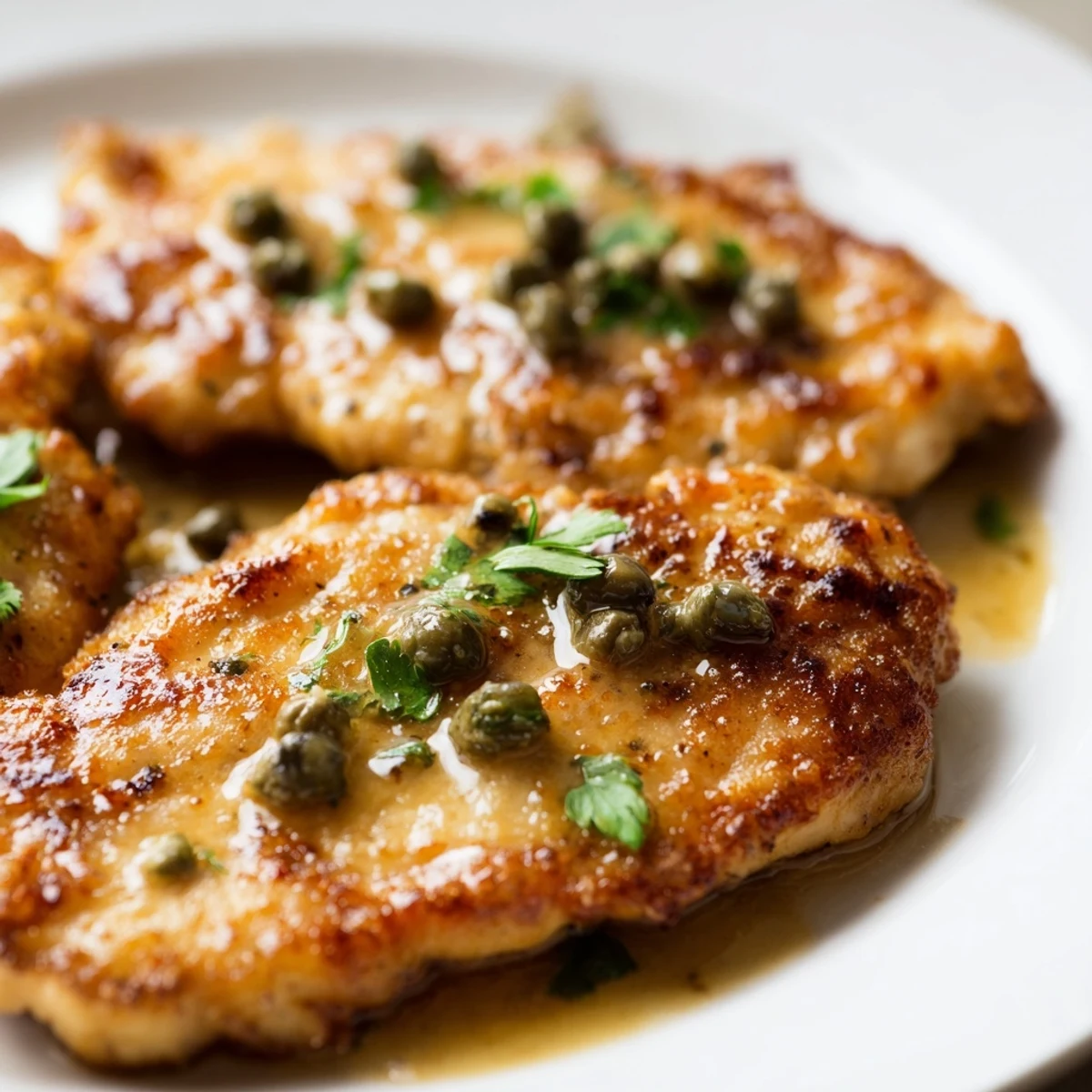
Save There's a moment when you pour that golden sauce over the chicken and watch it catch the kitchen light that you realize why people loved this dish enough to keep making it for generations. It's simple enough that a beginner feels capable, but elegant enough that it makes you feel proud to serve it.
What Makes This Dish Sing
Piccata lives and dies by contrast—the tender chicken, the bright acid of lemon, the salty bite of capers, and that luxurious, buttery sauce all playing against each other. The beauty is that none of these flavors gets lost or overpowers the others; they balance perfectly in the 15 minutes it takes to cook. This is comfort food that doesn't feel heavy, and elegant food that doesn't feel fussy.
Serving and Pairing Ideas
Piccata is flexible enough to pair with almost anything, but it shines alongside something simple that won't compete with those bright, clean flavors. Angel hair pasta soaks up the sauce like it was made for it, buttery rice lets the chicken be the star, or a quick sauté of zucchini and summer squash keeps everything light and fresh. A crisp white wine with good acidity—Pinot Grigio, Sauvignon Blanc, or even a Vermentino—echoes those lemon notes and makes the whole meal feel intentional.
Small Tweaks That Change Everything
Once you've made this a few times and feel confident with the basic technique, piccata becomes your playground. Swap out the parsley for fresh basil or dill, add a splash of cream to the sauce for richness, throw in some sliced mushrooms while you're building the sauce, or use this exact method with thin pork chops, fish fillets, or even eggplant slices. The technique is what matters, and once you own it, you can make piccata taste a dozen different ways depending on what's in your kitchen and what you're craving.
- Taste your capers before adding them—some brands are saltier than others, so adjust seasoning accordingly.
- If you make this ahead, store the chicken and sauce separately and gently reheat them together so the chicken doesn't toughen.
- A squeeze of fresh lemon juice right at the table brings the whole dish back to life after reheating.
 Save
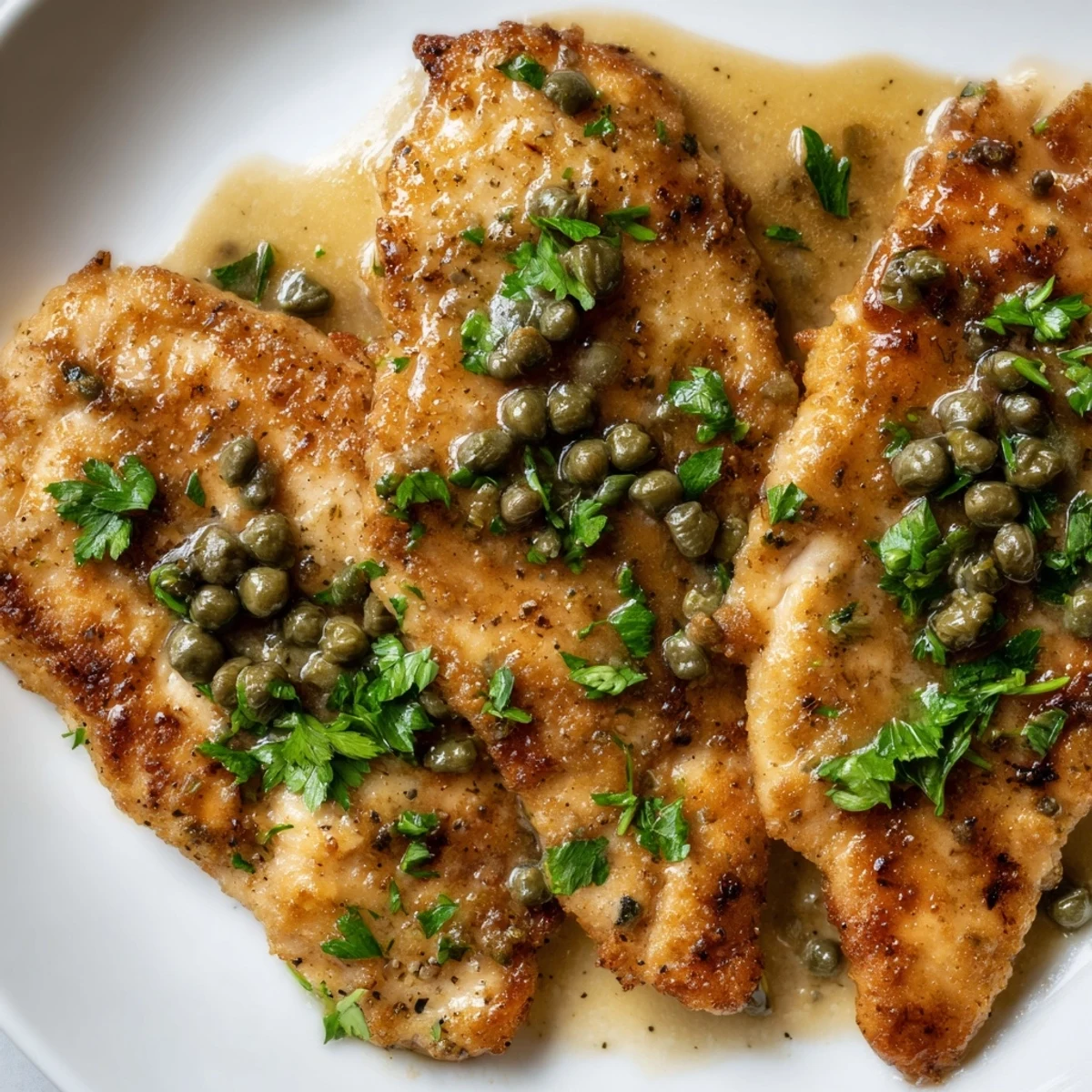
Save Chicken piccata taught me that the most elegant meals often come from the simplest techniques and the best ingredients treated with respect. Make this tonight.
Recipe FAQ
- → What cut of chicken is best for this dish?
-
Boneless, skinless chicken breasts sliced into cutlets work best for even cooking and tender results.
- → How can I make the sauce thicker?
-
Allow the sauce to simmer a few extra minutes after adding lemon and capers, which helps reduce and thicken it naturally.
- → Can I substitute butter in the sauté step?
-
Yes, olive oil alone works well for a dairy-free version while maintaining flavor and moisture.
- → What side dishes complement this preparation?
-
Serve alongside pasta, steamed rice, or sautéed vegetables for a balanced and satisfying meal.
- → Are there alternatives to capers for the sauce?
-
If unavailable, chopped green olives can provide a similar briny, tangy punch in the sauce.