
 Save
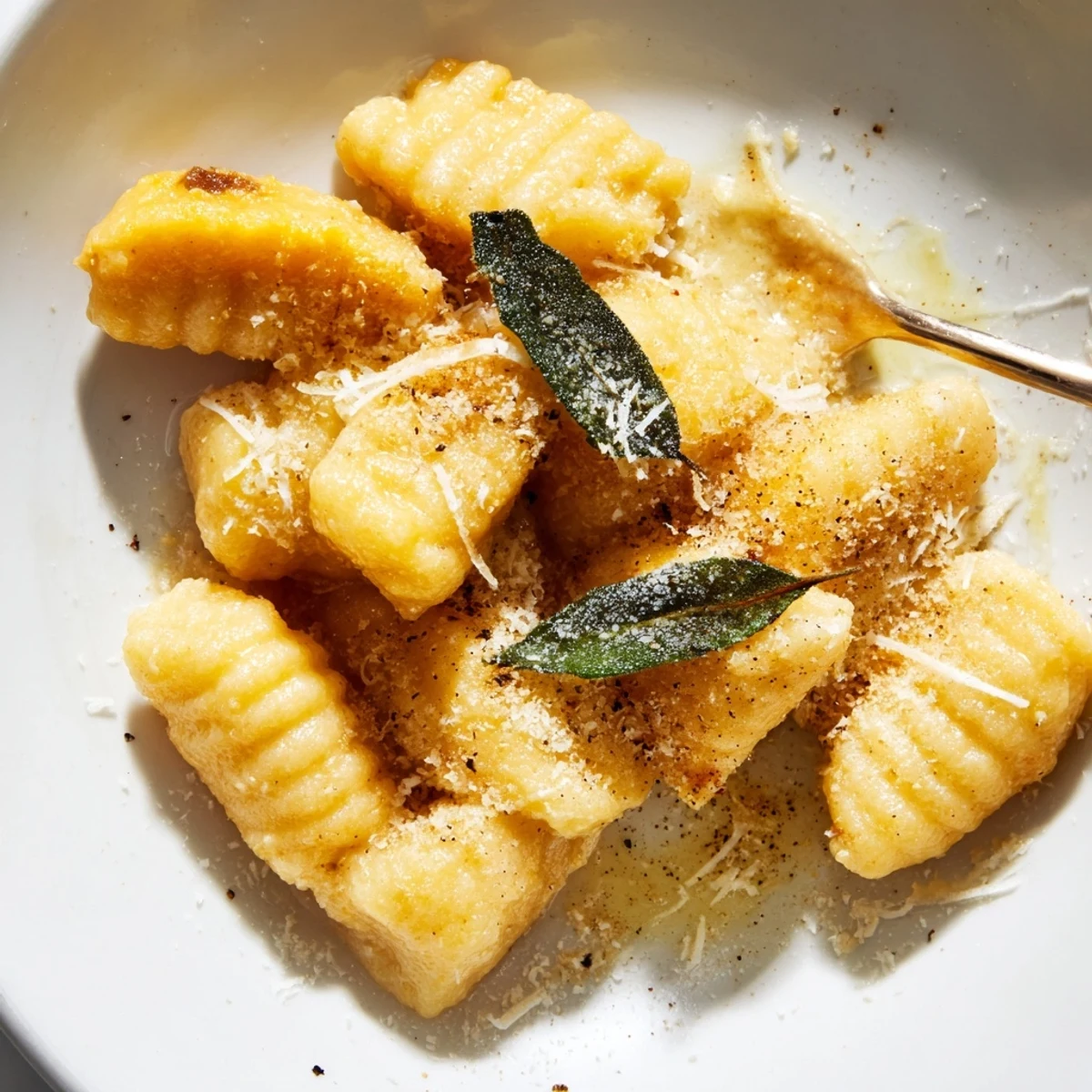
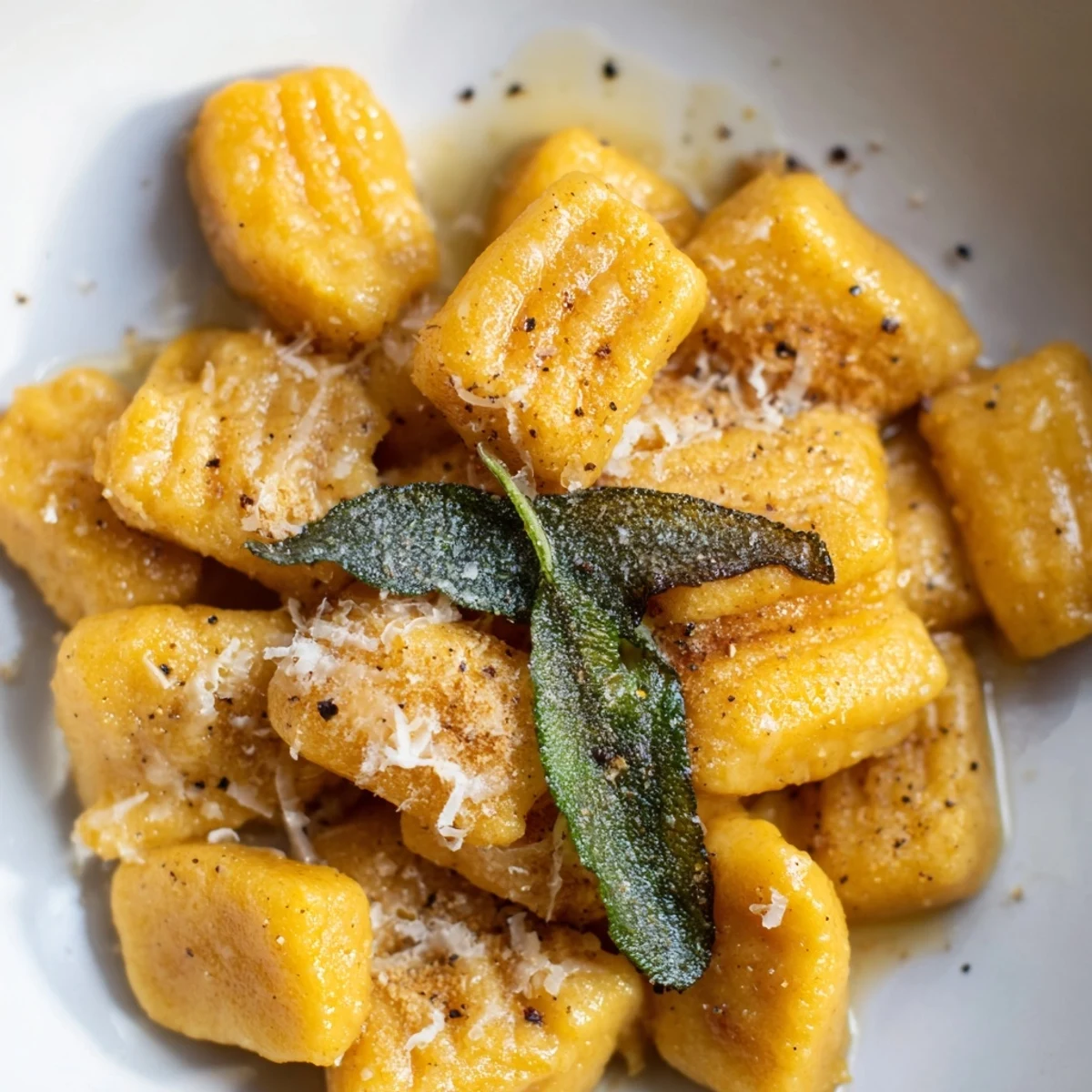
Save This dish features tender gnocchi crafted from roasted butternut squash and Parmesan, gently boiled until they float. Tossed in an aromatic butter sauce infused with fresh sage, each bite offers a comforting blend of nutty and savory flavors. Lightly seasoned with nutmeg and black pepper, it brings an elegant touch to autumnal or festive meals. Serve with extra Parmesan and a twist of black pepper for an inviting, homestyle Italian experience.
There's something almost magical about the moment butternut squash transforms from a hard, intimidating gourd into silky purée. I discovered this gnocchi on a October evening when I had half a roasted squash left over and an inexplicable craving for something pillowy and warm. What started as improvisation became one of those dishes I now make deliberately, especially when I want to impress without fussing.
I made this for my sister's birthday dinner, and she took one bite, closed her eyes, and asked if I'd finally learned to cook. The roasted squash sweetness with that nutty butter and crispy sage leaves created this perfect balance that felt both elegant and deeply comforting at the same time.
Ingredients
- 1 medium butternut squash (about 2 lbs / 900 g): Choose one with a dull, tan skin and no soft spots—it should feel heavy for its size, which means it's full of moisture and sweetness.
- 1 large egg: This is your binding agent, so use a room temperature egg if you can; it incorporates more smoothly into the dough.
- 1/2 cup (50 g) freshly grated Parmesan cheese: Freshly grated makes all the difference in texture—pre-grated cheese has anti-caking agents that change how the dough behaves.
- 1 cup (125 g) all-purpose flour, plus extra for dusting: Measure by spooning flour into your cup and leveling it off; too much flour makes gnocchi dense and heavy.
- 1/2 teaspoon fine sea salt: Taste your squash purée first—it might already have sweetness you want to balance.
- 1/4 teaspoon ground nutmeg (optional): A whisper of this spice echoes the natural sweetness of the squash without announcing itself.
- 4 tablespoons (60 g) unsalted butter: This is your sauce foundation, so use real butter; it matters more here than in almost any other preparation.
- 6–8 fresh sage leaves: Fresh sage is crucial—dried sage tastes dusty by comparison and won't give you that crispy, nutty quality when it browns.
- Salt and freshly ground black pepper: Have these within arm's reach; you'll adjust them at the very end.
Instructions
- Roast the squash until it yields to a fork:
- Halve your squash, scoop out the seeds with a sturdy spoon, and lay the halves cut-side down on a lined baking sheet. After 35 to 40 minutes at 400°F, the flesh should be so tender that a knife glides through it. You'll know it's ready when the kitchen smells sweet and toasted.
- Cool and purée until silky smooth:
- Let the squash cool just enough to handle, then scoop the soft flesh away from the skin. Mash it smooth with a potato masher or pulse it quickly in a food processor—no lumps allowed. Measure out exactly 1 1/2 cups and let it cool completely, or the egg will scramble when you mix it in.
- Build your dough gently:
- Combine the cooled squash, egg, Parmesan, salt, and nutmeg in a bowl, then add flour slowly while mixing with a fork, then your hands. Stop as soon as a soft, slightly sticky dough comes together—overworking develops gluten, which makes gnocchi tough instead of tender.
- Shape with light hands:
- Flour your work surface generously and divide the dough into four pieces. Roll each into a rope about 3/4 inch thick, then cut into 1-inch pieces with a floured knife. The ridges you create by rolling each piece over a fork aren't just decorative—they catch the butter sauce and help it cling to each gnocchi.
- Cook until they bob to the surface:
- Drop gnocchi into gently boiling salted water in batches so they have room to move. They'll sink at first, then float after 2 to 3 minutes—that's your signal. Use a slotted spoon to transfer them to a plate; they're delicate right now.
- Toast the butter and sage together:
- In a large skillet over medium heat, melt the butter and watch as it froths and turns golden brown, about 2 to 3 minutes. Add sage leaves and let them sizzle and crisp—you're listening for that gentle crackling sound.
- Toss everything together gently:
- Add your cooked gnocchi to the skillet and turn them carefully with a wooden spoon so they're coated in that golden, fragrant butter. A minute or two is all they need—you're just warming them through and making sure every piece gets its turn in the sauce.
 Save
Save The first time someone told me these gnocchi reminded them of their grandmother's cooking, even though they'd never had butternut squash gnocchi before, I understood something essential about food. It's not always about being technically perfect; it's about creating something that feels like home, even if home is somewhere new.
The Art of Butternut Squash Preparation
Roasting is non-negotiable here because it concentrates the squash's natural sugars and brings out a subtle caramelized depth that steaming or microwaving simply cannot match. The slower, gentler heat of a 400°F oven transforms the flesh into something almost custard-like, which is exactly what you need for tender gnocchi. When the squash is done, the skin practically releases the flesh—this is your sign that you've nailed it.
Working with the Dough
Gnocchi dough is more forgiving than pasta dough, but it still demands respect and a light touch. The moment you feel a cohesive dough forming, stop mixing immediately; every extra fold or knead tightens the gluten and makes the finished gnocchi rubbery. If your dough seems too sticky to shape, chill it in the refrigerator for 15 minutes rather than reaching for more flour. Think of it like handling bread dough—enthusiasm can work against you.
Variations and Flavor Companions
While sage and butter are the classic pairing, this gnocchi has a gentle enough flavor that it welcomes experimentation. A squeeze of fresh lemon juice brightens the butter sauce beautifully, adding an unexpected zip that cuts through the richness. Thyme or rosemary bring their own earthy notes if you're in the mood for something different, and a small handful of crispy pancetta or prosciutto transforms this into a more substantial main course.
- Try tossing in some toasted pine nuts or walnuts for textural contrast and a hint of bitterness.
- A drizzle of truffle oil after plating feels indulgent but tastes like you barely lifted a finger.
- Brown the gnocchi in butter after boiling for a second time if you want a slight crisp on the outside.
 Save
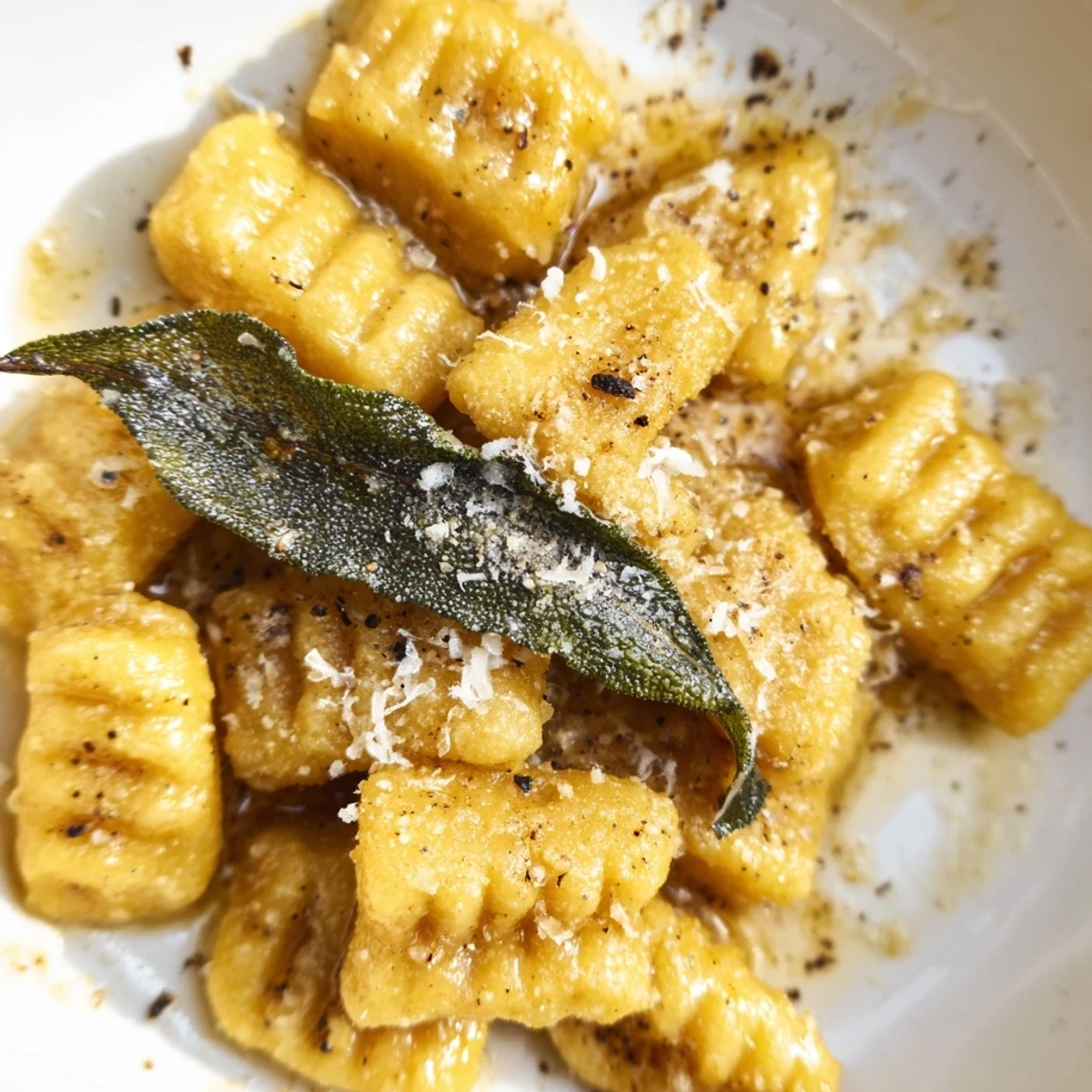
Save This dish proves that some of the most memorable meals come from simplicity and respect for a few good ingredients. Every time you make it, you're creating a moment worth savoring.
Recipe FAQ
- → How do I know when the gnocchi are cooked?
-
They float to the surface of boiling water in about 2–3 minutes, signaling they're ready to remove.
- → Can I substitute the sage in the butter sauce?
-
Yes, thyme or rosemary provide lovely alternative herbal notes for the butter sauce.
- → What is the best way to shape the gnocchi?
-
Roll dough into ropes, cut into 1-inch pieces, and optionally press with a fork to create ridges that hold sauce well.
- → How can I achieve a crispier finish on the gnocchi?
-
After boiling, sauté the gnocchi gently in the butter sauce until golden on edges for added texture.
- → What pairs well with this dish?
-
A light white wine like Pinot Grigio complements the butter and squash flavors beautifully.