
 Save
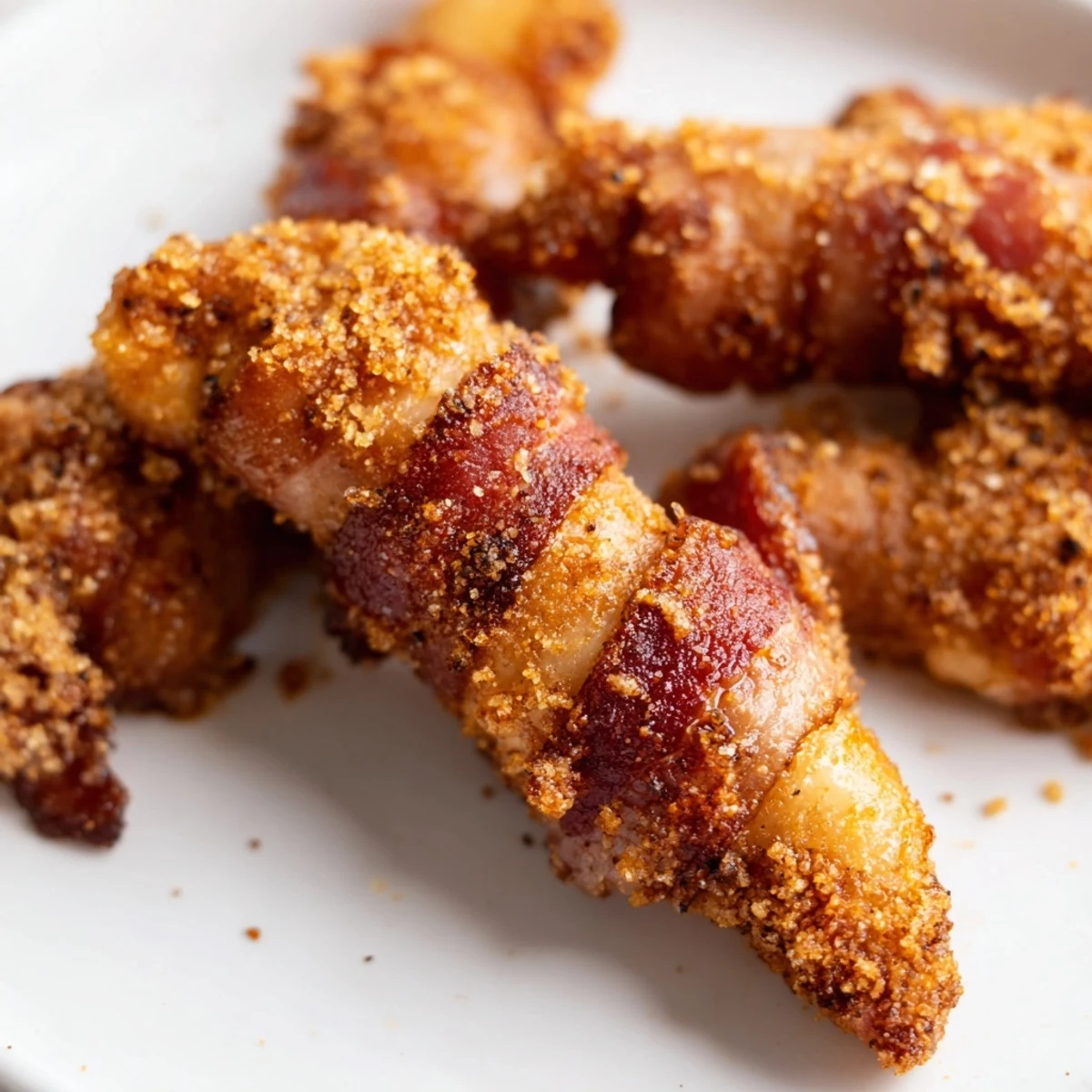
Save These chicken tenders combine the smoky richness of bacon with the sweet depth of brown sugar for an irresistible sweet and savory flavor profile. The preparation is straightforward: season the chicken, wrap each piece in bacon, coat with the spiced sugar mixture, and bake until crispy. The brown sugar creates a beautiful caramelized exterior while keeping the meat inside moist and tender.
Perfect for busy weeknights, this dish requires only 15 minutes of prep time and 30 minutes in the oven. The wire rack method ensures even cooking and lets excess fat drip away for a lighter result. Serve them as a main course with your favorite sides or offer them as appetizers at your next gathering.
The combination of smoked paprika, garlic powder, and optional cayenne adds layers of flavor that complement the bacon and sugar beautifully. For those who love extra caramelization, a quick broil at the end creates that restaurant-quality finish.
The smell of bacon and brown sugar caramelizing together is enough to make anyone abandon whatever they are doing and wander into the kitchen. My neighbor actually knocked on my door the first time I made these, asking what was cooking because the aroma had drifted through her open window. These tenders hit that perfect sweet spot between weeknight easy and company impressive.
I made these for a super bowl gathering thinking they would be a minor player among the spreads of wings and nachos. They disappeared first, and three people asked for the recipe before halftime.
Ingredients
- Chicken tenders: One pound works perfectly for four people and the tender cut stays juicy without any effort.
- Salt and pepper: Just half a teaspoon of each to season the chicken before wrapping.
- Light brown sugar: Packed firmly so you get that thick caramelized coating that makes these irresistible.
- Smoked paprika: Adds depth and ties the sweet brown sugar to the smoky bacon beautifully.
- Garlic powder: A quarter teaspoon is all you need for background savory notes.
- Cayenne pepper: Optional but worth it if you like a little warmth cutting through the sweetness.
- Bacon: Eight slices cut in half gives you sixteen pieces to wrap each tender perfectly.
Instructions
- Prep your setup:
- Heat the oven to 400 degrees and line a baking sheet with parchment or foil, then set a wire rack on top so the bacon crisps all around.
- Season the chicken:
- Pat the tenders dry with paper towels and sprinkle both sides with salt and pepper so the seasoning actually sticks.
- Make the coating:
- Stir together the brown sugar, smoked paprika, garlic powder, and cayenne in a shallow bowl until evenly mixed.
- Wrap with bacon:
- Wrap each tender with a half slice of bacon, overlapping slightly, and secure with a toothpick if the bacon feels loose.
- Coat completely:
- Roll each bacon wrapped tender in the sugar mixture, pressing gently so the coating adheres to every bit of bacon.
- Arrange for air flow:
- Place the tenders on the wire rack with space between them so the hot air circulates and crisps the bacon evenly.
- Bake and flip:
- Bake for 25 to 30 minutes, flipping once halfway through, until the bacon looks crispy and the chicken reaches 165 degrees inside.
- Rest before serving:
- Let them sit for five minutes so the juices redistribute, and remember to pull out any toothpicks before digging in.
 Save
Save These tenders have become my answer when someone asks me to bring an appetizer but I do not want to show up empty handed or overly complicated.
Getting That Perfect Crust
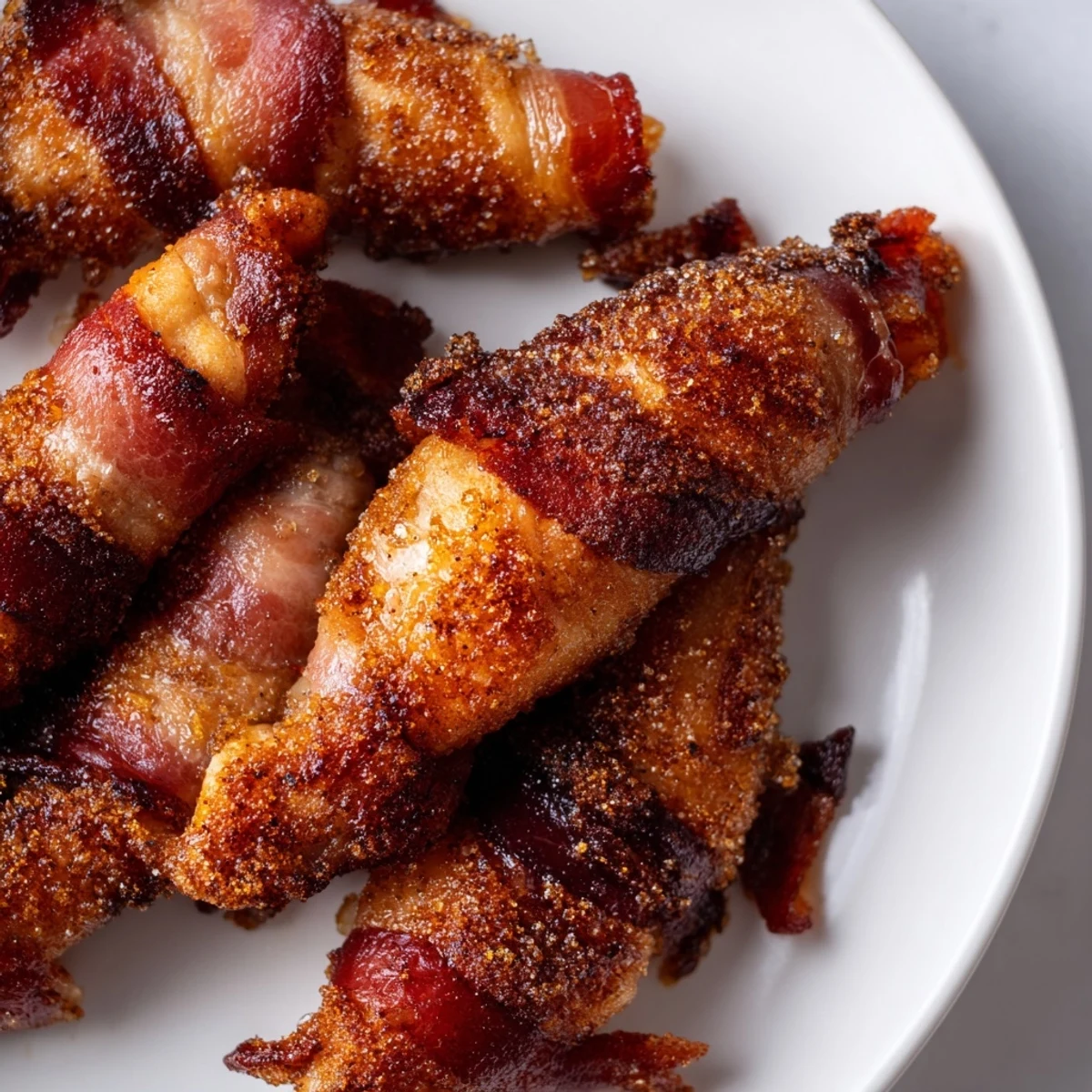
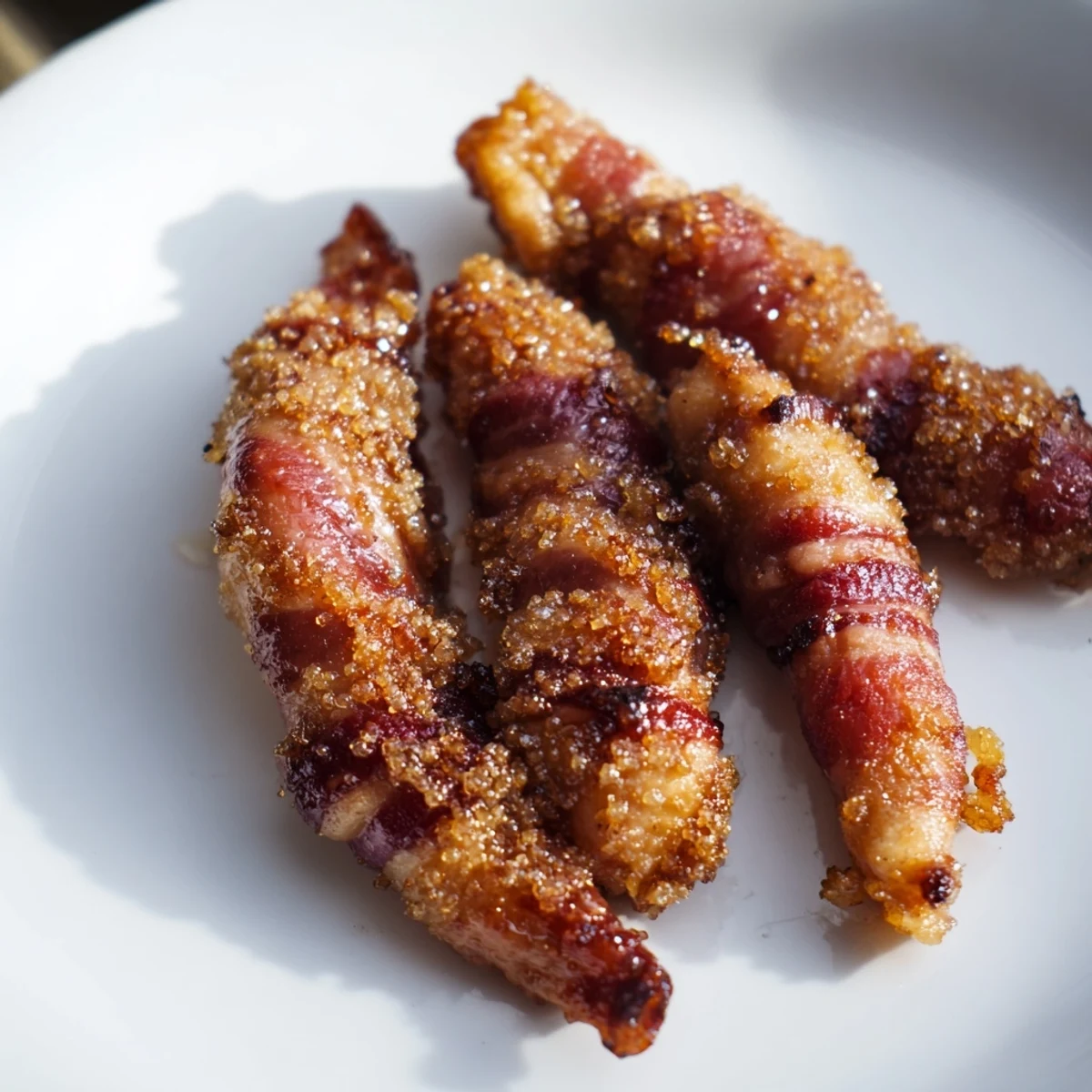
The magic happens when the brown sugar melts into the bacon fat and creates this glossy, crackling exterior. Do not skimp on pressing the sugar mixture into the bacon because those bare spots will haunt you when you see them come out of the oven.
Making It Your Own
Try turkey bacon if you want something lighter, though it will not crisp quite the same way. A pinch of chili flakes in the sugar mix adds a slow burn that plays beautifully against all that sweetness.
Serving Ideas
These work as a main dish over a crisp salad or cut into pieces for party toothpick appetizers that vanish in minutes.
- Broil for one minute at the end if you want extra caramelization but do not walk away.
- A creamy ranch or honey mustard situation on the side is never a bad idea.
- Leftovers reheat surprisingly well in a skillet the next day.
 Save
Save Once you smell these cooking you will understand why they have earned a permanent spot in my dinner rotation.
Recipe FAQ
- → How do I prevent the brown sugar from burning?
-
Keep an eye on the tenders during the last 5 minutes of baking. If you notice the sugar darkening too quickly, tent the pan loosely with foil. For extra caramelization, broil for just 1-2 minutes at the end and watch constantly.
- → Can I prepare these chicken tenders ahead of time?
-
Yes, you can wrap the chicken in bacon and coat with the sugar mixture up to 24 hours in advance. Store them covered in the refrigerator and bake when ready to serve. They may need an extra 2-3 minutes in the oven if baked cold from the refrigerator.
- → What dipping sauces pair well with these tenders?
-
Ranch or blue cheese dressing provides a cool contrast to the sweet and salty flavors. Honey mustard, maple BBQ sauce, or a spicy sriracha mayo also work beautifully. For a lighter option, serve over fresh greens with a vinaigrette.
- → Can I use regular brown sugar instead of light brown sugar?
-
Yes, dark brown sugar will work fine and will add a slightly deeper molasses flavor. The coating may be a bit darker due to the higher molasses content, so watch carefully toward the end of baking time.
- → What's the purpose of the wire rack during baking?
-
The wire rack allows air to circulate around the chicken tenders for even cooking on all sides. It also lets excess bacon fat drip away, resulting in crispier bacon and a lighter final dish. If you don't have a wire rack, you can place the tenders directly on parchment-lined baking sheet.
- → How do I know when the chicken is fully cooked?
-
The chicken is done when the bacon is crispy and browned, and the internal temperature reaches 165°F (74°C) when measured with a meat thermometer. Cut into one tender to verify the meat is opaque throughout and no longer pink.