
 Save
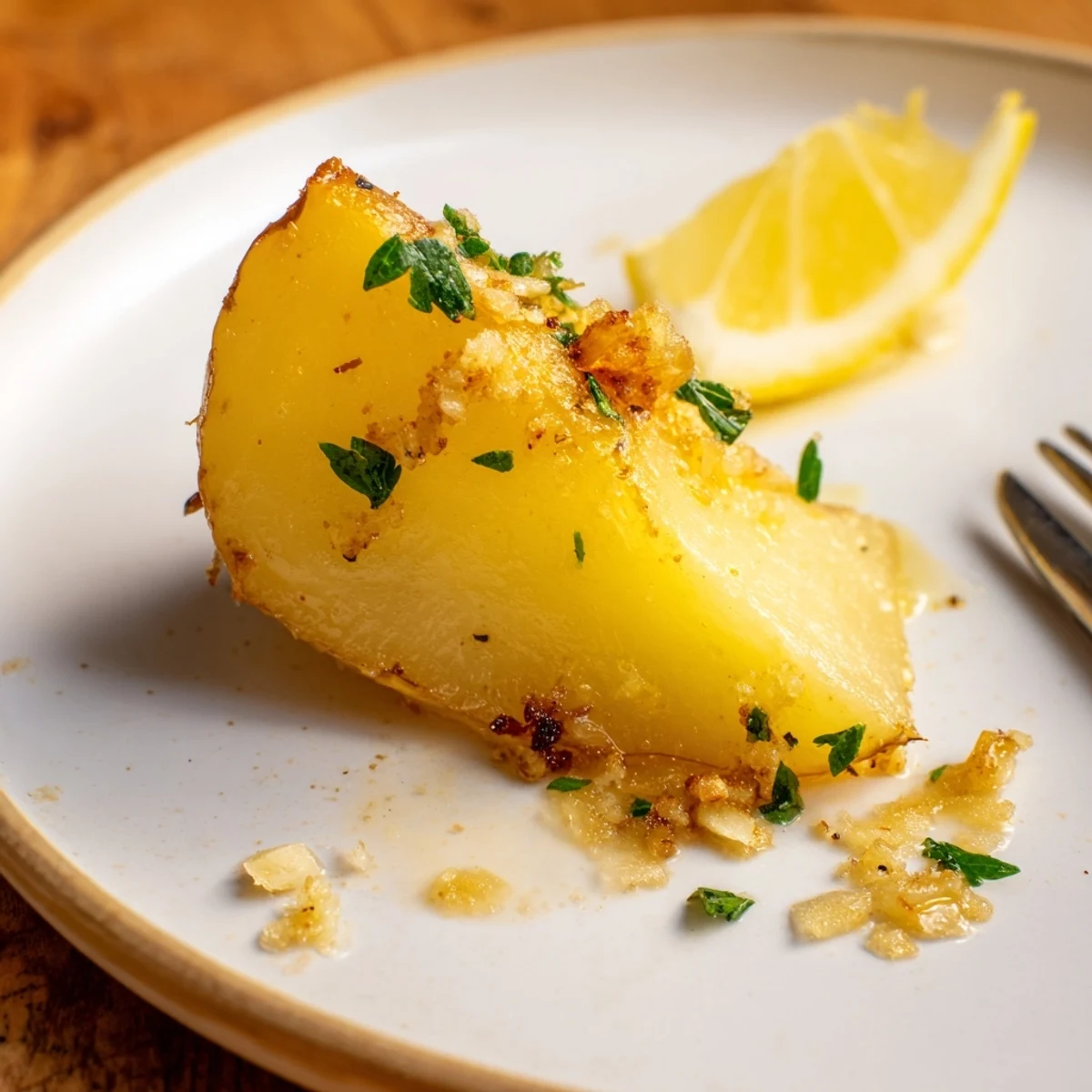
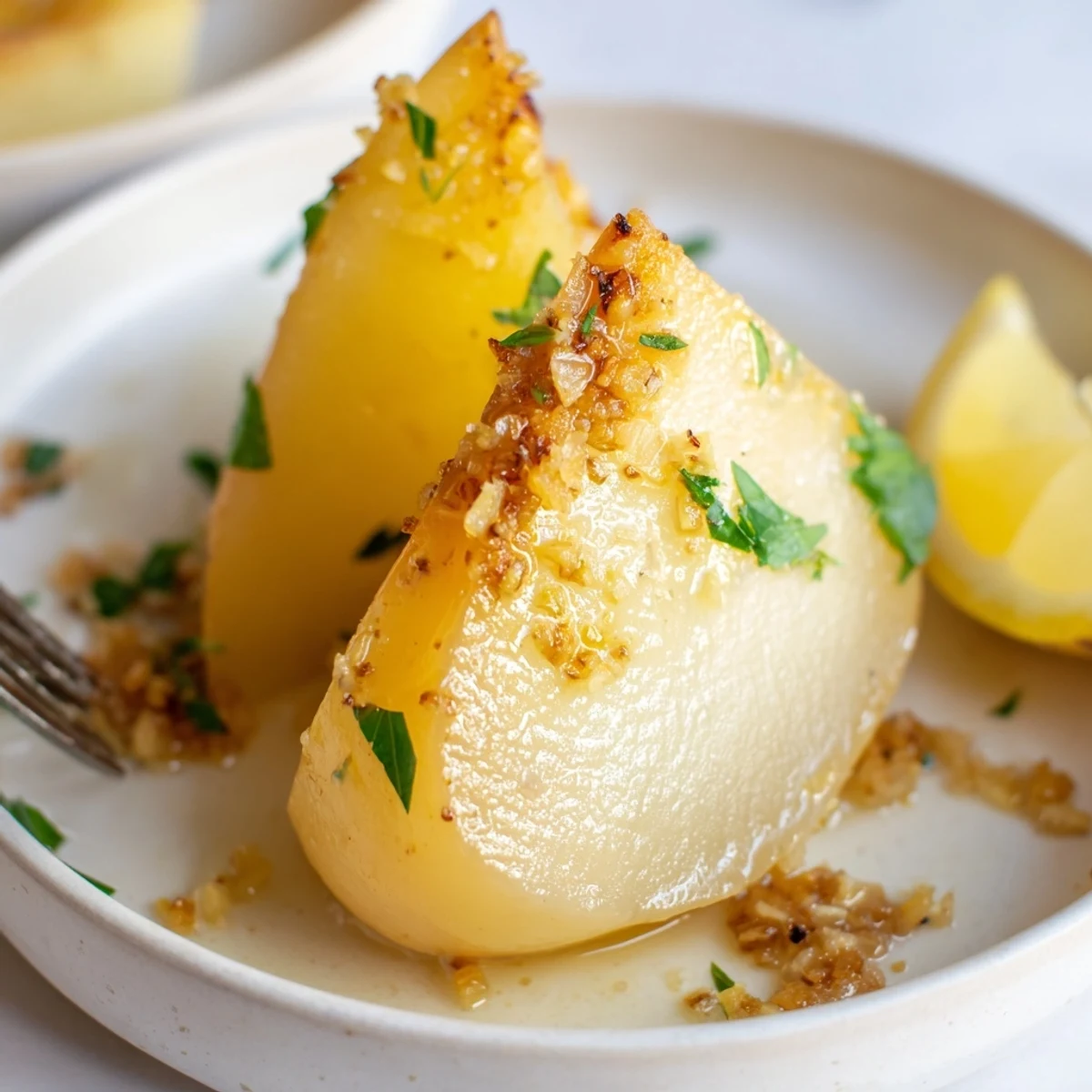
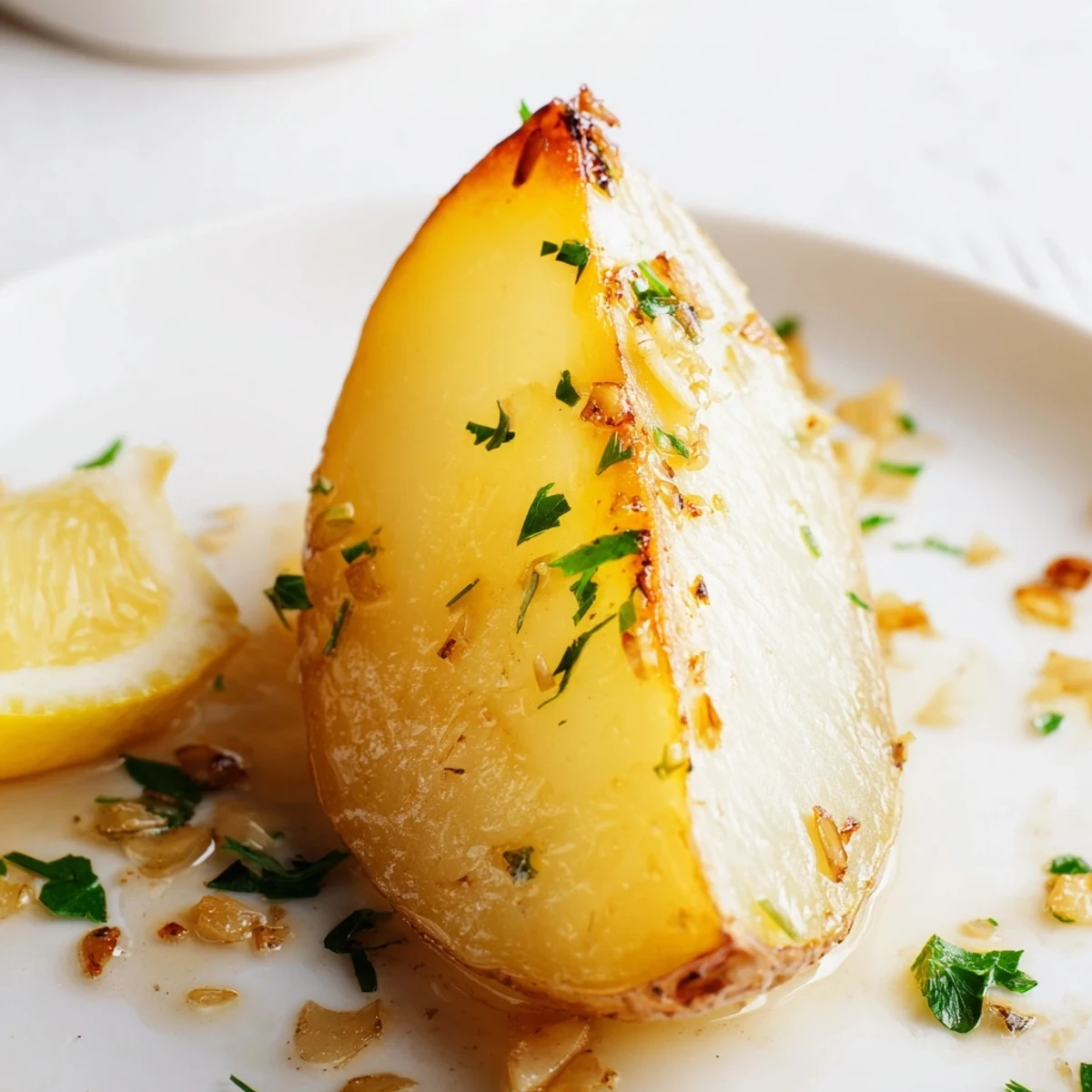
Save These oven-roasted Greek lemon potatoes use Yukon Gold wedges coated in olive oil, fresh lemon juice, garlic, oregano, salt and pepper, then bathed with vegetable broth. Roast at 400°F until tender, baste, then finish at 425°F for golden, crisp edges. Total cook ~1h15; broil 2–3 minutes for extra crunch. Garnish with parsley and serve with lemon wedges or crumbled feta for a bright Mediterranean side.
The smell of garlic and lemon wafting from my oven the first time I made Greek lemon potatoes was like a welcome home hug—zingy, warm, and promising comfort. I didn't expect a side dish to be the star, but the golden potato wedges, nestling in their citrusy puddle, quietly stole the whole table's attention. Sometimes a simple ingredient, like a humble potato, transforms with just a flick of olive oil and handful of dried oregano. This dish always feels like sunshine—no matter what’s happening outside my window.
Last spring, my neighbor and I planned an impromptu backyard dinner—she brought roasted eggplant, I tossed these potatoes in just before guests arrived. As we rushed to set the table, the herby scent drifting out made everyone abandon small talk and actually hurry to the kitchen. Even the kids, suspicious as ever about anything green, couldn't resist sneaking a wedge or two before we’d even served up the main.
Ingredients
- Yukon Gold potatoes: Their creamy texture and golden color is unbeatable here—I've learned they outshine other varieties for roasting.
- Extra virgin olive oil: Go for the good stuff, as it truly soaks into every bite and enhances the aroma.
- Fresh lemon juice: Using fresh lemons makes a huge difference in brightness—a reamer is handy.
- Garlic: Mince it fine for maximum infusion, but don’t use pre-chopped from a jar or you’ll miss out on that punch.
- Vegetable broth: The potatoes absorb all its savory depth, so pick a broth that you’d gladly sip on its own.
- Dried oregano: A staple herb for Mediterranean dishes; I crush it lightly in my palm to release more fragrance.
- Salt & black pepper: The duo that draws out all the best from potatoes—don’t skimp, but taste as you go.
- Fresh parsley: Adding it just before serving brightens the whole dish—skip it if you’re in a hurry, but I never do.
- Lemon wedges: A squeeze at the table wakes everything up—sidekick perfection, but optional.
Instructions
- Get the oven going:
- Preheat your oven to 400°F (200°C); you want it hot right from the start to encourage crisp edges.
- Mix up the marinade:
- In your biggest baking dish, whisk olive oil, lemon juice, garlic, broth, oregano, salt, and black pepper until the mixture looks slightly cloudy and smells bright.
- Dress the potatoes:
- Add potato wedges, then use your hands or a spatula to toss them around until every surface glistens, arranging them in a comfy single layer.
- Roast round one:
- Slide the dish into the oven and roast, uncovered, for 40 minutes; halfway through, spoon some of those lemony juices over the top.
- Crisp and finish:
- Turn the oven up to 425°F (220°C), gently flip each wedge, and let them roast another 30–35 minutes—they’ll turn golden and the pan will almost dry out.
- Garnish and serve:
- Shower everything with fresh parsley and maybe a squeeze of extra lemon; eat while still hot for full flavor.
 Save
Save I’ll never forget the evening my friends fought over the last potato, scraping the sticky lemon bits from the pan. We laughed so hard that the story of "that potato" is still brought up at every reunion. That’s when I realized food isn’t just about feeding people—it’s about giving everyone a happy memory to reach for. Somehow, these wedges always deliver that extra sparkle.
A Trick for Extra Crispiness
On busy weeknights, I learned broiling the potatoes for just a couple minutes at the end guarantees those golden, snappy edges every time. Just watch closely—one minute too long and they’ll go from glorious brown to charred faster than you’d think. I keep oven mitts handy and sometimes even set a timer so I don’t get distracted by conversation or the next dish.
Flavor Twists to Try
Sometimes, when I’m feeling playful or have a crowd, I’ll shower feta or add a sprinkle of za’atar just before serving for a change of pace. Once, a friend tossed in capers, which turned out surprisingly delightful—it reminded me there’s plenty of room for little experiments with this classic formula. Even a few thinly sliced red onions roasted alongside the potatoes bring something new to the party.
Pairing Ideas That Never Fail
While these potatoes shine with roast chicken or lamb, don’t underestimate them alongside a simple Greek salad or some garlicky grilled vegetables. They live just as happily on a Sunday brunch table beside eggs and fresh bread, too.
- If reheating, warm them uncovered for crisp edges.
- Add lemon wedges just before serving to keep that zing alive.
- Leftovers make a terrific base for breakfast hash—just toss with herbs and fry until golden.
 Save
Save Every time I make these Greek lemon potatoes, I’m reminded how the simplest foods often bring the most cheer to the table. I hope this recipe lights up your next meal, too.
Recipe FAQ
- → What potato variety works best?
-
Yukon Gold is ideal for these lemoned wedges: it holds shape while developing a tender interior and golden edges during roasting.
- → How do I get extra-crisp edges?
-
Drain most pan liquid before the final high-temperature finish, turn wedges so exposed surfaces face up, and broil 2–3 minutes to quick-crisp the edges.
- → Can I swap vegetable broth?
-
Yes — chicken broth adds savory depth if not keeping the dish vegetarian; water with a pinch of bouillon also works, though flavor will be lighter.
- → Should potatoes be covered while roasting?
-
Roast uncovered so moisture evaporates and edges brown. Spoon pan juices over potatoes midway to build flavor without steaming.
- → Any tips for even browning?
-
Cut wedges similar in size, arrange in a single layer with space between pieces, and increase oven temperature near the end to promote caramelization.
- → What garnishes complement these potatoes?
-
Fresh parsley and lemon wedges brighten the dish; a scatter of crumbled feta or a drizzle of extra virgin olive oil adds richness and Mediterranean character.