
 Save
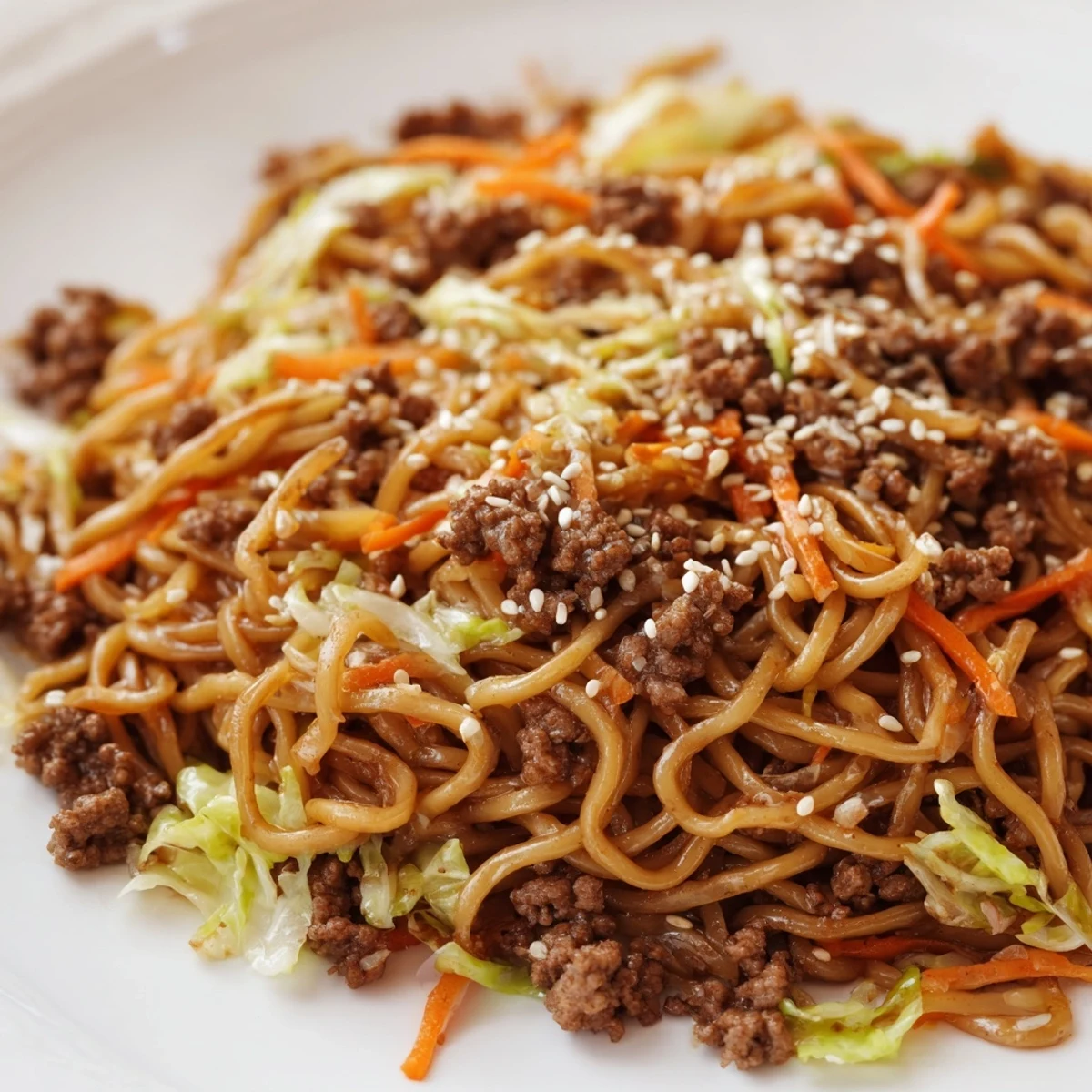
Save This savory dish brings together ground beef, crisp vegetables, and egg noodles coated in a rich Asian-inspired sauce. The combination of soy, oyster, and hoisin sauces creates a perfect balance of salty, sweet, and umami flavors that coat every strand of noodles.
Ready in just 35 minutes, this one-skillet meal is ideal for hectic weeknight dinners. The julienned carrots, bell peppers, and cabbage add satisfying crunch, while garlic and ginger provide aromatic depth. Garnish with sesame seeds and fresh cilantro for extra texture and visual appeal.
With 30 grams of protein per serving and dairy-free ingredients, this substantial dish easily becomes a family favorite.
The smell of ginger hitting hot oil still takes me back to my first apartment kitchen, where I attempted to recreate a dish from a tiny neighborhood spot that knew my order by heart. My early attempts were too salty, too sweet, or just missing that mysterious depth that made restaurant versions so addictive. It took years of playing with sauce ratios and understanding how the ingredients layer their flavors to finally land on something that clicked. Now this recipe lives in my weekly rotation, partly because it comes together faster than delivery would arrive.
Last winter my sister came over exhausted from a brutal work week, and I threw this together without measuring anything because I had made it so many times. She sat at the counter watching the steam rise from the wok, asking what I was putting in the sauce because it smelled better than anything she had managed to cook lately. We ate standing up in the kitchen, and she asked for the recipe before she even finished her first bowl.
Ingredients
- Ground beef: The fatty richness balances the salty-sweet sauce beautifully, and I have learned that draining excess fat prevents the final dish from feeling greasy
- Egg noodles or ramen: These have just the right amount of chew to stand up to the robust sauce, and rinsing them after cooking stops them from getting mushy
- Carrot, bell pepper, and cabbage: The trio creates a perfect crunch contrast, and I julienne the carrots thinly so they cook through without staying raw
- Garlic and ginger: Fresh is non-negotiable here because the aromatic punch sets the foundation for everything else
- Soy sauce, oyster sauce, and hoisin: This combination hits salty, savory, and sweet notes that make the sauce taste complex
- Brown sugar: Just enough to round out the sharp edges of the soy and help the sauce coat the noodles
- Sesame oil: A little goes a long way, so I add it at the end to preserve that nutty fragrance
- Red pepper flakes: Optional but worth it if you want warmth without overwhelming the other flavors
- Water: Thins the sauce just enough so it distributes evenly instead of glomming together
- Sesame seeds: They add a final crunch that makes every bite more interesting
Instructions
- Cook the noodles:
- Boil them according to the package, then rinse under cold water so they do not stick together while you prepare everything else
- Mix the sauce:
- Whisk everything in a small bowl until the sugar dissolves completely, which takes about 30 seconds of serious stirring
- Brown the beef:
- Cook it in a hot skillet or wok, breaking it apart constantly so it browns evenly instead of clumping
- Add aromatics:
- Toss in the garlic and ginger once the beef is cooked, stirring for just a minute so they release their fragrance without burning
- Cook the vegetables:
- Add the carrot, bell pepper, and cabbage and stir-fry them until they start to soften but still retain some crunch
- Simmer with sauce:
- Pour in the sauce mixture and let it bubble for a couple of minutes so the vegetables absorb the flavors
- Combine everything:
- Add the noodles and toss them thoroughly with tongs until every strand is glossy and coated
- Garnish and serve:
- Sprinkle sesame seeds over the top and maybe some extra green onions if you want it to look as good as it tastes
 Save
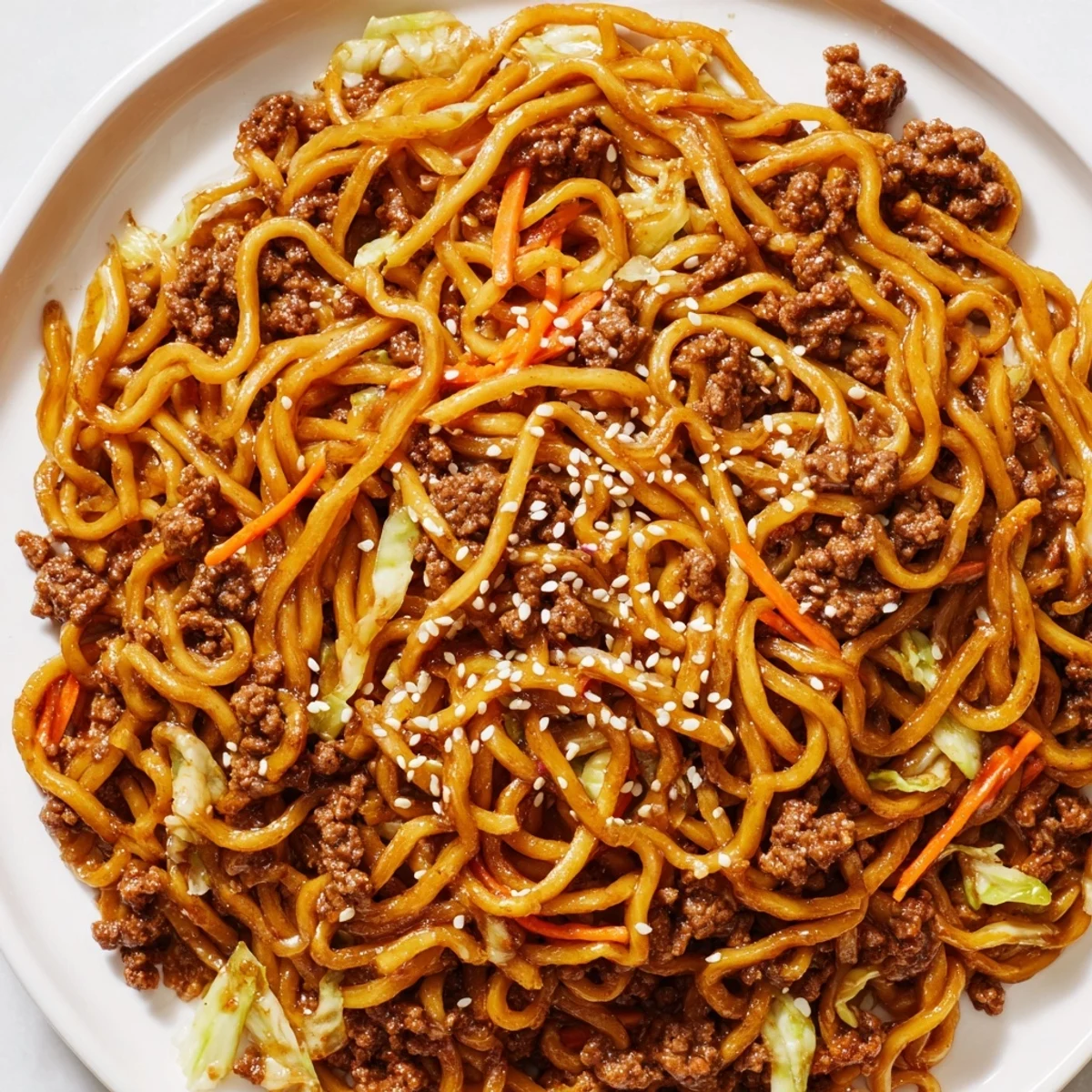
Save This became my go-to meal when I moved into a new place with an unpacked kitchen and nothing but a single pan and a craving for comfort. It has fed friends after bad breakups, celebrated small promotions, and filled the table on nights when I needed something reliable.
Make It Your Own
Sometimes I swap ground pork or turkey for the beef, and I have even made it with crumbled tofu when I wanted something lighter. The vegetable list is flexible based on what is in my crisper drawer, though I try to keep at least one crunchy element.
Sauce Balance
The first few times I made this, I adjusted the sugar and soy sauce by small tablespoons until I found my sweet spot. I taste the sauce before it goes into the pan because that is the last chance to fix the seasoning.
Leftovers That Actually Work
This reheats better than almost any noodle dish I have made, partly because the sauce continues to develop flavor overnight. I add a splash of water when warming it up so the noodles do not dry out.
- Store in an airtight container for up to three days
- Reheat in a skillet with a tiny drizzle of oil
- The noodles will absorb more sauce overnight, so keep a little extra on hand
 Save
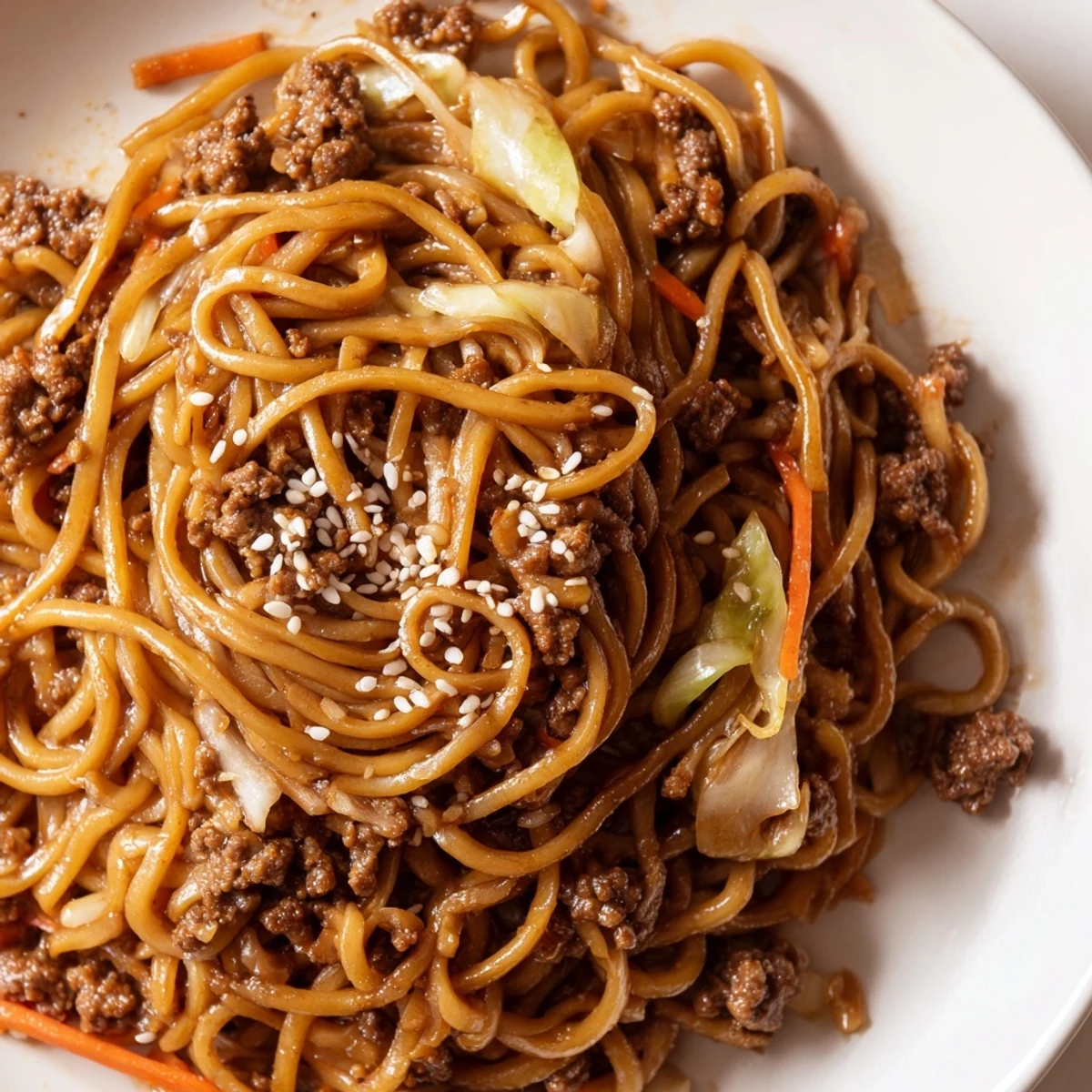
Save Somehow the simplest meals become the ones we return to again and again, and this one has earned its permanent spot in my collection.
Recipe FAQ
- → Can I make this dish gluten-free?
-
Yes, simply substitute regular soy sauce with tamari and use gluten-free rice noodles instead of egg noodles. Check that your oyster and hoisin sauces are certified gluten-free or use suitable alternatives.
- → What other vegetables work well in this dish?
-
Mushrooms, snap peas, baby corn, broccoli florets, or bok choy all complement the flavors beautifully. Add heartier vegetables like broccoli earlier so they have time to soften properly.
- → Can I use ground pork or chicken instead?
-
Absolutely. Ground pork works particularly well and adds a bit more fat content, while chicken provides a leaner option. Both pair seamlessly with the Asian-inspired sauce and vegetables.
- → How spicy is this dish?
-
The red pepper flakes add mild heat. For a spicier version, increase the flakes or add sriracha. Omit them entirely for a mild version the whole family can enjoy.
- → Can I prepare this ahead of time?
-
You can chop vegetables and mix the sauce up to a day ahead. Cooked noodles can be stored separately in the refrigerator for 2-3 days. Toss everything together just before serving for best results.
- → What noodles work best?
-
Egg noodles and ramen noodles are excellent choices. For healthier options, try whole wheat noodles, soba noodles, or brown rice noodles. Udon noodles also work wonderfully for a thicker, chewier texture.